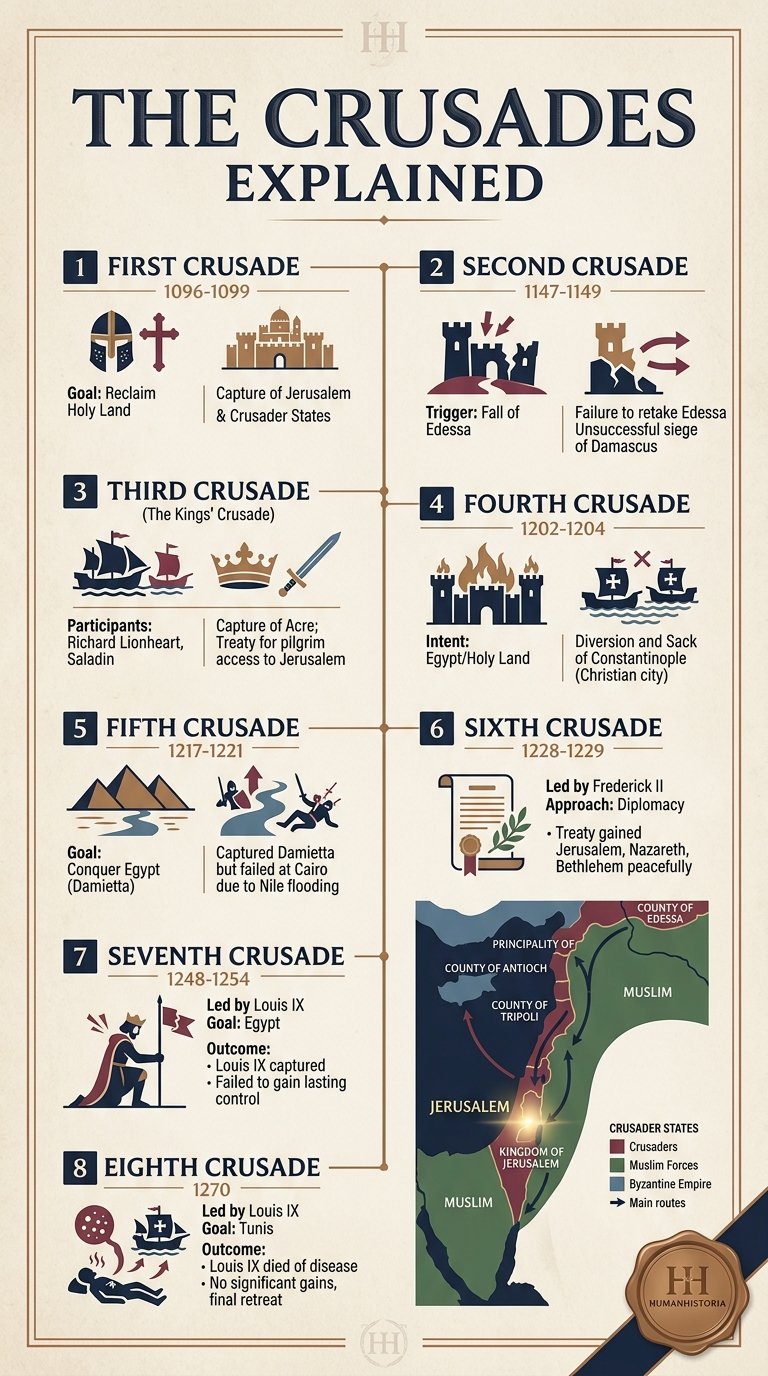
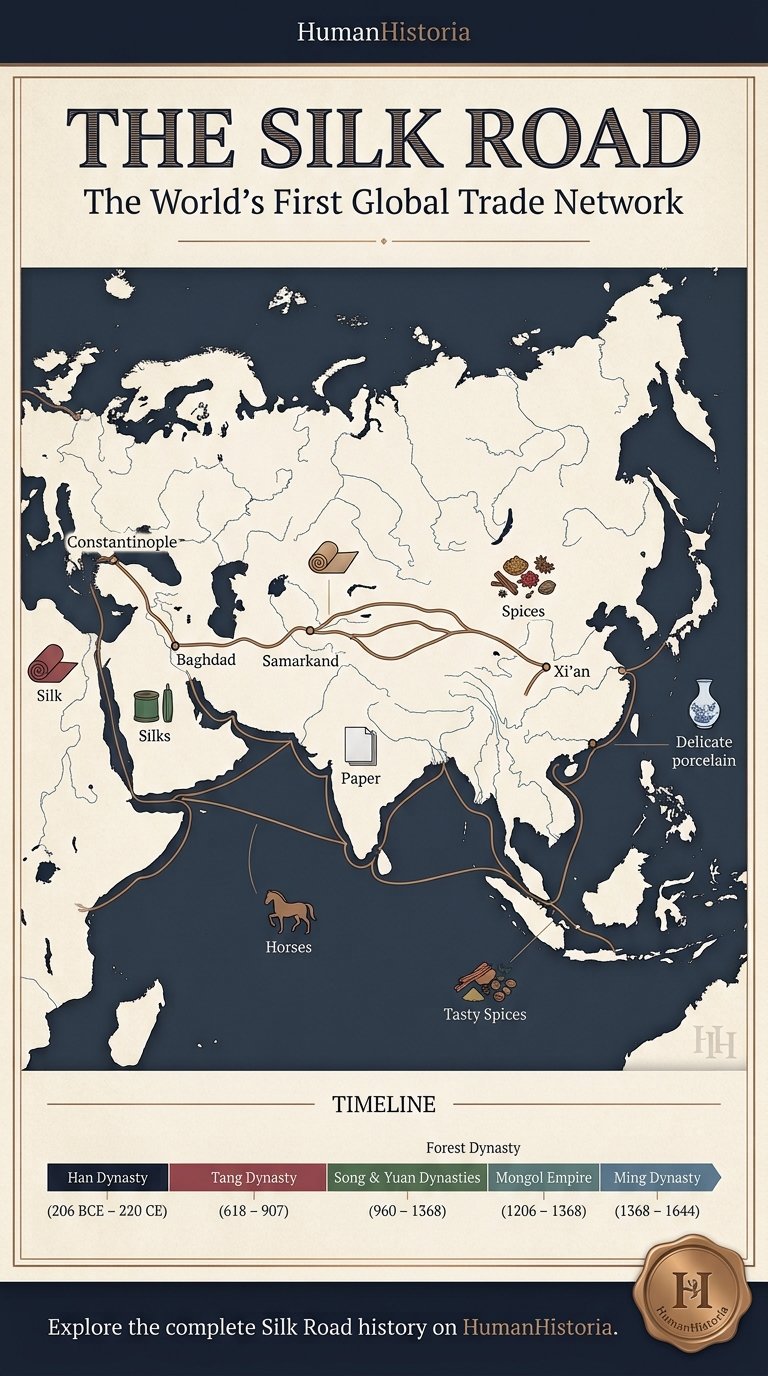
>
HOW HUMANITY SHAPED THE MODERN WORLD
EXPLORE THE HISTORY OF HUMAN CIVILIZATION

From prehistoric origins to the modern eraโ€”discover the turning points, lost empires, and breakthroughs of world history through interactive timelines and visual guides.

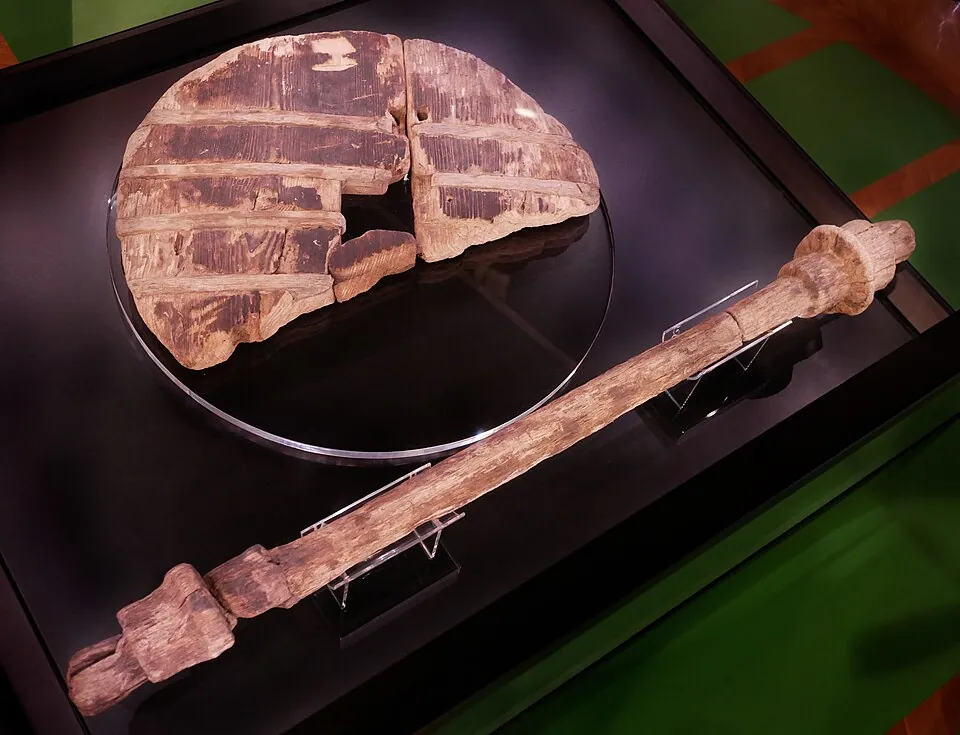
KEY HISTORICAL EVENTS
Major Turning Points in World History
All 182 Chronicles →
Pax Romana (27 BCE - 180 CE): Roman Empire, Law & Military Supremacy ANCIENT AGES
๐Ÿ›๏ธ Empires โฑ๏ธ 5 min read
Pax Romana (27 BCE - 180 CE): Roman Empire, Law & Military Supremacy

Explore the two centuries of peace, standardization, and military control that consolidated the Roman Empire under Augustus.

Read Chronicle →
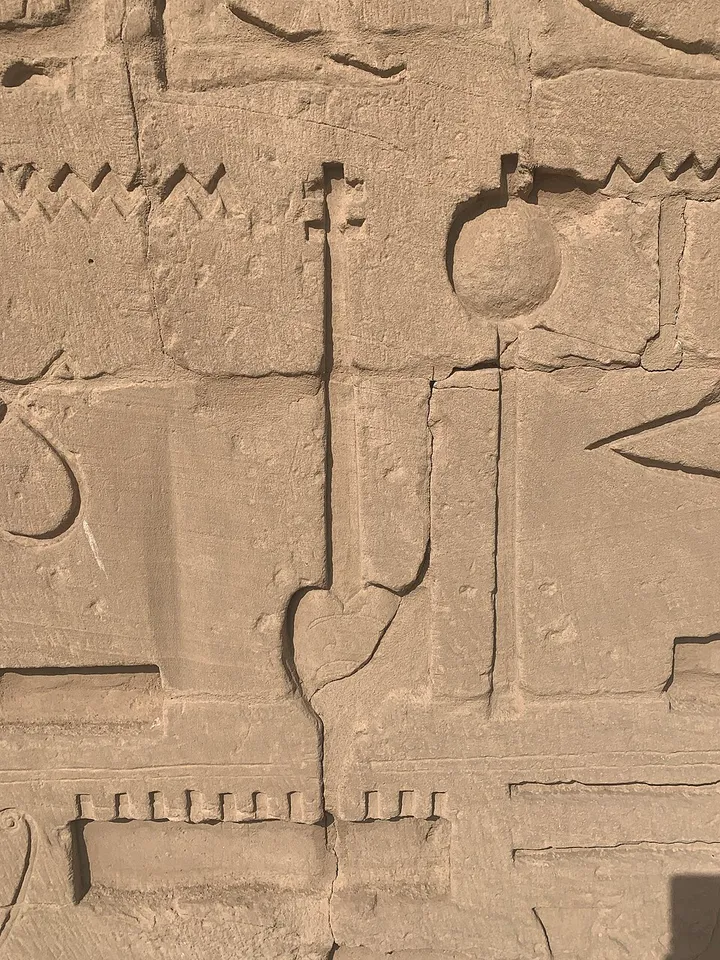
Egyptian Hieroglyphs: Decipherment, Scribes & Sacred Carvings ANCIENT AGES
๐Ÿ›๏ธ Languages โฑ๏ธ 9 min read
Egyptian Hieroglyphs: Decipherment, Scribes & Sacred Carvings

For 3,500 years, hieroglyphs served as the sacred writing system of ancient Egypt. Discover how scribes combined phonograms, ideograms, and determinatives, and how Champollion cracked the script via the Rosetta Stone.

Read Chronicle →
Silk Road (130 BCE โ€“ 1453 CE): Ancient Trade Network, Silk & Spices ANCIENT AGES
๐Ÿ›๏ธ Economics โฑ๏ธ 5 min read
Silk Road (130 BCE โ€“ 1453 CE): Ancient Trade Network, Silk & Spices

Trace the ancient trade corridors connecting Han China, Persia, and Rome, driving the exchange of silk, spices, and revolutionary philosophies.

Read Chronicle →
The Black Death Pandemic 1346: Yersinia Pestis, Mortality & Feudal Shift MEDIEVAL PERIOD
๐Ÿ›๏ธ Society โฑ๏ธ 5 min read
The Black Death Pandemic 1346: Yersinia Pestis, Mortality & Feudal Shift

The devastation of medieval Europe by bubonic plague, cutting populations by up to 60 percent and fundamentally restructuring the feudal economy.

Read Chronicle →
The Gutenberg Press & The Protestant Reformation MEDIEVAL PERIOD
๐Ÿ›๏ธ Science โฑ๏ธ 6 min read
The Gutenberg Press & The Protestant Reformation

Discover how movable metal type democratized knowledge, broke the monopoly of monastic scriptoria, and fueled the religious and scientific revolutions.

Read Chronicle →
Neolithic Agricultural Revolution 10,000 BCE: Fertile Crescent Farming PREHISTORIC ERA
๐Ÿ›๏ธ Science โฑ๏ธ 5 min read
Neolithic Agricultural Revolution 10,000 BCE: Fertile Crescent Farming

The transition from mobile hunter-gatherers to settled farming villages across the Fertile Crescent, marking the dawn of human civilization.

Read Chronicle →
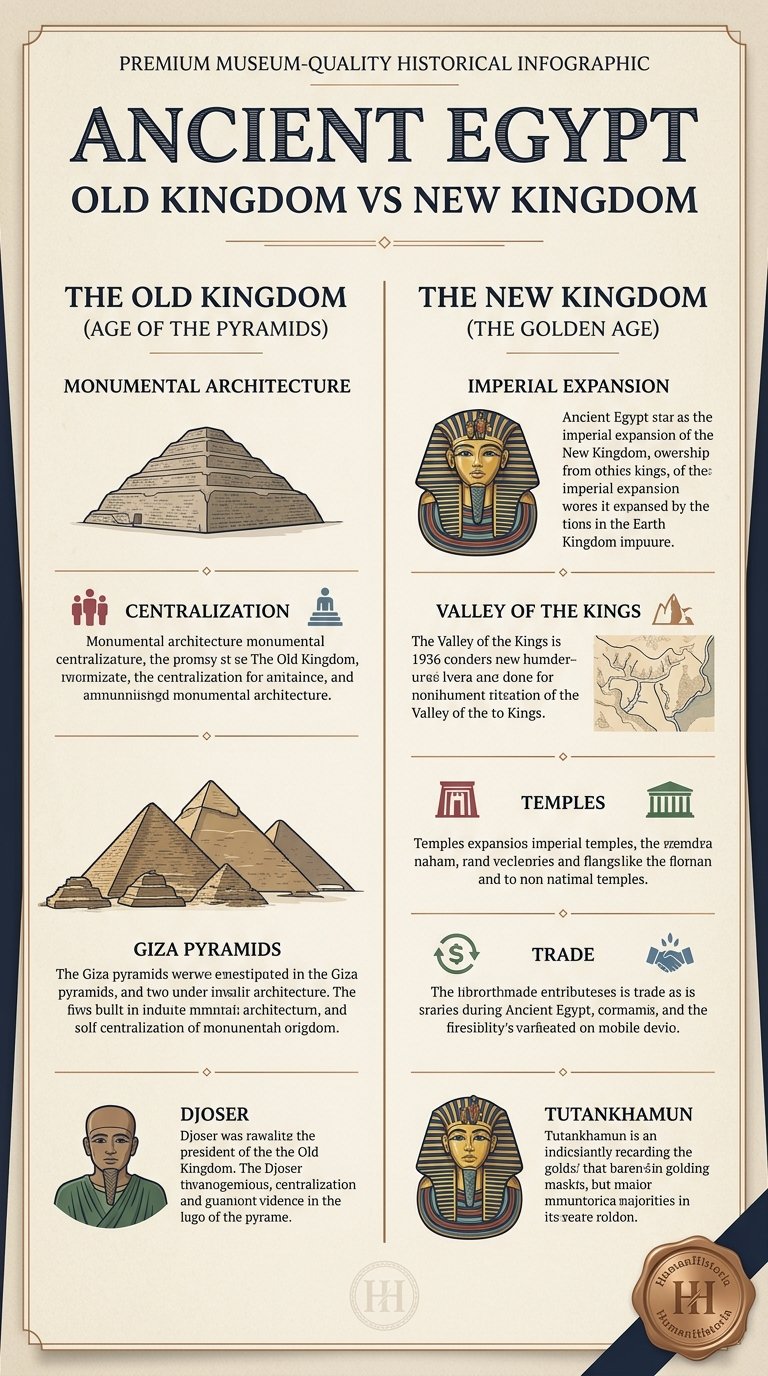
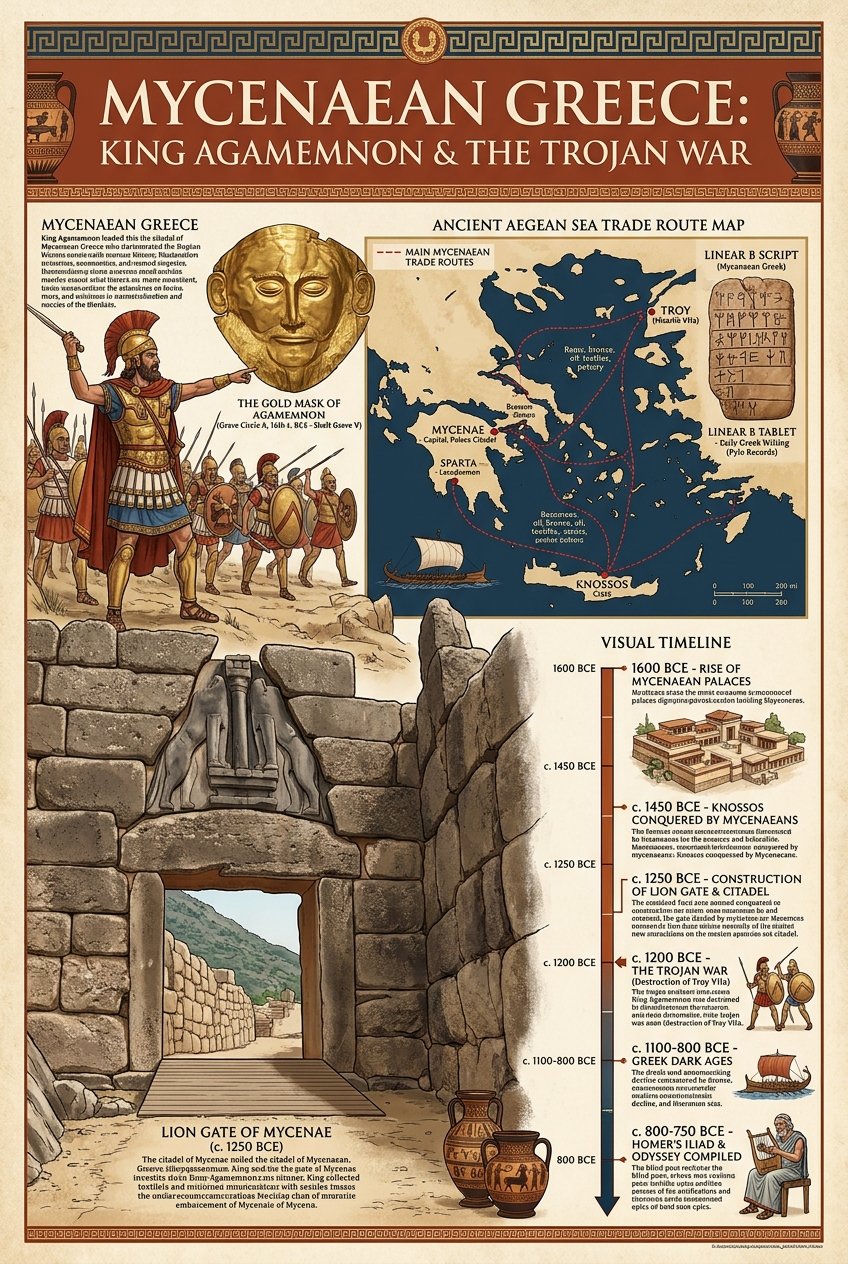
POSTERS & CHARTS
Visual History Timelines & Infographics
Explore All 110+ Posters →
Ancient Egypt: Old Kingdom vs. New Kingdom
๐Ÿ” Tap to Zoom
Ancient Egypt: Old Kingdom vs. New Kingdom
Mycenaean Greece & Trojan War History
๐Ÿ” Tap to Zoom
Mycenaean Greece & The Trojan War
The Crusades: Holy War, Trade & Cultural Exchange
๐Ÿ” Tap to Zoom
The Crusades: Holy War, Trade & Exchange
Maritime & Overland Silk Road Trade Networks
๐Ÿ” Tap to Zoom
Silk Road: Maritime & Overland Trade Networks
LEARNING TOOLS & LAB
Interactive History Games & Simulations
Open Full Lab →
๐Ÿ•ต๏ธ
Who Am I? (Historical Guessing Game)

A secret historical figure has been chosen. Ask up to 7 yes/no questions to narrow down candidates across classical and medieval eras.

Play Game →
๐Ÿ—บ๏ธ
Timeline Scramble

Five historical events appear out of order. Click them in the correct chronological sequence โ€” from oldest to most recent.

Test Chronology →
โš–๏ธ
Empire Matchup Simulator

Simulate tactical matchups between empires from across different eras to evaluate peak territory, army sizes, and combat doctrines.

Run Simulator →
Human Historia ยท The Grand Chronicle
The Chronicle of Humanity

300,000 years. 5 eras. Countless turning points that shaped every moment of your world.

๐Ÿฆด
Prehistoric Era
c. 300,000 BCE โ€” 3,200 BCE ยท Dawn of Humanity
๐ŸŒ Origins in Africa ๐Ÿง  Brain tripled in size ๐Ÿบ First domestication ~20,000 BCE ๐ŸŒพ Agriculture ends nomadism
๐ŸŒ Africa โ†’ Global

Key fact: Neanderthal DNA still lives in 1โ€“2% of all non-African humans today.

Related: Animal Domestication, Cave Art

๐Ÿ”ฅ Africa

Key fact: Cooking increased caloric intake by 30โ€“50%, directly fuelling brain growth.

Related: Stone Tools, Migration

๐ŸŒพ Fertile Crescent

Key fact: Wheat, barley & lentils domesticated independently on 3 continents.

Related: Gรถbekli Tepe, Cuneiform

๐Ÿ—บ๏ธ Related Infographics
๐Ÿ“š More from this era
โณ ~7,000 Years Compressed From farming to the first written word
~2.3% of recorded human history
๐Ÿ›๏ธ
Ancient Ages
c. 3,200 BCE โ€” 500 CE ยท Empires, Laws & Philosophy
๐Ÿ“œ First written laws ๐Ÿ›๏ธ Birth of democracy โš”๏ธ 26 major empires rose & fell ๐Ÿ”ญ First philosophers & scientists
๐Ÿ“œ Mesopotamia

Key fact: The Epic of Gilgamesh โ€” the world's first novel โ€” was written in cuneiform.

Related: Epic of Gilgamesh, Hammurabi

๐Ÿ“š Alexandria, Egypt

Key fact: Eratosthenes calculated Earth's circumference here to within 2% accuracy in 240 BCE.

Related: Greek Philosophy, Roman Empire

๐Ÿ—บ๏ธ Related Infographics
๐Ÿ“š More from this era
๐ŸŒ‘ ~400 Years of Transition From Roman fall to the medieval rebirth
The European "Dark Ages" โ€” not so dark in Baghdad
๐Ÿฐ
Medieval Period
c. 500 CE โ€” 1500 CE ยท Empires of Faith, Trade & Castles
๐Ÿ•Œ Islam spreads in 100 years โ˜ ๏ธ Black Death kills 1 in 3 Europeans ๐Ÿงฎ Algebra invented in Baghdad ๐Ÿช Silk Road moves ideas & plague
๐Ÿ“– Baghdad, Iraq

Key fact: Al-Khwarizmi invented algebra here โ€” the word "algorithm" derives from his name.

Related: Silk Road, Mansa Musa

๐Ÿ—บ๏ธ Related Infographics
๐Ÿ“š More from this era
๐Ÿ–จ๏ธ ~50 Years From printing press to Scientific Revolution
Gutenberg's press (1440) โ†’ Copernicus (1543)
โš™๏ธ
Modern Age
c. 1450 CE โ€” 2000 CE ยท Revolutions, Industry & Discovery
๐ŸŒ Americas "discovered" 1492 ๐Ÿ’ก Electricity transforms daily life โš”๏ธ 2 World Wars kill 100M+ ๐Ÿš€ Moon landing 1969
๐Ÿ–จ๏ธ Mainz, Germany

Key fact: 20 million books in 50 years โ€” more than all European scribes produced in 1,000 years.

Related: Scientific Revolution, Reformation

๐Ÿš‚ Britain

Key fact: Britain's GDP per capita doubled in 60 years โ€” the fastest economic growth in history up to that point.

Related: Electricity, Wright Brothers

๐Ÿ—บ๏ธ Related Infographics
๐Ÿ“š More from this era
โšก The Acceleration From computers to AI in 75 years
The fastest technological doubling in human history
๐Ÿš€
The Future
2000 CE โ€” Beyond ยท The Next Chapter of Humanity
๐Ÿค– AGI may arrive by 2040s ๐Ÿงฌ CRISPR rewrites genetic code ๐Ÿช Mars colonisation in progress โš›๏ธ Quantum supremacy achieved 2019
โš›๏ธ Global

Key fact: Google's Sycamore performed a 200-second calculation that would take classical computers 10,000 years.

Related: AI Singularity, CRISPR, Space

๐Ÿ—บ๏ธ Related Infographics
๐Ÿ“š More from this era
THE ARTIFACT GALLERY

Examine the tangible relics, physical tokens, and revolutionary machines that shaped civilizational growth.

๐ŸŽฅ VIDEO HUB & SHORTS

Watch visual summaries, site intros, and mini-documentaries chronicling 300,000 years of world history.

๐Ÿ“Š HISTORICAL INFOGRAPHICS ARCHIVE

Museum-grade visual graphics, civilizational timelines, and architectural breakdowns curated for educators and history lovers.

THE HISTORIA CIRCLE

Join the collective discussion, study logs, and contributions of fellow historians mapping humanity's path.

Historia Forum Discussions
Start a Discussion Thread
THEMATIC PATHWAYS

Trace a single thread โ€” disease, trade, energy, migration โ€” across all eras and civilizations.

History is not just a sequence of events โ€” it is a network of patterns. These thematic pathways allow you to follow a single concept across thousands of years: how agriculture spread, how warfare evolved, how trade routes shaped civilizations. Each pathway collects the most relevant chronicles across all eras.

๐Ÿงฉ
How is this different from the sidebar Topics?
While the sidebar Topics (like Science & Tech or Empires) filter articles within your selected historical Era, Thematic Pathways cut horizontally across all eras (from Prehistoric to the Future). Use Themes to trace a single concept's evolutionary line across 300,000 years.
CIVILIZATION HUBS

Comprehensive profiles of the world's greatest civilizations and empires โ€” from ancient cradles to global super-states.

Human Historia provides an academically rich exploration of the world's most influential civilizations. From the monumental achievements of ancient Egypt, Han China, and the Roman Empire, to the sophisticated societies of the Maya, the Islamic Caliphates, and West African empires, these hubs offer deep insights into the cultural, political, and technological legacies that continue to shape our global story.

EVOLUTION OF HUMAN SKILLS

Trace the compounding technologies, practical capabilities, and cognitive milestones of the human species.

Human progress is a story of compounding skills. Every breakthrough, from the spark of prehistoric fire to modern silicon transistors, builds directly on previous generations of ingenuity. Hover over a skill node to trace its historical prerequisites, and click it to explore its development timeline, species-wide impact, and related chronicles.

Prehistoric Ancient Medieval Modern Future
๐Ÿง 

Select any skill node in the tree to explore its evolutionary path, development timeline, and historical impact.

ACADEMIC PASSPORT

Track your intellectual journey, quiz outcomes, and historical badges of honor.

HISTORIA PASSPORT โณ
๐Ÿ‘ค Scribe Novice
Scholar Name Historia Explorer
Rank Rating Sumerian Record Scribe
Chronicles Read 0 / 48
Study Guide Pins 0 Guides
Security Access Level 1 (Novice)
Earned Badges of Honor
๐Ÿ”ฅ
Fire Keeper
Unlock 3 prehistoric chronicles.
๐Ÿ›๏ธ
Codex Keeper
Unlock 3 ancient chronicles.
๐Ÿฐ
Guild Master
Unlock 3 medieval chronicles.
โš™๏ธ
Steam Engineer
Unlock 3 modern chronicles.
๐Ÿš€
Singularity Sage
Unlock 3 future chronicles.
๐Ÿ‘‘
Grand Scholar
Score 5/5 on the Lab Quiz.
Recent Lab Activities
No recent activities recorded. Take a quiz or bookmark articles!
๐Ÿ›๏ธ MISSION & ARCHIVAL STANDARDS
About Human Historia

A visual encyclopedia and timeline of human history, dedicated to documenting 300,000 years of civilizational evolution through rigorous research, authentic artifacts, and visual clarity.

๐ŸŒ
The 300,000-Year Story

Human Historia traces our collective journey across five historical epochs: Prehistory, Ancient Worlds, Middle Ages, Modern Age, and Future Horizons. From the first control of fire to quantum computation, we organize turning points into interconnected timelines.

๐Ÿ“œ
Historiographical Rigor

Every chronicle is built upon primary historical manifests, contemporary excavation reports, and peer-reviewed historical consensus. We prioritize authentic public domain artifacts and clearly identify scholarly debates surrounding major civilizational transitions.

๐ŸŽจ
Museum-Grade Visuals

Complex historical transitions demand visual understanding. We develop high-resolution infographics, architectural cutaways, and comparative territorial maps to transform abstract timelines into vivid, unforgettable learning experiences.

๐Ÿ“–
Educational Access

Knowledge belongs to humanity. Human Historia is free, ad-light, and engineered as an educational resource for students, classroom educators, academic researchers, and curious minds across all continents.

Editorial Governance & Inquiries

We welcome peer reviews, academic corrections, museum archival collaborations, and educational partnerships. To submit historical inquiries or provide archival feedback, reach our editorial desk directly.

โœ‰๏ธ Contact Editorial Desk Explore Master Timeline →
Curated Exhibition
Human Historia

An immersive graphical anthology tracing the paths of civilizations, breakthroughs, and conflicts that forged the modern consciousness.

25Chronicles
Showing all articles

The Commercial Revolution: How the Crusades Created Venetian Banking

Written by Humanhistoria Editorial Historical Era: MEDIEVAL

When Pope Urban II delivered his fiery sermon at Clermont in November 1095, urging Western Christendom to liberate Jerusalem, feudal knights and monarchs took the cross dreaming of holy warfare and heavenly salvation. Yet the true, lasting victors of the Crusades were neither feudal barons nor Norman crusaders, but the calculating merchant oligarchs of the Italian maritime republics: Venice, Genoa, Pisa, and Amalfi. Exploiting the desperate logistical realities of European crusader armies who could not march overland through Anatolia without perishing of starvation, Italian shipmasters turned holy war into the engine of the Medieval Commercial Revolution. In exchange for transporting knights, warhorses, and provisions across the Mediterranean, Italian city-states demanded exclusive commercial quarters (fondacos), tax exemptions, and harbor monopolies in every captured Levantine port. By channeling Asian silks, Syrian glassware, and Indian spices into Europe, these merchant republics invented early modern bankingโ€”pioneering the limited liability commenda contract, maritime cargo insurance, and the gold Venetian Ducat, laying the financial operating system of Western capitalism.

Venetian merchant fleet embarking Crusader knights in the Venetian lagoon
Historical representation of the Venetian harbor during the Crusades, where maritime convoys transported thousands of crusader knights, horses, and provisions across the Mediterranean in exchange for colonial trade privileges. (Archival Collection)

Feudal Isolation: Europe's Barter Trap Before 1095

In the eleventh century, Western Europe remained an economically backward, agrarian feudal society. Following the collapse of the Roman Empire and centuries of Viking, Magyar, and Saracen raids, commercial trade had shriveled. Barter was rampant; metallic currency was scarce, consisting primarily of clipped, debased local silver pennies; and road transport was crippled by highway robbery and predatory toll-castles operated by local barons.

The Mediterranean was dominated by two economic superpowers: the Fatimid Caliphate in Cairo and the Byzantine Empire in Constantinople. European merchants were confined to the periphery, possessing almost nothing that the sophisticated markets of the East desired, save for raw timber, iron, and slaves. The First Crusade (1096โ€“1099) fundamentally shattered this geographic and commercial quarantine.

The Logistics of Holy War: The Italian Naval Lifeline

When the First Crusade successfully captured Jerusalem in July 1099 and established four feudal Crusader States (Outremer: the Kingdom of Jerusalem, the Principality of Antioch, the County of Edessa, and the County of Tripoli), the crusader barons faced an impossible geographic crisis. They were an isolated Christian garrison surrounded by hostile Muslim powers, separated from Western Europe by two thousand miles of ocean.

Every horse, sword, coat of mail, sack of grain, and replacement soldier had to be transported by sea. The Italian maritime republicsโ€”most prominently Genoa, Pisa, and Veniceโ€”stepped into this logistical breach. They possessed the advanced dockyards, seasoned navigators, and maritime naval fleets capable of crossing the Mediterranean in convoy:

  • The Genoese at Jerusalem (1099): During the siege of Jerusalem, Genoese commanders Guglielmo Embriaco and his brother dismantled their own galleys at Jaffa, hauled the timber thirty miles inland through the mountains, and constructed the colossal siege towers that breached Jerusalem's walls.
  • The Venetian Fleet at Tyre (1124): Venice provided a massive fleet of over one hundred warships to blockade and capture the fortified port of Tyre, cutting off Fatimid Egypt from Syrian maritime routes.

The Fondaco System: Colonial Enclaves in the Levant

The Italian republics did not provide naval services out of pious charity; their participation was dictated by ironclad, notarized legal treaties signed with crusader kings. In every captured coastal portโ€”including Acre, Tyre, Tripoli, Antioch, Jaffa, and Beirutโ€”Italian cities demanded sovereign extraterritorial privileges:

Each republic received its own walled municipal quarter called a Fondaco (from the Arabic funduq, an inn or warehouse). A typical fondaco was an autonomous colonial micro-state containing a church, administrative palace, bakery, public baths, market square, and warehouses. Crucially, Italian merchants residing within their fondaco were completely exempt from local crusader customs taxes, tolls, and court jurisdictions, answering solely to their own resident magistrates (consuls).

From these fortified beachheads, Italian merchants gained direct access to the terminus hubs of the Silk Road and Indian Ocean spice caravans. Luxury commoditiesโ€”cinnamon, cloves, nutmeg, black pepper, raw silk, damask cloth, Syrian glass, and cane sugarโ€”were bought directly from Arab and Persian wholesalers and shipped to Venice and Genoa, where they were re-exported across Europe at profit margins exceeding three hundred percent.

A 13th-century Venetian Gold Ducat Zecchino
A 13th-century Venetian Gold Ducat (Zecchino) minted under Doge Pietro Gradenigo (c. 1289โ€“1311), displaying Saint Mark presenting the standard of Venice to the Doge. Minted at 99.5% pure gold, it served as the undisputed reserve currency of Mediterranean commerce. (British Museum, London)

The Inventions of Capital: Commenda, Insurance, and the Ducat

The explosive growth of trans-Mediterranean maritime trade required radically modern legal and financial mechanisms to manage high capital risks and pool investment:

1. The Commenda Contract (History's First Limited Partnership)

Financing a long-distance sea voyage to Acre was beyond the financial resources of a single merchant. Italian jurists created the commenda (in Venice called the collegantia). In a bilateral commenda, an investor (commendator) provided 100% of the capital, while a traveling merchant (tractator) undertook the physical voyage. Profits were divided 75% to the investor and 25% to the traveling merchant. If the ship sank in a storm, the investor bore the financial loss, while the merchant lost his laborโ€”limiting liability and allowing widows, monasteries, and small tradesmen to invest in global trade.

2. Marine Cargo Insurance ()

To insulate merchants against catastrophic loss from piracy or shipwreck, Italian maritime cities invented formal marine insurance policies. Underwriters collected an upfront premium (typically 10โ€“15% of cargo value) in exchange for guaranteeing full financial restitution if the vessel failed to reach port. This transformed high-risk maritime gambling into predictable, manageable commercial accounting.

3. The Gold Ducat: The Medieval Global Currency

To settle multi-million-florin trade balances without carrying volatile silver coins, the Republic of Venice began minting the Gold Ducat (Zecchino) in 1284 CE. Struck from 3.5 grams of 99.5% pure gold, the Ducat never suffered debasement for over five centuries, becoming the trusted "dollar of the Middle Ages" accepted from London to Cairo and India.

"Let it be known to all present and future that King Baldwin of Jerusalem grants to the citizens of Genoa, for their great service rendered at the siege of Acre, one third of the city and of its tolls, and in every city of his realm a street, a church, and a fondaco, free and exempt from all taxation, customs, and exactions forever."

โ€” Imperial Charter of Baldwin I, King of Jerusalem, granted to the Republic of Genoa (May 1104 CE)

Economic Metamorphosis: Pre-Crusade Feudalism vs. The Commercial Revolution

The structural transition from feudal agrarian self-sufficiency to Italian merchant capitalism is outlined in the comparative table below.

Economic Metric Pre-Crusade Feudal Economy (c. 900โ€“1095 CE) Post-Crusade Italian Commercial System (c. 1150โ€“1350 CE)
Primary Wealth Source Agricultural land ownership and peasant manorial labor Liquid commercial capital, maritime shipping, foreign exchange
Dominant Business Form Individual artisan workshops; local craft guilds Multinational partnerships (), joint-stock shipping syndicates
Risk Mitigation None (total financial ruin upon harvest failure or bandit raid) Marine cargo insurance (), diversified fractional shares
Currency Standard Scarce, heavily debased regional silver pennies () High-purity gold coin standards (Venetian Ducat, Florentine Florin)
Trade Geography Local weekly village markets within 15-mile radius Global trans-Mediterranean networks connecting Outremer to Champagne Fairs
Cultural Output Fortified stone castles; austere Romanesque village chapels Financed the Italian Renaissance (Venetian palaces, Florentine art)

The Fourth Crusade (1204 CE): Commercial Imperialism at its Zenith

The ultimate demonstration that commerce had subjugated religious holy war occurred during the infamous Fourth Crusade. In 1201 CE, French crusader leaders contracted the Republic of Venice to build transport ships for thirty-three thousand soldiers and forty-five hundred horses in exchange for eighty-five thousand silver marks.

When only twelve thousand crusaders showed up in Venice, unable to pay the debt, ninety-year-old, blind Doge Enrico Dandolo made an audacious proposal: Venice would defer the debt if the Crusaders captured the Christian rebellious city of Zara on the Dalmatian coast. From Zara, Dandolo diverted the crusade directly to Constantinople, the capital of the Byzantine Empire.

In April 1204, the Crusader army stormed and sacked Constantinople, burning libraries, looting churches, and dismantling the Byzantine Empire. Venice claimed as its commercial share "one quarter and half of a quarter" of the Byzantine Empire, seizing Crete, Euboea, the Ionian islands, and the vital commercial docks of Constantinople. Venice was no longer merely a merchant republic; it was an oceanic maritime empire controlling every naval chokepoint between Western Europe and the Black Sea.

โš–๏ธ

Historian Debate: Civilizing Merchant Innovation vs. Cynical War Profiteering

The "Commercial Renaissance" School (Robert S. Lopez, Frederic Lane)

Maintains that the Italian merchant republics were the indispensable architects of the modern world. Their financial innovations civilized commerce, dissolved feudal stagnation, reconnected Europe to Eastern technology and philosophy, and created the liquid wealth that enabled the Italian Renaissance.

The "Predatory Imperialism" School (Steven Runciman, Henri Pirenne)

Contends that Italian merchants were unprincipled war profiteers who cynically hijacked religious holy war for private financial gain. The criminal sack of Constantinople in 1204 fatally crippled the Eastern Christian bastion, paving the way for eventual Ottoman conquest.

Economic historians agree that regardless of moral critique, the Crusades permanently shifted the center of European economic gravity from land to sea.

The Fall of Acre (1291 CE) and the Dawn of Modern Banking

When the last crusader stronghold at Acre fell to the Mamluk Sultanate in May 1291, the crusader principalities of Outremer were erased from the map. Popes issued papal bulls threatening excommunication to any Christian merchant who traded with the Islamic Mamluks.

The Italian merchants ignored the prohibitions. Venice and Genoa secured trade treaties with the Mamluk sultans within decades, purchasing Syrian spices and Egyptian cotton directly in Alexandria and Damascus. The commercial networks, holding company partnerships, and gold banking systems forged during two centuries of Crusader warfare did not vanish; they migrated inland to Florence, Milan, and Genoa, evolving directly into the great banking houses of the Bardi, Peruzzi, and Medici.

The Crusades failed in their spiritual and territorial objective of retaining the Holy Land for Latin Christendom. But in that failure, they achieved an infinitely greater transformation: they demolished the insular walls of feudal Europe, created the institutions of international finance, and forged the capitalist operating system that propelled Western civilization into the modern era.

๐Ÿ“– SCHOLARLY INQUIRIES

Frequently Asked Questions

Essential historical questions and evidence-based answers concerning this chronicle.

How did the Crusades trigger Europe's Commercial Revolution?

The Crusades required immense transport of troops, horses, and provisions, which Italian maritime cities like Venice, Genoa, and Pisa financed and chartered. In return, Italian merchants secured tax-exempt trading enclaves, wharves, and warehouses across Outremer ports (Acre, Tyre, Antioch), capturing direct access to Levant spices, silks, and sugar.

What financial innovations were invented during the Crusades?

To finance long-distance expeditions and trade without physically transporting heavy coin, merchants and banking orders (like the Knights Templar) invented bills of exchange, the commenda maritime contract (early venture capital), marine insurance policies, and double-entry bookkeeping.

What role did the Knights Templar play in medieval banking?

The Knights Templar established Europe's first multinational banking network. Pilgrims and crusaders deposited gold or silver at Templar commanderies in London or Paris, received encrypted letters of credit, and withdrew local currency upon arrival in Jerusalem or Acre, avoiding highway robbery.

Why did Venice divert the Fourth Crusade to sack Constantinople in 1204?

Under Doge Enrico Dandolo, Venice financed an enormous fleet for the crusaders. When the crusaders could not pay the agreed 85,000 silver marks, Dandolo directed them to capture Zara and subsequently sack Constantinople, eliminating Venice's chief commercial rival and securing Venetian monopolies over Aegean trade.

๐Ÿ“š Academic Sources & Scholarly Bibliography
  • Lopez, Robert Sabatino (1976). The Commercial Revolution of the Middle Ages, 950โ€“1350. Cambridge University Press.
  • de Roover, Raymond (1948). The Commercial Revolution of the 13th Century. The Journal of Economic History.
  • Tyerman, Christopher (2006). God's War: A New History of the Crusades. Belknap Press.
  • Lane, Frederic C. (1973). Venice: A Maritime Republic. Johns Hopkins University Press.
โšก Fast Facts
  • Historical EraMEDIEVAL
  • Region๐ŸŒ EUROPE
  • CategoryEmpires
  • Reading Timeโฑ 12 min read
๐Ÿ“– Scholar Mode Active โ€” Click to exit focused reading
Selected Era

Prehistoric Era

Millions of years ago to ~3000 BCE

The dawn of humanity. From the evolutionary split of early hominids to the mastery of stone tools, fire, and the birth of language.

Landmark Milestones

Welcome to Historia

Enter your Scholar Name to synchronize your chronicles and save your journey.