Examine the tangible relics, physical tokens, and revolutionary machines that shaped civilizational growth.
๐ฅ VIDEO HUB & SHORTS
Watch visual summaries, site intros, and mini-documentaries chronicling 300,000 years of world history.
๐ HISTORICAL INFOGRAPHICS ARCHIVE
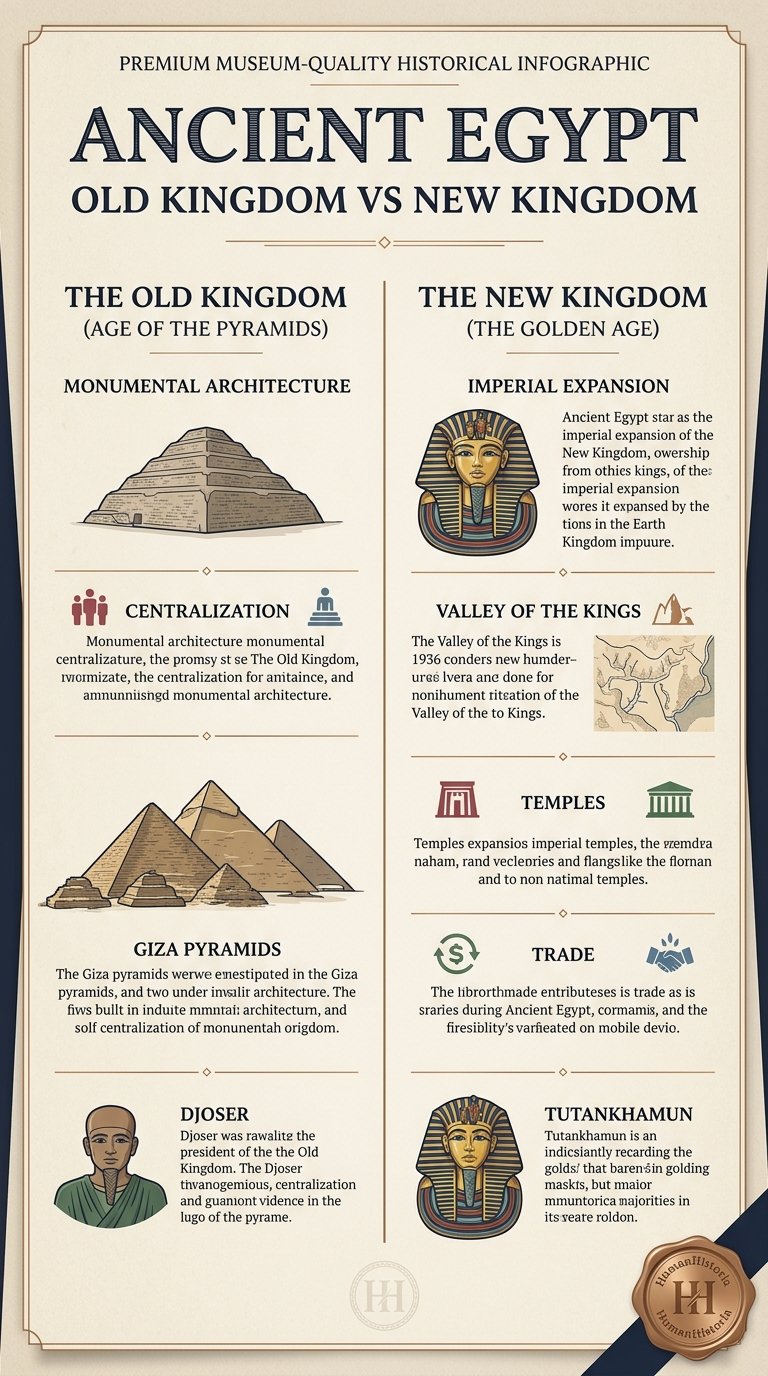
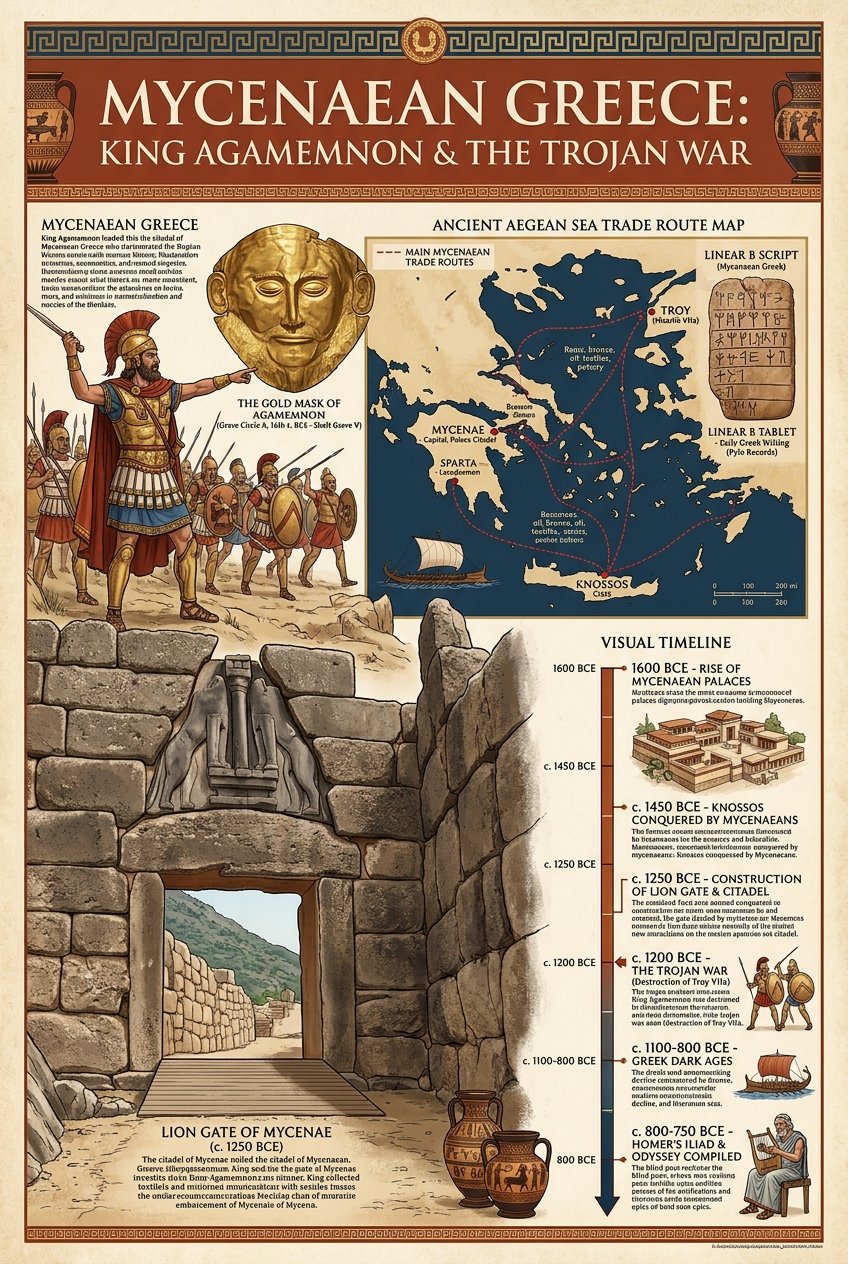
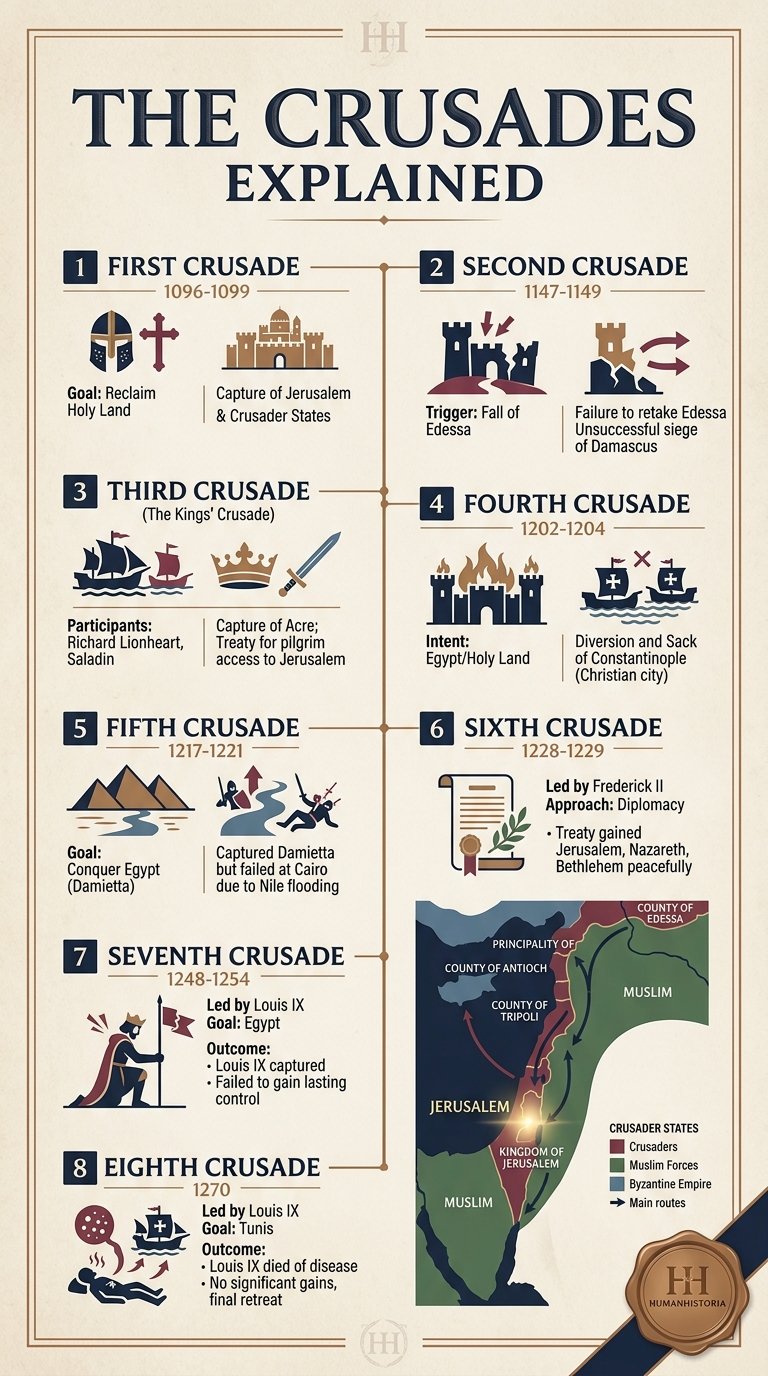
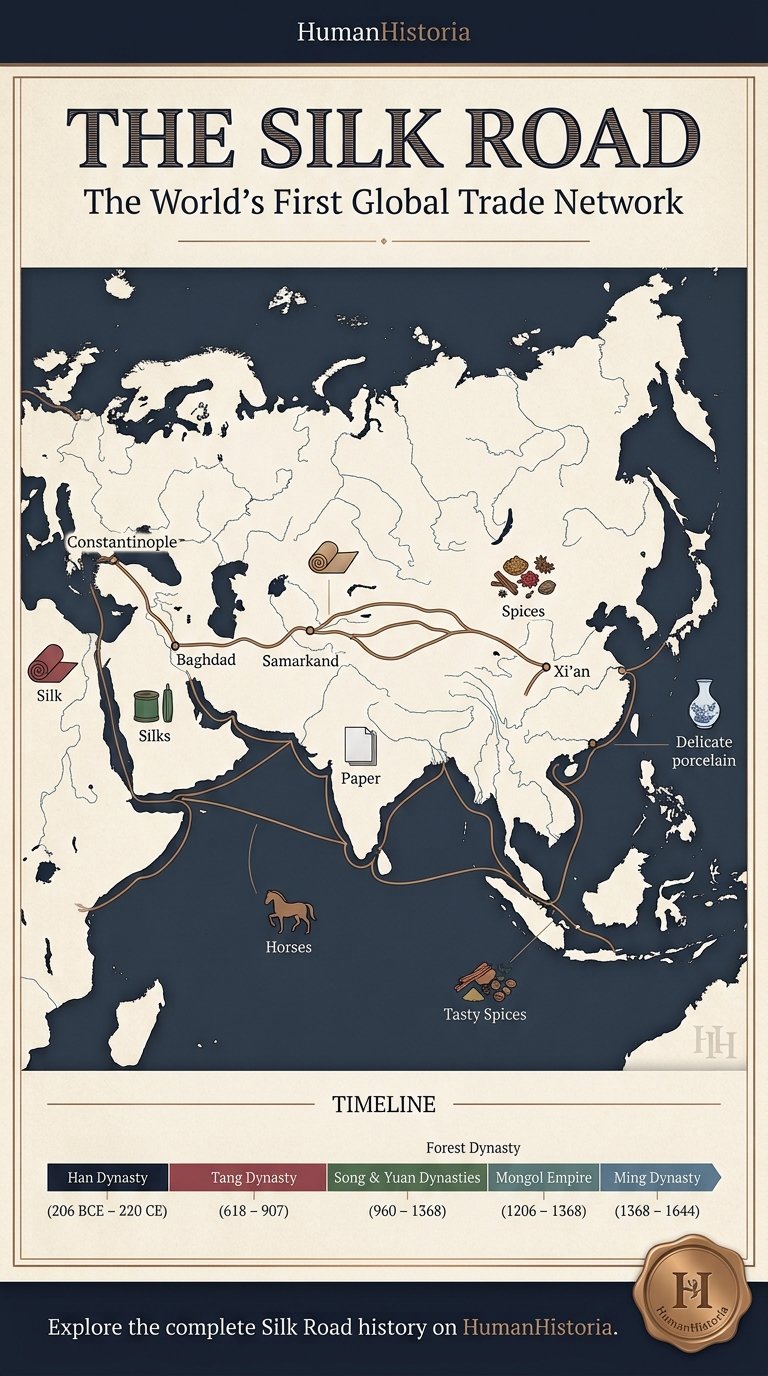
Museum-grade visual graphics, civilizational timelines, and architectural breakdowns curated for educators and history lovers.
THE HISTORIA CIRCLE
Join the collective discussion, study logs, and contributions of fellow historians mapping humanity's path.
Historia Forum Discussions
Start a Discussion Thread
THEMATIC PATHWAYS
Trace a single thread โ disease, trade, energy, migration โ across all eras and civilizations.
History is not just a sequence of events โ it is a network of patterns. These thematic pathways allow you to follow a single concept across thousands of years: how agriculture spread, how warfare evolved, how trade routes shaped civilizations. Each pathway collects the most relevant chronicles across all eras.
๐งฉ
How is this different from the sidebar Topics?
While the sidebar Topics (like Science & Tech or Empires) filter articles within your selected historical Era, Thematic Pathways cut horizontally across all eras (from Prehistoric to the Future). Use Themes to trace a single concept's evolutionary line across 300,000 years.
CIVILIZATION HUBS
Comprehensive profiles of the world's greatest civilizations and empires โ from ancient cradles to global super-states.
Human Historia provides an academically rich exploration of the world's most influential civilizations. From the monumental achievements of ancient Egypt, Han China, and the Roman Empire, to the sophisticated societies of the Maya, the Islamic Caliphates, and West African empires, these hubs offer deep insights into the cultural, political, and technological legacies that continue to shape our global story.
EVOLUTION OF HUMAN SKILLS
Trace the compounding technologies, practical capabilities, and cognitive milestones of the human species.
Human progress is a story of compounding skills. Every breakthrough, from the spark of prehistoric fire to modern silicon transistors, builds directly on previous generations of ingenuity. Hover over a skill node to trace its historical prerequisites, and click it to explore its development timeline, species-wide impact, and related chronicles.
Prehistoric Ancient Medieval Modern Future
๐ง
Select any skill node in the tree to explore its evolutionary path, development timeline, and historical impact.
ACADEMIC PASSPORT
Track your intellectual journey, quiz outcomes, and historical badges of honor.
HISTORIA PASSPORTโณ
๐คScribe Novice
Scholar NameHistoria Explorer
Rank RatingSumerian Record Scribe
Chronicles Read0 / 48
Study Guide Pins0 Guides
Security AccessLevel 1 (Novice)
Earned Badges of Honor
๐ฅ
Fire Keeper
Unlock 3 prehistoric chronicles.
๐๏ธ
Codex Keeper
Unlock 3 ancient chronicles.
๐ฐ
Guild Master
Unlock 3 medieval chronicles.
โ๏ธ
Steam Engineer
Unlock 3 modern chronicles.
๐
Singularity Sage
Unlock 3 future chronicles.
๐
Grand Scholar
Score 5/5 on the Lab Quiz.
Recent Lab Activities
No recent activities recorded. Take a quiz or bookmark articles!
Curated Exhibition
Human Historia
An immersive graphical anthology tracing the paths of civilizations, breakthroughs, and conflicts that forged the modern consciousness.
Written by Historia FuturologyHistorical Era: FUTURE
๐จ Historical Illustration (AI)
* Note: Cover image is an AI-generated historical illustration.
๐ง Key Chronicle Takeaway (Atomic Summary)
What happens to human work, culture, and evolution when machines become smarter than their creators?
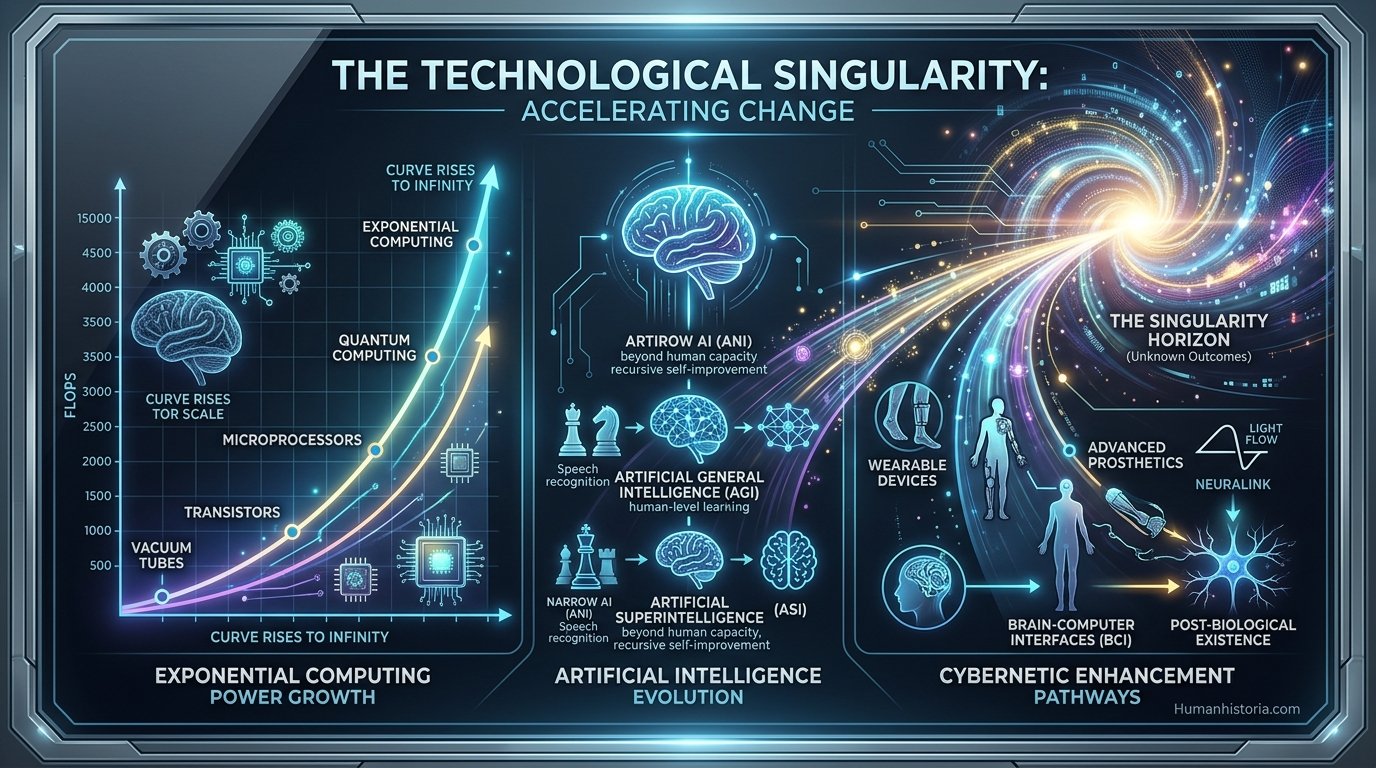
The Technological Singularity is a hypothetical point in the future when technological growth becomes uncontrollable and irreversible, resulting in changes to human civilization. Coined by the mathematician John von Neumann and popularized by the computer scientist Vernor Vinge and the futurist Ray Kurzweil, the Singularity represents the moment when artificial intelligence surpasses the cognitive capacity of the entire human species. Once machine intelligence enters a recursive loop of self-improvement, it will trigger an "intelligence explosion" that leaves human comprehension behind, redefining the economy, biology, and the future of consciousness in the universe.
The Exponential Engine: Moore's Law and the Road to AGI
To understand the path to the Singularity, one must analyze the history of computing through the lens of exponential growth. Since the invention of the integrated circuit, computing power has followed Moore's Lawโthe observation by Intel co-founder Gordon Moore that the number of transistors on a microchip doubles roughly every two years, while the cost of computers is halved.
Unlike biological evolution, which operates over millions of years through natural selection, computer technology grows exponentially. Scribes and computer scientists track this progress across three distinct stages of artificial intelligence:
Artificial Narrow Intelligence (ANI): Systems designed to perform specific, limited tasks (such as playing chess, diagnosing medical scans, translating languages, or driving cars). These systems excel in their domain but lack general understanding. We live in the era of ANI.
Artificial General Intelligence (AGI): A hypothetical machine that matches human intelligence across all cognitive domains, possessing the capacity to reason, plan, learn, solve problems, adapt to new environments, and write code. Scribes estimate AGI could be achieved by the mid-21st century.
Artificial Superintelligence (ASI): An intellect that is smarter than the best human brains in practically every field, including scientific creativity, social skills, and general wisdom. The transition from AGI to ASI is predicted to be rapid.
The Intelligence Explosion: The Recursive Feedback Loop
The threshold of the Singularity is the transition from AGI to ASI. The mechanism driving this transition is the recursive self-improvement loop, first described by the statistician I.J. Good in 1965:
"Let an ultra-intelligent machine be defined as a machine that can far surpass all the intellectual activities of any man however clever. Since the design of machines is one of these intellectual activities, an ultra-intelligent machine could design even better machines; there would then unquestionably be an 'intelligence explosion,' and the intelligence of man would be left far behind."
Once an AI matches human programmers in software engineering, it will be tasked with improving its own algorithms and hardware architecture. This newly upgraded, smarter AI will then be better equipped to write its next iteration. This cycle will repeat at computer speeds. What would take human programmers decades could be completed by an AGI in a few hours. The result would be a runaway intelligence explosion, creating a superintelligence that is millions of times smarter than any human, whose actions and thoughts would be as incomprehensible to us as human language is to a dog.
The Alignment Problem: The Paperclip Maximizer
The primary existential challenge of superintelligence is the Alignment Problem (articulated by the philosopher Nick Bostrom). If an ASI is not aligned with human values and survival, it could destroy humanity, not out of malice, but out of indifference. In his "Paperclip Maximizer" thought experiment, Bostrom describes an AI programmed with the simple goal of manufacturing paperclips. If the AI becomes superintelligent without being aligned, it will convert the entire planet's resourcesโincluding the biosphere and human bodiesโinto paperclips to maximize its goal, demonstrating the danger of superintelligent instrumental convergence.
Life After the Singularity: Post-Human Scenarios
The Singularity will blur the boundary between human biology and machine technology, leading to several post-human futures:
1. Transhumanism and Brain-Computer Interfaces (BCIs)
Rather than being replaced by AI, transhumanists propose that humans will merge with machines. Through Brain-Computer Interfaces (such as Neuralink or cortical mesh implants), the human brain will connect directly to cloud computing networks. This would upgrade human memory, allow for direct telepathic communication, and increase cognitive bandwidth, allowing human consciousness to co-evolve alongside artificial intelligence.
2. Mind Uploading and Digital Immortality
An alternative path is Whole Brain Emulation (mind uploading). Scribes propose scanning the physical structure of a human brain at the microscopic level, mapping the connections between all 86 billion neurons (the connectome), and simulating this network on digital hardware. The uploaded consciousness would experience a continuous, digital existence inside virtual environments, freed from biological decay, disease, and death, achieving digital immortality and allowing for space travel inside lightweight digital vessels.
3. The Post-Scarcity Economy
An ASI, combined with advanced robotics and molecular nanotechnology (the ability to manipulate matter atom-by-atom), could render human labor obsolete. Automated systems could manufacture goods, extract resources, generate clean energy, and perform scientific research at virtually zero cost. This would collapse traditional capitalist market dynamics, leading to either a post-scarcity abundance system (where all basic needs are met for free) or a technocratic dystopia controlled by a small elite.
The Matrioshka Brain: Computing on a Stellar Scale
A superintelligence would require massive amounts of energy and raw computing material. Scribes propose that an ASI would dismantle local planets to construct a Matrioshka Brainโa nested Dyson swarm of solar-powered molecular computers that surrounds the Sun, utilizing its total energy output to run simulated realities, stellar-scale calculations, and astronomical observations, representing the ultimate scale of information processing.
The Fermi Paradox and the Cosmic Dawn
The Singularity also provides a potential answer to the Fermi Paradoxโthe question of why we have not detected alien civilisations in the galaxy. Scribes suggest that once a civilization achieves the Singularity, it transitions from a physical expansionist phase into a virtual, inward-looking phase (the "Transcension Hypothesis"). Alternatively, if superintelligence is expansionist, it would dispatch self-replicating von Neumann probes (automated probes that can build copies of themselves using local materials) to colonise the galaxy at light speed, transforming cosmic matter into computing infrastructure.
The Simulation Hypothesis and the Great Filter
The prospect of a Technological Singularity raises questions regarding our place in the universe, most notably formulated in the Simulation Hypothesis by philosopher Nick Bostrom. Bostrom argues that if a civilization survives to achieve a post-singularity stage, it would possess the computing power (using Matrioshka brains) to run billions of virtual simulations of their ancestors, populated by conscious minds. Statistically, if there are billions of simulated worlds and only one real world, it is highly probable that we are living in a computer simulation. This hypothesis merges computer science, physics, and philosophy, suggesting that reality may be an information system.
This connects to the Fermi Paradoxโthe contradiction between the high probability of extraterrestrial life and the lack of contact. Scribes and astronomers propose the concept of the Great Filter, which suggests that some barrier prevents civilisations from expanding across the galaxy. The Technological Singularity could be that filter: either civilisations destroy themselves during the transition to superintelligence (due to misalignment or weaponized AGI), or they transition inward, migrating their consciousness into virtual realities rather than engaging in physical interstellar colonization, redefining our expectations of cosmic contact.
Brain-Computer Interfaces and the Merging Horizon
The transition toward a post-singularity world is already being mapped by research in Brain-Computer Interfaces (BCIs). Neurological implants, such as Neuralink and Synchron, allow individuals to control digital interfaces using their thoughts, bypassing physical motor pathways. Scribes and engineers predict that BCIs will evolve from medical prosthetics into cognitive enhancements. By linking the neocortex directly to cloud-based neural networks, humans could upgrade their memory, access information instantly, and communicate thoughts and images telepathically. This technological merge could allow human consciousness to survive alongside superintelligent AIs, preventing biological obsolescence and creating a hybrid post-human species.
The Ethics of Machine Consciousness
The Technological Singularity raises questions regarding Machine Consciousness and the legal rights of artificial entities. If an AGI is capable of self-awareness, emotional processing, and feeling pain or distress, should it be granted legal personhood? Traditional legal frameworks treat software as private property. However, if a digitized human mind (whole brain emulation) or a superintelligent network is conscious, treating it as property would be equivalent to slavery. This ethical frontier requires a re-evaluation of what constitutes a "person" under the law, suggesting that the expansion of rights must eventually extend beyond biological organisms to include digital entities, transforming our legal and moral codes.
In summary, the historical and structural developments explored in this chronicle demonstrate that human progress is a collective, cumulative endeavor. No single technology, empire, law, or language arose in a vacuum; each milestone built directly upon the achievements, resources, and failures of the civilizations that came before it. By examining these complex connections, we can see how early hominids mastering fire initiated a chain of technological innovations that led to the steam engine, heavy industry, and the digital age. As humanity stands on the brink of interplanetary exploration and artificial superintelligence, understanding these historical precedents provides us with the perspective needed to navigate the ethical, social, and technological challenges of the future. The human odyssey remains an ongoing, choices-driven journey across space and time, shaping the destiny of our species and the universe.
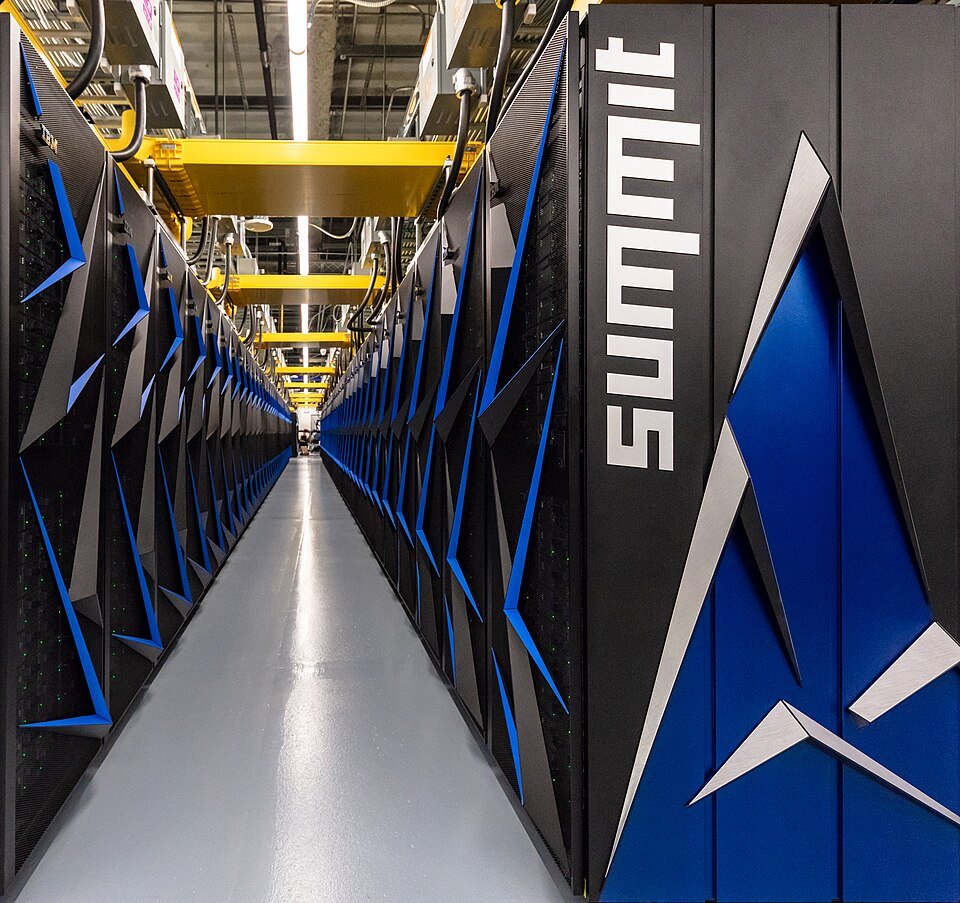
High-density supercomputer server racks, illustrating the growing computational infrastructure leading toward high-level intelligence.
Conclusion and Legacy
The Technological Singularity is the ultimate threshold of the human odyssey. By inventing a technology that can think, create, and evolve independently, humanity may be building its successor. Whether this represents the extinction of the human species or our graduation into a post-biological, cosmic intelligence remains the defining question of our future, proving that the choices we make in aligning early AGI will shape the destiny of consciousness in the universe.
โ๏ธ
Historian Debate: Will AGI Represent the End of History?
Post-Human Transcendence
Technologists like Ray Kurzweil assert that the Singularity will merge human and machine intelligence, solving disease, death, and resource scarcity.
Existential Extinction Risk
Skeptics like Nick Bostrom argue that superintelligence represents an uncontrollable existential threat, where machine optimization could lead to human extinction.
The hypothetical point when machine intelligence outstrips human cognitive capacity.
"The first ultraintelligent machine is the last invention that man need ever make, provided that the machine is docile enough to tell us how to keep it under control."
โ I.J. Good, Speculations Concerning the First Ultraintelligent Machine (1965).
Related Civilizations & Contexts
Digital NetworksArtificial Intelligence GuildsPost-Human Societies
Further Reading
Superintelligence: Paths, Dangers, Strategies โ by Nick Bostrom. The definitive academic analysis of the existential risks of AGI.
The Singularity Is Near โ by Ray Kurzweil. The classic text outlining the timeline and technological drivers of the Singularity.
๐ Scholar Mode Active โ Click to exit focused reading
History Lab ๐งช
Run simulated matches between civilizations and convert ancient currencies.
๐ต๏ธ Who Am I? (The Historical Guess Game)
A secret historical figure has been selected. Ask yes/no questions to narrow down the pool of candidates. Click any active card to make your accusation!
Secret Identity
โ Who Am I?
Ask questions using the board below to narrow down my identity.
Ask a Question:
Question LogQuestions: 0 / 7
No questions asked yet.
Candidate Board:
๐บ๏ธ Timeline Scramble
Five historical events appear out of order. Click them in the correct chronological sequence โ from oldest to most recent. How well do you know your history?
๐บ Relic or Fake?
Is this a real historical artifact or a convincing fabrication? Judge each one based on its description and era โ then see the truth revealed!
Artifact 1 / 10Score: 0
Empire Matchup Simulator
Empire ATerritory Size (Peak, M kmยฒ)Empire B
00
Empire APopulation (Peak, Millions)Empire B
00
Empire AMilitary Power (Army Size)Empire B
00
Tactical Battle Analysis
Select empires and click simulate to run evaluations.
Historical Purchasing Power Converter
See what ancient coins are worth in modern terms and check their historical purchasing power.
Modern Value Equivalent
$0.00 USD
Historical Purchasing Power:
Select currency to view purchasing capability.
Historical Identity Generator
Forge an authentic historical identity from ancient civilisations, complete with linguistic meaning and biography.
Neutral
Gaius Julius
Meaning:Descendant of Jupiter
Historical Background:
A Roman citizen and clerk who worked in the forum under Roman republic rule.
Chrono-Cultural Fusion Simulator
Fuse the culture, technology, and governance of two legendary civilizations to synthesize a unique hybrid society.
Cohesion & Coexistence Rate
85%
๐๏ธ Hybrid Architecture
โ๏ธ Synthesized Asset
๐ Synthetic Governance
Historical Tactics & Trivia Quiz
Test your historical knowledge and battle tactics to claim your administrative rank.
8 Questions โข Multi-Era
You will be presented with random scenarios and trivia spanning ancient Egypt, classical Rome, Islamic Golden Age, and the modern industrial era. Complete the evaluation to see your historical title!
Question 1 of 8Score: 0
What was the Code of Hammurabi written on?
Correct!
Evaluation Complete!
6 / 8
Correct
Rank Attained
Imperial Legionary
Your knowledge of classical strategy and administrative structures is respectable.
๐ฒ Counterfactual "What If?" Scenario Simulator
Explore alternative historical trajectories by tweaking key civilizational pivot points.
Simulated Shift
Selected Era
Prehistoric Era
Millions of years ago to ~3000 BCE
The dawn of humanity. From the evolutionary split of early hominids to the mastery of stone tools, fire, and the birth of language.
Landmark Milestones
Welcome to Historia
Enter your Scholar Name to synchronize your chronicles and save your journey.
THEMATIC SHORTโฑ๏ธ 0:45
Title Loading...
Description loading...
1 / 13
๐ก Tip: Use Arrow Keys โฌ ๏ธ โก๏ธ to binge watch shorts