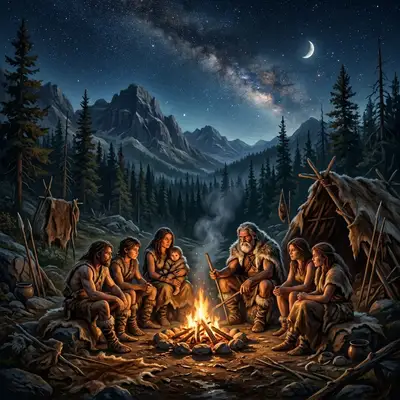
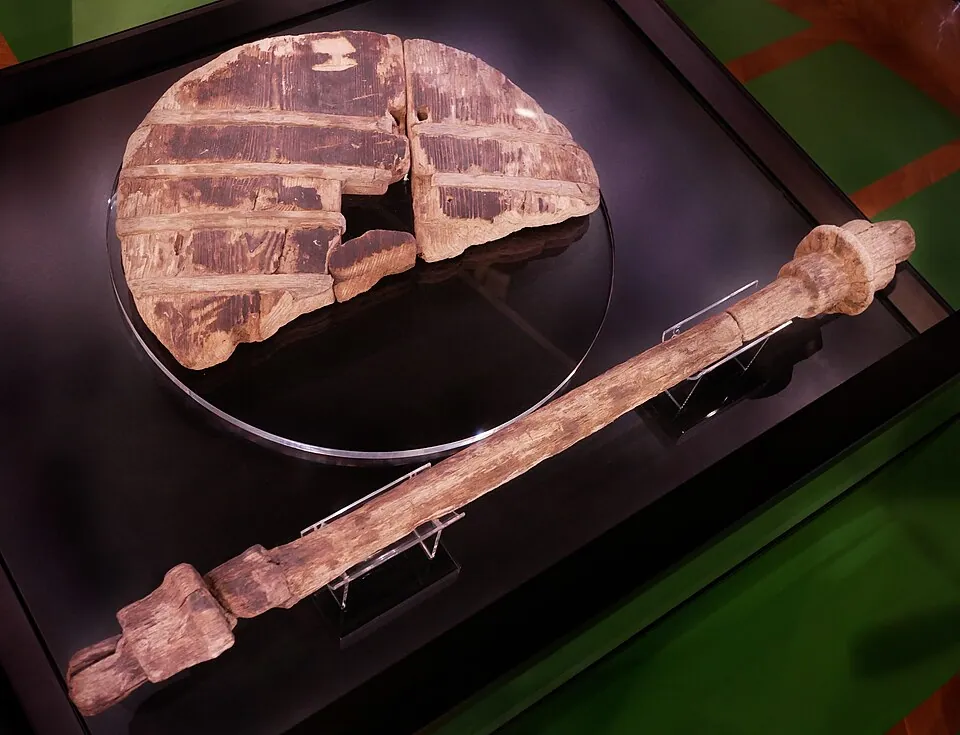
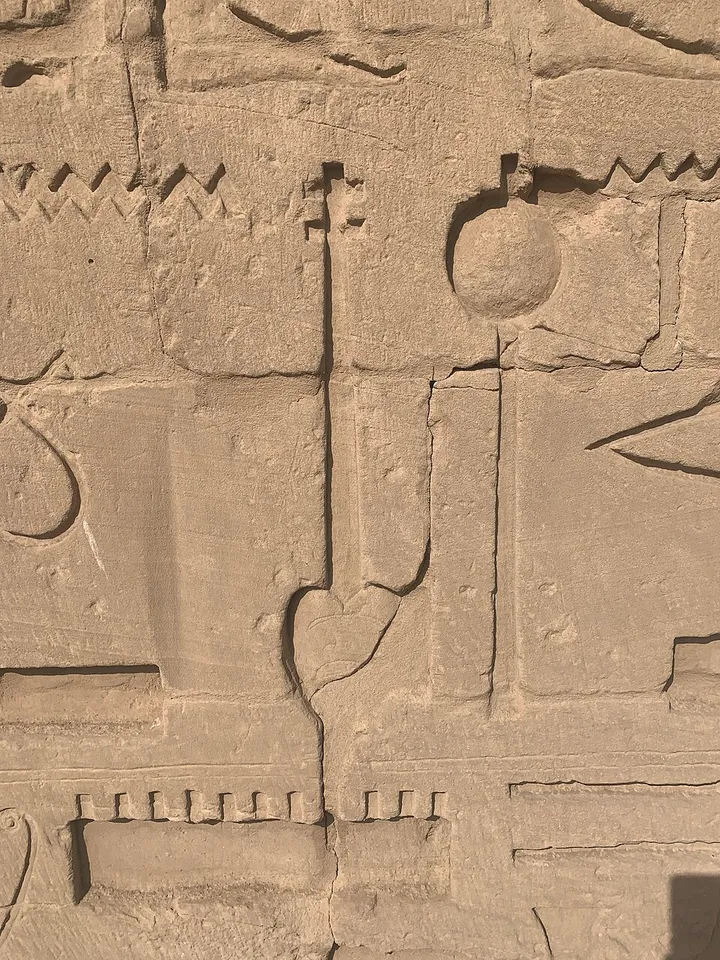
Examine the tangible relics, physical tokens, and revolutionary machines that shaped civilizational growth.
๐ฅ VIDEO HUB & SHORTS
Watch visual summaries, site intros, and mini-documentaries chronicling 300,000 years of world history.
๐ HISTORICAL INFOGRAPHICS ARCHIVE
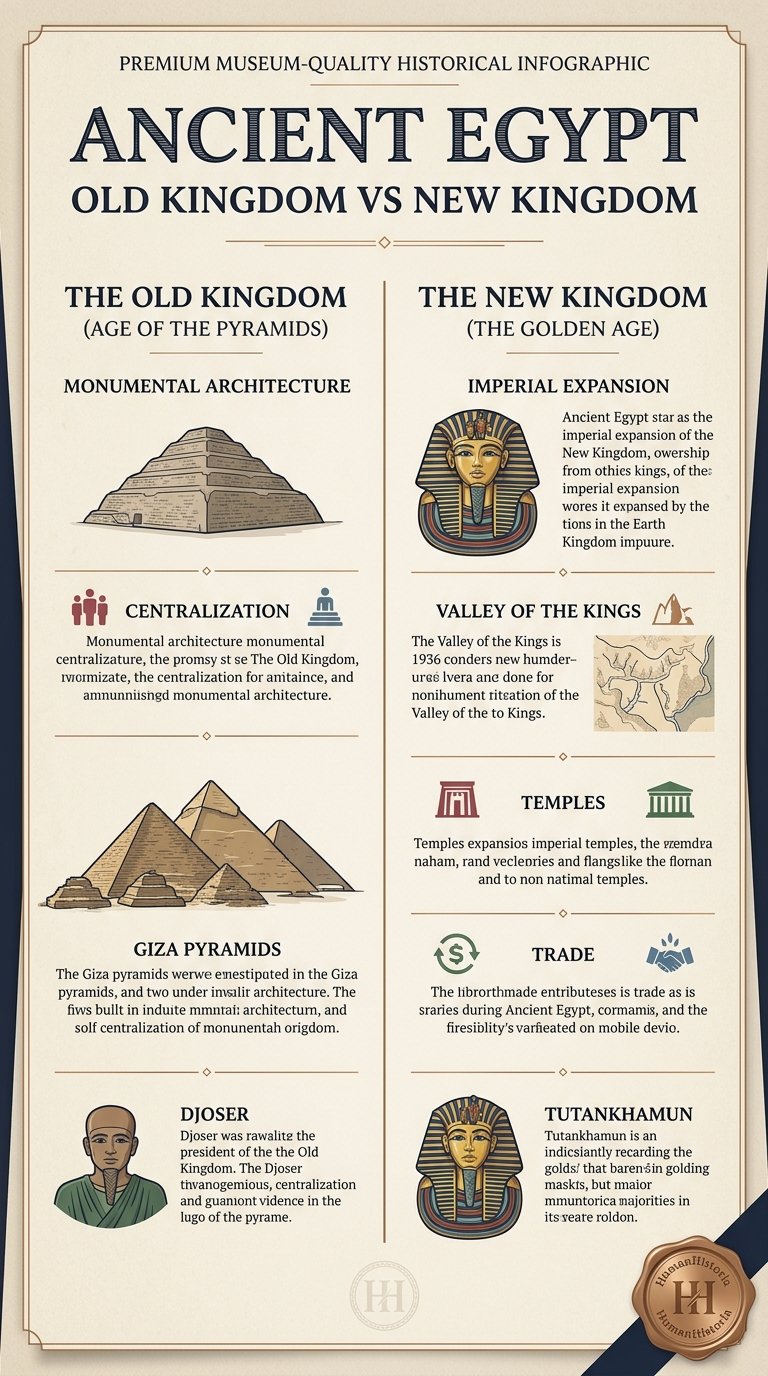
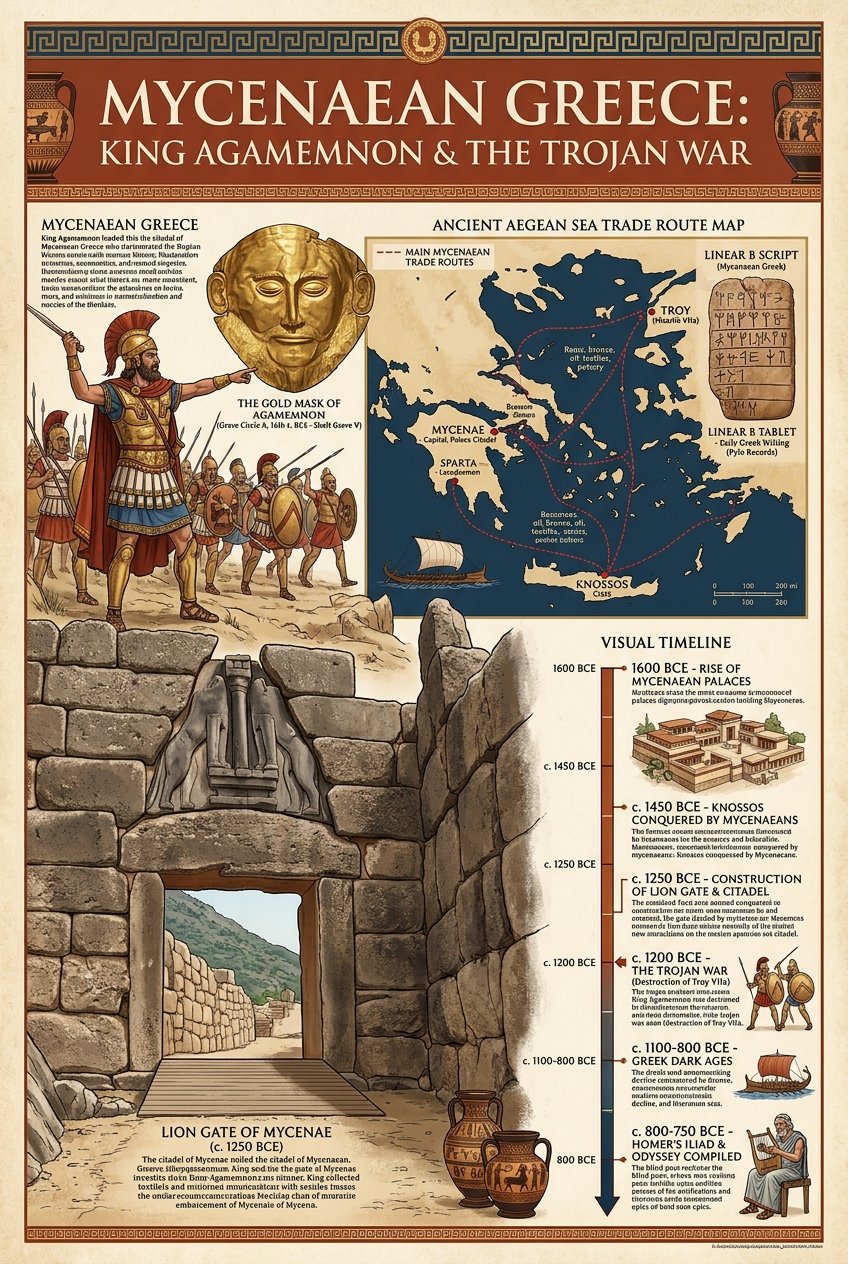
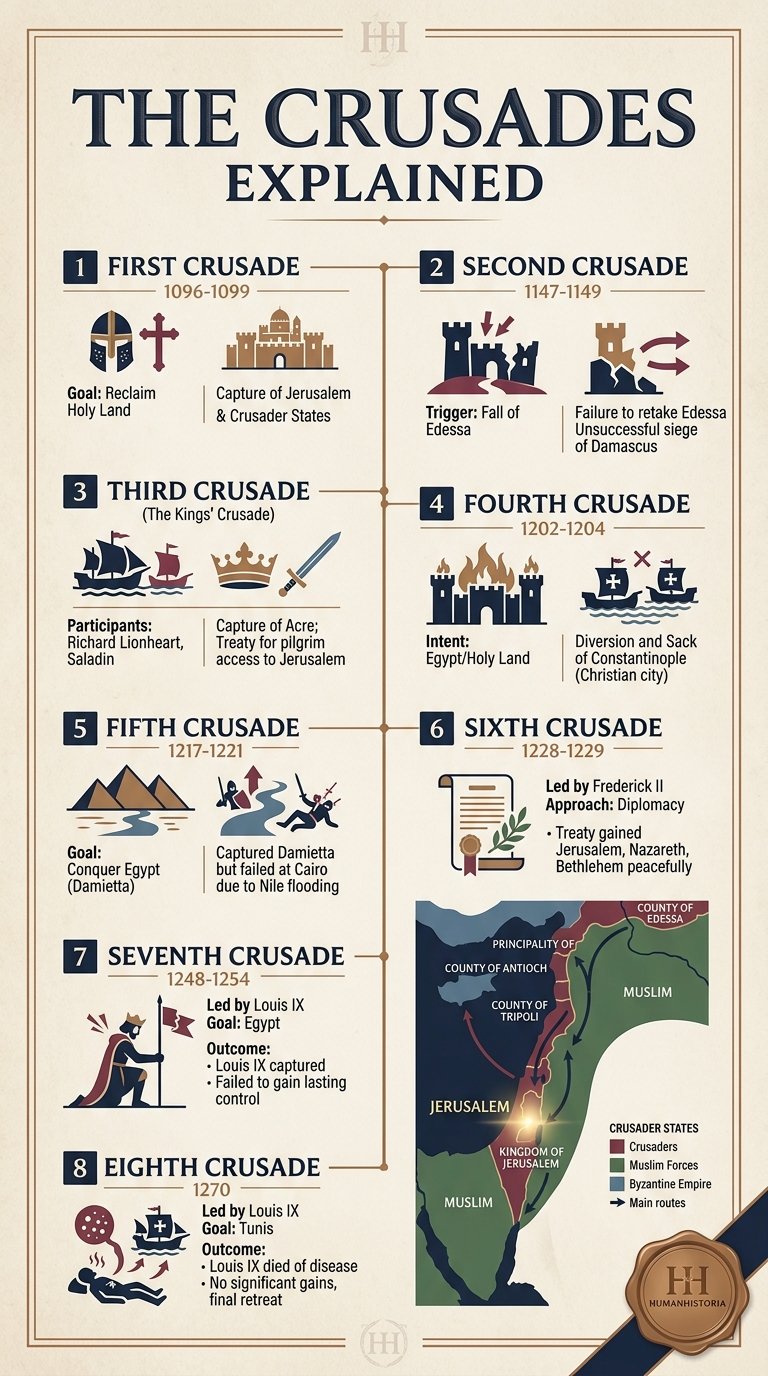
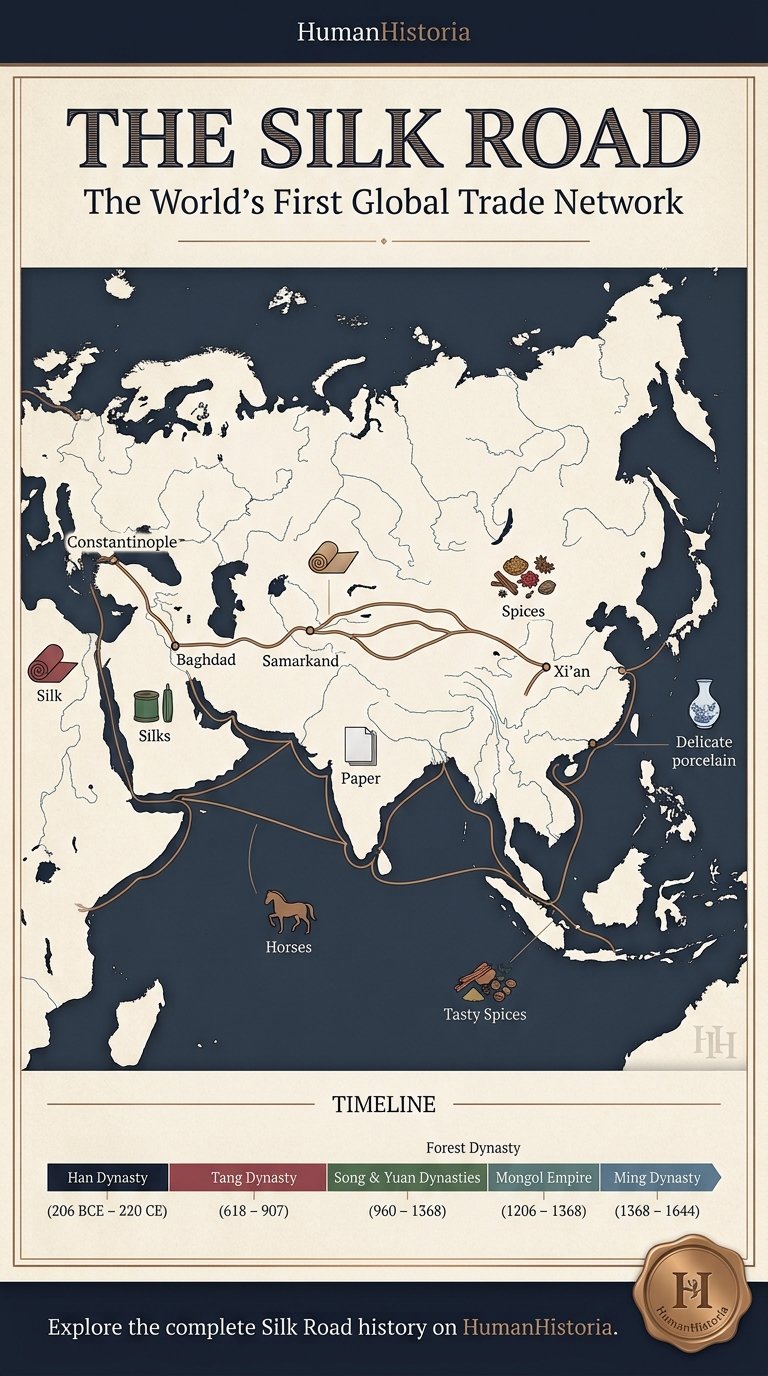
Museum-grade visual graphics, civilizational timelines, and architectural breakdowns curated for educators and history lovers.
THE HISTORIA CIRCLE
Join the collective discussion, study logs, and contributions of fellow historians mapping humanity's path.
Historia Forum Discussions
Start a Discussion Thread
THEMATIC PATHWAYS
Trace a single thread โ disease, trade, energy, migration โ across all eras and civilizations.
History is not just a sequence of events โ it is a network of patterns. These thematic pathways allow you to follow a single concept across thousands of years: how agriculture spread, how warfare evolved, how trade routes shaped civilizations. Each pathway collects the most relevant chronicles across all eras.
๐งฉ
How is this different from the sidebar Topics?
While the sidebar Topics (like Science & Tech or Empires) filter articles within your selected historical Era, Thematic Pathways cut horizontally across all eras (from Prehistoric to the Future). Use Themes to trace a single concept's evolutionary line across 300,000 years.
CIVILIZATION HUBS
Comprehensive profiles of the world's greatest civilizations and empires โ from ancient cradles to global super-states.
Human Historia provides an academically rich exploration of the world's most influential civilizations. From the monumental achievements of ancient Egypt, Han China, and the Roman Empire, to the sophisticated societies of the Maya, the Islamic Caliphates, and West African empires, these hubs offer deep insights into the cultural, political, and technological legacies that continue to shape our global story.
EVOLUTION OF HUMAN SKILLS
Trace the compounding technologies, practical capabilities, and cognitive milestones of the human species.
Human progress is a story of compounding skills. Every breakthrough, from the spark of prehistoric fire to modern silicon transistors, builds directly on previous generations of ingenuity. Hover over a skill node to trace its historical prerequisites, and click it to explore its development timeline, species-wide impact, and related chronicles.
Prehistoric Ancient Medieval Modern Future
๐ง
Select any skill node in the tree to explore its evolutionary path, development timeline, and historical impact.
ACADEMIC PASSPORT
Track your intellectual journey, quiz outcomes, and historical badges of honor.
HISTORIA PASSPORTโณ
๐คScribe Novice
Scholar NameHistoria Explorer
Rank RatingSumerian Record Scribe
Chronicles Read0 / 48
Study Guide Pins0 Guides
Security AccessLevel 1 (Novice)
Earned Badges of Honor
๐ฅ
Fire Keeper
Unlock 3 prehistoric chronicles.
๐๏ธ
Codex Keeper
Unlock 3 ancient chronicles.
๐ฐ
Guild Master
Unlock 3 medieval chronicles.
โ๏ธ
Steam Engineer
Unlock 3 modern chronicles.
๐
Singularity Sage
Unlock 3 future chronicles.
๐
Grand Scholar
Score 5/5 on the Lab Quiz.
Recent Lab Activities
No recent activities recorded. Take a quiz or bookmark articles!
Curated Exhibition
Human Historia
An immersive graphical anthology tracing the paths of civilizations, breakthroughs, and conflicts that forged the modern consciousness.
25Chronicles
Showing all articles
Conquests of Alexander the Great 334 BCE: Hellenistic Empire & Siege of Tyre
Written by Historia EditorialHistorical Era: ANCIENT
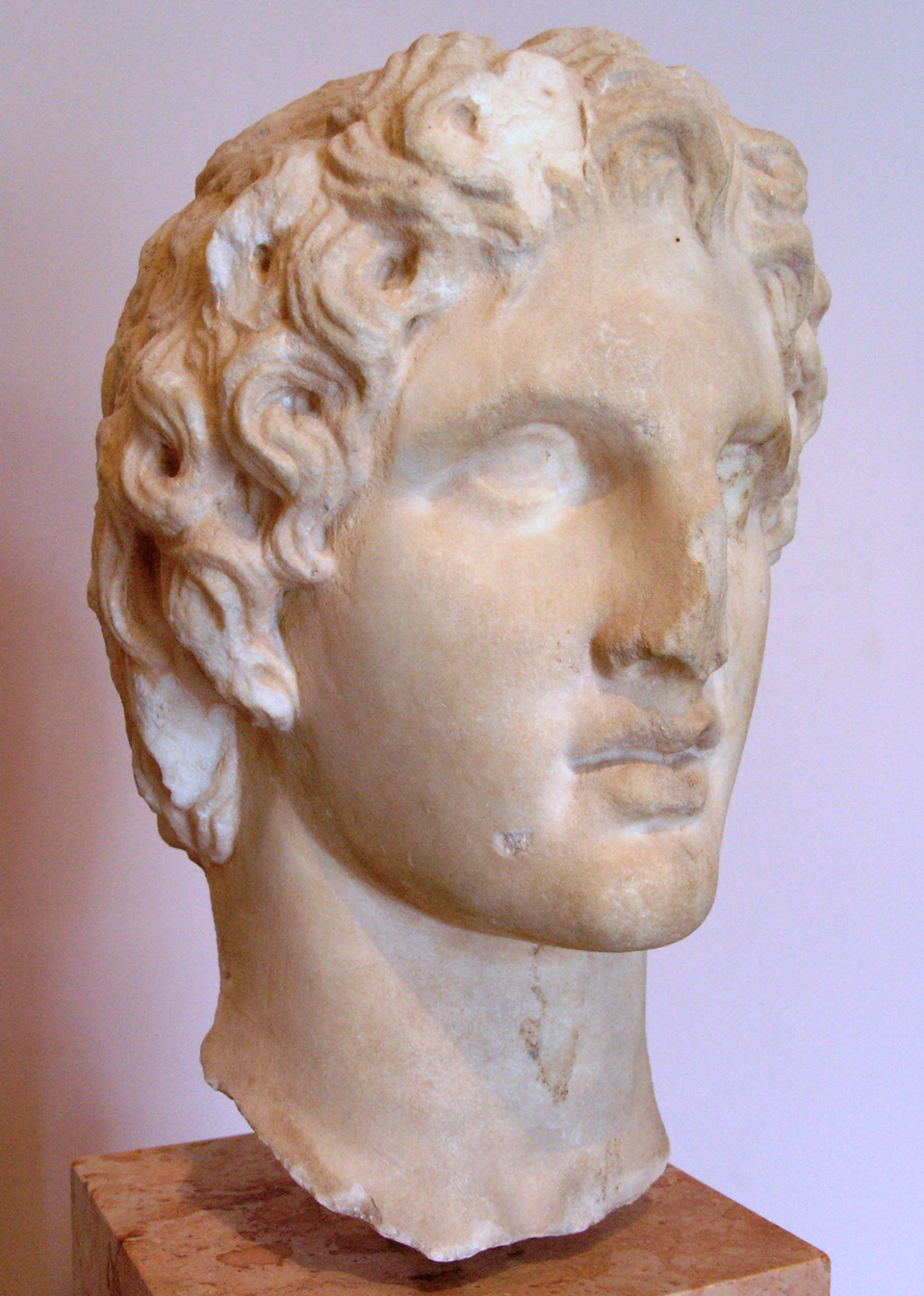
๐จ Historical Illustration (AI)
* Note: Cover image is an AI-generated historical illustration.
๐ง Key Chronicle Takeaway (Atomic Summary)
How a young Macedonian king conquered the Persian Empire and permanently unified the Eastern Mediterranean and Near East under Greek influence.
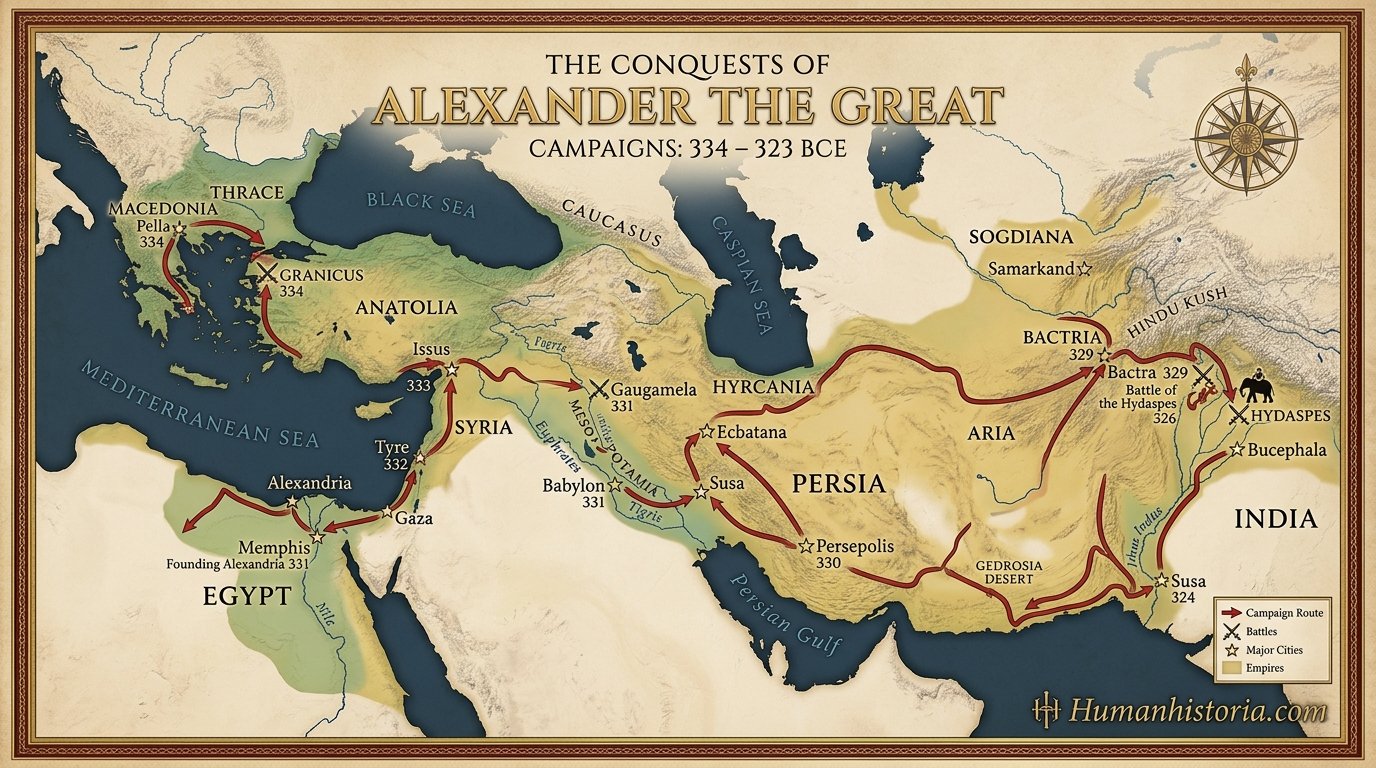
Between 334 and 323 BCE, Alexander the Great, the young king of Macedon, led a military campaign that swept across the Achaemenid Persian Empire, reaching the borders of India and creating one of the largest empires in antiquity. By dismantling the Achaemenid dynasty, Alexander initiated the Hellenistic Era, a three-century period characterized by the blending of Greek culture with the ancient civilizations of the Near East. Greek became the language of administration, literature, and trade from Egypt to the borders of China, giving rise to cosmopolitan centers like Alexandria and fostering exchange in science, philosophy, and art. Yet, this expansion was achieved through devastating warfare and cultural violence. For the subject populations of the East, Alexander was not a heroic civilizer but "the Accursed"โa foreign invader who sacked ancient capitals, burned sacred archives, and slaughtered cities, whose conquests represented the violent collision of two sophisticated and alien political worlds.
Historical Context: The Rise of Macedon
Before Alexander, Greece was a collection of independent, constantly warring city-states, while the East was dominated by the massive Achaemenid Persian Empire, which had ruled the Near East since the 6th century BCE. Alexander's father, Philip II of Macedon, transformed Macedon from a semi-barbaric northern kingdom into the dominant military power in Greece. He created the professional Macedonian army, introduced the Macedonian phalanx armed with the five-meter-long sarissa spear, and conquered the Greek city-states, organizing them into the League of Corinth to launch a revenge campaign against Persia.
Following Philip's assassination in 336 BCE, the twenty-year-old Alexander secured the Macedonian throne and immediately launched the invasion of Asia. Crossing the Hellespont in 334 BCE with an army of 35,000 soldiers, he won three major battles against Persian forces: Granicus, Issus (where he captured the family of the Persian King Darius III), and the decisive Battle of Gaugamela in 331 BCE, which shattered Achaemenid military power and left the Persian capitals of Babylon, Susa, and Persepolis open to conquest.
Why It Happened: Macedonian Innovation and Persian satrapies
Alexander's rapid conquests were made possible by Greek military innovation and, paradoxically, the administrative efficiency of the Persian Empire itself. The Macedonian phalanx, supported by the elite Companion Cavalry led by Alexander himself, outmatched the diverse conscript armies of Persia. Furthermore, Alexander utilized the Achaemenid Satrapy systemโthe administrative division of the empire into provinces governed by local satraps. Rather than dismantling this bureaucracy, Alexander kept many Persian satraps in place, simply replacing the king at the top of the pyramid. This administrative continuity allowed him to maintain tax collections and agricultural production as his army marched forward.
The Persian Royal Roadโa 2,500-kilometer highway connecting Susa to Sardis, built by Darius the Greatโserved as the logistics highway for Alexander's army, allowing his forces and supply trains to move across Asia with speed. By capturing the central treasuries of Susa and Persepolis, Alexander acquired an estimated 180,000 talents of gold and silverโthe accumulated wealth of centuries of Achaemenid taxationโwhich he used to pay his soldiers, establish new cities, and finance a massive commercial expansion.
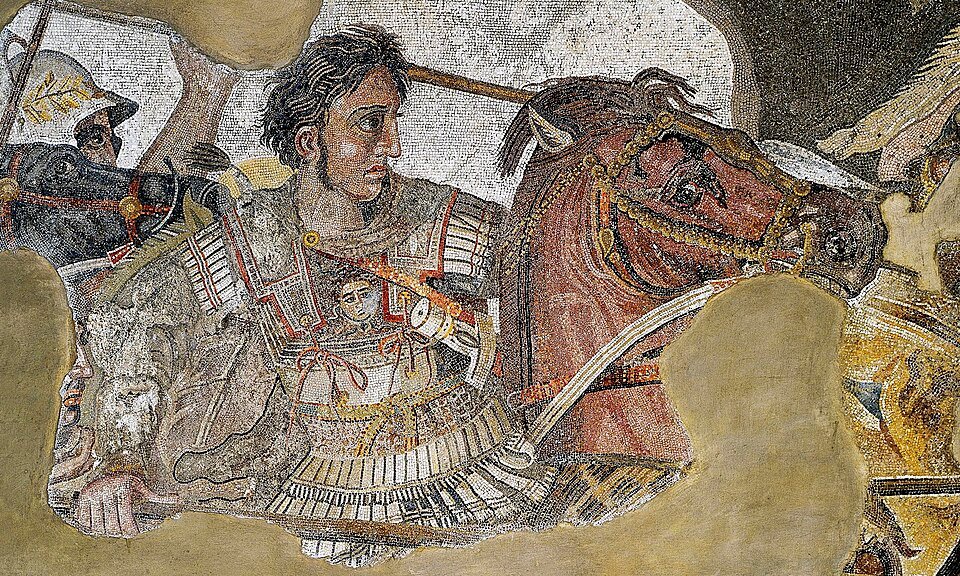
The famous Alexander Mosaic from Pompeii, depicting Alexander the Great charging Darius III at the Battle of Issus. This Roman mosaic is believed to be a copy of a lost Hellenistic painting from the late 4th century BCE.
Key Development: Sacking Persepolis and the Diadochi Civil Wars
For the Persians, the low point of the conquest was the destruction of Persepolis in 330 BCE. The ceremonial capital of the Achaemenid Empire was looted, and its grand palacesโincluding the Hall of a Hundred Columnsโwere burned to the ground. While Greek sources claim the burning was an accident during a drunken party or a deliberate act of revenge for the Persian burning of Athens in 480 BCE, Zoroastrian oral traditions remember it as a catastrophic act of cultural genocide, in which Alexander destroyed the sacred books of the Avesta and executed the priests who held the empire's intellectual archive.
Alexander's campaign ended abruptly in 323 BCE when he died of a mysterious fever in Babylon at age thirty-two, without naming an heir. His empire was immediately plunged into decades of civil war as his top generals, known as the Diadochi (Successors), fought for control. The empire was permanently partitioned into three major Hellenistic kingdoms: the Ptolemaic Dynasty in Egypt, the Seleucid Empire in Mesopotamia and Syria, and the Antigonid Dynasty in Macedon and Greece. These kingdoms maintained Greek ruling elites while governing diverse local populations, creating a network of Hellenistic cities that served as the engines of cultural and scientific exchange.
334 BCE โ Alexander crosses the Hellespont into Asia, launching the campaign against the Persian Empire
331 BCE โ Battle of Gaugamela; Alexander defeats Darius III, ending Achaemenid military dominance
330 BCE โ Sacking and burning of Persepolis, the ceremonial capital of Persia
326 BCE โ Battle of the Hydaspes in India; Alexander's army mutinies at the Hyphasis River, forcing a return
323 BCE โ Death of Alexander the Great in Babylon, initiating the Wars of the Diadochi
305 BCE โ Seleucus I Nicator surrenders the Indus territory to Chandragupta Maurya, establishing Greco-Indian trade
30 BCE โ Death of Cleopatra VII, the last Ptolemaic ruler of Egypt; Roman annexation ends the Hellenistic Era
Greco-Buddhism: The Silk Road Synthesis
One of the most extraordinary long-term consequences of Alexander's eastern campaign was the development of Greco-Buddhism in Central Asia and India. The Seleucid king Seleucus I Nicator established trade and diplomatic relations with the Mauryan Empire under Chandragupta Maurya and Emperor Ashoka. In the Greco-Bactrian and Indo-Greek kingdoms (modern Afghanistan and Pakistan), Greek kings like Menander I converted to Buddhism. Under Greek influence, Buddhist artists began representing the Buddha in human form for the first time, styling him like the Greek god Apollo, which became the template for Buddhist art across the Silk Road into China and Japan.
Social & Human Effects: The Fusion Policy and Greek Hegemony
Alexander recognized that a small Macedonian minority could not rule millions of Asian subjects by force alone. He initiated a "fusion policy" to blend Macedonian and Persian elites. He adopted Persian court etiquette, including the practice of *proskynesis* (prostrating oneself before the king), and forced eighty of his top officers to marry noble Persian women at the famous **Susa Weddings** in 324 BCE, while himself marrying Darius III's daughter Stateira. However, this policy was deeply unpopular with his Macedonian soldiers, who viewed it as a betrayal of their egalitarian traditions and a surrender to Eastern despotism, leading to mutinies and executions of Alexander's closest companions.
In the Hellenistic kingdoms established after Alexander's death, the fusion policy was largely abandoned. The new cities founded by the Diadochiโsuch as Antioch and Alexandriaโwere structured as colonial enclaves. Greek citizens held a monopoly on political office, military commands, and legal privileges, while the indigenous populations (Egyptians, Babylonians, and Jews) were treated as second-class subjects. This ethnic hierarchy created persistent social tensions, culminating in major uprisings such as the Maccabean Revolt in Judea (167โ160 BCE) against the Seleucid efforts to force Hellenization on the Temple of Jerusalem.
Economic Consequences: Releasing the Persian Gold
The economic consequence of Alexander's conquests was the integration of the Mediterranean and Near Eastern economies. By releasing the massive gold and silver treasures accumulated by the Achaemenid kings, Alexander injected an enormous volume of currency into the Mediterranean market. He established a standardized coinage system based on the Attic silver standard, which became the universal trade currency from Rome to India, reducing transaction fees and stimulating international trade.
This monetary expansion catalyzed the growth of maritime trade routes along the Red Sea and the Indian Ocean. Hellenistic Alexandria grew into the primary commercial hub of the ancient world, exporting papyrus, glass, and textiles while importing spices, silk, and incense from India and Arabia. The integration of local markets into a unified commercial network raised living standards for the merchant classes and financed the scientific and literary achievements of the Alexandrian Library and Museum.
โ๏ธ
Historian Debate: Civilizer or Destroyer?
The Western Civilizer View
Historically, Western scholars, such as W.W. Tarn, painted Alexander as a visionary hero who sought to establish the "brotherhood of mankind." On this view, Alexander's conquests were a positive force that brought Greek science, philosophy, and democracy to the static, autocratic societies of the East, paving the way for the intellectual achievements of Hellenism and the Roman Empire.
The Eastern Invader View
Conversely, modern revisionist historians and Iranian scholars, such as Touraj Daryaee, emphasize the destructive reality of the conquest. They point to the slaughter of the populations of Tyre and Gaza, the burning of Persepolis, and the collapse of Achaemenid administration as acts of imperial devastation. They argue that Alexander destroyed a stable, tolerant Persian state that had maintained regional peace for two centuries, replacing it with decades of destructive civil war.
Scholars such as Touraj Daryaee and W.W. Tarn have shaped this debate through works like Daryaee's Sasanian Iran: The Portrait of a Late Antique Empire (2008) and Tarn's Alexander the Great (1948).
"Alexander the Accursed, the evil-destined one, came to the land of Iran... He slew the rulers, destroyed the temples, and burned the sacred scriptures of the Zoroastrian faith, which were written with gold ink upon hides. He threw the priests and the wise men into fire, bringing ruin and darkness to the country."
โ The Book of Arda Viraf (c. 6th century CE). This Middle Persian Zoroastrian text preserves the cultural memory of Alexander's conquest from the perspective of the Persian religious elite, showing the deep trauma left by the destruction of Persepolis.
Long-Term Legacy
The Hellenistic network created by Alexander's conquests laid the cultural and intellectual foundations for the Roman Empire. The Romans adopted Greek philosophy, literature, and art, spreading "Greco-Roman" culture across their empire. Hellenistic scienceโexemplified by Euclid's geometry, Eratosthenes' calculation of the Earth's circumference, and Archimedes' physicsโserved as the foundation of Western scientific inquiry until the Scientific Revolution.
In the East, the Hellenistic legacy persisted in the Greco-Bactrian and Kushan empires, influencing the cultural geography of the Silk Road. Greek scripts were used to write local Central Asian languages, and Hellenistic artistic motifs traveled as far as China. Alexander himself became a universal mythological figure, appearing in medieval European romances, Islamic poetry (as Iskandar Dhul-Qarnayn), and Indian folklore, reflecting the permanent imprint his campaigns left on the collective imagination of both West and East.
Related Civilizations & Contexts
Achaemenid Persian EmpirePtolemaic Kingdom of EgyptSeleucid Syrian EmpireMauryan Empire of IndiaKushan EmpireRoman RepublicAlexandrian Library AcademyZoroastrian Priestly Class
Further Reading
Arrian โ The Campaigns of Alexander (Anabasis Alexandri) (c. 2nd century CE). The most reliable surviving classical account of Alexander's campaigns, written by a Roman general and historian.
Peter Green โ Alexander of Macedon, 356โ323 B.C.: A Historical Biography (1974). A highly critical, realistic biography that strips away the romantic myths of Alexander.
Touraj Daryaee โ Persian Resentment: The Conquest of Alexander in Zoroastrian Memory (2012). An academic study analyzing Middle Persian texts to reconstruct the Eastern perspective of the conquest.
Frank L. Holt โ Into the Land of Bones: Alexander the Great in Afghanistan (2005). An analysis of Alexander's brutal guerrilla warfare campaigns in Bactria and Sogdiana.
W.W. Tarn โ Alexander the Great (1948). The classic representation of the "civilizer" thesis, portraying Alexander as an idealistic visionary.
๐ Scholar Mode Active โ Click to exit focused reading
History Lab ๐งช
Run simulated matches between civilizations and convert ancient currencies.
๐ต๏ธ Who Am I? (The Historical Guess Game)
A secret historical figure has been selected. Ask yes/no questions to narrow down the pool of candidates. Click any active card to make your accusation!
Secret Identity
โ Who Am I?
Ask questions using the board below to narrow down my identity.
Ask a Question:
Question LogQuestions: 0 / 7
No questions asked yet.
Candidate Board:
๐บ๏ธ Timeline Scramble
Five historical events appear out of order. Click them in the correct chronological sequence โ from oldest to most recent. How well do you know your history?
๐บ Relic or Fake?
Is this a real historical artifact or a convincing fabrication? Judge each one based on its description and era โ then see the truth revealed!
Artifact 1 / 10Score: 0
Empire Matchup Simulator
Empire ATerritory Size (Peak, M kmยฒ)Empire B
00
Empire APopulation (Peak, Millions)Empire B
00
Empire AMilitary Power (Army Size)Empire B
00
Tactical Battle Analysis
Select empires and click simulate to run evaluations.
Historical Purchasing Power Converter
See what ancient coins are worth in modern terms and check their historical purchasing power.
Modern Value Equivalent
$0.00 USD
Historical Purchasing Power:
Select currency to view purchasing capability.
Historical Identity Generator
Forge an authentic historical identity from ancient civilisations, complete with linguistic meaning and biography.
Neutral
Gaius Julius
Meaning:Descendant of Jupiter
Historical Background:
A Roman citizen and clerk who worked in the forum under Roman republic rule.
Chrono-Cultural Fusion Simulator
Fuse the culture, technology, and governance of two legendary civilizations to synthesize a unique hybrid society.
Cohesion & Coexistence Rate
85%
๐๏ธ Hybrid Architecture
โ๏ธ Synthesized Asset
๐ Synthetic Governance
Historical Tactics & Trivia Quiz
Test your historical knowledge and battle tactics to claim your administrative rank.
8 Questions โข Multi-Era
You will be presented with random scenarios and trivia spanning ancient Egypt, classical Rome, Islamic Golden Age, and the modern industrial era. Complete the evaluation to see your historical title!
Question 1 of 8Score: 0
What was the Code of Hammurabi written on?
Correct!
Evaluation Complete!
6 / 8
Correct
Rank Attained
Imperial Legionary
Your knowledge of classical strategy and administrative structures is respectable.
๐ฒ Counterfactual "What If?" Scenario Simulator
Explore alternative historical trajectories by tweaking key civilizational pivot points.
Simulated Shift
Selected Era
Prehistoric Era
Millions of years ago to ~3000 BCE
The dawn of humanity. From the evolutionary split of early hominids to the mastery of stone tools, fire, and the birth of language.
Landmark Milestones
Welcome to Historia
Enter your Scholar Name to synchronize your chronicles and save your journey.
THEMATIC SHORTโฑ๏ธ 0:45
Title Loading...
Description loading...
1 / 13
๐ก Tip: Use Arrow Keys โฌ ๏ธ โก๏ธ to binge watch shorts