>
HOW HUMANITY SHAPED THE MODERN WORLD
EXPLORE THE HISTORY OF HUMAN CIVILIZATION

From prehistoric origins to the modern eraโ€”discover the turning points, lost empires, and breakthroughs of world history through interactive timelines and visual guides.
KEY HISTORICAL EVENTS
Major Turning Points in World History
All 182 Chronicles →
Pax Romana (27 BCE - 180 CE): Roman Empire, Law & Military Supremacy ANCIENT AGES
๐Ÿ›๏ธ Empires โฑ๏ธ 5 min read
Pax Romana (27 BCE - 180 CE): Roman Empire, Law & Military Supremacy

Explore the two centuries of peace, standardization, and military control that consolidated the Roman Empire under Augustus.

Read Chronicle →
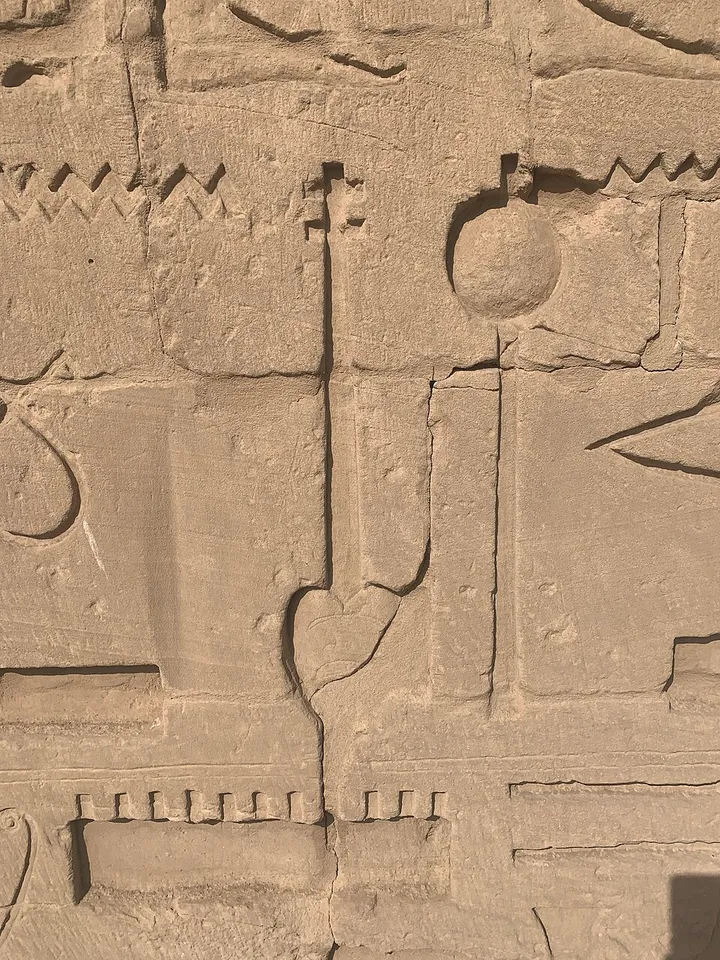
Egyptian Hieroglyphs: Decipherment, Scribes & Sacred Carvings ANCIENT AGES
๐Ÿ›๏ธ Languages โฑ๏ธ 9 min read
Egyptian Hieroglyphs: Decipherment, Scribes & Sacred Carvings

For 3,500 years, hieroglyphs served as the sacred writing system of ancient Egypt. Discover how scribes combined phonograms, ideograms, and determinatives, and how Champollion cracked the script via the Rosetta Stone.

Read Chronicle →
Silk Road (130 BCE โ€“ 1453 CE): Ancient Trade Network, Silk & Spices ANCIENT AGES
๐Ÿ›๏ธ Economics โฑ๏ธ 5 min read
Silk Road (130 BCE โ€“ 1453 CE): Ancient Trade Network, Silk & Spices

Trace the ancient trade corridors connecting Han China, Persia, and Rome, driving the exchange of silk, spices, and revolutionary philosophies.

Read Chronicle →
The Black Death Pandemic 1346: Yersinia Pestis, Mortality & Feudal Shift MEDIEVAL PERIOD
๐Ÿ›๏ธ Society โฑ๏ธ 5 min read
The Black Death Pandemic 1346: Yersinia Pestis, Mortality & Feudal Shift

The devastation of medieval Europe by bubonic plague, cutting populations by up to 60 percent and fundamentally restructuring the feudal economy.

Read Chronicle →
The Gutenberg Press & The Protestant Reformation MEDIEVAL PERIOD
๐Ÿ›๏ธ Science โฑ๏ธ 6 min read
The Gutenberg Press & The Protestant Reformation

Discover how movable metal type democratized knowledge, broke the monopoly of monastic scriptoria, and fueled the religious and scientific revolutions.

Read Chronicle →
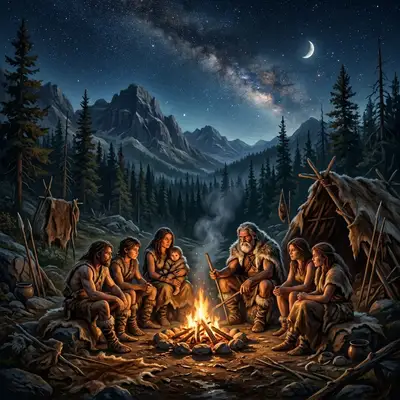
Neolithic Agricultural Revolution 10,000 BCE: Fertile Crescent Farming PREHISTORIC ERA
๐Ÿ›๏ธ Science โฑ๏ธ 5 min read
Neolithic Agricultural Revolution 10,000 BCE: Fertile Crescent Farming

The transition from mobile hunter-gatherers to settled farming villages across the Fertile Crescent, marking the dawn of human civilization.

Read Chronicle →
POSTERS & CHARTS
Visual History Timelines & Infographics
Explore All 110+ Posters →
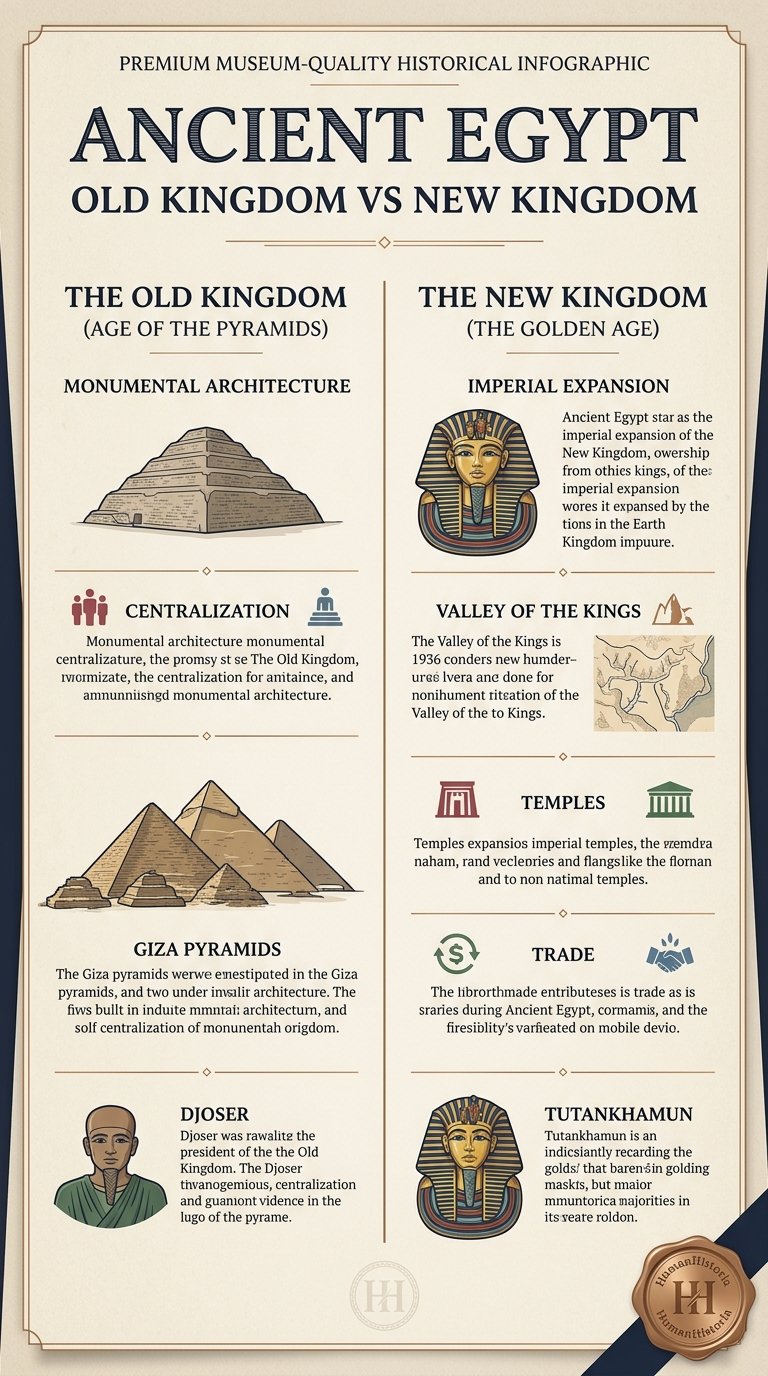
Ancient Egypt: Old Kingdom vs. New Kingdom
๐Ÿ” Tap to Zoom
Ancient Egypt: Old Kingdom vs. New Kingdom
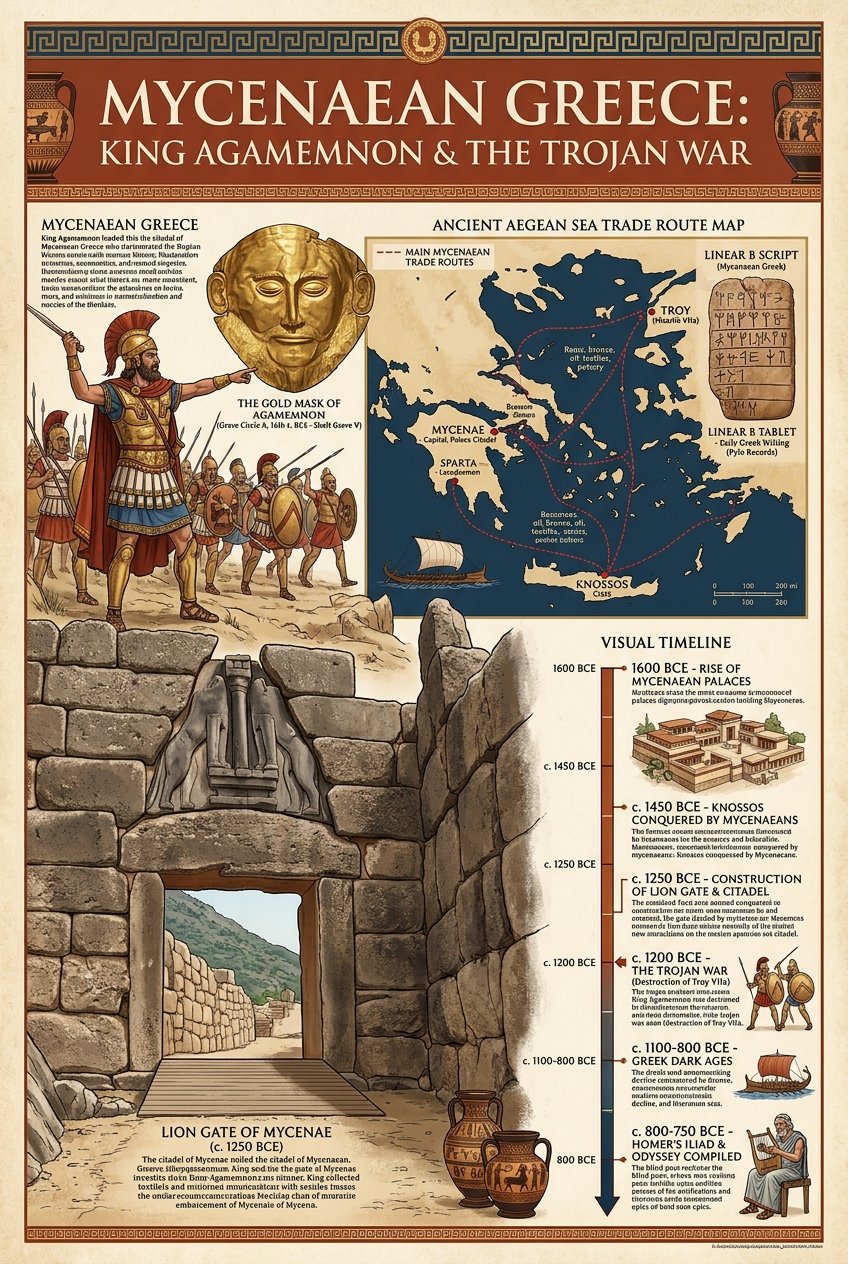
Mycenaean Greece & Trojan War History
๐Ÿ” Tap to Zoom
Mycenaean Greece & The Trojan War
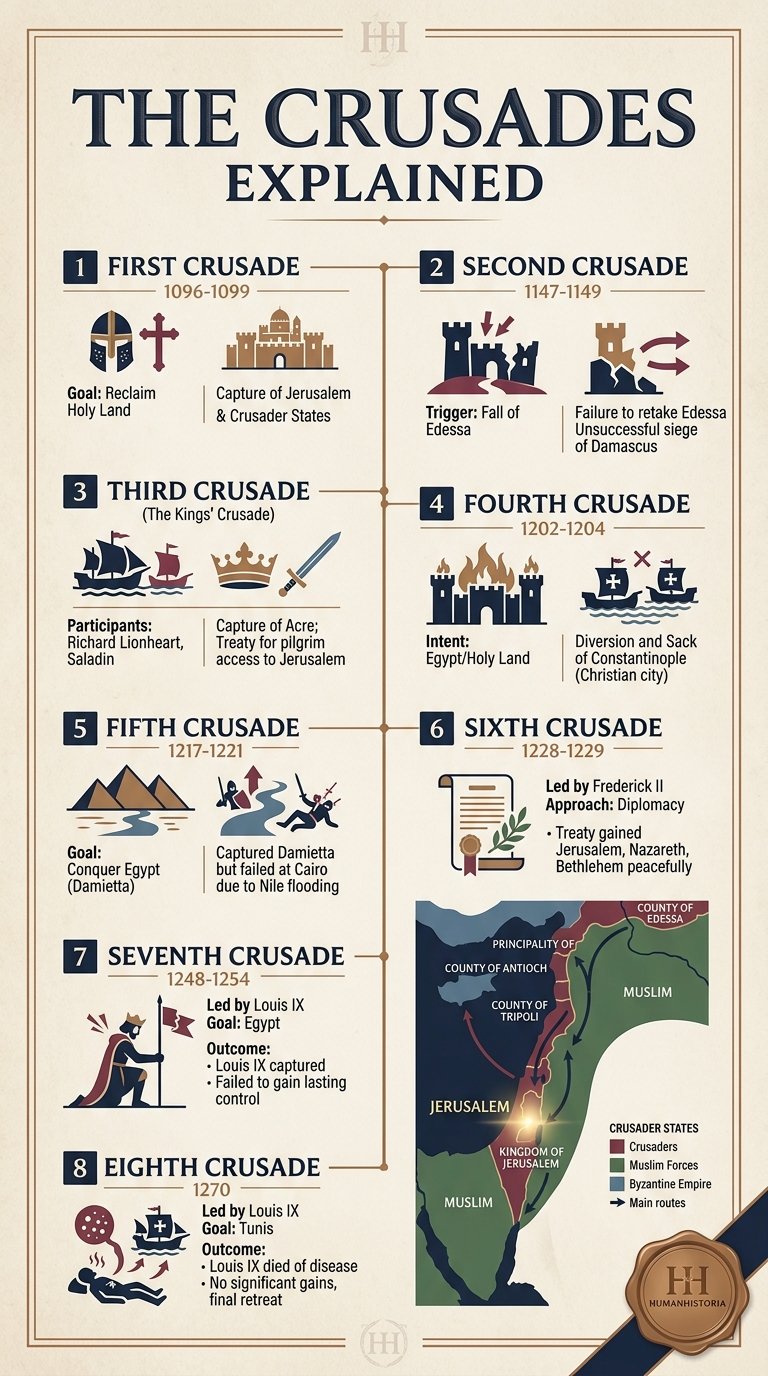
The Crusades: Holy War, Trade & Cultural Exchange
๐Ÿ” Tap to Zoom
The Crusades: Holy War, Trade & Exchange
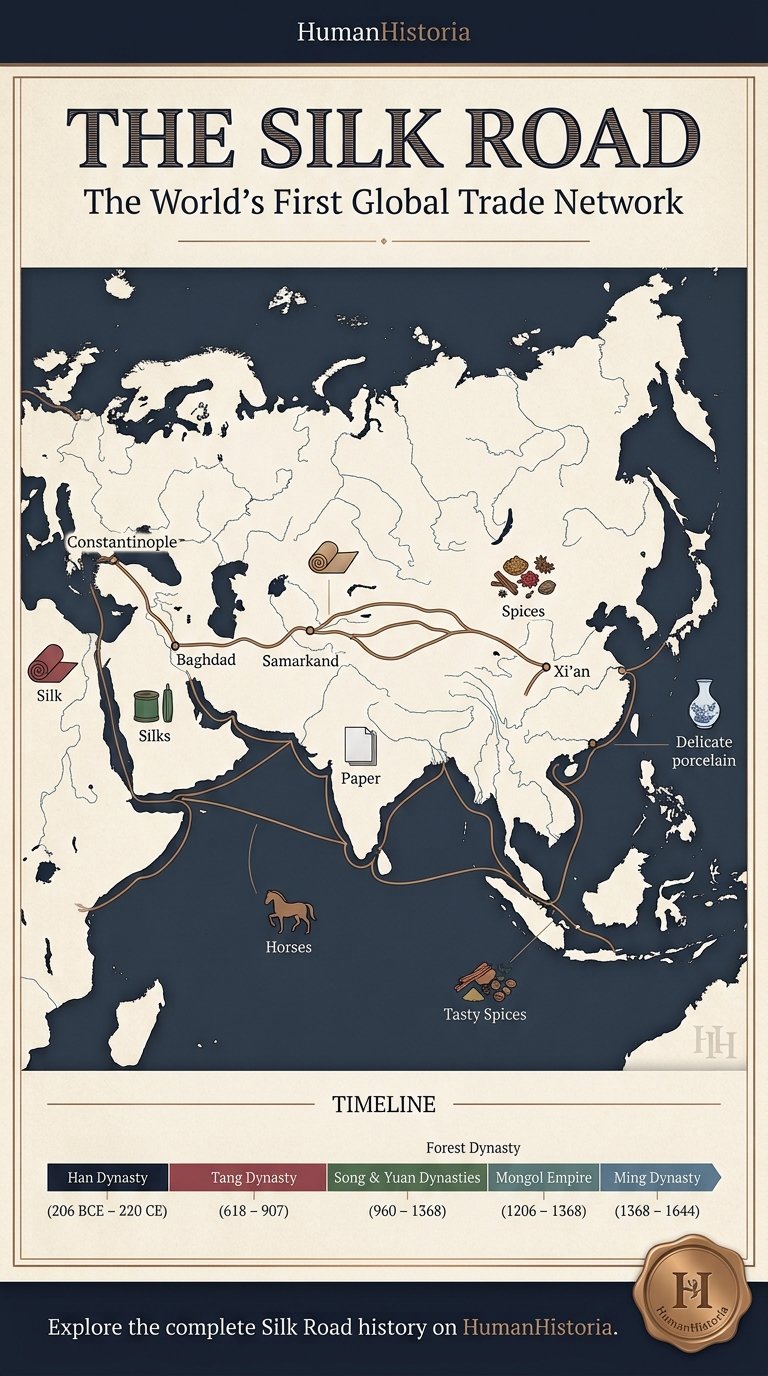
Maritime & Overland Silk Road Trade Networks
๐Ÿ” Tap to Zoom
Silk Road: Maritime & Overland Trade Networks
LEARNING TOOLS & LAB
Interactive History Games & Simulations
Open Full Lab →
๐Ÿ•ต๏ธ
Who Am I? (Historical Guessing Game)

A secret historical figure has been chosen. Ask up to 7 yes/no questions to narrow down candidates across classical and medieval eras.

Play Game →
๐Ÿ—บ๏ธ
Timeline Scramble

Five historical events appear out of order. Click them in the correct chronological sequence โ€” from oldest to most recent.

Test Chronology →
โš–๏ธ
Empire Matchup Simulator

Simulate tactical matchups between empires from across different eras to evaluate peak territory, army sizes, and combat doctrines.

Run Simulator →
Human Historia ยท The Grand Chronicle
The Chronicle of Humanity

300,000 years. 5 eras. Countless turning points that shaped every moment of your world.

๐Ÿฆด
Prehistoric Era
c. 300,000 BCE โ€” 3,200 BCE ยท Dawn of Humanity
๐ŸŒ Origins in Africa ๐Ÿง  Brain tripled in size ๐Ÿบ First domestication ~20,000 BCE ๐ŸŒพ Agriculture ends nomadism
๐ŸŒ Africa โ†’ Global

Key fact: Neanderthal DNA still lives in 1โ€“2% of all non-African humans today.

Related: Animal Domestication, Cave Art

๐Ÿ”ฅ Africa

Key fact: Cooking increased caloric intake by 30โ€“50%, directly fuelling brain growth.

Related: Stone Tools, Migration

๐ŸŒพ Fertile Crescent

Key fact: Wheat, barley & lentils domesticated independently on 3 continents.

Related: Gรถbekli Tepe, Cuneiform

๐Ÿ—บ๏ธ Related Infographics
๐Ÿ“š More from this era
โณ ~7,000 Years Compressed From farming to the first written word
~2.3% of recorded human history
๐Ÿ›๏ธ
Ancient Ages
c. 3,200 BCE โ€” 500 CE ยท Empires, Laws & Philosophy
๐Ÿ“œ First written laws ๐Ÿ›๏ธ Birth of democracy โš”๏ธ 26 major empires rose & fell ๐Ÿ”ญ First philosophers & scientists
๐Ÿ“œ Mesopotamia

Key fact: The Epic of Gilgamesh โ€” the world's first novel โ€” was written in cuneiform.

Related: Epic of Gilgamesh, Hammurabi

๐Ÿ“š Alexandria, Egypt

Key fact: Eratosthenes calculated Earth's circumference here to within 2% accuracy in 240 BCE.

Related: Greek Philosophy, Roman Empire

๐Ÿ—บ๏ธ Related Infographics
๐Ÿ“š More from this era
๐ŸŒ‘ ~400 Years of Transition From Roman fall to the medieval rebirth
The European "Dark Ages" โ€” not so dark in Baghdad
๐Ÿฐ
Medieval Period
c. 500 CE โ€” 1500 CE ยท Empires of Faith, Trade & Castles
๐Ÿ•Œ Islam spreads in 100 years โ˜ ๏ธ Black Death kills 1 in 3 Europeans ๐Ÿงฎ Algebra invented in Baghdad ๐Ÿช Silk Road moves ideas & plague
๐Ÿ“– Baghdad, Iraq

Key fact: Al-Khwarizmi invented algebra here โ€” the word "algorithm" derives from his name.

Related: Silk Road, Mansa Musa

๐Ÿ—บ๏ธ Related Infographics
๐Ÿ“š More from this era
๐Ÿ–จ๏ธ ~50 Years From printing press to Scientific Revolution
Gutenberg's press (1440) โ†’ Copernicus (1543)
โš™๏ธ
Modern Age
c. 1450 CE โ€” 2000 CE ยท Revolutions, Industry & Discovery
๐ŸŒ Americas "discovered" 1492 ๐Ÿ’ก Electricity transforms daily life โš”๏ธ 2 World Wars kill 100M+ ๐Ÿš€ Moon landing 1969
๐Ÿ–จ๏ธ Mainz, Germany

Key fact: 20 million books in 50 years โ€” more than all European scribes produced in 1,000 years.

Related: Scientific Revolution, Reformation

๐Ÿš‚ Britain

Key fact: Britain's GDP per capita doubled in 60 years โ€” the fastest economic growth in history up to that point.

Related: Electricity, Wright Brothers

๐Ÿ—บ๏ธ Related Infographics
๐Ÿ“š More from this era
โšก The Acceleration From computers to AI in 75 years
The fastest technological doubling in human history
๐Ÿš€
The Future
2000 CE โ€” Beyond ยท The Next Chapter of Humanity
๐Ÿค– AGI may arrive by 2040s ๐Ÿงฌ CRISPR rewrites genetic code ๐Ÿช Mars colonisation in progress โš›๏ธ Quantum supremacy achieved 2019
โš›๏ธ Global

Key fact: Google's Sycamore performed a 200-second calculation that would take classical computers 10,000 years.

Related: AI Singularity, CRISPR, Space

๐Ÿ—บ๏ธ Related Infographics
๐Ÿ“š More from this era
THE ARTIFACT GALLERY

Examine the tangible relics, physical tokens, and revolutionary machines that shaped civilizational growth.

๐ŸŽฅ VIDEO HUB & SHORTS

Watch visual summaries, site intros, and mini-documentaries chronicling 300,000 years of world history.

๐Ÿ“Š HISTORICAL INFOGRAPHICS ARCHIVE

Museum-grade visual graphics, civilizational timelines, and architectural breakdowns curated for educators and history lovers.

THE HISTORIA CIRCLE

Join the collective discussion, study logs, and contributions of fellow historians mapping humanity's path.

Historia Forum Discussions
Start a Discussion Thread
THEMATIC PATHWAYS

Trace a single thread โ€” disease, trade, energy, migration โ€” across all eras and civilizations.

History is not just a sequence of events โ€” it is a network of patterns. These thematic pathways allow you to follow a single concept across thousands of years: how agriculture spread, how warfare evolved, how trade routes shaped civilizations. Each pathway collects the most relevant chronicles across all eras.

๐Ÿงฉ
How is this different from the sidebar Topics?
While the sidebar Topics (like Science & Tech or Empires) filter articles within your selected historical Era, Thematic Pathways cut horizontally across all eras (from Prehistoric to the Future). Use Themes to trace a single concept's evolutionary line across 300,000 years.
CIVILIZATION HUBS

Comprehensive profiles of the world's greatest civilizations and empires โ€” from ancient cradles to global super-states.

Human Historia provides an academically rich exploration of the world's most influential civilizations. From the monumental achievements of ancient Egypt, Han China, and the Roman Empire, to the sophisticated societies of the Maya, the Islamic Caliphates, and West African empires, these hubs offer deep insights into the cultural, political, and technological legacies that continue to shape our global story.

EVOLUTION OF HUMAN SKILLS

Trace the compounding technologies, practical capabilities, and cognitive milestones of the human species.

Human progress is a story of compounding skills. Every breakthrough, from the spark of prehistoric fire to modern silicon transistors, builds directly on previous generations of ingenuity. Hover over a skill node to trace its historical prerequisites, and click it to explore its development timeline, species-wide impact, and related chronicles.

Prehistoric Ancient Medieval Modern Future
๐Ÿง 

Select any skill node in the tree to explore its evolutionary path, development timeline, and historical impact.

ACADEMIC PASSPORT

Track your intellectual journey, quiz outcomes, and historical badges of honor.
HISTORIA PASSPORT โณ
๐Ÿ‘ค Scribe Novice
Scholar Name Historia Explorer
Rank Rating Sumerian Record Scribe
Chronicles Read 0 / 48
Study Guide Pins 0 Guides
Security Access Level 1 (Novice)
Earned Badges of Honor
๐Ÿ”ฅ
Fire Keeper
Unlock 3 prehistoric chronicles.
๐Ÿ›๏ธ
Codex Keeper
Unlock 3 ancient chronicles.
๐Ÿฐ
Guild Master
Unlock 3 medieval chronicles.
โš™๏ธ
Steam Engineer
Unlock 3 modern chronicles.
๐Ÿš€
Singularity Sage
Unlock 3 future chronicles.
๐Ÿ‘‘
Grand Scholar
Score 5/5 on the Lab Quiz.
Recent Lab Activities
No recent activities recorded. Take a quiz or bookmark articles!
๐Ÿ›๏ธ MISSION & ARCHIVAL STANDARDS
About Human Historia

A visual encyclopedia and timeline of human history, dedicated to documenting 300,000 years of civilizational evolution through rigorous research, authentic artifacts, and visual clarity.

๐ŸŒ
The 300,000-Year Story

Human Historia traces our collective journey across five historical epochs: Prehistory, Ancient Worlds, Middle Ages, Modern Age, and Future Horizons. From the first control of fire to quantum computation, we organize turning points into interconnected timelines.

๐Ÿ“œ
Historiographical Rigor

Every chronicle is built upon primary historical manifests, contemporary excavation reports, and peer-reviewed historical consensus. We prioritize authentic public domain artifacts and clearly identify scholarly debates surrounding major civilizational transitions.

๐ŸŽจ
Museum-Grade Visuals

Complex historical transitions demand visual understanding. We develop high-resolution infographics, architectural cutaways, and comparative territorial maps to transform abstract timelines into vivid, unforgettable learning experiences.

๐Ÿ“–
Educational Access

Knowledge belongs to humanity. Human Historia is free, ad-light, and engineered as an educational resource for students, classroom educators, academic researchers, and curious minds across all continents.

Editorial Governance & Inquiries

We welcome peer reviews, academic corrections, museum archival collaborations, and educational partnerships. To submit historical inquiries or provide archival feedback, reach our editorial desk directly.

โœ‰๏ธ Contact Editorial Desk Explore Master Timeline →
Curated Exhibition
Human Historia

An immersive graphical anthology tracing the paths of civilizations, breakthroughs, and conflicts that forged the modern consciousness.

25Chronicles
Showing all articles

What is a Civilization? Meaning, Origins & History

Written by Humanhistoria Editorial Historical Era: ANCIENT

For more than ninety-nine percent of human history, our ancestors lived in small, nomadic bands of hunter-gatherers, moving with the seasons and bound by kinship. Then, beginning roughly 6,000 years ago in the fertile river valleys of the ancient world, humanity took a radical, irreversible leap. Nomadic camps transformed into permanent brick metropolises; tribal custom solidified into codified legal systems; agricultural surpluses fed specialized craftsmen and scholars; and human speech was immortalized into written symbols. This complex social, political, and cultural order is what we call civilization. But what exactly defines a civilization, how did it independently arise in only six pristine cradles on Earth, and what causes these magnificent civilizational superstructures to ultimately crumble?

Ziggurat of Ur in Ancient Mesopotamia
The reconstructed Great Ziggurat of Ur in southern Iraq (c. 2100 BCE), built by King Ur-Nammu during the Third Dynasty of Ur. Monumental architecture, centralized granaries, and administrative archives coalesced in ancient Mesopotamia to create humanity's earliest recorded civilization.

1. The 8 Standard Characteristics of Civilization

Anthropologists and historians distinguish a civilization from a simpler village culture or nomadic pastoral tribe by the presence of eight interconnected structural pillars, synthesized from V. Gordon Childe's landmark Urban Revolution framework:

  1. Advanced Cities (Urban Centers): Dense permanent settlements housing thousands or tens of thousands of residents, serving as economic, religious, and political nerve centers for surrounding agrarian hinterlands.
  2. Organized Central Government & Codified Law: A bureaucratic state apparatus capable of levying taxes, organizing labor armies, conscripting soldiers, and establishing uniform written laws (such as the Code of Hammurabi).
  3. Complex Religious Institutions: Formalized priestly hierarchies and shared mythologies that legitimized royal authority, explained natural phenomena, and organized calendar ceremonies.
  4. Job Specialization: Freedom from subsistence foraging, allowing individuals to become full-time metallurgists, scribes, stonecutters, merchants, weavers, and architects.
  5. Social Stratification & Class Hierarchies: The emergence of unequal social classes based on wealth, birth, and power: kings and high priests at the summit, followed by warrior nobles, bureaucrats, artisans, peasant farmers, and enslaved captives.
  6. Writing & Systematic Record-Keeping: Symbolic communication systems developed to record taxes, grain inventories, dynastic chronologies, and astronomical cyclesโ€”beginning with Sumerian Cuneiform and Egyptian hieroglyphs.
  7. Monumental Architecture & Public Arts: Large-scale public construction projectsโ€”such as step pyramids, ziggurats, temples, and colossal sculpturesโ€”that projected state power and unified civic identity.
  8. Public Works & Infrastructure: State-engineered civic infrastructure essential for communal survival: irrigation canals, flood control dikes, defensive perimeter walls, paved roads, and municipal drainage systems.

2. The 6 Pristine Cradles of Civilization Compared

In the vast majority of cases throughout history, societies adopted civilization through trade, conquest, or cultural diffusion from neighboring states. However, in exactly six geographic regions on Earth, civilization emerged entirely independently from scratchโ€”with no prior model to copy. These are known to archaeology as the Six Pristine Cradles of Civilization:

Pristine Cradle Chronological Era River System & Surplus Crop Writing / Accounting System Explore Civilization Hub
1. Mesopotamia (Sumer) c. 3500โ€“3000 BCE Tigris & Euphrates; barley, wheat, dates Sumerian Cuneiform pressed into clay tablets Mesopotamia Hub →
2. Nile Valley (Ancient Egypt) c. 3100 BCE Nile River inundation; emmer wheat, flax, papyrus Egyptian Hieroglyphs & Hieratic script Ancient Egypt Hub →
3. Indus Valley (Harappan) c. 2600โ€“1900 BCE Indus & Ghaggar-Hakra; wheat, barley, cotton Undeciphered Indus Script carved on steatite seals Indus Valley Hub →
4. Yellow River (Ancient China) c. 2000โ€“1600 BCE Yellow & Yangtze Rivers; foxtail millet, rice Shang Oracle Bone Script incised on ox scapulae Ancient China Hub →
5. Caral-Supe (Norte Chico) c. 3000โ€“1800 BCE Supe River Valley (Peru); anchovies, cotton, squash Quipu knotted cords for numeric accounting Caral-Supe Hub →
6. Mesoamerica (Olmec) c. 1500โ€“400 BCE Coatzacoalcos River (Gulf Coast); maize, beans, squash Cascajal Block glyphs & early Mesoamerican calendar Olmec Hub →
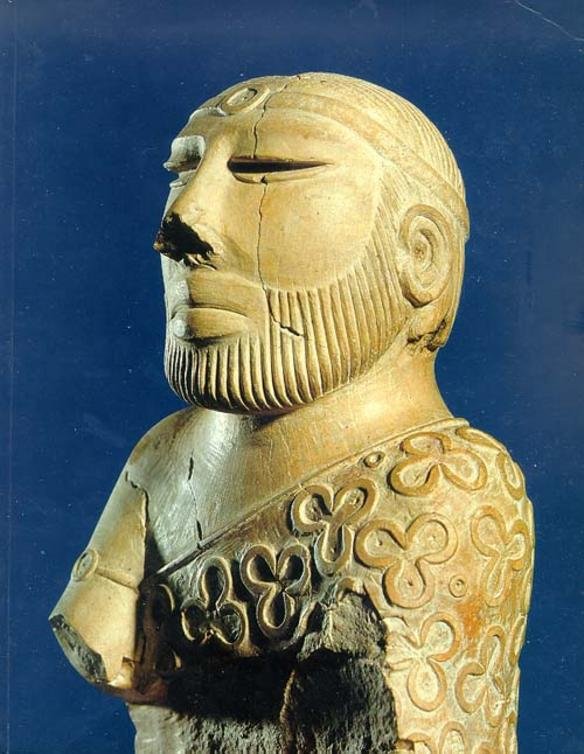
Priest King of Mohenjo Daro Indus Valley
Steatite bust of the "Priest-King" from Mohenjo-daro (c. 2000 BCE). Adorned with a trefoil-patterned robe and filigree headband, it illustrates the refined craftsmanship and civic elite hierarchy of the Indus civilization. (National Museum of Pakistan)

3. The Agricultural Catalyst: From Foragers to Hydraulic Empires

The indispensable catalyst for all civilizational emergence was the Neolithic Agricultural Revolution. Hunter-gatherers could not develop cities because finding wild game and edible tubers required high mobility and supported fewer than two persons per square mile.

Cereal grainsโ€”wheat, barley, rice, and maizeโ€”fundamentally changed human math. Unlike root tubers or meat, dry grain seeds could be harvested in massive seasonal quantities, weighed, counted, transported, and stored in granaries for years without spoiling. Historian Karl Wittfogel termed these societies hydraulic civilizations: in arid river valleys like the Nile, Tigris, and Indus, growing grain required digging massive networks of irrigation canals, flood gates, and reservoirs. Because no single peasant family could construct a twenty-mile irrigation ditch, society required centralized leadership to compel labor, distribute water rights, and defend the harvest.

4. Why Do Civilizations Collapse? The Fragility of Complexity

Civilization is not a permanent, guaranteed state; it is an extraordinary expenditure of energy, vulnerable to systemic collapse. History reveals that great empires fall through three primary mechanisms:

  • Environmental & Climate Shocks: Prolonged megadroughts dried up the rivers of the Indus Valley and the Maya lowlands, while deforestation and soil salinization in ancient Sumer destroyed agricultural yields.
  • Complex Systems Failure: As civilizations grow, their administrative layers, trade dependencies, and logistical pipelines become deeply coupled. As seen during the Late Bronze Age Collapse (1177 BCE), disruption of a single vital resource (such as tin for bronze weapons) combined with seismic shocks and foreign raiders can trigger a cascading domino collapse across an entire interconnected region.
  • Inequality and Internal Fracture: When elite extraction impoverishes the agrarian working class beyond endurance, civil wars, tax revolts, and plagues shatter state cohesion from within.

Yet even when cities burn and dynasties fall, the cultural seeds of civilization endure. From Sumerian cuneiform to Egyptian mathematics and Roman law, each fallen civilization transmits its accumulated discoveries across the centuries, forming the immortal foundation upon which modern humanity builds its future.

โšก Fast Facts
  • Historical EraANCIENT
  • Region๐ŸŒ GLOBAL
  • CategorySociety
  • Reading Timeโฑ 14 min read
๐Ÿ“– Scholar Mode Active โ€” Click to exit focused reading
Selected Era

Prehistoric Era

Millions of years ago to ~3000 BCE

The dawn of humanity. From the evolutionary split of early hominids to the mastery of stone tools, fire, and the birth of language.

Landmark Milestones

Welcome to Historia

Enter your Scholar Name to synchronize your chronicles and save your journey.