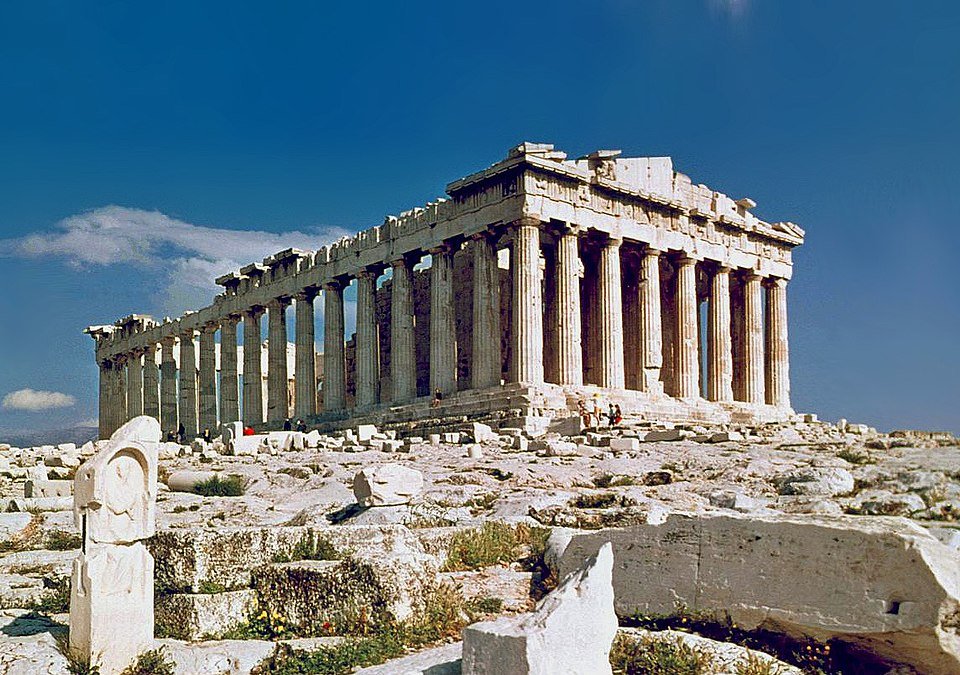
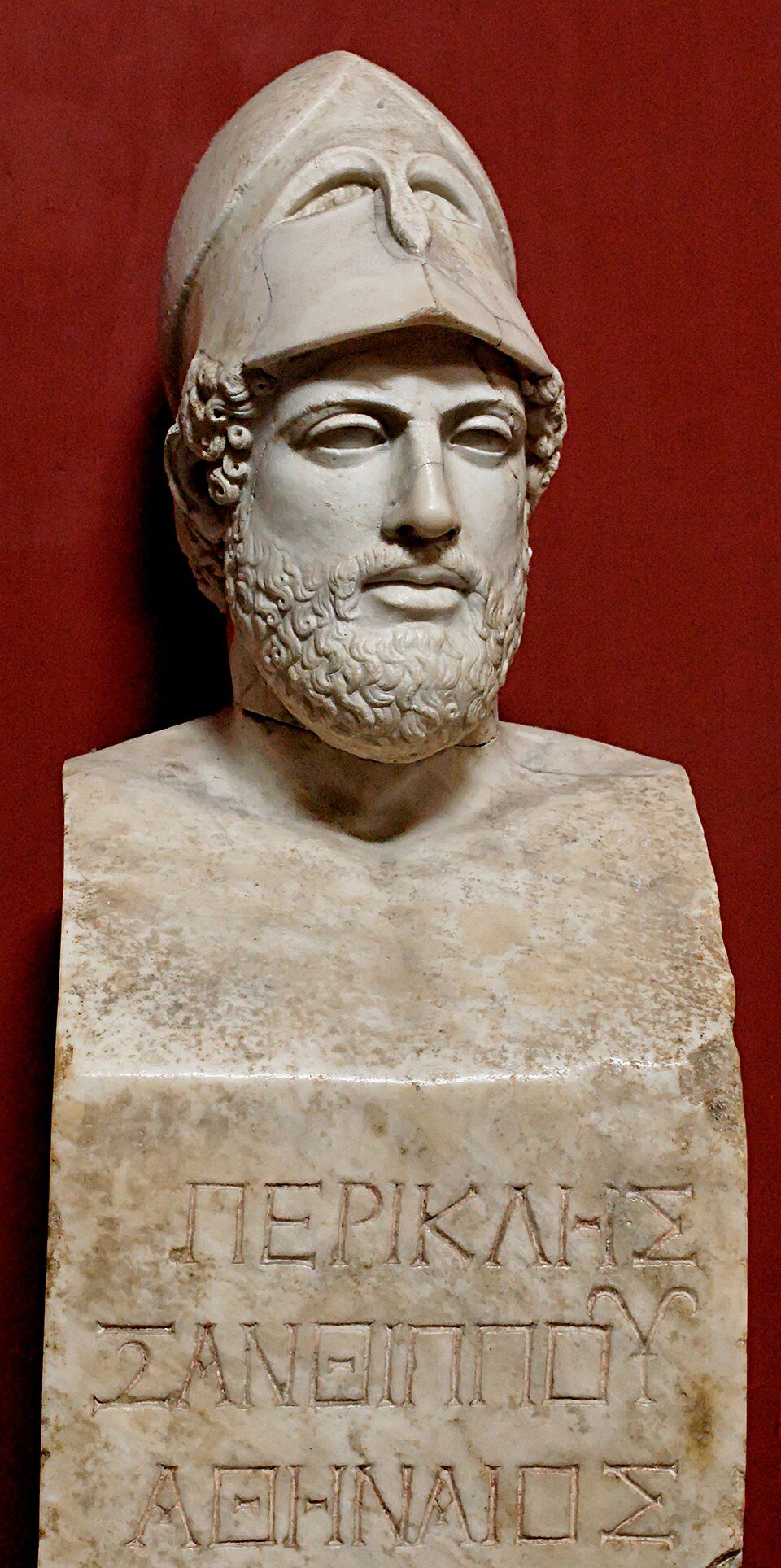
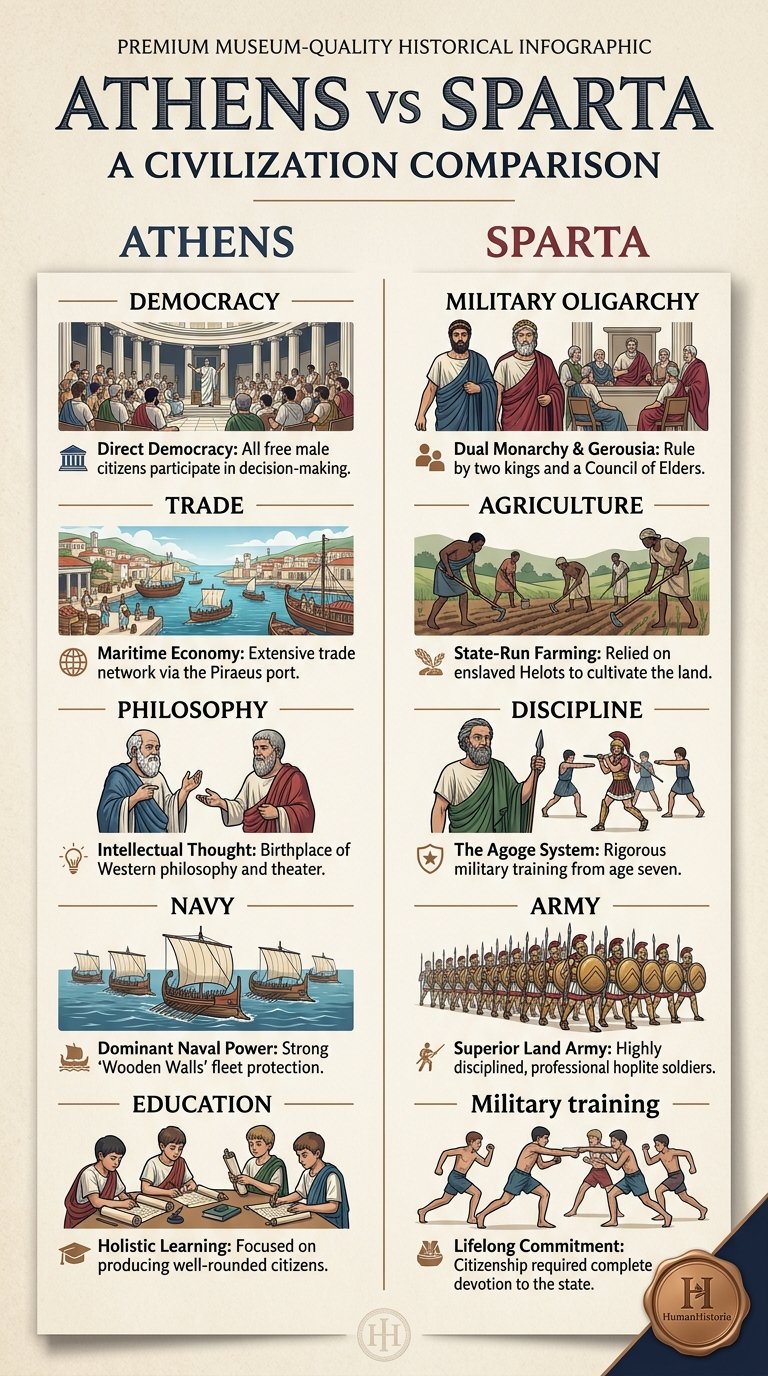
From prehistoric origins to the modern era—discover the turning points, lost empires, and breakthroughs of world history through interactive timelines and visual guides.
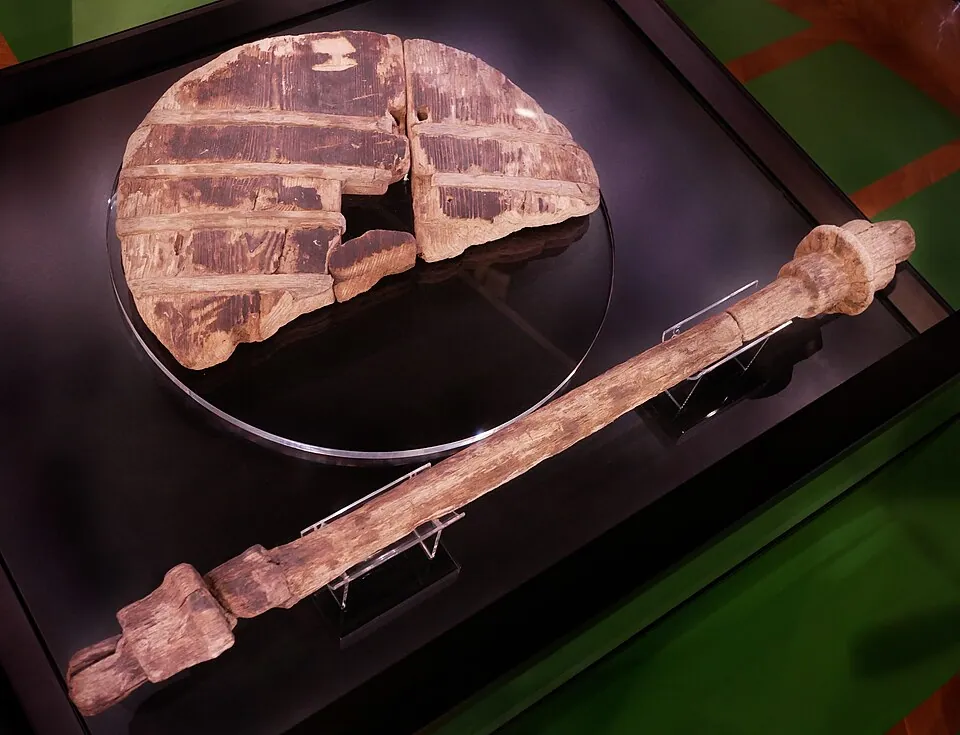 ⭐ Featured Chronicle
When was the wheel invented and who made it first? Trace how Mesopotamian potters and Eurasian steppe pastoralists transformed transport, trade, and bronze-age chariot warfare.
Read Chronicle →
 ANCIENT AGES
Explore the two centuries of peace, standardization, and military control that consolidated the Roman Empire under Augustus.
Read Chronicle →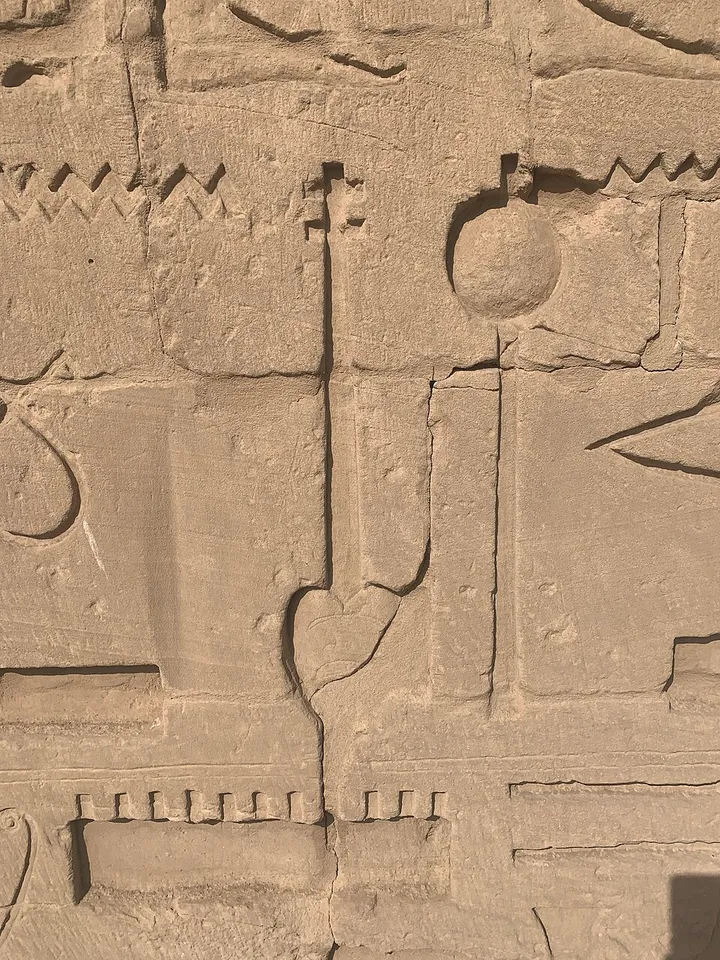 ANCIENT AGES
For 3,500 years, hieroglyphs served as the sacred writing system of ancient Egypt. Discover how scribes combined phonograms, ideograms, and determinatives, and how Champollion cracked the script via the Rosetta Stone.
Read Chronicle → ANCIENT AGES
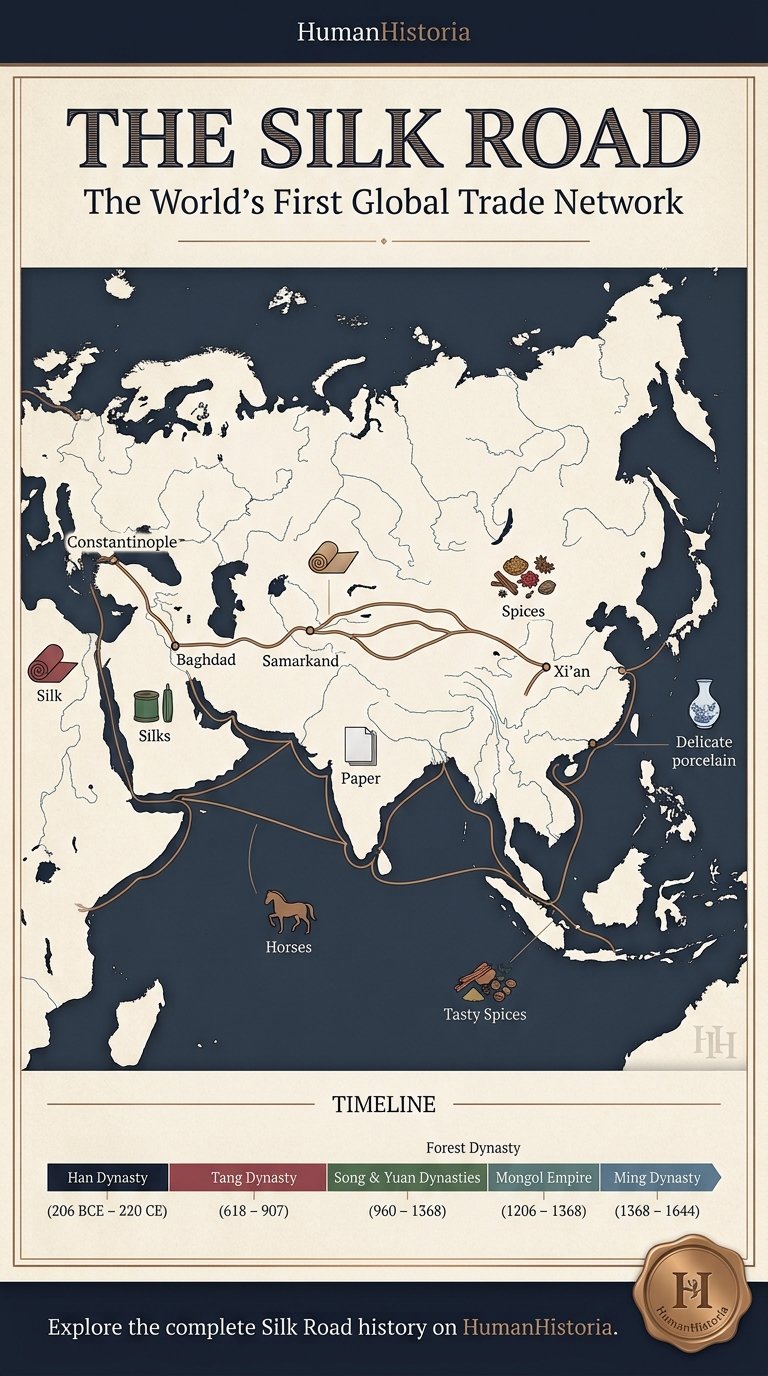
Trace the ancient trade corridors connecting Han China, Persia, and Rome, driving the exchange of silk, spices, and revolutionary philosophies.
Read Chronicle → MEDIEVAL PERIOD
The devastation of medieval Europe by bubonic plague, cutting populations by up to 60 percent and fundamentally restructuring the feudal economy.
Read Chronicle → MEDIEVAL PERIOD
Discover how movable metal type democratized knowledge, broke the monopoly of monastic scriptoria, and fueled the religious and scientific revolutions.
Read Chronicle → PREHISTORIC ERA
The transition from mobile hunter-gatherers to settled farming villages across the Fertile Crescent, marking the dawn of human civilization.
Read Chronicle →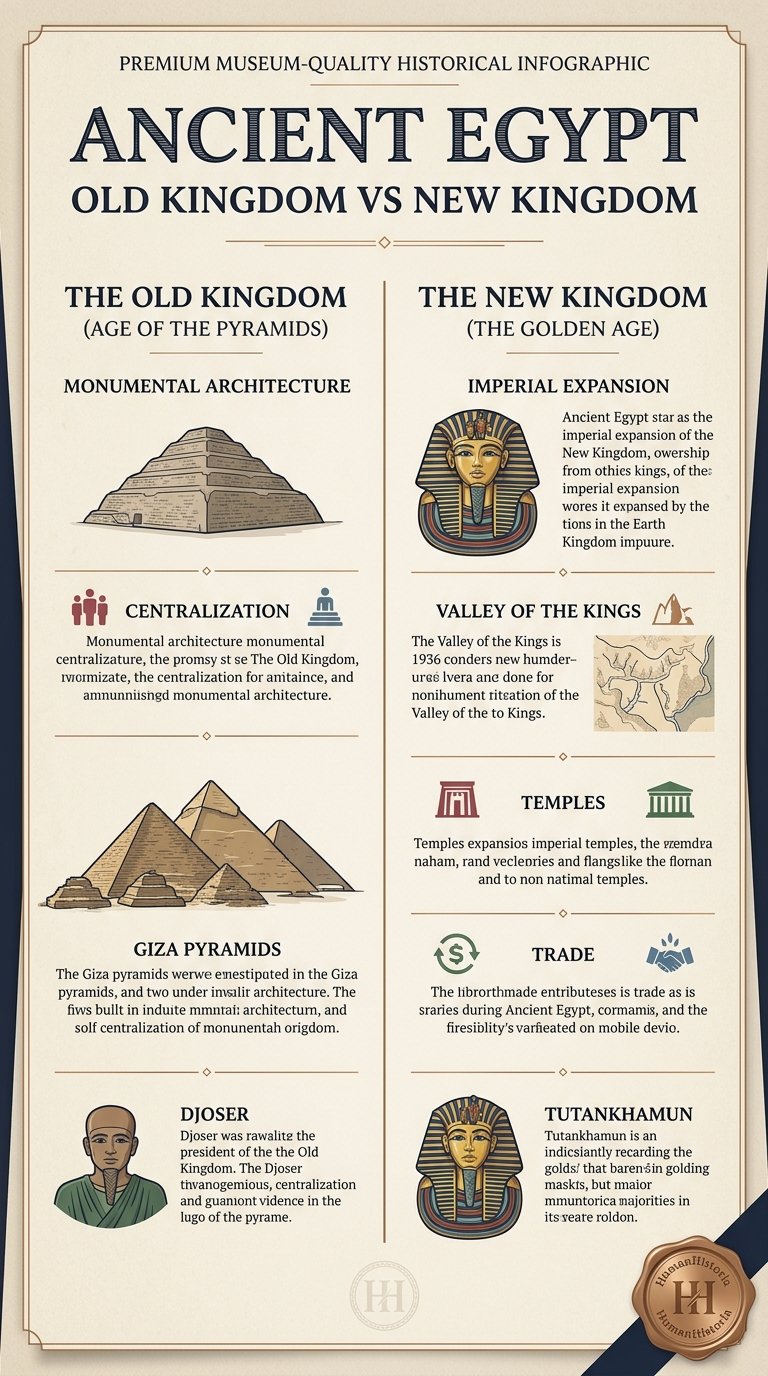
300,000 years. 5 eras. Countless turning points that shaped every moment of your world.
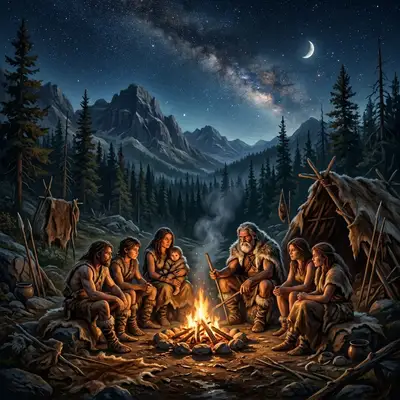
Modern Homo sapiens leave their African homeland and spread across every continent. Interbreeding with Neanderthals and Denisovans, adapting to deserts, tundras, and ocean crossings — within 60,000 years, humanity has colonised the entire planet.
Read Chronicle →Key fact: Neanderthal DNA still lives in 1–2% of all non-African humans today.
Related: Animal Domestication, Cave Art
Early hominids learn to control fire — providing warmth, protection from predators, and cooked food that fuelled dramatic brain development. This single event reshaped the trajectory of our entire species.
Read Chronicle →Key fact: Cooking increased caloric intake by 30–50%, directly fuelling brain growth.
Related: Stone Tools, Migration
Humanity transitions from nomadic hunter-gathering to settled farming and animal domestication. Surplus food enables permanent villages, specialised labour, and the first complex societies. Nothing would be the same again.
Read Chronicle →Key fact: Wheat, barley & lentils domesticated independently on 3 continents.
Related: Göbekli Tepe, Cuneiform
Sumerian scribes in Mesopotamia press reed styluses into clay tablets to create cuneiform — the world's first writing system. Records of grain, debts, and laws could now outlive human memory, launching the age of recorded history.
Read Chronicle →Key fact: The Epic of Gilgamesh — the world's first novel — was written in cuneiform.
Related: Epic of Gilgamesh, Hammurabi
The greatest research institution of antiquity — housing up to 700,000 scrolls and attracting Euclid, Archimedes, and Eratosthenes. For centuries it represented humanity's aspiration to collect and preserve all knowledge ever written.
Read Chronicle →Key fact: Eratosthenes calculated Earth's circumference here to within 2% accuracy in 240 BCE.
Related: Greek Philosophy, Roman Empire
Caliph al-Ma'mun's great library and translation centre in Baghdad becomes the world's intellectual capital. Islamic scholars translate Aristotle, invent algebra, chart the stars, and advance medicine — while Europe slumbers in feudal fragmentation.
Read Chronicle →Key fact: Al-Khwarizmi invented algebra here — the word "algorithm" derives from his name.
Related: Silk Road, Mansa Musa
Johannes Gutenberg's movable-type press in Mainz triggers an explosive democratisation of knowledge. Within 50 years, 20 million books flood Europe — accelerating the Renaissance, the Reformation, and science itself.
Read Chronicle →Key fact: 20 million books in 50 years — more than all European scribes produced in 1,000 years.
Related: Scientific Revolution, Reformation
James Watt's improved steam engine mechanises cotton mills, coal mines, and iron foundries in Britain. Railways knit continents. By 1850, machines produce more than human hands ever could. Urbanisation, capitalism, and the modern labour movement are born in the factory smoke.
Read Chronicle →Key fact: Britain's GDP per capita doubled in 60 years — the fastest economic growth in history up to that point.
Related: Electricity, Wright Brothers
Discoveries in quantum mechanics lead to semiconductors, transistors, and eventually quantum computers capable of solving in minutes what classical machines cannot solve in the age of the universe. The fundamental nature of information is being rewritten.
Read Chronicle →Key fact: Google's Sycamore performed a 200-second calculation that would take classical computers 10,000 years.
Related: AI Singularity, CRISPR, Space
Examine the tangible relics, physical tokens, and revolutionary machines that shaped civilizational growth.
Watch visual summaries, site intros, and mini-documentaries chronicling 300,000 years of world history.
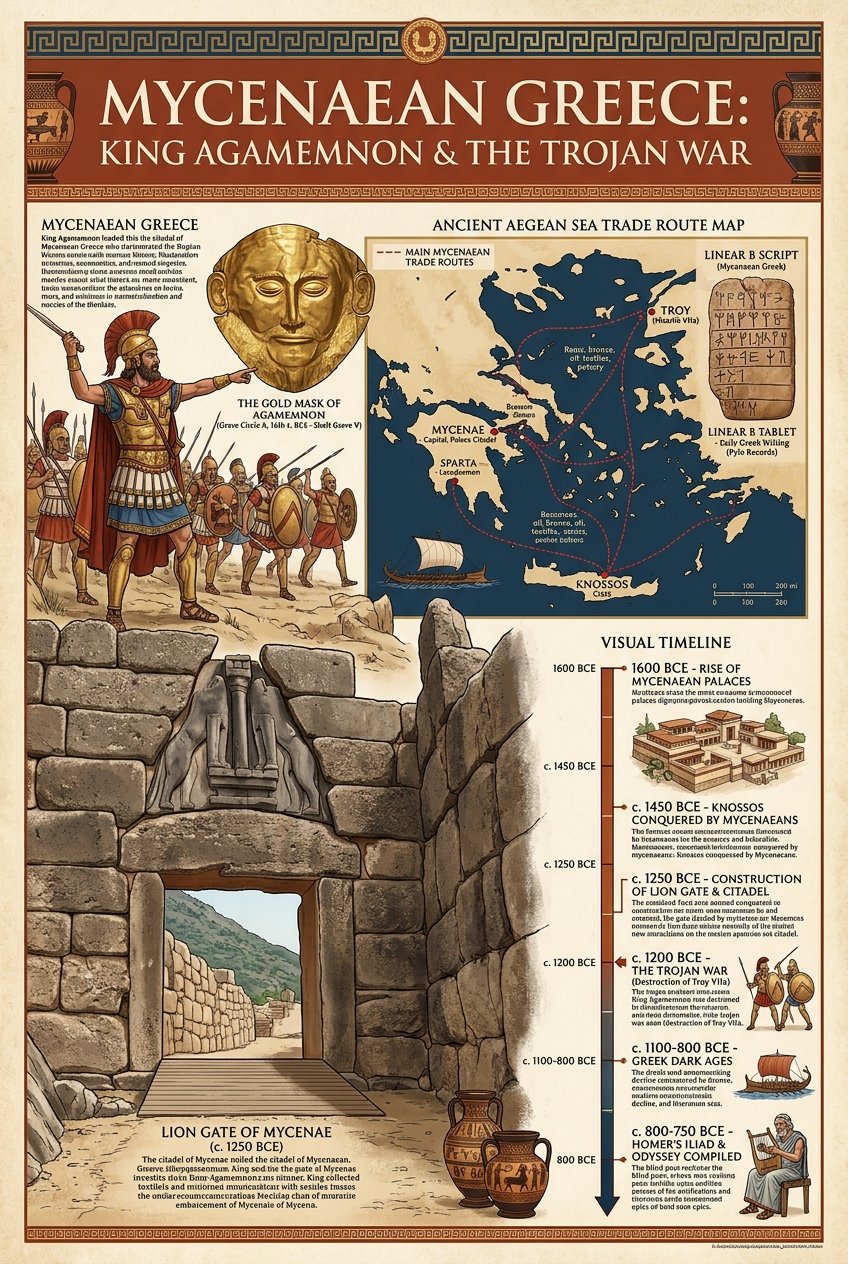
Museum-grade visual graphics, civilizational timelines, and architectural breakdowns curated for educators and history lovers.
Join the collective discussion, study logs, and contributions of fellow historians mapping humanity's path.
Trace a single thread — disease, trade, energy, migration — across all eras and civilizations.
History is not just a sequence of events — it is a network of patterns. These thematic pathways allow you to follow a single concept across thousands of years: how agriculture spread, how warfare evolved, how trade routes shaped civilizations. Each pathway collects the most relevant chronicles across all eras.
While the sidebar Topics (like Science & Tech or Empires) filter articles within your selected historical Era, Thematic Pathways cut horizontally across all eras (from Prehistoric to the Future). Use Themes to trace a single concept's evolutionary line across 300,000 years.
Comprehensive profiles of the world's greatest civilizations and empires — from ancient cradles to global super-states.
Human Historia provides an academically rich exploration of the world's most influential civilizations. From the monumental achievements of ancient Egypt, Han China, and the Roman Empire, to the sophisticated societies of the Maya, the Islamic Caliphates, and West African empires, these hubs offer deep insights into the cultural, political, and technological legacies that continue to shape our global story.
Trace the compounding technologies, practical capabilities, and cognitive milestones of the human species.
Human progress is a story of compounding skills. Every breakthrough, from the spark of prehistoric fire to modern silicon transistors, builds directly on previous generations of ingenuity. Hover over a skill node to trace its historical prerequisites, and click it to explore its development timeline, species-wide impact, and related chronicles.
Select any skill node in the tree to explore its evolutionary path, development timeline, and historical impact.
Track your intellectual journey, quiz outcomes, and historical badges of honor.