>
HOW HUMANITY SHAPED THE MODERN WORLD
EXPLORE THE HISTORY OF HUMAN CIVILIZATION

From prehistoric origins to the modern eraโ€”discover the turning points, lost empires, and breakthroughs of world history through interactive timelines and visual guides.

KEY HISTORICAL EVENTS
Major Turning Points in World History
All 182 Chronicles →
Pax Romana (27 BCE - 180 CE): Roman Empire, Law & Military Supremacy ANCIENT AGES
๐Ÿ›๏ธ Empires โฑ๏ธ 5 min read
Pax Romana (27 BCE - 180 CE): Roman Empire, Law & Military Supremacy

Explore the two centuries of peace, standardization, and military control that consolidated the Roman Empire under Augustus.

Read Chronicle →
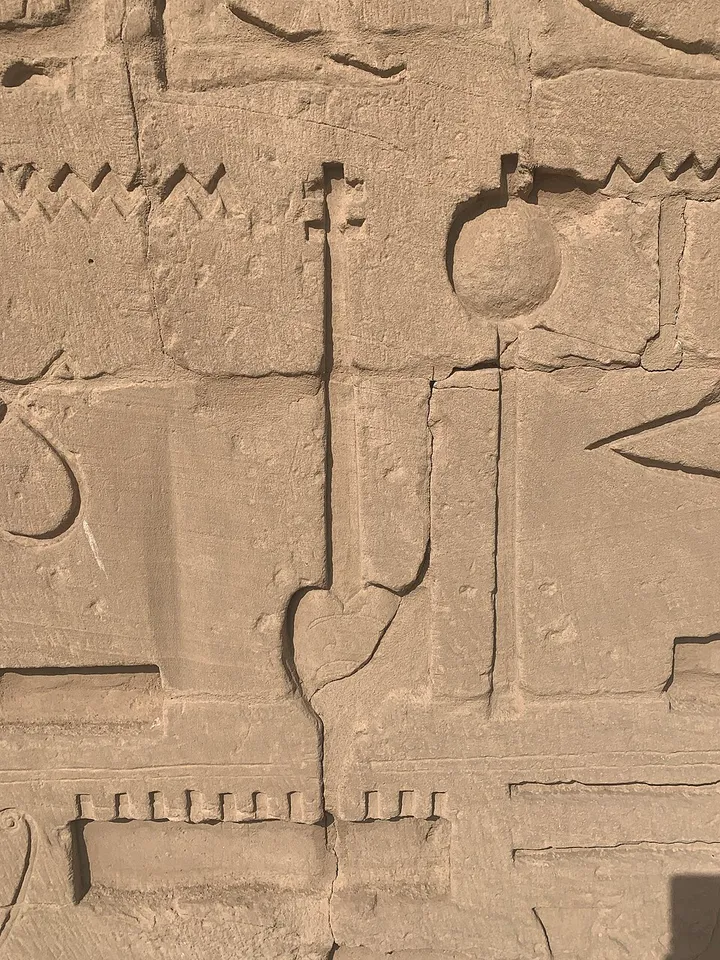
Egyptian Hieroglyphs: Decipherment, Scribes & Sacred Carvings ANCIENT AGES
๐Ÿ›๏ธ Languages โฑ๏ธ 9 min read
Egyptian Hieroglyphs: Decipherment, Scribes & Sacred Carvings

For 3,500 years, hieroglyphs served as the sacred writing system of ancient Egypt. Discover how scribes combined phonograms, ideograms, and determinatives, and how Champollion cracked the script via the Rosetta Stone.

Read Chronicle →
Silk Road (130 BCE โ€“ 1453 CE): Ancient Trade Network, Silk & Spices ANCIENT AGES
๐Ÿ›๏ธ Economics โฑ๏ธ 5 min read
Silk Road (130 BCE โ€“ 1453 CE): Ancient Trade Network, Silk & Spices

Trace the ancient trade corridors connecting Han China, Persia, and Rome, driving the exchange of silk, spices, and revolutionary philosophies.

Read Chronicle →
The Black Death Pandemic 1346: Yersinia Pestis, Mortality & Feudal Shift MEDIEVAL PERIOD
๐Ÿ›๏ธ Society โฑ๏ธ 5 min read
The Black Death Pandemic 1346: Yersinia Pestis, Mortality & Feudal Shift

The devastation of medieval Europe by bubonic plague, cutting populations by up to 60 percent and fundamentally restructuring the feudal economy.

Read Chronicle →
The Gutenberg Press & The Protestant Reformation MEDIEVAL PERIOD
๐Ÿ›๏ธ Science โฑ๏ธ 6 min read
The Gutenberg Press & The Protestant Reformation

Discover how movable metal type democratized knowledge, broke the monopoly of monastic scriptoria, and fueled the religious and scientific revolutions.

Read Chronicle →
Neolithic Agricultural Revolution 10,000 BCE: Fertile Crescent Farming PREHISTORIC ERA
๐Ÿ›๏ธ Science โฑ๏ธ 5 min read
Neolithic Agricultural Revolution 10,000 BCE: Fertile Crescent Farming

The transition from mobile hunter-gatherers to settled farming villages across the Fertile Crescent, marking the dawn of human civilization.

Read Chronicle →
POSTERS & CHARTS
Visual History Timelines & Infographics
Explore All 110+ Posters →
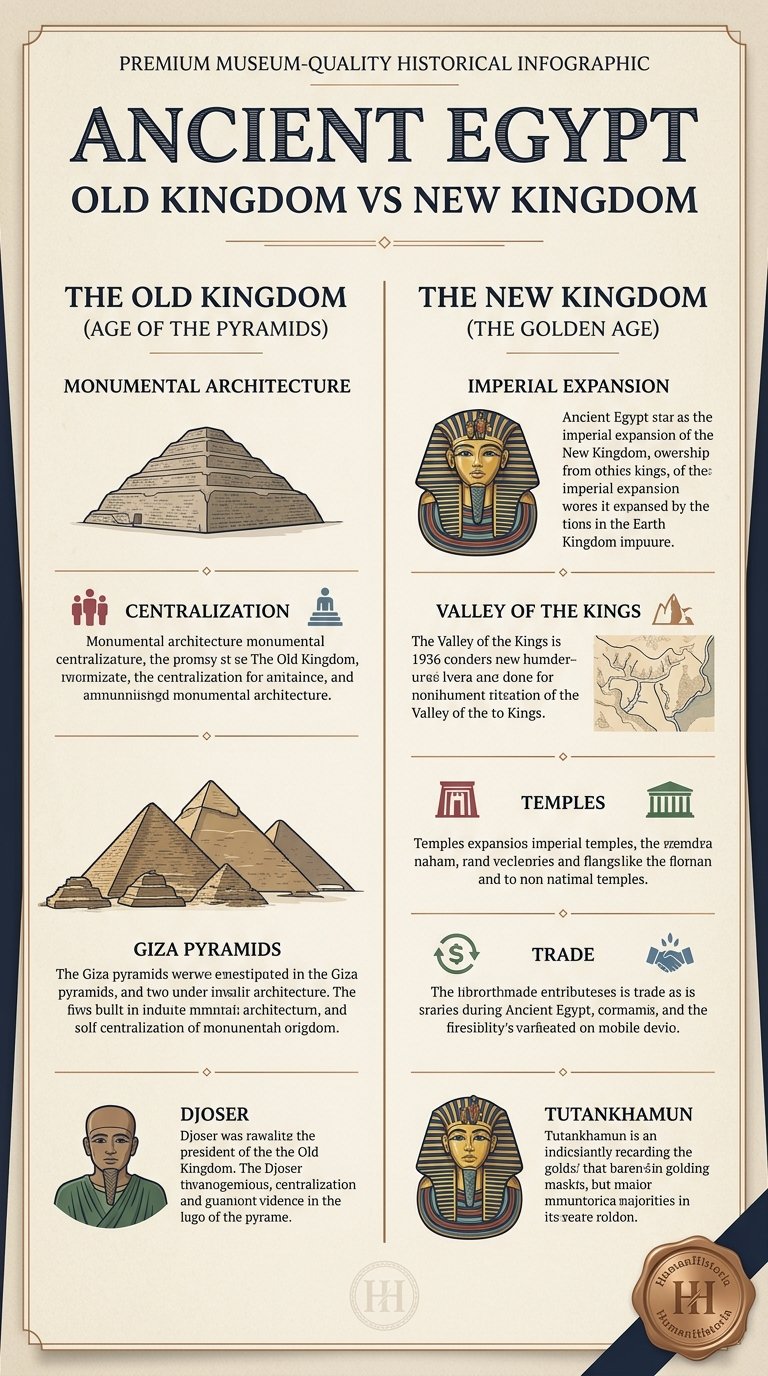
Ancient Egypt: Old Kingdom vs. New Kingdom
๐Ÿ” Tap to Zoom
Ancient Egypt: Old Kingdom vs. New Kingdom
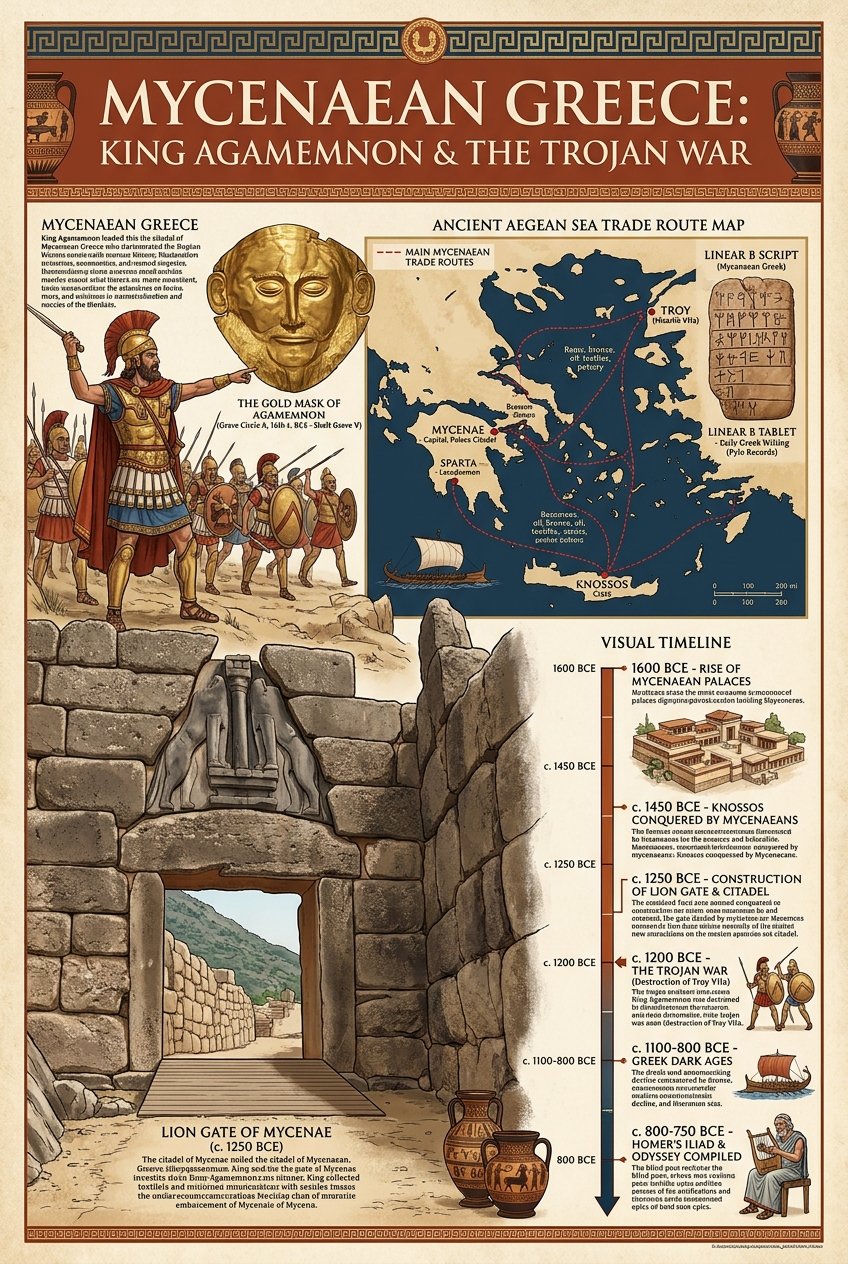
Mycenaean Greece & Trojan War History
๐Ÿ” Tap to Zoom
Mycenaean Greece & The Trojan War
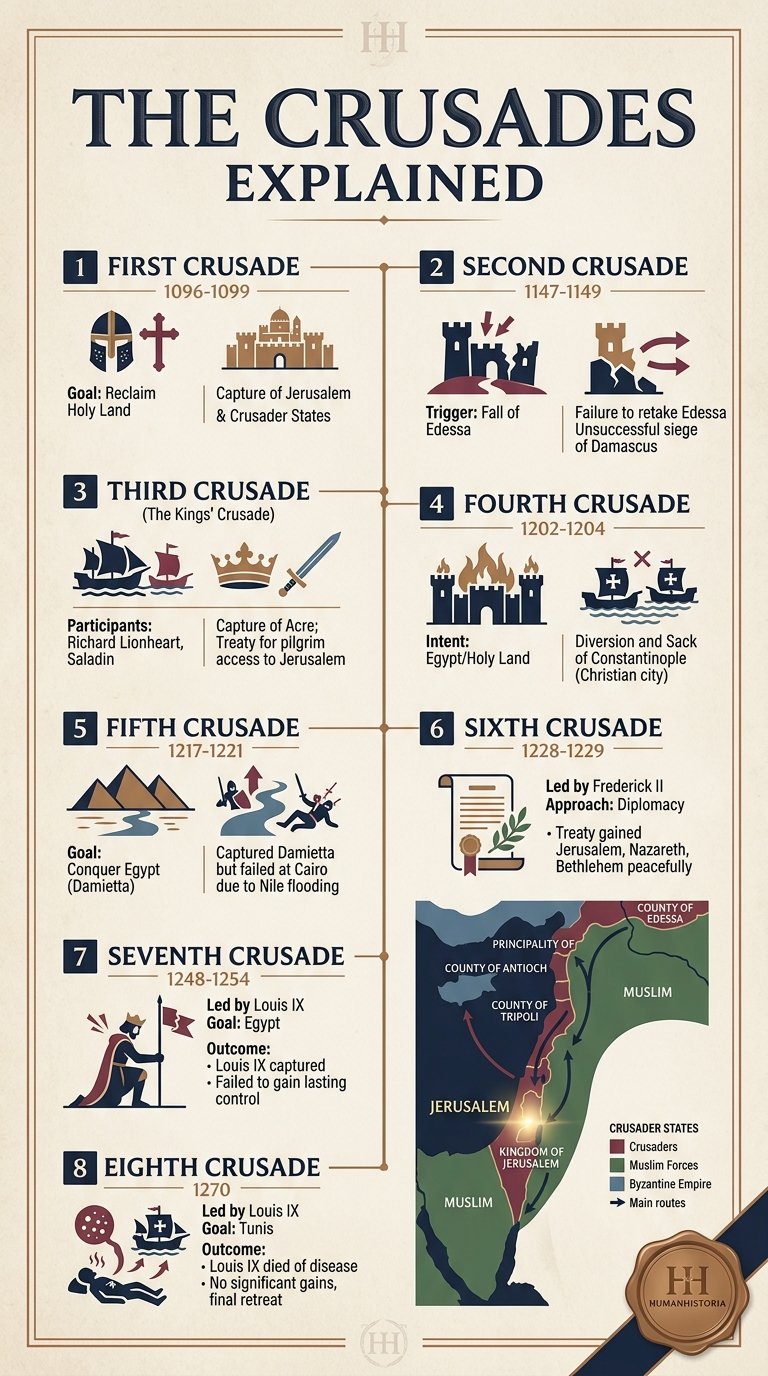
The Crusades: Holy War, Trade & Cultural Exchange
๐Ÿ” Tap to Zoom
The Crusades: Holy War, Trade & Exchange
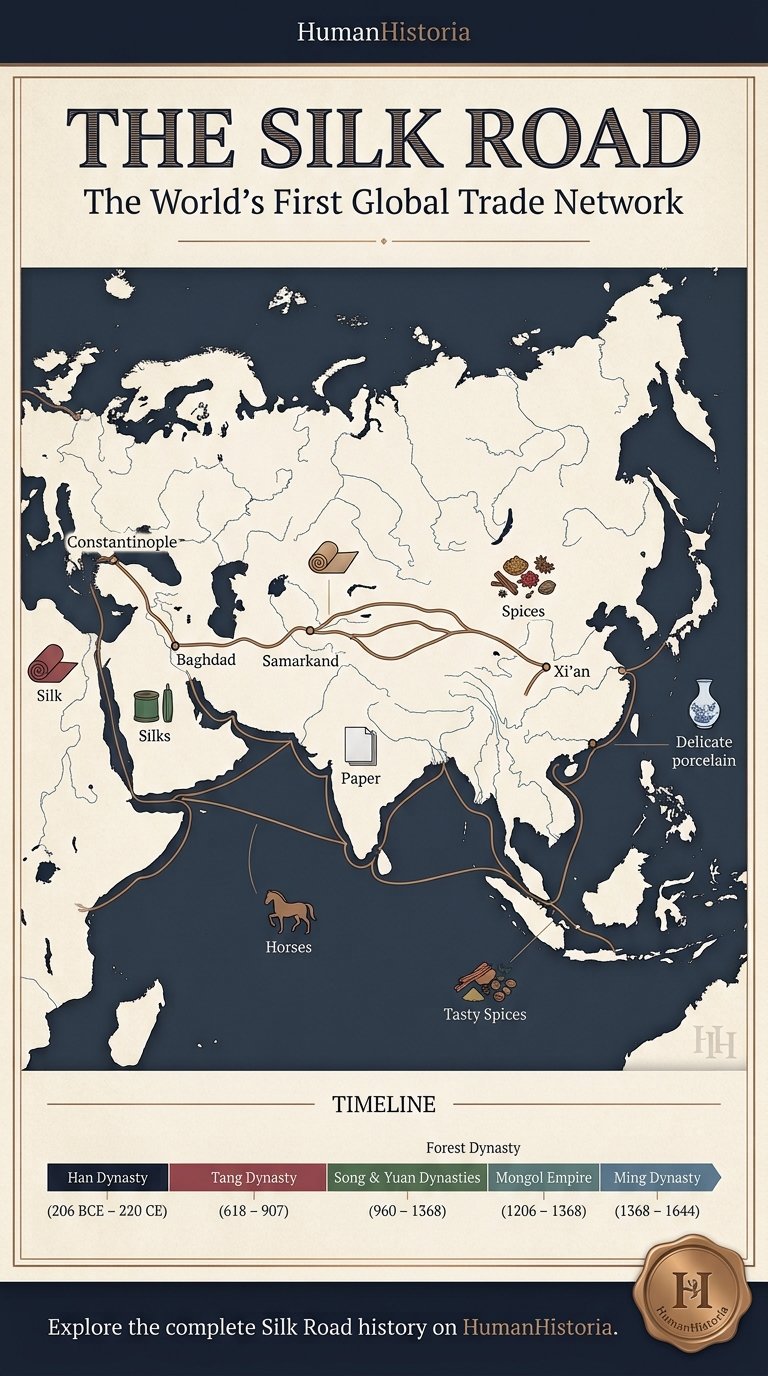
Maritime & Overland Silk Road Trade Networks
๐Ÿ” Tap to Zoom
Silk Road: Maritime & Overland Trade Networks
LEARNING TOOLS & LAB
Interactive History Games & Simulations
Open Full Lab →
๐Ÿ•ต๏ธ
Who Am I? (Historical Guessing Game)

A secret historical figure has been chosen. Ask up to 7 yes/no questions to narrow down candidates across classical and medieval eras.

Play Game →
๐Ÿ—บ๏ธ
Timeline Scramble

Five historical events appear out of order. Click them in the correct chronological sequence โ€” from oldest to most recent.

Test Chronology →
โš–๏ธ
Empire Matchup Simulator

Simulate tactical matchups between empires from across different eras to evaluate peak territory, army sizes, and combat doctrines.

Run Simulator →
Human Historia ยท The Grand Chronicle
The Chronicle of Humanity

300,000 years. 5 eras. Countless turning points that shaped every moment of your world.

๐Ÿฆด
Prehistoric Era
c. 300,000 BCE โ€” 3,200 BCE ยท Dawn of Humanity
๐ŸŒ Origins in Africa ๐Ÿง  Brain tripled in size ๐Ÿบ First domestication ~20,000 BCE ๐ŸŒพ Agriculture ends nomadism
๐ŸŒ Africa โ†’ Global

Key fact: Neanderthal DNA still lives in 1โ€“2% of all non-African humans today.

Related: Animal Domestication, Cave Art

๐Ÿ”ฅ Africa

Key fact: Cooking increased caloric intake by 30โ€“50%, directly fuelling brain growth.

Related: Stone Tools, Migration

๐ŸŒพ Fertile Crescent

Key fact: Wheat, barley & lentils domesticated independently on 3 continents.

Related: Gรถbekli Tepe, Cuneiform

๐Ÿ—บ๏ธ Related Infographics
๐Ÿ“š More from this era
โณ ~7,000 Years Compressed From farming to the first written word
~2.3% of recorded human history
๐Ÿ›๏ธ
Ancient Ages
c. 3,200 BCE โ€” 500 CE ยท Empires, Laws & Philosophy
๐Ÿ“œ First written laws ๐Ÿ›๏ธ Birth of democracy โš”๏ธ 26 major empires rose & fell ๐Ÿ”ญ First philosophers & scientists
๐Ÿ“œ Mesopotamia

Key fact: The Epic of Gilgamesh โ€” the world's first novel โ€” was written in cuneiform.

Related: Epic of Gilgamesh, Hammurabi

๐Ÿ“š Alexandria, Egypt

Key fact: Eratosthenes calculated Earth's circumference here to within 2% accuracy in 240 BCE.

Related: Greek Philosophy, Roman Empire

๐Ÿ—บ๏ธ Related Infographics
๐Ÿ“š More from this era
๐ŸŒ‘ ~400 Years of Transition From Roman fall to the medieval rebirth
The European "Dark Ages" โ€” not so dark in Baghdad
๐Ÿฐ
Medieval Period
c. 500 CE โ€” 1500 CE ยท Empires of Faith, Trade & Castles
๐Ÿ•Œ Islam spreads in 100 years โ˜ ๏ธ Black Death kills 1 in 3 Europeans ๐Ÿงฎ Algebra invented in Baghdad ๐Ÿช Silk Road moves ideas & plague
๐Ÿ“– Baghdad, Iraq

Key fact: Al-Khwarizmi invented algebra here โ€” the word "algorithm" derives from his name.

Related: Silk Road, Mansa Musa

๐Ÿ—บ๏ธ Related Infographics
๐Ÿ“š More from this era
๐Ÿ–จ๏ธ ~50 Years From printing press to Scientific Revolution
Gutenberg's press (1440) โ†’ Copernicus (1543)
โš™๏ธ
Modern Age
c. 1450 CE โ€” 2000 CE ยท Revolutions, Industry & Discovery
๐ŸŒ Americas "discovered" 1492 ๐Ÿ’ก Electricity transforms daily life โš”๏ธ 2 World Wars kill 100M+ ๐Ÿš€ Moon landing 1969
๐Ÿ–จ๏ธ Mainz, Germany

Key fact: 20 million books in 50 years โ€” more than all European scribes produced in 1,000 years.

Related: Scientific Revolution, Reformation

๐Ÿš‚ Britain

Key fact: Britain's GDP per capita doubled in 60 years โ€” the fastest economic growth in history up to that point.

Related: Electricity, Wright Brothers

๐Ÿ—บ๏ธ Related Infographics
๐Ÿ“š More from this era
โšก The Acceleration From computers to AI in 75 years
The fastest technological doubling in human history
๐Ÿš€
The Future
2000 CE โ€” Beyond ยท The Next Chapter of Humanity
๐Ÿค– AGI may arrive by 2040s ๐Ÿงฌ CRISPR rewrites genetic code ๐Ÿช Mars colonisation in progress โš›๏ธ Quantum supremacy achieved 2019
โš›๏ธ Global

Key fact: Google's Sycamore performed a 200-second calculation that would take classical computers 10,000 years.

Related: AI Singularity, CRISPR, Space

๐Ÿ—บ๏ธ Related Infographics
๐Ÿ“š More from this era
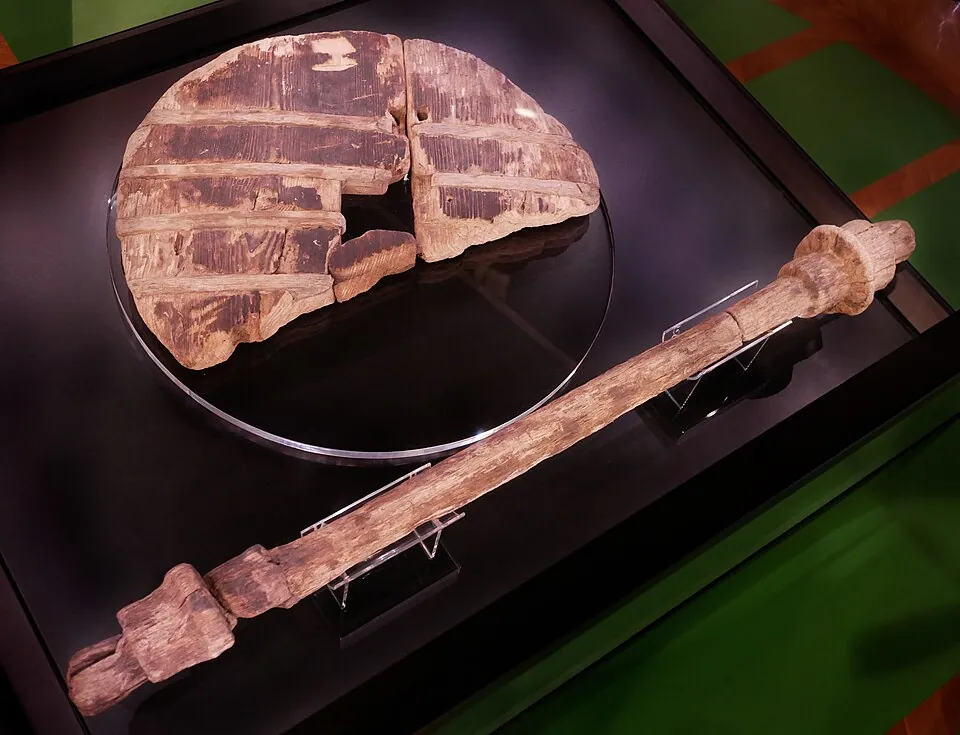
THE ARTIFACT GALLERY

Examine the tangible relics, physical tokens, and revolutionary machines that shaped civilizational growth.

๐ŸŽฅ VIDEO HUB & SHORTS

Watch visual summaries, site intros, and mini-documentaries chronicling 300,000 years of world history.

๐Ÿ“Š HISTORICAL INFOGRAPHICS ARCHIVE

Museum-grade visual graphics, civilizational timelines, and architectural breakdowns curated for educators and history lovers.

THE HISTORIA CIRCLE

Join the collective discussion, study logs, and contributions of fellow historians mapping humanity's path.

Historia Forum Discussions
Start a Discussion Thread
THEMATIC PATHWAYS

Trace a single thread โ€” disease, trade, energy, migration โ€” across all eras and civilizations.

History is not just a sequence of events โ€” it is a network of patterns. These thematic pathways allow you to follow a single concept across thousands of years: how agriculture spread, how warfare evolved, how trade routes shaped civilizations. Each pathway collects the most relevant chronicles across all eras.

๐Ÿงฉ
How is this different from the sidebar Topics?
While the sidebar Topics (like Science & Tech or Empires) filter articles within your selected historical Era, Thematic Pathways cut horizontally across all eras (from Prehistoric to the Future). Use Themes to trace a single concept's evolutionary line across 300,000 years.
CIVILIZATION HUBS

Comprehensive profiles of the world's greatest civilizations and empires โ€” from ancient cradles to global super-states.

Human Historia provides an academically rich exploration of the world's most influential civilizations. From the monumental achievements of ancient Egypt, Han China, and the Roman Empire, to the sophisticated societies of the Maya, the Islamic Caliphates, and West African empires, these hubs offer deep insights into the cultural, political, and technological legacies that continue to shape our global story.

EVOLUTION OF HUMAN SKILLS

Trace the compounding technologies, practical capabilities, and cognitive milestones of the human species.

Human progress is a story of compounding skills. Every breakthrough, from the spark of prehistoric fire to modern silicon transistors, builds directly on previous generations of ingenuity. Hover over a skill node to trace its historical prerequisites, and click it to explore its development timeline, species-wide impact, and related chronicles.

Prehistoric Ancient Medieval Modern Future
๐Ÿง 

Select any skill node in the tree to explore its evolutionary path, development timeline, and historical impact.

ACADEMIC PASSPORT

Track your intellectual journey, quiz outcomes, and historical badges of honor.

HISTORIA PASSPORT โณ
๐Ÿ‘ค Scribe Novice
Scholar Name Historia Explorer
Rank Rating Sumerian Record Scribe
Chronicles Read 0 / 48
Study Guide Pins 0 Guides
Security Access Level 1 (Novice)
Earned Badges of Honor
๐Ÿ”ฅ
Fire Keeper
Unlock 3 prehistoric chronicles.
๐Ÿ›๏ธ
Codex Keeper
Unlock 3 ancient chronicles.
๐Ÿฐ
Guild Master
Unlock 3 medieval chronicles.
โš™๏ธ
Steam Engineer
Unlock 3 modern chronicles.
๐Ÿš€
Singularity Sage
Unlock 3 future chronicles.
๐Ÿ‘‘
Grand Scholar
Score 5/5 on the Lab Quiz.
Recent Lab Activities
No recent activities recorded. Take a quiz or bookmark articles!
๐Ÿ›๏ธ MISSION & ARCHIVAL STANDARDS
About Human Historia

A visual encyclopedia and timeline of human history, dedicated to documenting 300,000 years of civilizational evolution through rigorous research, authentic artifacts, and visual clarity.

๐ŸŒ
The 300,000-Year Story

Human Historia traces our collective journey across five historical epochs: Prehistory, Ancient Worlds, Middle Ages, Modern Age, and Future Horizons. From the first control of fire to quantum computation, we organize turning points into interconnected timelines.

๐Ÿ“œ
Historiographical Rigor

Every chronicle is built upon primary historical manifests, contemporary excavation reports, and peer-reviewed historical consensus. We prioritize authentic public domain artifacts and clearly identify scholarly debates surrounding major civilizational transitions.

๐ŸŽจ
Museum-Grade Visuals

Complex historical transitions demand visual understanding. We develop high-resolution infographics, architectural cutaways, and comparative territorial maps to transform abstract timelines into vivid, unforgettable learning experiences.

๐Ÿ“–
Educational Access

Knowledge belongs to humanity. Human Historia is free, ad-light, and engineered as an educational resource for students, classroom educators, academic researchers, and curious minds across all continents.

Editorial Governance & Inquiries

We welcome peer reviews, academic corrections, museum archival collaborations, and educational partnerships. To submit historical inquiries or provide archival feedback, reach our editorial desk directly.

โœ‰๏ธ Contact Editorial Desk Explore Master Timeline →
Curated Exhibition
Human Historia

An immersive graphical anthology tracing the paths of civilizations, breakthroughs, and conflicts that forged the modern consciousness.

25Chronicles
Showing all articles

CRISPR-Cas9 Gene Editing 2012: Doudna, Charpentier & Genomic Revolution

Written by Humanhistoria Genetics Desk Historical Era: MODERN

On June 28, 2012, a short research paper published in the journal Science ignited the most profound biological revolution since James Watson and Francis Crick unraveled the double helix in 1953. For decades, molecular biologists could read the genetic code with increasing speed and decreasing cost, yet editing that code inside living cells remained notoriously clumsy, expensive, and imprecise. American structural biochemist Jennifer Doudna and French microbiologist Emmanuelle Charpentier turned that limitation on its head. By interrogating an ancient, overlooked immune mechanism that humble bacteria use to fend off viral invaders, the duo engineered a programmable molecular scalpel known as CRISPR-Cas9. Within months, laboratories worldwide were cutting, editing, and repairing DNA sequences across species with single-letter precision, catapulting humanity from passively reading the book of life into actively writing its future chapters.

CRISPR-Cas9 Gene Editing 2012: Doudna, Charpentier & Genomic Revolution
Archival visual record and historical depiction representing CRISPR-Cas9 Gene Editing 2012: Doudna, Charpentier & Genomic Revolution.

The Secret Immune System of Bacteria: From Salt Marshes to Yogurt

The origins of CRISPR do not begin in a high-tech biotechnology incubator, but in the hypersaline coastal salt marshes of Santa Pola, Spain. In 1993, a young Spanish microbiologist named Francisco Mojica at the University of Alicante was sequencing the DNA of an archaeal microbe, Haloferax mediterranei. He noticed an unusual genetic architecture: repeating palindromic sequences of roughly 30 base pairs separated by mysterious non-repetitive 'spacer' segments. Over the following decade, Mojica identified similar clustered patterns across dozens of bacterial species, christening them CRISPR: Clustered Regularly Interspaced Short Palindromic Repeats.

For years, scientists debated the purpose of these odd palindromes. The breakthrough revelation came in 2005, when Mojica and two other research groups independently realized that the variable spacer sequences did not belong to the bacteria at allโ€”they matched the genetic codes of bacteriophages, the predatory viruses that infect and destroy bacteria. CRISPR was not genomic junk; it was a microscopic molecular archives department, an adaptive immune memory bank storing 'mugshots' of past viral attackers.

In 2007, dairy scientists Philippe Horvath and Rodolphe Barrangou at Danisco in France provided the first definitive experimental proof while trying to protect bacterial cultures of Streptococcus thermophilus used in industrial yogurt and cheese production from lethal phage epidemics. When bacteria survived a viral invasion, they integrated a snippet of the virus's DNA into their CRISPR library. If the same virus attacked again, the bacterium mobilized dedicated Cas (CRISPR-associated) enzymes to find the matching sequence and slice the invader's genome to pieces. The discovery revealed that bacteria possessed an adaptive immune system previously thought unique to higher vertebrates.

San Juan, Puerto Rico: An Epochal Scientific Meeting

Despite the discovery of bacterial immunity, no one had yet figured out how to harness this crude bacterial weapon into a versatile, universal tool for editing genomes outside of bacteria. That breakthrough required the convergence of two brilliant minds from distinct scientific traditions.

In March 2011, French microbiologist Emmanuelle Charpentier, working at Umeรฅ University in northern Sweden, attended the American Society for Microbiology conference in San Juan, Puerto Rico. Charpentier had been investigating the flesh-eating pathogen Streptococcus pyogenes and had recently discovered a vital missing piece of the CRISPR puzzle: a small, non-coding RNA molecule called tracrRNA (trans-activating crRNA), which teamed up with CRISPR RNA (crRNA) to guide a single powerhouse slicing protein named Cas9.

At the conference, Charpentier was introduced to Jennifer Doudna, a world-renowned RNA structural biochemist and Howard Hughes Medical Institute investigator at the University of California, Berkeley. Walking through the cobblestone streets of Old San Juan, the two scientists realized their complementary strengths: Charpentier understood the bacterial genetics and cellular machinery, while Doudna's laboratory possessed the biochemical expertise to dissect the physical architecture and mechanics of RNA-protein complexes. They formed an immediate transatlantic alliance, pairing Doudna's Czech postdoc Martin Jinek at Berkeley with Charpentier's Austrian collaborator Krzysztof Chylinski at the University of Vienna.

3D Crystallographic Structure of Cas9 with RNA Guide and DNA Target
3D molecular ribbon rendering of the Streptococcus pyogenes Cas9 endonuclease enzyme (tan and red alpha-helices) bound to an engineered guide RNA strand (purple) as it unzips and cleaves double-stranded target DNA (blue).

The Engineering Masterstroke: The Single-Guide RNA (sgRNA)

Inside natural Streptococcus pyogenes, Cas9 is an RNA-guided endonuclease that requires a two-part guide system: a crRNA carrying the 20-nucleotide matching code for the target, and a separate tracrRNA molecule that binds to crRNA and docks onto the Cas9 protein. In the spring of 2012, while testing Cas9 in test tubes, Jinek and Chylinski realized that synthesizing and delivering two separate RNA strands was cumbersome.

Then came the stroke of bioengineering genius: Doudna and Charpentier designed a synthetic loop that covalently linked the crRNA and tracrRNA into a single, unified moleculeโ€”the single-guide RNA (sgRNA). Instead of wrestling with a three-component molecular assembly, researchers could now provide just two elements: the standard Cas9 protein and a custom 100-nucleotide sgRNA whose first 20 letters could be changed to match any target genetic sequence on Earth.

The mechanism operates with astonishing elegance:

  • Scanning for the PAM: Cas9 patrols the genome, looking for a microscopic three-letter molecular signpost known as the Protospacer Adjacent Motif (PAM)โ€”specifically the sequence 5'-NGG-3' (any base followed by two guanines).
  • Unzipping & Hybridization: Upon locating the PAM, Cas9 unzips the DNA double helix. If the adjacent 20 base pairs match the sequence programmed into the guide RNA, the RNA base-pairs with the DNA strand.
  • The Double-Strand Cut: Cas9's two catalytic nuclease domains (HNH and RuvC) act like microscopic scissor blades, cleaving both strands of the DNA target precisely three base pairs upstream of the PAM.
  • Cellular Repair & Editing: The cell detects the severed DNA and mobilizes its own repair machinery. In Non-Homologous End Joining (NHEJ), the cell pastes the ends together sloppily, knocking out a harmful gene. Alternatively, in Homology-Directed Repair (HDR), scientists supply a custom donor DNA template, tricking the cell into copying in an entirely new, corrected genetic sentence.

The CRISPR Revolution vs. Earlier Gene Editing Tools

Before 2012, genetic engineering relied on tools like Zinc Finger Nucleases (ZFNs) and TALENs (Transcription Activator-Like Effector Nucleases). These earlier technologies relied on custom-designed proteins to recognize specific DNA sequences. Designing, synthesizing, and testing a new protein for each genetic target took months of specialized labor and thousands of dollars, limiting gene editing to elite institutions. In stark contrast, CRISPR uses the exact same Cas9 protein every time; reprogramming it merely requires ordering a custom 20-base-pair RNA guide from a commercial synthesizer for less than $20 and receiving it in the mail the next day.

The 2012 Landmark Paper and the Leap into Human Cells

On June 28, 2012, Science published Doudna, Charpentier, and their colleagues' paper: 'A Programmable Dual-RNA-Guided DNA Endonuclease in Adaptive Bacterial Immunity'. The paper concluded with a historic, understated sentence: 'We propose an alternative approach in which the dual-tracrRNA:crRNA engineered as a single RNA chimera also has potential for programmable gene targeting and genome editing.'

The implications were instantaneous. If CRISPR-Cas9 could cut DNA in a test tube, could it also function inside the complex, chromatin-packaged nucleus of a human cell? A frantic global race erupted. In January 2013, two independent papers appeared back-to-back in Science: one from Feng Zhang at the Broad Institute of MIT and Harvard, and another from George Church at Harvard Medical School. Both proved that CRISPR-Cas9 operated flawlessly inside living mammalian and human cells.

The success ignited a protracted, multi-billion-dollar patent dispute between the University of California and the Broad Institute over who held foundational commercial rights to eukaryotic applicationsโ€”a rivalry that underscored the immense medical and economic stakes of the new technology.

โš–๏ธ

Bioethical Divide: Somatic Gene Therapy vs. Heritable Germline Editing

Somatic Gene Therapy (Clinical Necessity)

Proponents emphasize that editing somatic (non-reproductive) cells in living patients treats lethal genetic diseases like sickle cell, cystic fibrosis, and childhood blindness without passing genetic alterations down to offspring. The moral imperative to relieve severe human suffering justifies targeted, tightly regulated clinical deployment.

Germline Editing (Existential Risk)

Critics and bioethicists warn that modifying human embryos, sperm, or eggs (germline editing) alters the gene pool of future generations forever. Beyond risks of off-target mutations and unintended developmental anomalies, germline enhancement threatens to birth a dystopian genetic caste system where economic inequality translates into biological divergence.

Following the 2015 International Summit on Human Gene Editing in Washington, D.C., leading global academies established a voluntary moratorium on clinical germline applications until safety, efficacy, and broad societal consensus could be assured.

"We proposed that the dual-tracrRNA:crRNA engineered as a single RNA chimera also has potential for programmable gene targeting... A simple, versatile RNA-guided platform for genome engineering."

โ€” Jennifer A. Doudna & Emmanuelle Charpentier, Science, June 28, 2012

From the He Jiankui Controversy to Approved Clinical Cures

The dark potential of unregulated CRISPR exploded into public view in November 2018 at the Second International Summit on Human Genome Editing in Hong Kong. Chinese biophysicist He Jiankui stunned the world by announcing that he had used CRISPR-Cas9 on human in vitro fertilization embryos, resulting in the birth of twin girls, 'Lulu' and 'Nana'. He had modified their CCR5 gene in an attempt to confer resistance to HIV infection.

The global scientific community universally condemned the experiment as premature, reckless, and deeply unethical due to unverified off-target mutations and inadequate patient consent. Chinese authorities halted He's research, and a Shenzhen court subsequently sentenced him to three years in prison. The episode galvanized the World Health Organization and national academies to institute strict international governance frameworks governing clinical gene editing.

Yet on the somatic medical front, CRISPR delivered miracles. In late 2023, the United Kingdom's MHRA and the United States FDA officially approved Casgevy (exagamglogene autotemcel), co-developed by Vertex Pharmaceuticals and CRISPR Therapeutics. Casgevy became the first licensed CRISPR medicine in history, designed to treat sickle-cell disease and transfusion-dependent beta-thalassemia. By harvesting a patient's own hematopoietic stem cells, using CRISPR to edit the BCL11A gene to reactivate fetal hemoglobin production, and reinfusing the edited cells, the treatment functionally cures patients of crippling vaso-occlusive crises and chronic blood transfusions.

Beyond human medicine, CRISPR has revolutionized agriculture, allowing scientists to create blight-resistant bananas, drought-tolerant rice, non-browning mushrooms, and gene drives capable of suppressing malaria-carrying mosquitoes across sub-Saharan Africa.

The 2020 Nobel Prize and the Dawn of Post-Natural Evolution

On October 7, 2020, the Royal Swedish Academy of Sciences awarded the Nobel Prize in Chemistry jointly to Emmanuelle Charpentier and Jennifer A. Doudna 'for the development of a method for genome editing'. It marked a historic milestone: the first time in Nobel history that an all-female scientific partnership shared an unshared science prize.

The journey from an obscure bacterial survival mechanism in the salt marshes of Spain to an FDA-approved clinical therapy took barely a decadeโ€”an unprecedented speed in the history of medicine. In unlocking the CRISPR-Cas9 machinery, Charpentier and Doudna did not merely discover a new molecular tool; they ushered our species across an evolutionary Rubicon. For 3.8 billion years, biological evolution on Earth proceeded through random mutation and natural selection. With CRISPR, humanity acquired the ability to consciously direct and edit its own genetic code, forever altering our relationship with the living world.

๐Ÿ“– SCHOLARLY INQUIRIES

Frequently Asked Questions

Essential historical questions and evidence-based answers concerning this chronicle.

How does CRISPR-Cas9 cut and edit DNA?

CRISPR-Cas9 acts as molecular scissors guided by a synthetic RNA strand. The single-guide RNA matches a specific 20-letter sequence of DNA, leading the Cas9 enzyme directly to the target. Once it binds to an adjacent PAM sequence, Cas9 cleaves both strands of the DNA double helix. The cell's natural repair mechanisms then either disable the gene or insert a supplied replacement sequence.

Why was the Doudna-Charpentier 2012 discovery superior to older gene-editing tools?

Prior technologies like Zinc Finger Nucleases (ZFNs) and TALENs required designing, engineering, and purifying entirely new proteins for each genetic targetโ€”a process costing months of lab work and thousands of dollars. CRISPR-Cas9 uses the exact same Cas9 protein every time; reprogramming it requires only a cheap, custom-ordered 20-nucleotide RNA guide that costs under $20.

What is the difference between somatic gene editing and germline editing?

Somatic gene editing modifies non-reproductive cells (such as bone marrow stem cells to cure sickle-cell disease); these changes treat the individual patient and cannot be passed down to children. Germline editing modifies embryos, sperm, or eggs, permanently altering the genetic code of all future generations and raising profound ethical, eugenic, and safety concerns.

๐Ÿ“š Academic Sources & Scholarly Bibliography
  • Jinek, M., Chylinski, K., Fonfara, I., Hauer, M., Doudna, J. A., & Charpentier, E. (2012). A Programmable Dual-RNA-Guided DNA Endonuclease in Adaptive Bacterial Immunity. Science, 337(6096), 816-821.
  • Isaacson, Walter (2021). The Code Breaker: Jennifer Doudna, Gene Editing, and the Future of the Human Race. Simon & Schuster.
  • Doudna, Jennifer A., & Sternberg, Samuel H. (2017). A Crack in Creation: Gene Editing and the Unthinkable Power to Control Evolution. Houghton Mifflin Harcourt.
โšก Fast Facts
  • Historical EraMODERN
  • Region๐ŸŒ GLOBAL
  • CategoryScience
  • Reading Timeโฑ 14 min read
๐Ÿ“– Scholar Mode Active โ€” Click to exit focused reading
Selected Era

Prehistoric Era

Millions of years ago to ~3000 BCE

The dawn of humanity. From the evolutionary split of early hominids to the mastery of stone tools, fire, and the birth of language.

Landmark Milestones

Welcome to Historia

Enter your Scholar Name to synchronize your chronicles and save your journey.