~7,000 Years from farming to writing
๐Ÿ›๏ธ

Ancient Ages

c. 3,200 BCE โ€” 500 CE ยท Empires, Laws & Philosophy
~400 Years from Roman fall to medieval rebirth
๐Ÿฐ

Medieval Period

c. 500 CE โ€” 1500 CE ยท Empires of Faith, Trade & Castles
~50 Years from printing press to Scientific Revolution
โš™๏ธ

Modern Age

c. 1450 CE โ€” 2000 CE ยท Revolutions, Industry & Discovery
~50 Years from computers to quantum age

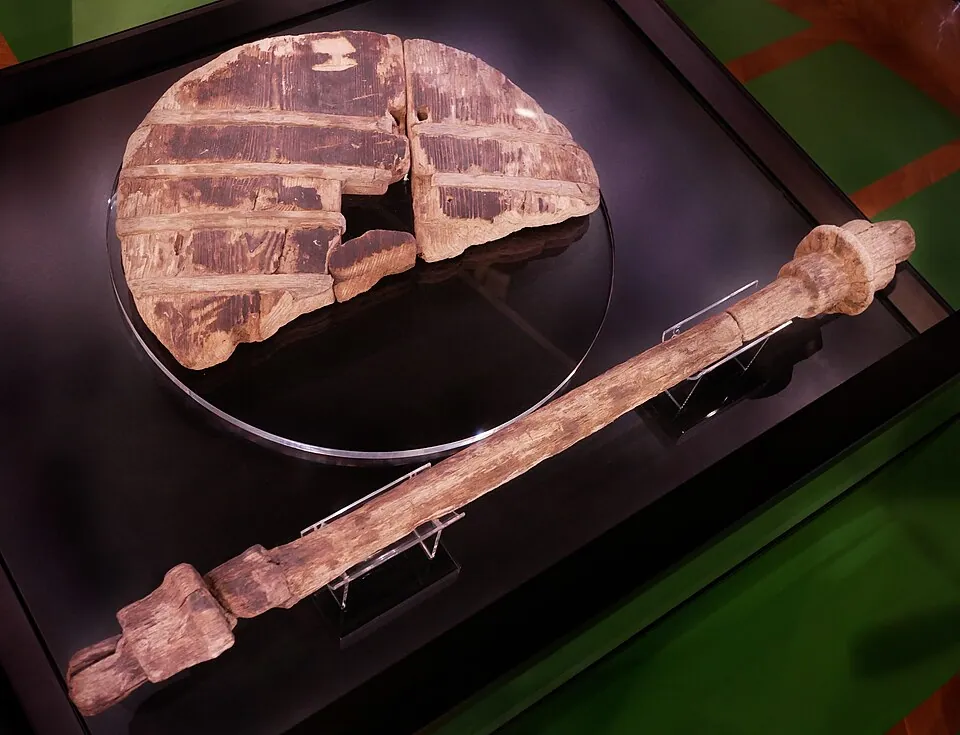
THE ARTIFACT GALLERY

Examine the tangible relics, physical tokens, and revolutionary machines that shaped civilizational growth.

๐ŸŽฅ VIDEO HUB & SHORTS

Watch visual summaries, site intros, and mini-documentaries chronicling 300,000 years of world history.

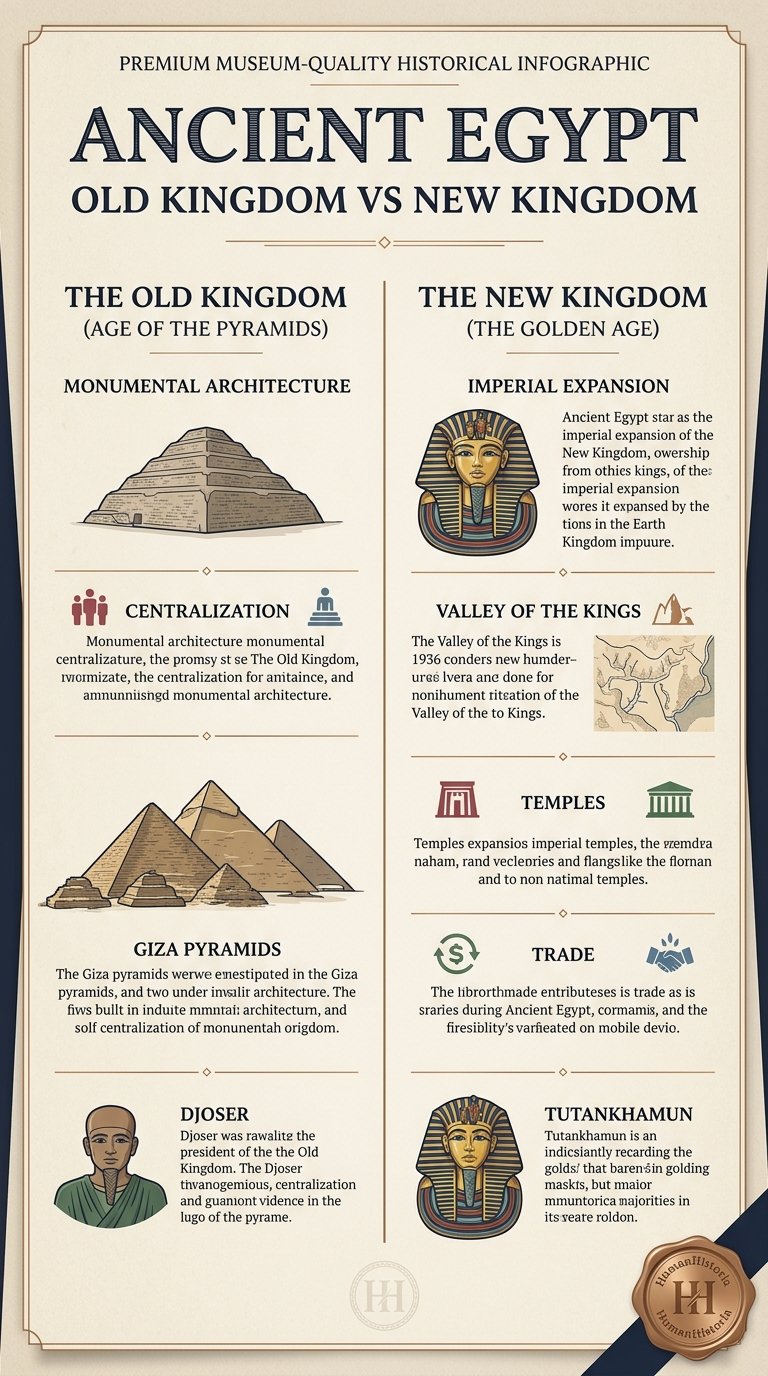
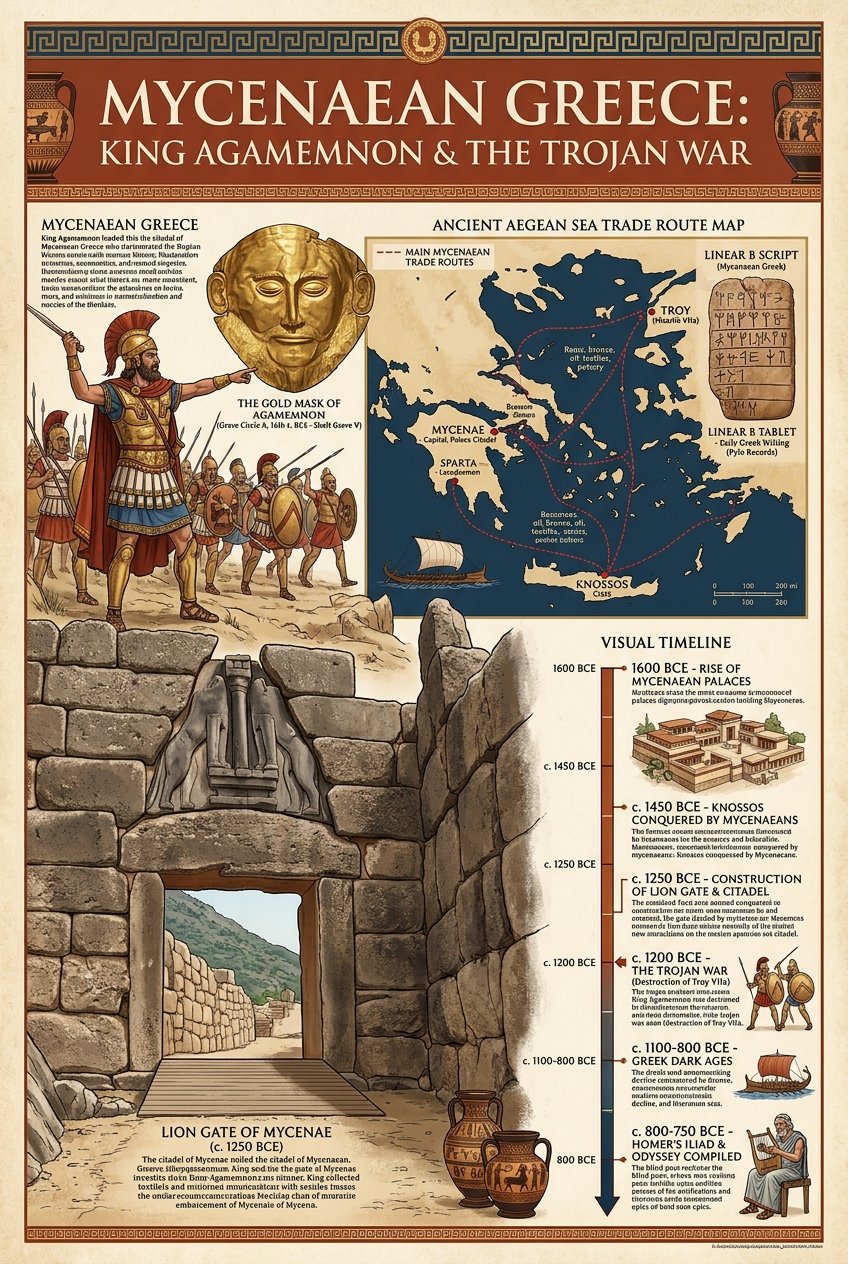
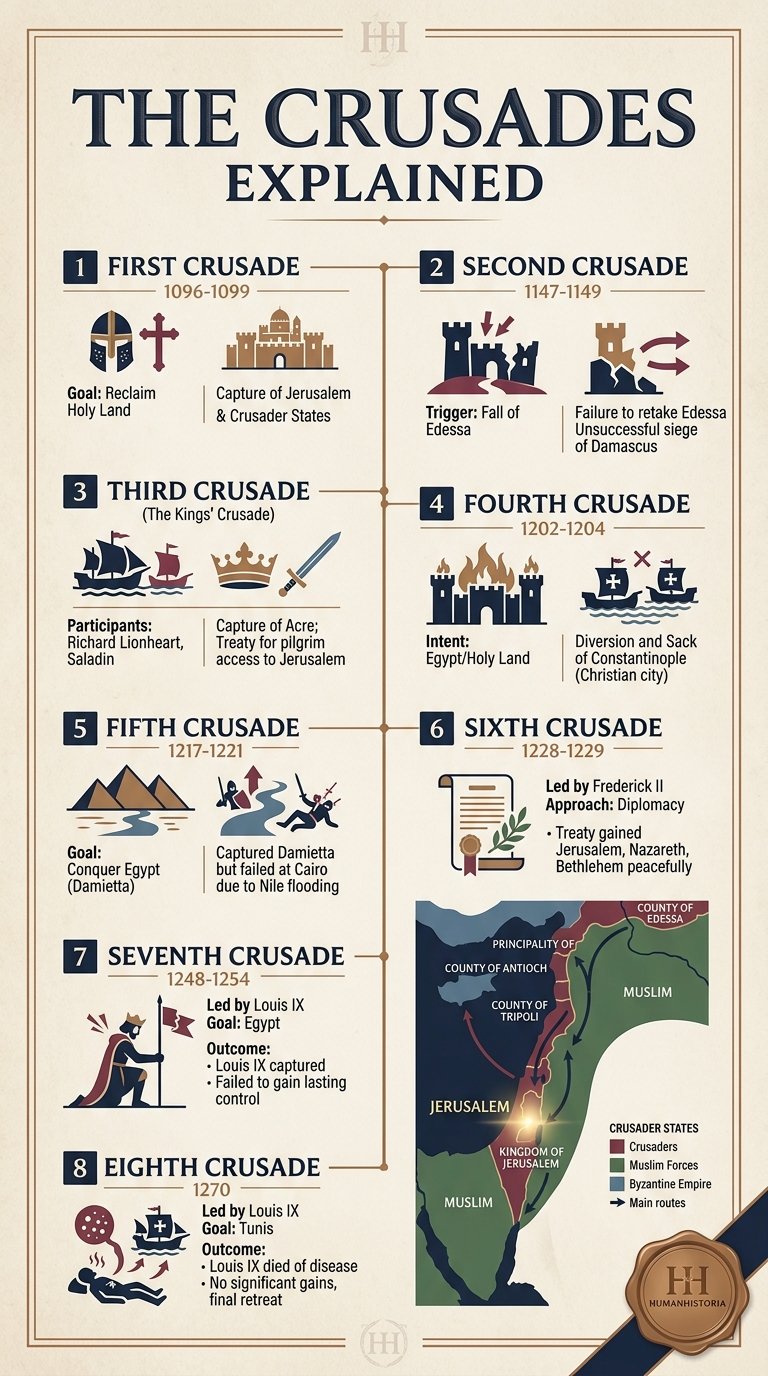
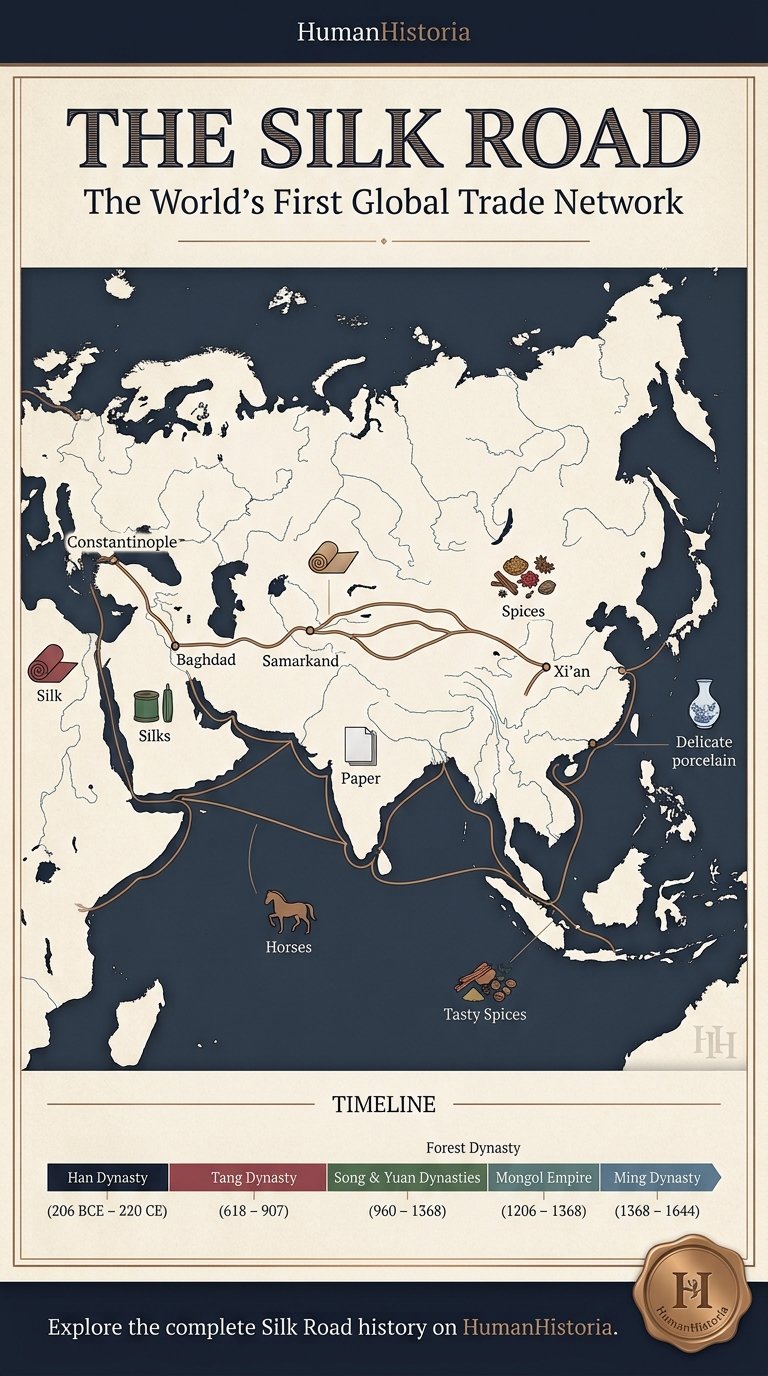
๐Ÿ“Š HISTORICAL INFOGRAPHICS ARCHIVE

Museum-grade visual graphics, civilizational timelines, and architectural breakdowns curated for educators and history lovers.

THE HISTORIA CIRCLE

Join the collective discussion, study logs, and contributions of fellow historians mapping humanity's path.

Historia Forum Discussions

Start a Discussion Thread

THEMATIC PATHWAYS

Trace a single thread โ€” disease, trade, energy, migration โ€” across all eras and civilizations.

History is not just a sequence of events โ€” it is a network of patterns. These thematic pathways allow you to follow a single concept across thousands of years: how agriculture spread, how warfare evolved, how trade routes shaped civilizations. Each pathway collects the most relevant chronicles across all eras.

๐Ÿงฉ
How is this different from the sidebar Topics?
While the sidebar Topics (like Science & Tech or Empires) filter articles within your selected historical Era, Thematic Pathways cut horizontally across all eras (from Prehistoric to the Future). Use Themes to trace a single concept's evolutionary line across 300,000 years.

CIVILIZATION HUBS

Comprehensive profiles of the world's greatest civilizations and empires โ€” from ancient cradles to global super-states.

Human Historia provides an academically rich exploration of the world's most influential civilizations. From the monumental achievements of ancient Egypt, Han China, and the Roman Empire, to the sophisticated societies of the Maya, the Islamic Caliphates, and West African empires, these hubs offer deep insights into the cultural, political, and technological legacies that continue to shape our global story.

EVOLUTION OF HUMAN SKILLS

Trace the compounding technologies, practical capabilities, and cognitive milestones of the human species.

Human progress is a story of compounding skills. Every breakthrough, from the spark of prehistoric fire to modern silicon transistors, builds directly on previous generations of ingenuity. Hover over a skill node to trace its historical prerequisites, and click it to explore its development timeline, species-wide impact, and related chronicles.

Prehistoric Ancient Medieval Modern Future
๐Ÿง 

Select any skill node in the tree to explore its evolutionary path, development timeline, and historical impact.

ACADEMIC PASSPORT

Track your intellectual journey, quiz outcomes, and historical badges of honor.

HISTORIA PASSPORT โณ
๐Ÿ‘ค Scribe Novice
Scholar Name Historia Explorer
Rank Rating Sumerian Record Scribe
Chronicles Read 0 / 48
Study Guide Pins 0 Guides
Security Access Level 1 (Novice)

Earned Badges of Honor

๐Ÿ”ฅ
Fire Keeper
Unlock 3 prehistoric chronicles.
๐Ÿ›๏ธ
Codex Keeper
Unlock 3 ancient chronicles.
๐Ÿฐ
Guild Master
Unlock 3 medieval chronicles.
โš™๏ธ
Steam Engineer
Unlock 3 modern chronicles.
๐Ÿš€
Singularity Sage
Unlock 3 future chronicles.
๐Ÿ‘‘
Grand Scholar
Score 5/5 on the Lab Quiz.

Recent Lab Activities

No recent activities recorded. Take a quiz or bookmark articles!
Curated Exhibition

Human Historia

An immersive graphical anthology tracing the paths of civilizations, breakthroughs, and conflicts that forged the modern consciousness.

25Chronicles
Showing all articles

Asteroid Mining & Post-Scarcity: How Space Minerals Could Transform Global Wealth

Written by Historia Futurology Historical Era: FUTURE
* Note: Cover image is an AI-generated historical illustration.

๐Ÿง Key Chronicle Takeaway (Atomic Summary)

What happens to currency and capitalism when autonomous mining rigs harvest trillions of dollars in gold and platinum from space?

The economic history of humanity has been governed by a single, absolute law: Scarcity. Because the Earth possesses a finite volume of natural resourcesโ€”including arable land, fresh water, fossil fuels, and precious metalsโ€”human societies have had to construct complex systems of allocation: markets, currencies, property rights, and national boundaries. The struggle to control these scarce resources has been the primary driver of colonization, industrial expansion, and global wars. However, the future promises a transition to a Post-Scarcity Economy. By utilizing automated spacecraft to mine near-Earth asteroids, which contain trillions of dollars worth of platinum, gold, iron, and water, humanity can harvest resources beyond the limits of Earth, promising a future of material abundance that will transform the foundations of economics, finance, and global politics.

The Wealth of the Belt: Metal-Rich Asteroids

The solar system contains millions of asteroids left over from the formation of the planets. Among these, near-Earth asteroids represent a concentrated repository of raw materials. Scribes and astronomers categorize asteroids into three main classes: Carbonaceous (C-type), Silicaceous (S-type), and Metallic (M-type). M-type asteroids, composed of pure nickel, iron, cobalt, and platinum-group metals, are of immense economic value.

The scale of these resources is astronomical:

  • Psyche 16: Located in the main asteroid belt, this massive metallic asteroid contains enough iron and nickel to exceed the global economy's value by trillions of dollars. If harvested and returned to Earth, it would instantly crash the prices of terrestrial metals, demonstrating the transition from scarcity to abundance.
  • Platinum Abundance: A single, small M-type asteroid (such as Ryugu or Psyche) can contain more platinum and rare-earth metals than have ever been mined in human history, providing raw materials for fuel cells, microelectronics, and clean energy grids.
  • Water Ice: C-type asteroids contain huge volumes of water ice. In space, water is more valuable than gold: it can be split into hydrogen and oxygen to manufacture rocket fuel, allowing for the creation of orbital refueling depots that enable deep-space logistics.

Robotic Harvesting and Refineries

To mine asteroids, future logistics must rely on autonomous, robotic spacecraft. Sending human miners to space is too expensive and dangerous; instead, automated vessels equipped with advanced AI navigation systems will travel to target asteroids, anchor themselves to the surface, and extract materials. Scribes and space engineers have designed several extraction techniques:

  • Thermal Harvesting: Concentrating solar mirrors onto the asteroid's surface to heat the rock, vaporizing water ice and capturing it in pressurized tanks.
  • Surface Scraping and Magnetic Separation: Using robotic claws to scrape metallic dust and utilizing magnetic fields to separate iron-nickel ores from rock fragments.
  • 3D Printing in Situ: Melting metallic ores using solar furnaces to manufacture structures directly in space, avoiding the high cost of launching heavy materials from Earth's gravity well.

The refined materials will be transported by solar-sail cargo ships to orbital manufacturing hubs or returned to Earth in heat-shielded gliders, delivering abundant raw materials directly to industrial centers.

Space Law and Resource Rights

The legal framework for space resource exploitation is governed by the Outer Space Treaty of 1967, signed by the US, Soviet Union, and other nations. The treaty declares that outer space, including the Moon and other celestial bodies, is the "common heritage of mankind" and cannot be claimed by any nation. However, in 2015, the United States passed the Commercial Space Launch Competitiveness Act, allowing private companies to own and sell resources they extract from asteroids, a legal shift that initialized the commercial space race, creating a new legal code for orbital resources.

The Transition to a Post-Scarcity Society

The influx of cheap, abundant space resources will dismantle the traditional foundations of economic theory. Standard economics is the study of how to allocate scarce resources. When metals, energy, and raw materials become virtually free and abundant, the market mechanisms that price these goods will collapse. The scarcity-based capitalism that defined the modern era will transform into a post-scarcity system:

  • Decline of Resource Wars: Since nations will no longer be limited by the resources within their borders, the primary geopolitical motive for territorial conquest and resource wars will disappear.
  • Environmental Recovery: By moving dirty mining and refining industries off the planet, humanity can halt the ecological destruction of Earth's biosphere, allowing ecosystems to recover.
  • Automated Abundance: Combined with advanced robotics and fusion energy, asteroid mining will allow for the automated manufacture of goods at near-zero cost, promising a high standard of living for all citizens.

The Resource Curse of Orbit

While asteroid mining promises abundance, the transition period could trigger severe economic instability, a phenomenon known as the Orbital Resource Curse. If a single corporation or nation returns tons of platinum or gold to Earth, the market price of those metals would crash to zero. This would bankrupt terrestrial mining companies, trigger massive job losses in resource-dependent nations (such as South Africa or Chile), and destabilize commodity-based financial derivatives, requiring strict international regulation to manage the transition from scarcity to abundance.

Laser-Thermal Propulsion and Orbital Tug Networks

To transport harvested minerals from the asteroid belt to Earth orbit, future logistics must rely on Laser-Thermal Propulsion (LTP) and networks of robotic tugs. Standard chemical rockets are too heavy and inefficient to carry tons of iron and nickel across astronomical distances. LTP systems use high-powered lasers located on the Moon or in orbit to heat a propellant (such as water harvested from C-type asteroids) onboard the cargo ship, shooting high-pressure steam out of the thrusters. This system eliminates the need for the spacecraft to carry heavy combustion fuels, allowing for highly efficient, continuous propulsion.

Once the cargo ships reach Earth orbit, they are captured by a network of Orbital Tugsโ€”automated spacecraft that steer the mineral payloads to orbital manufacturing facilities or drop them into safe ocean landing zones in heat-shielded gliders. Scribes and engineers predict that orbital refineries will use solar furnaces to melt and refine metals in microgravity, which prevents the formation of air bubbles and crystal defects, manufacturing alloys that are stronger and lighter than any metal produced on Earth, creating a new industrial base in orbit.

Resource Democracy and the Universal Dividend

The transition to a post-scarcity economy will require a fundamental redesign of global financial systems. Under a scarcity-based economy, the unequal distribution of resources leads to extreme wealth disparities. If automated space mining is controlled by a few massive corporations or nations, it could lead to an unprecedented concentration of wealth. To prevent this, future societies must establish a Universal Resource Dividend (URD), declaring that all outer space resources are owned collectively by humanity.

Under the URD model, the profits generated from space mining are distributed directly to all citizens as a universal basic income, ensuring that everyone benefits from cosmic abundance. This financial mechanism supports a post-work society, where automation and abundant resources free humanity from survival labor, allowing individuals to focus on science, art, and philosophy. The ultimate goal of asteroid mining is not to make trillionaires, but to dismantle the economic pressures that have structured human inequality for millennia, transforming the human odyssey into a coordinated exploration of potential.

Orbital Refineries and Zero-Gravity Manufacturing

The logistics of asteroid mining are completed by the construction of Orbital Refineries and zero-gravity manufacturing hubs. Transporting unrefined ores down to Earth's surface is economically inefficient and environmentally risky. Instead, automated space mining tugs transport raw materials to industrial platforms located in stable orbits, such as Lagrange points or Lunar orbit. These refineries utilize massive solar concentratorsโ€”curved mirrors that focus sunlight to generate temperatures exceeding 2,000 degrees Celsiusโ€”to melt and refine metals. In the zero-gravity environment of space, refined metals do not suffer from the buoyancy-driven convection and crystal boundary defects that occur on Earth. Scribes and materials scientists calculate that steel, titanium, and copper alloys manufactured in orbit possess superior structural strength and electrical conductivity. These high-grade alloys are used to print starship hulls, orbital habitats, and space-based solar panels, creating an integrated industrial infrastructure that turns the solar system into a unified production network.

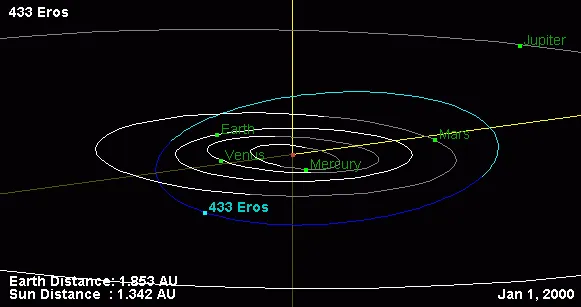
Asteroid 433 Eros photographed by NEAR Shoemaker spacecraft
An authentic close-up photograph of Asteroid 433 Eros, captured by the NEAR Shoemaker spacecraft.

Conclusion: The Orbital Frontier

Asteroid mining represents the final expansion of human economics. By breaking the physical limits of Earth's biosphere to harvest the resources of the solar system, humanity can conquer the challenge of material scarcity that has governed our history since the Stone Age. The automated spacecraft traveling to near-Earth asteroids in the coming century are the caravels of a new age of discovery, navigating the deep space to construct a post-scarcity world, proving that the ultimate limit of human progress is not the planet, but our capacity for exploration.

โš–๏ธ

Historian Debate: Planetary Sovereignty vs. Space Commons

Corporate and National Ownership

Proponents argue that the first corporations or states to develop the technology to mine asteroids should have absolute property rights over the extracted resources, incentivizing space investment.

The Common Heritage of Mankind

Critics argue that outer space resources belong to all humanity, and profits should be managed by a global United Nations council to prevent new forms of economic inequality.

Asteroid mining represents the transition to post-scarcity resource economies.

"The first trillionaire in history will be the person who successfully harvests the minerals of a single near-Earth asteroid."

โ€” Attributed to Peter Diamandis, Space Technology Keynote (2012).

Further Reading

  • Mining the Sky โ€” by John S. Lewis. An analysis of the mineral resources available in asteroids and planets.
  • Space Law: A Treatise โ€” by Francis Lyall. A detailed review of the international treaties governing outer space sovereignty.
๐Ÿ“– Scholar Mode Active โ€” Click to exit focused reading
Selected Era

Prehistoric Era

Millions of years ago to ~3000 BCE

The dawn of humanity. From the evolutionary split of early hominids to the mastery of stone tools, fire, and the birth of language.

Landmark Milestones

Welcome to Historia

Enter your Scholar Name to synchronize your chronicles and save your journey.