Examine the tangible relics, physical tokens, and revolutionary machines that shaped civilizational growth.
๐ฅ VIDEO HUB & SHORTS
Watch visual summaries, site intros, and mini-documentaries chronicling 300,000 years of world history.
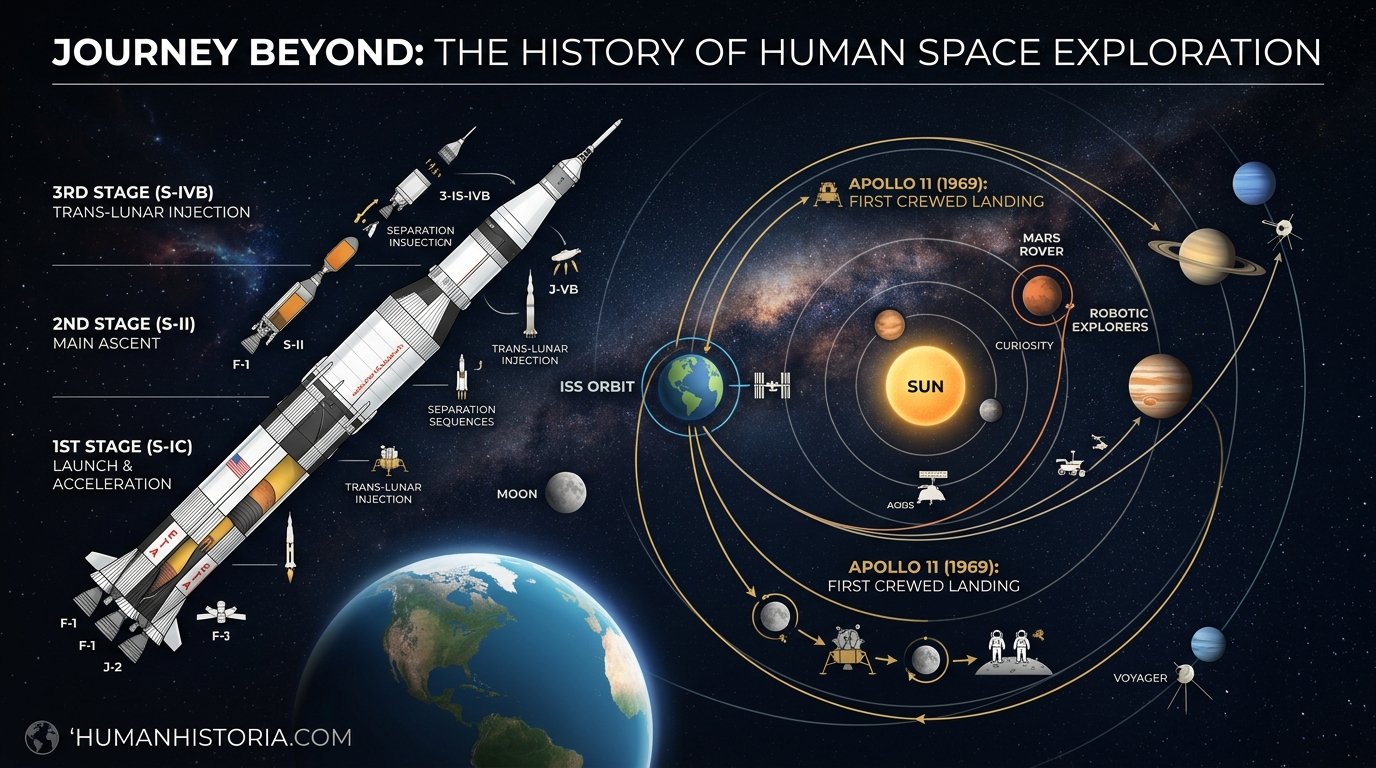
๐ HISTORICAL INFOGRAPHICS ARCHIVE
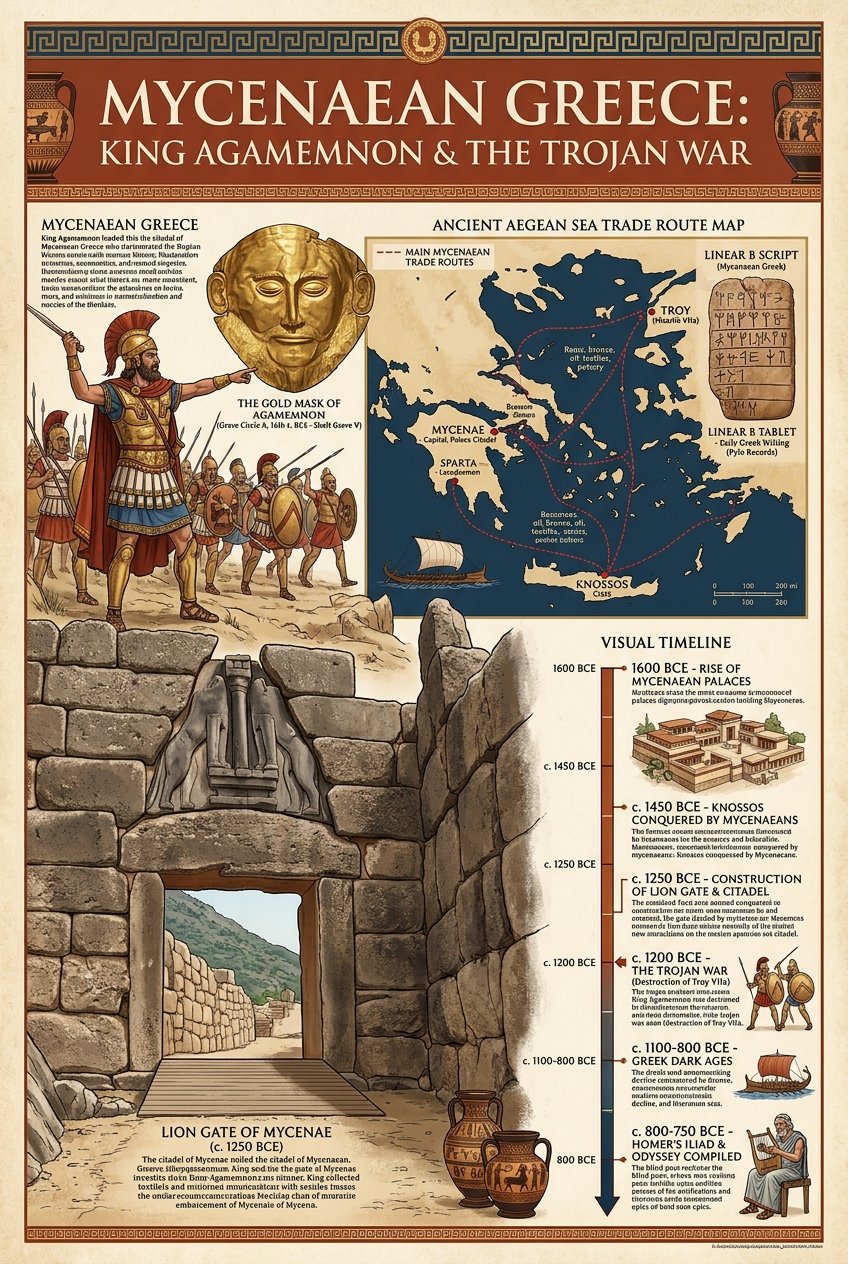
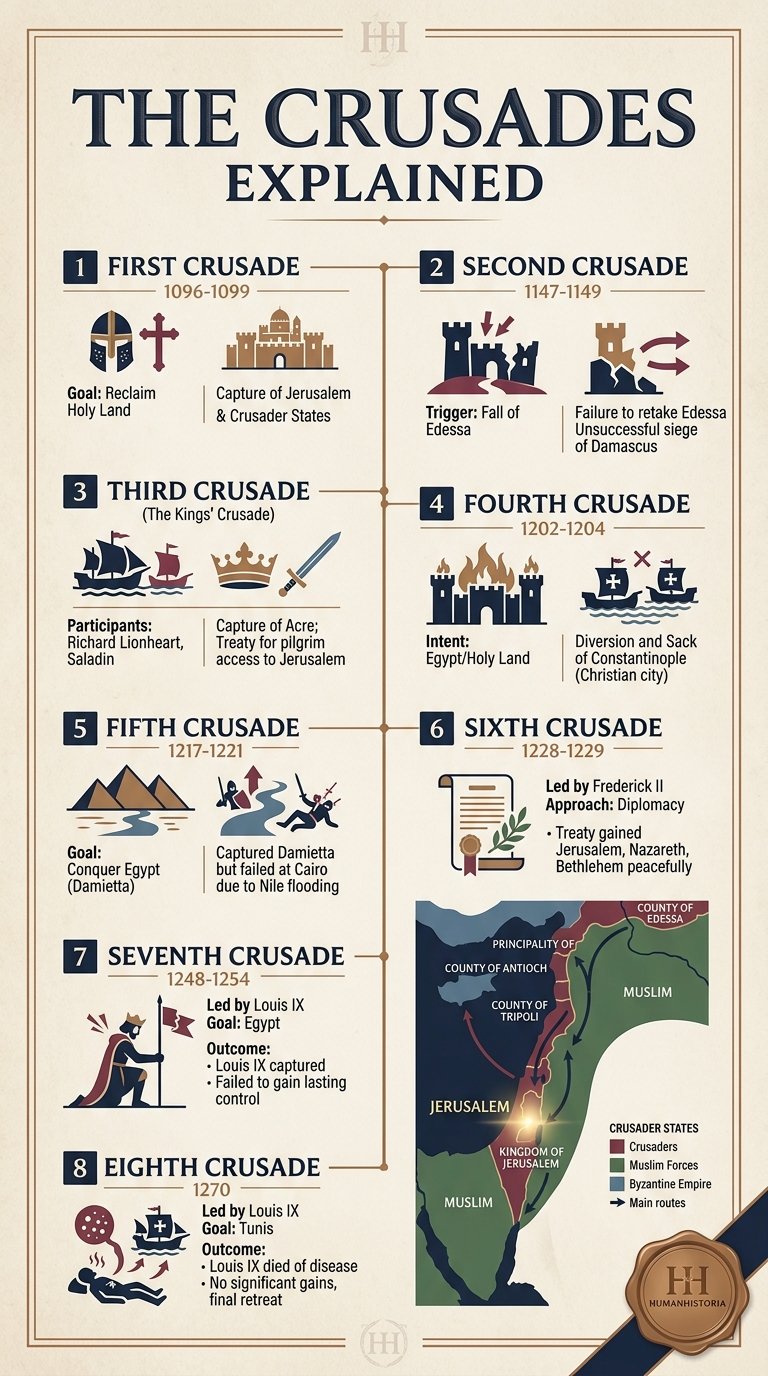
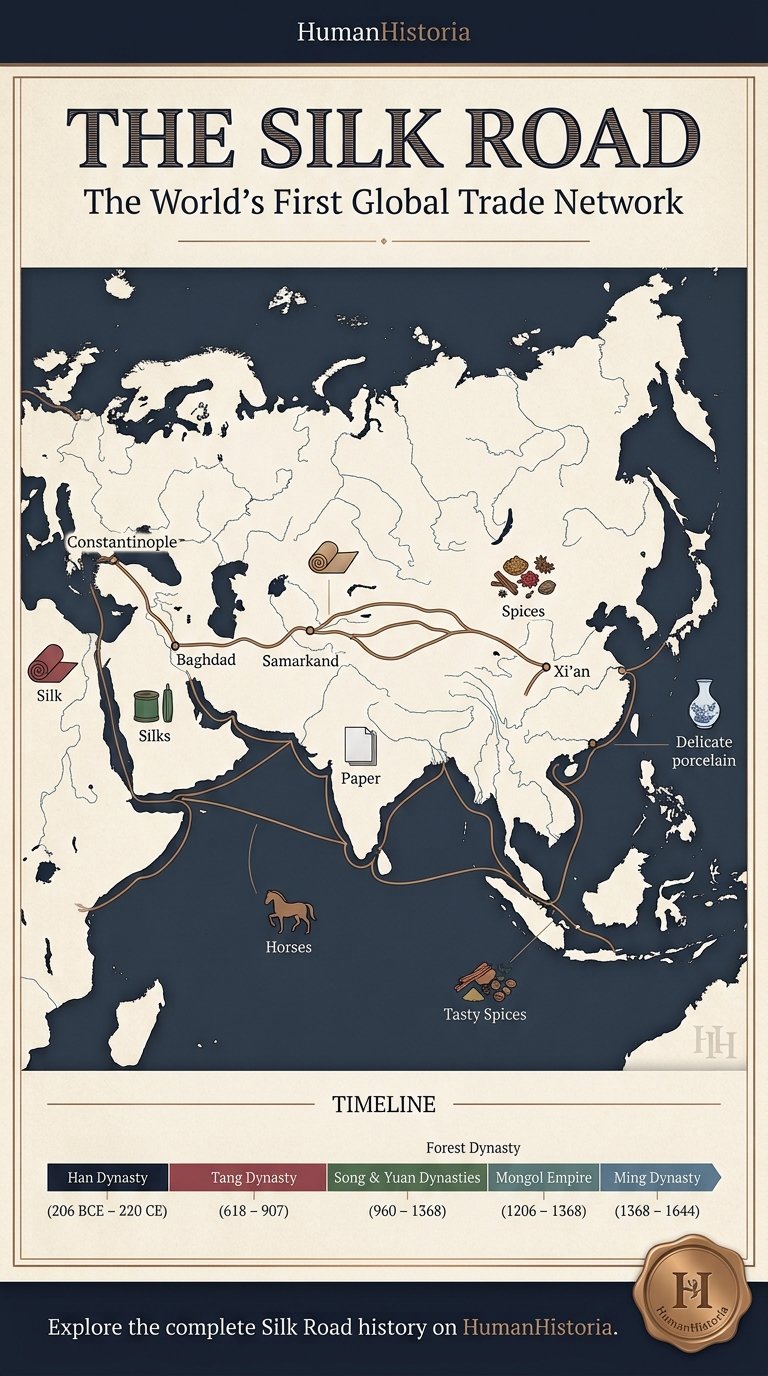
Museum-grade visual graphics, civilizational timelines, and architectural breakdowns curated for educators and history lovers.
THE HISTORIA CIRCLE
Join the collective discussion, study logs, and contributions of fellow historians mapping humanity's path.
Historia Forum Discussions
Start a Discussion Thread
THEMATIC PATHWAYS
Trace a single thread โ disease, trade, energy, migration โ across all eras and civilizations.
History is not just a sequence of events โ it is a network of patterns. These thematic pathways allow you to follow a single concept across thousands of years: how agriculture spread, how warfare evolved, how trade routes shaped civilizations. Each pathway collects the most relevant chronicles across all eras.
๐งฉ
How is this different from the sidebar Topics?
While the sidebar Topics (like Science & Tech or Empires) filter articles within your selected historical Era, Thematic Pathways cut horizontally across all eras (from Prehistoric to the Future). Use Themes to trace a single concept's evolutionary line across 300,000 years.
CIVILIZATION HUBS
Comprehensive profiles of the world's greatest civilizations and empires โ from ancient cradles to global super-states.
Human Historia provides an academically rich exploration of the world's most influential civilizations. From the monumental achievements of ancient Egypt, Han China, and the Roman Empire, to the sophisticated societies of the Maya, the Islamic Caliphates, and West African empires, these hubs offer deep insights into the cultural, political, and technological legacies that continue to shape our global story.
EVOLUTION OF HUMAN SKILLS
Trace the compounding technologies, practical capabilities, and cognitive milestones of the human species.
Human progress is a story of compounding skills. Every breakthrough, from the spark of prehistoric fire to modern silicon transistors, builds directly on previous generations of ingenuity. Hover over a skill node to trace its historical prerequisites, and click it to explore its development timeline, species-wide impact, and related chronicles.
Prehistoric Ancient Medieval Modern Future
๐ง
Select any skill node in the tree to explore its evolutionary path, development timeline, and historical impact.
ACADEMIC PASSPORT
Track your intellectual journey, quiz outcomes, and historical badges of honor.
HISTORIA PASSPORTโณ
๐คScribe Novice
Scholar NameHistoria Explorer
Rank RatingSumerian Record Scribe
Chronicles Read0 / 48
Study Guide Pins0 Guides
Security AccessLevel 1 (Novice)
Earned Badges of Honor
๐ฅ
Fire Keeper
Unlock 3 prehistoric chronicles.
๐๏ธ
Codex Keeper
Unlock 3 ancient chronicles.
๐ฐ
Guild Master
Unlock 3 medieval chronicles.
โ๏ธ
Steam Engineer
Unlock 3 modern chronicles.
๐
Singularity Sage
Unlock 3 future chronicles.
๐
Grand Scholar
Score 5/5 on the Lab Quiz.
Recent Lab Activities
No recent activities recorded. Take a quiz or bookmark articles!
Curated Exhibition
Human Historia
An immersive graphical anthology tracing the paths of civilizations, breakthroughs, and conflicts that forged the modern consciousness.
25Chronicles
Showing all articles
Deep Space Exploration: Interplanetary Travel, Colonization & Starships
Written by Historia FuturologyHistorical Era: FUTURE
๐จ Historical Illustration (AI)
* Note: Cover image is an AI-generated historical illustration.
๐ง Key Chronicle Takeaway (Atomic Summary)
The technology, physics, and ethics of terraforming Mars and building human colonies in space.
The Russian space pioneer Constantine Tsiolkovsky famously wrote: "Earth is the cradle of humanity, but one cannot live in a cradle forever." As humanity stands on the brink of the 21st century and beyond, the exploration of space is transitioning from temporary scientific missions to permanent, self-sustaining Interplanetary Colonisation. Driven by the limits of Earth's resources, the threat of existential risks, and the transition to a Kardashev Type I and II Civilization, the expansion of humanity to Mars, the asteroid belt, and eventually the stars represents the next phase of human evolution and technology.
The Existential Imperative: Why Leave Earth?
To understand the drive for space colonisation, one must analyze it through the lens of existential risk mitigation. Throughout its history, Earth has experienced five mass extinction events, caused by asteroid impacts, volcanic eruptions, and climate shifts. Today, humanity faces self-induced existential risks, including nuclear war, bioweapons, run-away climate change, and artificial superintelligence.
As long as humanity remains on a single planet, its survival is vulnerable to a single planetary catastrophe. By establishing self-sustaining colonies on other celestial bodies, humanity creates an "off-site backup" of human civilization, language, and science. If a catastrophe strikes Earth, the human story can continue from its interplanetary outposts, securing the long-term survival of consciousness.
The Primary Target: The Physics and Environment of Mars
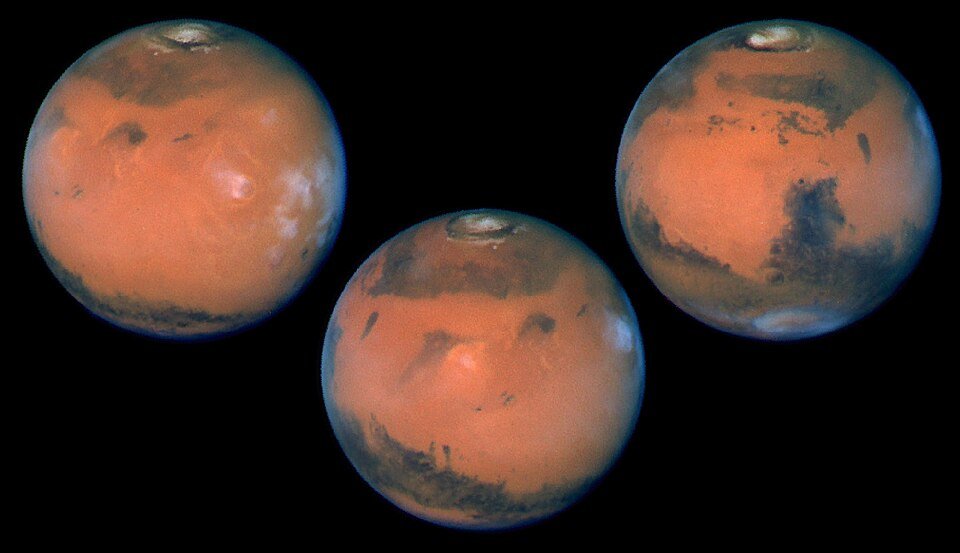
While the Moon serves as a close testing ground, Mars is the primary target for early human colonisation. Unlike the vacuum of the Moon, Mars possesses characteristics that make it habitable for long-term settlement:
Day-Night Cycle: A Martian day (sol) lasts 24 hours and 39 minutes, which is almost identical to Earth's, allowing human circadian rhythms and plant growth cycles to adapt easily.
Water Resources: Mars contains massive deposits of water ice in its polar caps, underground glaciers, and permafrost. This water can be extracted, purified for drinking, and split via electrolysis into oxygen (for breathing) and hydrogen (for rocket fuel).
Atmospheric Elements: The thin Martian atmosphere (1% of Earth's pressure) is 95% carbon dioxide. Using the Sabatier reaction, this CO2 can be combined with hydrogen to manufacture methane fuel (CH4), allowing return rockets to refuel on Mars.
However, Mars presents environmental challenges:
Low Gravity: Mars' gravity is only 38% of Earth's. Long-term exposure to low gravity causes muscle atrophy and bone density loss, requiring medical interventions or artificial gravity solutions.
Cosmic Radiation: Mars lacks a global magnetic field (magnetosphere) and has a thin atmosphere, exposing the surface to solar wind and cosmic rays. Early habitats must be shielded, built underground in lava tubes or covered with thick layers of Martian soil (regolith).
Extreme Cold: Mars' average surface temperature is -60ยฐC, with nights dropping to -125ยฐC, requiring insulated habitats and thermal heating systems.
The Four Phases of Terraforming Mars
Terraforming is the process of modifying a planet's environment to make it habitable for Earth life. Scribes and physicists propose a four-stage process for Mars:
Phase 1: Pressurized Habitats: Settlers live in closed, pressurized domes, farming in greenhouses and wearing spacesuits outside.
Phase 2: Atmospheric Thickening: Releasing greenhouse gases (like fluorocarbons) from local minerals or redirecting ammonia-rich comets to crash into the poles. This warms the planet, sublimating the polar carbon dioxide ice into gas, thickening the atmosphere.
Phase 3: Hydrological Cycle: As the planet warms above freezing, underground water ice melts, forming liquid lakes, rivers, and rain.
Phase 4: Biological Oxygen Production: Introducing genetically modified cyanobacteria, lichens, and plants to slowly convert carbon dioxide into oxygen over centuries, eventually allowing humans to breathe without suits.
Asteroid Mining and the Space Economy
Space colonisation cannot be sustained as a charity project funded by Earth's taxpayers; it must become a self-funding, profitable economy. The engine of this space economy is Asteroid Mining.
The asteroid belt between Mars and Jupiter contains millions of rocky and metallic bodies rich in resources. Metal-rich asteroids (such as 16 Psyche) contain gold, platinum, iron, nickel, and cobalt in concentrations that dwarf Earth's remaining reserves. Mining these asteroids using automated machinery and smelting the metals in zero-gravity foundries could provide the raw materials needed to construct space habitats, orbital cities, and communications satellites without depleting Earth's resources.
Furthermore, water-rich asteroids (carbonaceous chondrites) can serve as "cosmic gas stations." Scribes propose mining the water ice, splitting it into liquid oxygen and hydrogen fuel, and storing it in orbital depots, allowing spacecraft to refuel in orbit without having to fight Earth's deep gravity well, reducing the cost of deep-space voyages.
Kardashev Scale and the Dyson Swarm
The Soviet astronomer Nikolai Kardashev categorized civilisations based on their energy consumption. A Type I Civilization harnesses the total energy of its home planet. A Type II Civilization harnesses the total energy output of its host star. To transition to Type II, Freeman Dyson proposed building a Dyson Swarmโa sphere of millions of solar-collecting satellites orbiting the Sun, capturing its radiation and transmitting the energy back to planetary colonies via microwave beams, providing virtually infinite power.
Beyond the Solar System: Interstellar Expansion
Once the Solar System is colonised, humanity's next frontier is the stars. Interstellar distances are massive; reaching the nearest star system, Alpha Centauri (4.2 light-years away), would take over 70,000 years using chemical rockets.
To cross this interstellar gulf, physicists are researching propulsion systems:
Laser Sail Propulsion: Using high-powered ground-based lasers to push lightweight, reflective sails attached to micro-probes, accelerating them to 20% of the speed of light (such as the Breakthrough Starshot project), reaching Alpha Centauri in 20 years.
Fusion and Antimatter Rockets: Harnessing nuclear fusion or matter-antimatter annihilation to propel massive colony ships (generation ships or sleeper ships) at fraction-of-light speeds.
O'Neill Cylinders: Building massive, rotating space habitats that host thousands of residents in artificial ecosystems, allowing generations to live, work, and die during a multi-century journey to a new star system.
Asteroid Mining and the Outer Solar System
Beyond Mars, the long-term economy of space colonisation will rely on harvesting the resources of the Asteroid Belt. Asteroids are remnants of the early solar system, containing metals that did not sink to the core of planets during formation. M-type (metallic) asteroids, such as 16 Psyche, contain iron, nickel, gold, platinum, and cobalt in quantities that exceed Earth's remaining reserves. Mining these bodies using automated robotic drills and smelting the metals in zero-gravity solar furnaces could provide the raw materials needed to construct space habitats, orbital cities, and communications grids without depleting Earth's resources.
Furthermore, C-type (carbonaceous) asteroids contain water ice, which can be harvested to manufacture rocket fuel (liquid oxygen and hydrogen) in space. This will allow spacecraft to refuel in orbit, avoiding the high cost of lifting fuel from Earth's deep gravity well. Beyond the asteroid belt, the ice moons of Jupiter and Saturnโmost notably Europa, Enceladus, and Titanโrepresent the next frontier. These moons contain vast oceans of liquid water beneath their ice crusts and rich deposits of organic molecules, serving as potential zones for human habitats and scientific research, proving that the solar system contains the resources to support a cosmic human civilization.
Solar Sails and Laser-Propelled Interstellar Journeys
To cross the light-year distances of interstellar space, physicists are researching Solar Sail technology. A solar sail is a massive, ultra-thin mirror sheet propelled by the pressure of sunlight, bypassing the need to carry heavy chemical fuel. Projects like Breakthrough Starshot propose building micro-spacecraft attached to light sails, propelled by a ground-based 100-gigawatt laser array. Scribes calculate that this laser pressure could accelerate the probes to 20% of the speed of light, allowing them to reach the Alpha Centauri star system in twenty years, transmitting photos and data back to Earth and initiating the interstellar epoch of human exploration.
Psychological Challenges of Long-Duration Spaceflight
In addition to radiation and gravity, space colonisation presents psychological barriers for human settlers. Travel to Mars requires a transit of at least six to nine months inside a confined space, separated from Earth's ecosystems by millions of miles. Settlers will experience sensory deprivation, lack of natural sunlight, and isolation from friends and family, which can trigger depression, sleep disorders, and group conflicts. To manage these risks, space agencies are researching crew selection, habitat designs that incorporate virtual reality nature zones, and psychological training, proving that the success of interplanetary colonisation depends as much on human psychological resilience as it does on rocket engineering.
In summary, the historical and structural developments explored in this chronicle demonstrate that human progress is a collective, cumulative endeavor. No single technology, empire, law, or language arose in a vacuum; each milestone built directly upon the achievements, resources, and failures of the civilizations that came before it. By examining these complex connections, we can see how early hominids mastering fire initiated a chain of technological innovations that led to the steam engine, heavy industry, and the digital age. As humanity stands on the brink of interplanetary exploration and artificial superintelligence, understanding these historical precedents provides us with the perspective needed to navigate the ethical, social, and technological challenges of the future. The human odyssey remains an ongoing, choices-driven journey across space and time, shaping the destiny of our species and the universe.
The O'Neill Cylinder: Space-Based Habitats
While planetary colonization focused on Mars and the Moon, physicists are researching free-floating space habitats known as O'Neill Cylinders. Proposed by physicist Gerard K. O'Neill in his 1976 work The High Frontier, an O'Neill Cylinder consists of two counter-rotating cylinders, each 5 miles in diameter and 20 miles long. The rotation of the cylinders generates centrifugal force, simulating Earth-like gravity on the inner surfaces, preventing the bone and muscle degradation caused by microgravity.
The interior of the cylinder is divided into alternating strips of land and glass windows, with solar mirrors reflecting sunlight inside to create day-night cycles. The atmosphere, temperature, and weather can be controlled, allowing for agricultural production and urban development. These stations can be constructed using raw materials extracted from asteroid mining, bypassing the need to lift heavy mass out of Earth's gravity well. By building O'Neill cylinders, humanity could house trillions of people in orbit around the Sun, creating a post-planetary civilization independent of biosphere limits.
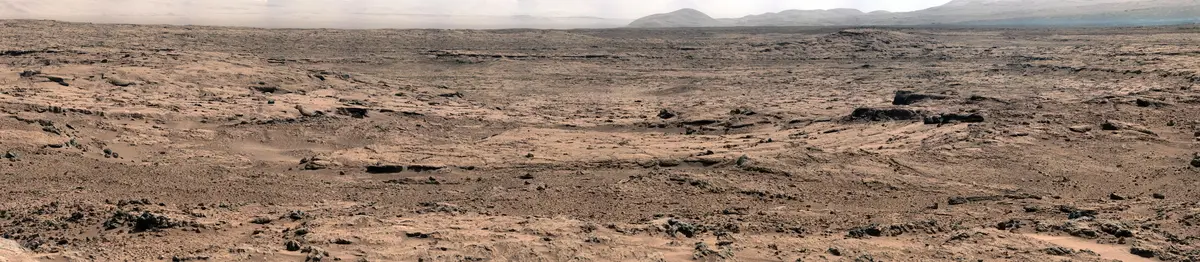
An authentic color panoramic photograph of the Martian surface, taken by the Curiosity Rover.
Conclusion and Legacy
Interplanetary colonisation is the ultimate test of human technology, cooperation, and adaptability. By leaving the cradle of Earth to colonise Mars, mine the asteroids, and build Dyson swarms, humanity secures its survival against existential risks, transitioning from a planetary species into a cosmic civilization that can carry the light of consciousness to the stars.
โ๏ธ
Historian Debate: The Ethics of Multi-Planetary Colonization
Survival of the Species
Proponents argue that colonizing Mars and space is a moral imperative to safeguard human consciousness against existential threats like asteroid impacts or nuclear war.
The Critique of Escapism
Critics argue that space colonization is a costly distraction from solving climate change and inequality on Earth, reproducing colonial exploitation in the cosmos.
The transition to a multi-planetary species marks the next boundary in human distribution.
"The Earth is the cradle of humanity, but mankind cannot stay in a cradle forever."
โ Konstantin Tsiolkovsky, Letter on Space Exploration (1911).
Related Civilizations & Contexts
Global Space ConsortiumsEmerging Tech HubsCosmic Exploration Guilds
Further Reading
The Case for Space โ by Robert Zubrin. A passionate argument for the technological feasibility and necessity of space colonization.
The Pale Blue Dot โ by Carl Sagan. A philosophical reflection on the human future in the cosmos.
๐ Scholar Mode Active โ Click to exit focused reading
History Lab ๐งช
Run simulated matches between civilizations and convert ancient currencies.
๐ต๏ธ Who Am I? (The Historical Guess Game)
A secret historical figure has been selected. Ask yes/no questions to narrow down the pool of candidates. Click any active card to make your accusation!
Secret Identity
โ Who Am I?
Ask questions using the board below to narrow down my identity.
Ask a Question:
Question LogQuestions: 0 / 7
No questions asked yet.
Candidate Board:
๐บ๏ธ Timeline Scramble
Five historical events appear out of order. Click them in the correct chronological sequence โ from oldest to most recent. How well do you know your history?
๐บ Relic or Fake?
Is this a real historical artifact or a convincing fabrication? Judge each one based on its description and era โ then see the truth revealed!
Artifact 1 / 10Score: 0
Empire Matchup Simulator
Empire ATerritory Size (Peak, M kmยฒ)Empire B
00
Empire APopulation (Peak, Millions)Empire B
00
Empire AMilitary Power (Army Size)Empire B
00
Tactical Battle Analysis
Select empires and click simulate to run evaluations.
Historical Purchasing Power Converter
See what ancient coins are worth in modern terms and check their historical purchasing power.
Modern Value Equivalent
$0.00 USD
Historical Purchasing Power:
Select currency to view purchasing capability.
Historical Identity Generator
Forge an authentic historical identity from ancient civilisations, complete with linguistic meaning and biography.
Neutral
Gaius Julius
Meaning:Descendant of Jupiter
Historical Background:
A Roman citizen and clerk who worked in the forum under Roman republic rule.
Chrono-Cultural Fusion Simulator
Fuse the culture, technology, and governance of two legendary civilizations to synthesize a unique hybrid society.
Cohesion & Coexistence Rate
85%
๐๏ธ Hybrid Architecture
โ๏ธ Synthesized Asset
๐ Synthetic Governance
Historical Tactics & Trivia Quiz
Test your historical knowledge and battle tactics to claim your administrative rank.
8 Questions โข Multi-Era
You will be presented with random scenarios and trivia spanning ancient Egypt, classical Rome, Islamic Golden Age, and the modern industrial era. Complete the evaluation to see your historical title!
Question 1 of 8Score: 0
What was the Code of Hammurabi written on?
Correct!
Evaluation Complete!
6 / 8
Correct
Rank Attained
Imperial Legionary
Your knowledge of classical strategy and administrative structures is respectable.
๐ฒ Counterfactual "What If?" Scenario Simulator
Explore alternative historical trajectories by tweaking key civilizational pivot points.
Simulated Shift
Selected Era
Prehistoric Era
Millions of years ago to ~3000 BCE
The dawn of humanity. From the evolutionary split of early hominids to the mastery of stone tools, fire, and the birth of language.
Landmark Milestones
Welcome to Historia
Enter your Scholar Name to synchronize your chronicles and save your journey.
THEMATIC SHORTโฑ๏ธ 0:45
Title Loading...
Description loading...
1 / 13
๐ก Tip: Use Arrow Keys โฌ ๏ธ โก๏ธ to binge watch shorts