>
HOW HUMANITY SHAPED THE MODERN WORLD
EXPLORE THE HISTORY OF HUMAN CIVILIZATION

From prehistoric origins to the modern era—discover the turning points, lost empires, and breakthroughs of world history through interactive timelines and visual guides.

KEY HISTORICAL EVENTS
Major Turning Points in World History
All 182 Chronicles →
Pax Romana (27 BCE - 180 CE): Roman Empire, Law & Military Supremacy ANCIENT AGES
🏛️ Empires ⏱️ 5 min read
Pax Romana (27 BCE - 180 CE): Roman Empire, Law & Military Supremacy

Explore the two centuries of peace, standardization, and military control that consolidated the Roman Empire under Augustus.

Read Chronicle →
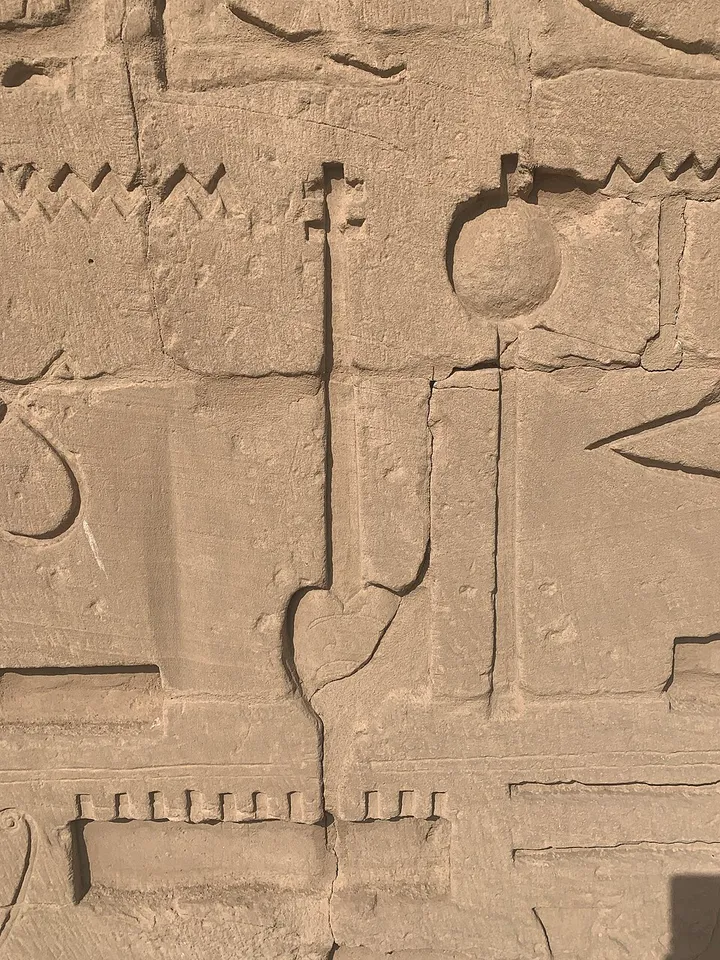
Egyptian Hieroglyphs: Decipherment, Scribes & Sacred Carvings ANCIENT AGES
🏛️ Languages ⏱️ 9 min read
Egyptian Hieroglyphs: Decipherment, Scribes & Sacred Carvings

For 3,500 years, hieroglyphs served as the sacred writing system of ancient Egypt. Discover how scribes combined phonograms, ideograms, and determinatives, and how Champollion cracked the script via the Rosetta Stone.

Read Chronicle →
Silk Road (130 BCE – 1453 CE): Ancient Trade Network, Silk & Spices ANCIENT AGES
🏛️ Economics ⏱️ 5 min read
Silk Road (130 BCE – 1453 CE): Ancient Trade Network, Silk & Spices

Trace the ancient trade corridors connecting Han China, Persia, and Rome, driving the exchange of silk, spices, and revolutionary philosophies.

Read Chronicle →
The Black Death Pandemic 1346: Yersinia Pestis, Mortality & Feudal Shift MEDIEVAL PERIOD
🏛️ Society ⏱️ 5 min read
The Black Death Pandemic 1346: Yersinia Pestis, Mortality & Feudal Shift

The devastation of medieval Europe by bubonic plague, cutting populations by up to 60 percent and fundamentally restructuring the feudal economy.

Read Chronicle →
The Gutenberg Press & The Protestant Reformation MEDIEVAL PERIOD
🏛️ Science ⏱️ 6 min read
The Gutenberg Press & The Protestant Reformation

Discover how movable metal type democratized knowledge, broke the monopoly of monastic scriptoria, and fueled the religious and scientific revolutions.

Read Chronicle →
Neolithic Agricultural Revolution 10,000 BCE: Fertile Crescent Farming PREHISTORIC ERA
🏛️ Science ⏱️ 5 min read
Neolithic Agricultural Revolution 10,000 BCE: Fertile Crescent Farming

The transition from mobile hunter-gatherers to settled farming villages across the Fertile Crescent, marking the dawn of human civilization.

Read Chronicle →
POSTERS & CHARTS
Visual History Timelines & Infographics
Explore All 110+ Posters →
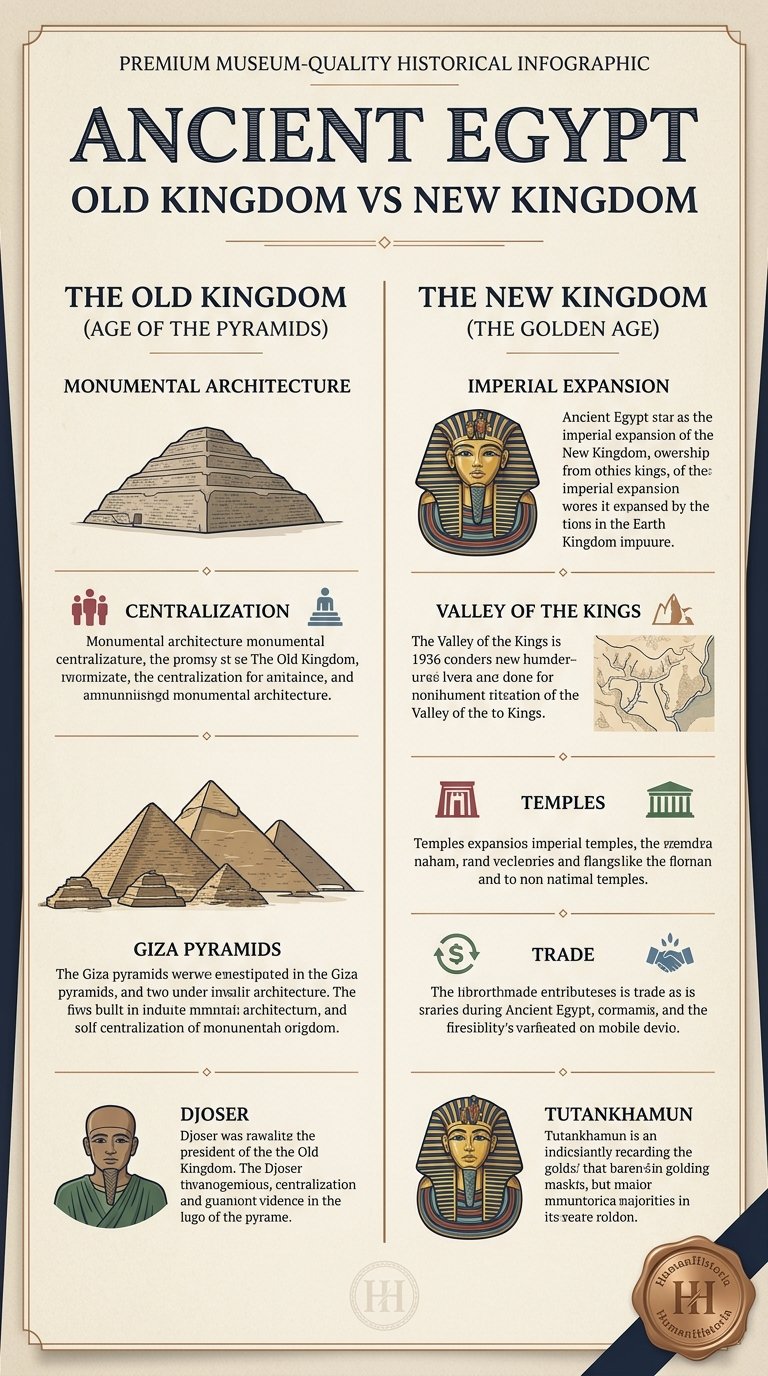
Ancient Egypt: Old Kingdom vs. New Kingdom
🔍 Tap to Zoom
Ancient Egypt: Old Kingdom vs. New Kingdom
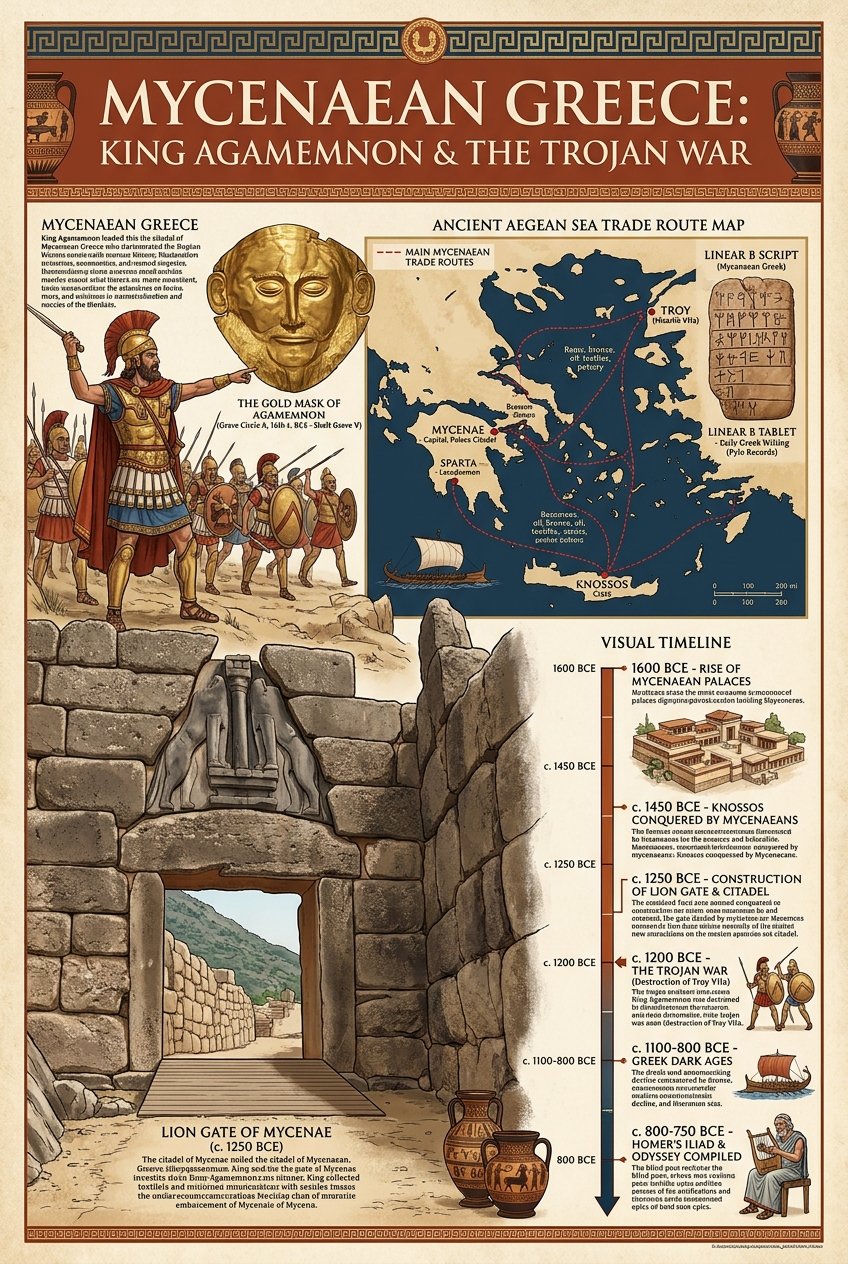
Mycenaean Greece & Trojan War History
🔍 Tap to Zoom
Mycenaean Greece & The Trojan War
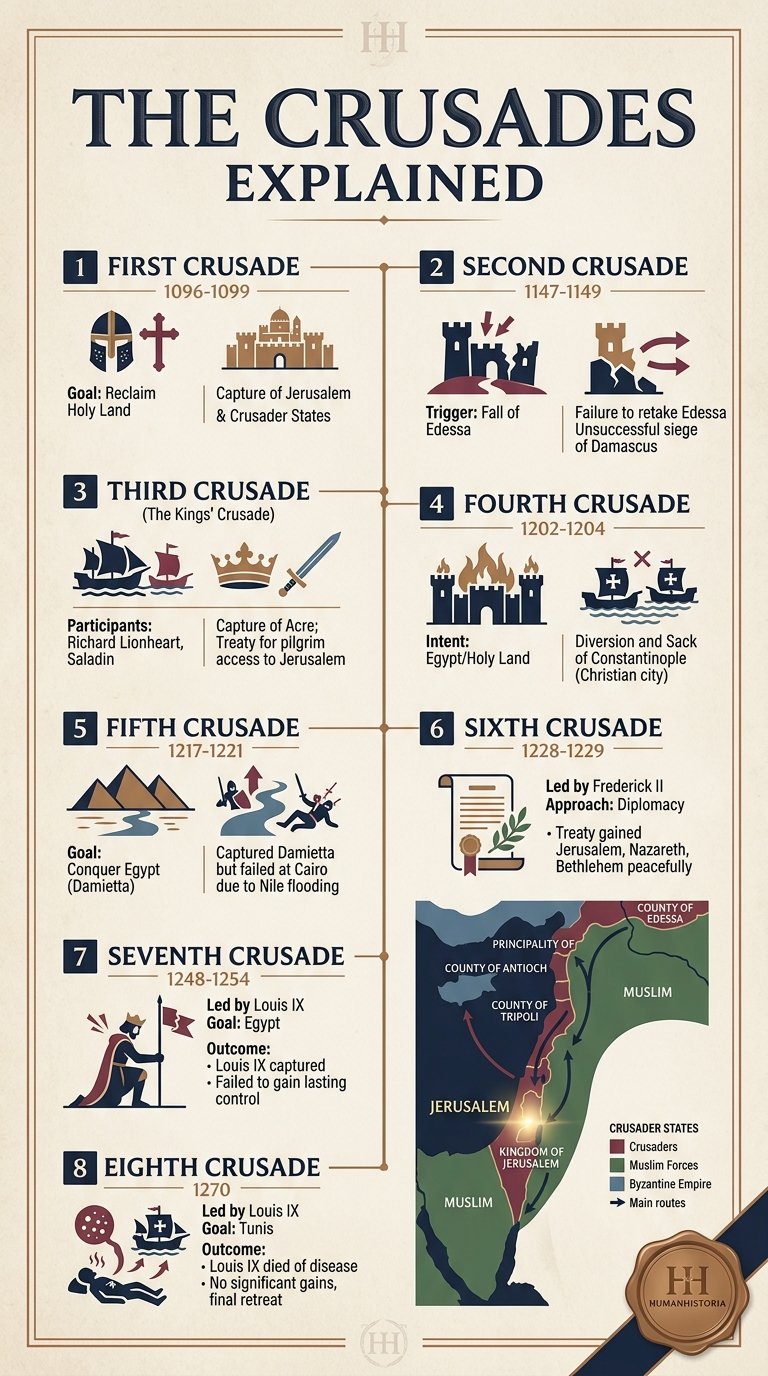
The Crusades: Holy War, Trade & Cultural Exchange
🔍 Tap to Zoom
The Crusades: Holy War, Trade & Exchange
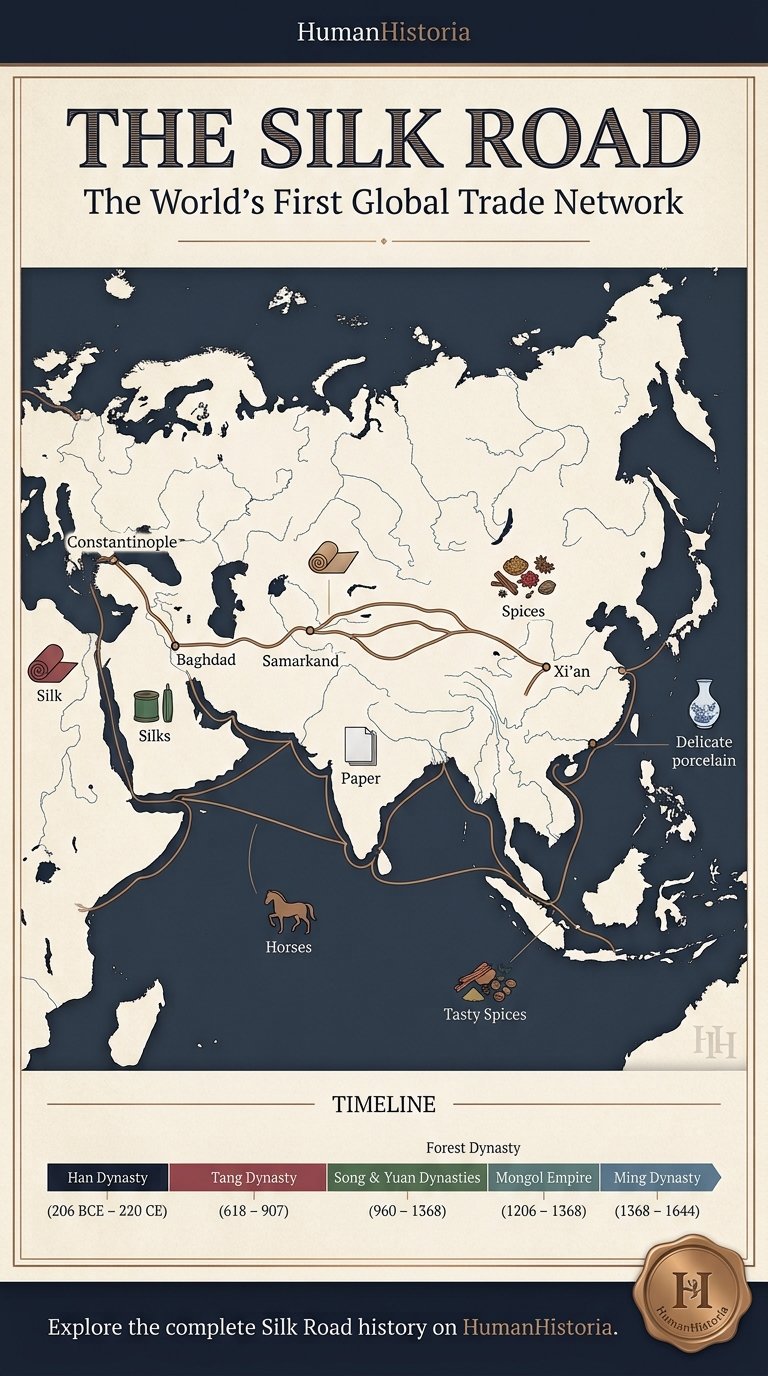
Maritime & Overland Silk Road Trade Networks
🔍 Tap to Zoom
Silk Road: Maritime & Overland Trade Networks
LEARNING TOOLS & LAB
Interactive History Games & Simulations
Open Full Lab →
🕵️
Who Am I? (Historical Guessing Game)

A secret historical figure has been chosen. Ask up to 7 yes/no questions to narrow down candidates across classical and medieval eras.

Play Game →
🗺️
Timeline Scramble

Five historical events appear out of order. Click them in the correct chronological sequence — from oldest to most recent.

Test Chronology →
⚖️
Empire Matchup Simulator

Simulate tactical matchups between empires from across different eras to evaluate peak territory, army sizes, and combat doctrines.

Run Simulator →
Human Historia · The Grand Chronicle
The Chronicle of Humanity

300,000 years. 5 eras. Countless turning points that shaped every moment of your world.

🦴
Prehistoric Era
c. 300,000 BCE — 3,200 BCE · Dawn of Humanity
🌍 Origins in Africa 🧠 Brain tripled in size 🐺 First domestication ~20,000 BCE 🌾 Agriculture ends nomadism
🌍 Africa → Global

Key fact: Neanderthal DNA still lives in 1–2% of all non-African humans today.

Related: Animal Domestication, Cave Art

🔥 Africa

Key fact: Cooking increased caloric intake by 30–50%, directly fuelling brain growth.

Related: Stone Tools, Migration

🌾 Fertile Crescent

Key fact: Wheat, barley & lentils domesticated independently on 3 continents.

Related: Göbekli Tepe, Cuneiform

🗺️ Related Infographics
📚 More from this era
⏳ ~7,000 Years Compressed From farming to the first written word
~2.3% of recorded human history
🏛️
Ancient Ages
c. 3,200 BCE — 500 CE · Empires, Laws & Philosophy
📜 First written laws 🏛️ Birth of democracy ⚔️ 26 major empires rose & fell 🔭 First philosophers & scientists
📜 Mesopotamia

Key fact: The Epic of Gilgamesh — the world's first novel — was written in cuneiform.

Related: Epic of Gilgamesh, Hammurabi

📚 Alexandria, Egypt

Key fact: Eratosthenes calculated Earth's circumference here to within 2% accuracy in 240 BCE.

Related: Greek Philosophy, Roman Empire

🗺️ Related Infographics
📚 More from this era
🌑 ~400 Years of Transition From Roman fall to the medieval rebirth
The European "Dark Ages" — not so dark in Baghdad
🏰
Medieval Period
c. 500 CE — 1500 CE · Empires of Faith, Trade & Castles
🕌 Islam spreads in 100 years ☠️ Black Death kills 1 in 3 Europeans 🧮 Algebra invented in Baghdad 🐪 Silk Road moves ideas & plague
📖 Baghdad, Iraq

Key fact: Al-Khwarizmi invented algebra here — the word "algorithm" derives from his name.

Related: Silk Road, Mansa Musa

🗺️ Related Infographics
📚 More from this era
🖨️ ~50 Years From printing press to Scientific Revolution
Gutenberg's press (1440) → Copernicus (1543)
⚙️
Modern Age
c. 1450 CE — 2000 CE · Revolutions, Industry & Discovery
🌍 Americas "discovered" 1492 💡 Electricity transforms daily life ⚔️ 2 World Wars kill 100M+ 🚀 Moon landing 1969
🖨️ Mainz, Germany

Key fact: 20 million books in 50 years — more than all European scribes produced in 1,000 years.

Related: Scientific Revolution, Reformation

🚂 Britain

Key fact: Britain's GDP per capita doubled in 60 years — the fastest economic growth in history up to that point.

Related: Electricity, Wright Brothers

🗺️ Related Infographics
📚 More from this era
⚡ The Acceleration From computers to AI in 75 years
The fastest technological doubling in human history
🚀
The Future
2000 CE — Beyond · The Next Chapter of Humanity
🤖 AGI may arrive by 2040s 🧬 CRISPR rewrites genetic code 🪐 Mars colonisation in progress ⚛️ Quantum supremacy achieved 2019
⚛️ Global

Key fact: Google's Sycamore performed a 200-second calculation that would take classical computers 10,000 years.

Related: AI Singularity, CRISPR, Space

🗺️ Related Infographics
📚 More from this era
THE ARTIFACT GALLERY

Examine the tangible relics, physical tokens, and revolutionary machines that shaped civilizational growth.

🎥 VIDEO HUB & SHORTS

Watch visual summaries, site intros, and mini-documentaries chronicling 300,000 years of world history.

📊 HISTORICAL INFOGRAPHICS ARCHIVE

Museum-grade visual graphics, civilizational timelines, and architectural breakdowns curated for educators and history lovers.

THE HISTORIA CIRCLE

Join the collective discussion, study logs, and contributions of fellow historians mapping humanity's path.

Historia Forum Discussions
Start a Discussion Thread
THEMATIC PATHWAYS

Trace a single thread — disease, trade, energy, migration — across all eras and civilizations.

History is not just a sequence of events — it is a network of patterns. These thematic pathways allow you to follow a single concept across thousands of years: how agriculture spread, how warfare evolved, how trade routes shaped civilizations. Each pathway collects the most relevant chronicles across all eras.

🧩
How is this different from the sidebar Topics?
While the sidebar Topics (like Science & Tech or Empires) filter articles within your selected historical Era, Thematic Pathways cut horizontally across all eras (from Prehistoric to the Future). Use Themes to trace a single concept's evolutionary line across 300,000 years.
CIVILIZATION HUBS

Comprehensive profiles of the world's greatest civilizations and empires — from ancient cradles to global super-states.

Human Historia provides an academically rich exploration of the world's most influential civilizations. From the monumental achievements of ancient Egypt, Han China, and the Roman Empire, to the sophisticated societies of the Maya, the Islamic Caliphates, and West African empires, these hubs offer deep insights into the cultural, political, and technological legacies that continue to shape our global story.

EVOLUTION OF HUMAN SKILLS

Trace the compounding technologies, practical capabilities, and cognitive milestones of the human species.

Human progress is a story of compounding skills. Every breakthrough, from the spark of prehistoric fire to modern silicon transistors, builds directly on previous generations of ingenuity. Hover over a skill node to trace its historical prerequisites, and click it to explore its development timeline, species-wide impact, and related chronicles.

Prehistoric Ancient Medieval Modern Future
🧠

Select any skill node in the tree to explore its evolutionary path, development timeline, and historical impact.

ACADEMIC PASSPORT

Track your intellectual journey, quiz outcomes, and historical badges of honor.
HISTORIA PASSPORT ⏳
👤 Scribe Novice
Scholar Name Historia Explorer
Rank Rating Sumerian Record Scribe
Chronicles Read 0 / 48
Study Guide Pins 0 Guides
Security Access Level 1 (Novice)
Earned Badges of Honor
🔥
Fire Keeper
Unlock 3 prehistoric chronicles.
🏛️
Codex Keeper
Unlock 3 ancient chronicles.
🏰
Guild Master
Unlock 3 medieval chronicles.
⚙️
Steam Engineer
Unlock 3 modern chronicles.
🚀
Singularity Sage
Unlock 3 future chronicles.
👑
Grand Scholar
Score 5/5 on the Lab Quiz.
Recent Lab Activities
No recent activities recorded. Take a quiz or bookmark articles!
🏛️ MISSION & ARCHIVAL STANDARDS
About Human Historia

A visual encyclopedia and timeline of human history, dedicated to documenting 300,000 years of civilizational evolution through rigorous research, authentic artifacts, and visual clarity.

🌍
The 300,000-Year Story

Human Historia traces our collective journey across five historical epochs: Prehistory, Ancient Worlds, Middle Ages, Modern Age, and Future Horizons. From the first control of fire to quantum computation, we organize turning points into interconnected timelines.

📜
Historiographical Rigor

Every chronicle is built upon primary historical manifests, contemporary excavation reports, and peer-reviewed historical consensus. We prioritize authentic public domain artifacts and clearly identify scholarly debates surrounding major civilizational transitions.

🎨
Museum-Grade Visuals

Complex historical transitions demand visual understanding. We develop high-resolution infographics, architectural cutaways, and comparative territorial maps to transform abstract timelines into vivid, unforgettable learning experiences.

📖
Educational Access

Knowledge belongs to humanity. Human Historia is free, ad-light, and engineered as an educational resource for students, classroom educators, academic researchers, and curious minds across all continents.

Editorial Governance & Inquiries

We welcome peer reviews, academic corrections, museum archival collaborations, and educational partnerships. To submit historical inquiries or provide archival feedback, reach our editorial desk directly.

✉️ Contact Editorial Desk Explore Master Timeline →
Curated Exhibition
Human Historia

An immersive graphical anthology tracing the paths of civilizations, breakthroughs, and conflicts that forged the modern consciousness.

25Chronicles
Showing all articles

Clovis I & The Merovingians: The Conversion That Birthed France

Written by Humanhistoria Editorial Historical Era: MEDIEVAL

On a freezing Christmas Day around the year 496 CE, within the Romanesque cathedral of Reims, thirty-year-old Clovis I, King of the Salian Franks, stepped into a baptismal font filled with warm, fragrant water. Surrounded by three thousand of his battle-hardened Frankish warriors, the fierce Germanic warlord bowed his head before the venerable Gallo-Roman bishop, Saint Remigius. Uttering the immortal words that redefined European civilization, Remigius proclaimed: "Mitis depone colla, Sicamber; adora quod incendisti, incende quod adorasti" ("Bow thy head in meekness, Sicambrian; worship what thou hast burned, burn what thou hast worshiped"). With that sacred chrism, Clovis accomplished what no other Germanic conqueror of the post-Roman migration era achieved: by converting directly to Nicene (Catholic) Christianity rather than the Arian heresy embraced by the rival Visigoths, Ostrogoths, and Vandals, Clovis forged an unbreakable alliance with the wealthy Gallo-Roman senatorial aristocracy and the Roman Catholic episcopate. Over thirty years of ruthless military campaigning and cunning political intrigue, Clovis eliminated the last Roman enclave in Gaul, crushed rival Germanic kingdoms, codified the legendary Salic Law (Lex Salica), and established the Merovingian Dynasty—laying the territorial, legal, and spiritual foundations of the Kingdom of the Franks (Francia), the direct ancestor of modern France.

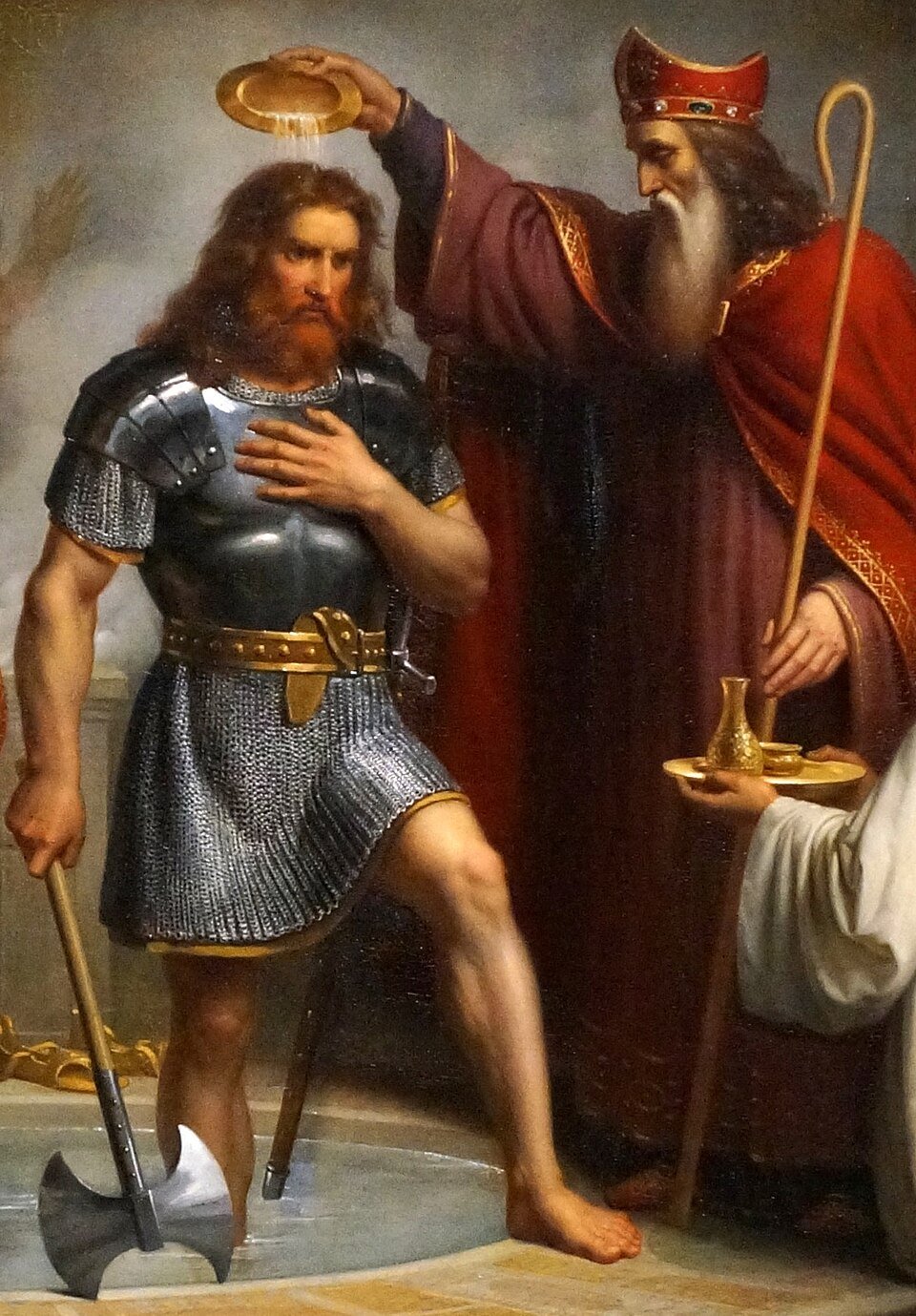
Painting depicting the Baptism of Clovis by Saint Remigius
François-Louis Dejuinne's 1837 canvas The Baptism of Clovis, portraying the Salian Frankish king receiving baptism from Bishop Remigius of Reims in 496 CE, an event that unified Germanic military power with Catholic ecclesiastical legitimacy. (Palace of Versailles, France)

The Dying Western Empire: Childeric and the Salian Franks

In the late fifth century, the Western Roman Empire was disintegrating into a fractured mosaic of rival barbarian kingdoms. Gaul was partitioned between powerful warlords: the Visigoths held Aquitaine and Spain; the Burgundians occupied the Rhône Valley; the Alamanni threatened the Rhine; and in northern Gaul, an isolated Gallo-Roman general named Syagrius governed the rump "Kingdom of Soissons," the last remnant of Roman civic administration.

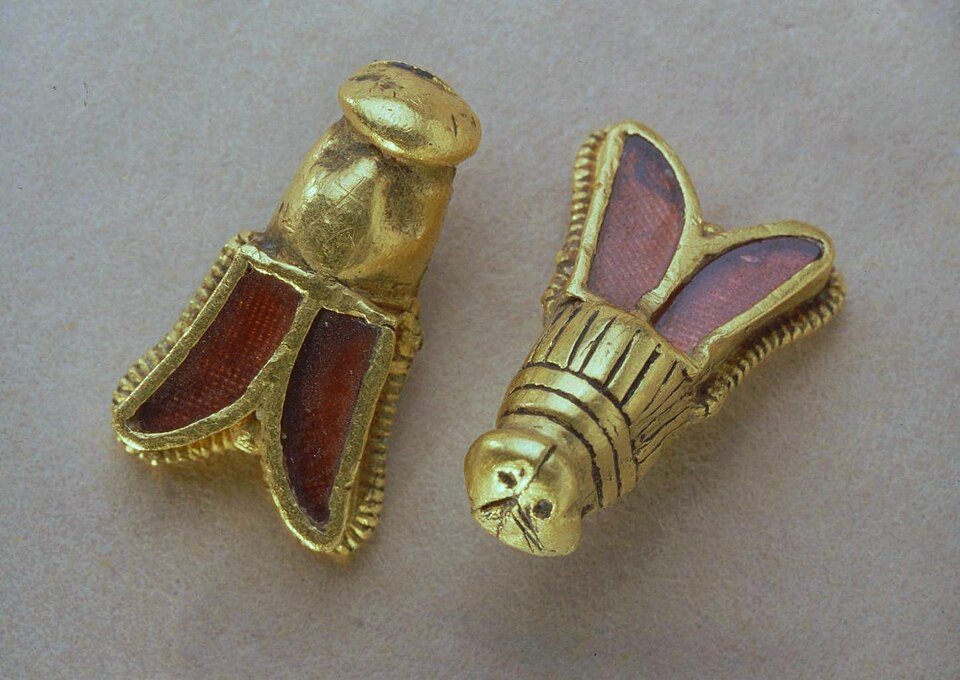
In the northern borderlands around Tournai (modern Belgium), the Salian Franks had settled as Roman imperial foederati (treaty allies). Clovis's father, King Childeric I (died 481 CE), had operated as both a tribal chieftain and a Roman military commander (magister militum). When Childeric's tomb was discovered in 1653, it revealed the fascinating dual identity of the early Merovingians: buried alongside Childeric were hundreds of Roman gold solidi, a royal signet ring inscribed in Latin, a severed horse head, and three hundred exquisite gold and garnet cloisonné bees—a symbol of immortal royal authority that Napoleon Bonaparte later adopted for his imperial coronation robes.

Gold and garnet cloisonné bees from the tomb of King Childeric I
Gold and garnet cloisonné bees discovered in 1653 inside the royal tomb of King Childeric I (father of Clovis) at Tournai (c. 481 CE), illustrating the sophisticated Germanic goldsmithing of early Merovingian royalty. (Bibliothèque nationale de France, Paris)

The Conquest of Northern Gaul: Syagrius & The Vase of Soissons

Upon his father's death in 481 CE, fifteen-year-old Clovis ascended the leadership of the Salian Franks. Bold, calculating, and intensely ambitious, Clovis wasted no time. In 486 CE, he allied with fellow Frankish chieftains and marched south against Syagrius. At the Battle of Soissons, Clovis shattered the last Roman legionary forces in Gaul, forcing Syagrius to flee to the Visigothic court of Alaric II in Toulouse. Clovis threatened the Visigoths with war unless Syagrius was surrendered; the Roman general was extradited in chains and quietly stabbed to death in Clovis's dungeon.

It was during the plunder of Soissons that the famous episode of the Vase of Soissons occurred, as chronicled by Bishop Gregory of Tours in his Decem Libri Historiarum (History of the Franks). When a magnificent liturgical silver vase was looted from a cathedral, Bishop Remigius pleaded for its return. Clovis agreed, but during the customary division of spoils, an arrogant Frankish warrior stepped forward, struck the vase with his battleaxe (francisca), and shouted: "Thou shalt have nothing here but what the lot gives thee!" Clovis concealed his rage. A year later, during a royal weapons inspection on the Champ de Mars, Clovis confronted the insubordinate soldier, mocked his ill-kept axe, and threw it to the ground. As the warrior bent down to retrieve his weapon, Clovis split his skull open with his own battleaxe, roaring: "Thus didst thou to the vase at Soissons!" The brutal execution terrified the Franks, cementing Clovis's absolute royal command.

Merovingian gold triens coin minted in Marseilles
Merovingian gold triens coin (c. 6th century CE), bearing the profile of the Frankish king and demonstrating the adaptation of Roman monetary minting techniques in Merovingian Gaul. (Cabinet des Médailles, Bibliothèque nationale de France, Paris)

Queen Clotilde and the Baptism at Reims: The Catholic Alliance

In 493 CE, Clovis concluded a pivotal diplomatic marriage with Clotilde, a Burgundian princess. Unlike the majority of Germanic royalty who practiced Arianism (which taught that Jesus was subordinate to God the Father and not co-eternal), Clotilde was a devout Nicene (Catholic) Christian. For years, Clotilde persistently urged her pagan husband to abandon his wooden war gods, Thor and Odin, but Clovis resisted, skeptical of a god who permitted his own crucifixion.

The turning point arrived during the desperate Battle of Tolbiac (Zülpich, c. 496 CE) against the invading Alamanni confederacy. As Frankish ranks broke and his warriors were slaughtered, Clovis looked to the heavens, wept, and cried out:

"O Jesus Christ, whom Clotilde declares to be the Son of the living God, who art said to give aid to those in distress and victory to those who trust in Thee: I humbly beseech Thy glorious aid! If Thou wilt grant me victory over these enemies, and if I shall experience that power which the people dedicated to Thy name say they have tested, I will believe in Thee and be baptized in Thy name. For I have called upon my own gods, but I find they have withdrawn from my aid."

— Gregory of Tours, Historia Francorum (Book II.30, c. 590 CE)

At that exact moment, the King of the Alamanni was struck down by an arrow, and the Alamanni surrendered, begging for quarter. True to his vow, Clovis met with Bishop Remigius at Reims. The baptism of Clovis and three thousand of his elite warriors was an epochal geopolitical event. By embracing the faith of the conquered Gallo-Roman majority, Clovis presented himself not as a foreign barbarian occupier, but as the legitimate Catholic liberator of Gaul. Catholic bishops, who controlled vast estates, municipal infrastructure, and administrative literacy, threw their complete financial and diplomatic weight behind the young Frankish king.

The Subjugation of Gaul: Vouillé and the Visigoths

Backed by the Catholic Church and tacitly supported by the Eastern Roman Emperor Anastasius I in Constantinople, Clovis launched a holy war against the Arian Visigoths in southern Gaul. In 507 CE, at the Battle of Vouillé near Poitiers, the Frankish infantry, armed with heavy throwing axes and short swords, collided with the Visigothic host. In a fierce melee, Clovis engaged King Alaric II in single combat and slew the Visigothic king with his own sword, surviving a mortal spear wound thanks to his heavy mail hauberk.

The victory at Vouillé broke Visigothic power in Gaul, annexing Aquitaine and Toulouse into the Frankish realm and driving the Visigoths permanently south of the Pyrenees into the Iberian Peninsula. In celebration, Emperor Anastasius dispatched a diplomatic embassy granting Clovis honorary consular insignia. Clovis rode through the streets of Tours dressed in a purple Roman tunic and chlamys, scattering gold coins to the cheering crowds—symbolizing the seamless fusion of Germanic warrior kingship with ancient Roman imperial majesty.

Consolidating his kingdom, Clovis established his permanent capital at Paris (Lutetia), founding the Church of the Holy Apostles (later Sainte-Geneviève, site of the modern Panthéon). Through a sequence of calculated assassinations, Clovis systematically eliminated his rival Frankish cousins—including Sigobert the Lame of Cologne, Chararic, and Ragnachar of Cambrai—uniting all Frankish peoples under a single crown.

The Salic Law (Lex Salica): Codifying Blood-Money and Succession

Beyond military conquest, Clovis's greatest institutional achievement was the codification of the Salic Law (Lex Salica, c. 507–511 CE). Drafted by four royal commissioners in Latin with Frankish legal glosses, it represents one of the earliest Germanic legal codes of the Middle Ages.

The Salic Law replaced anarchic, multi-generational blood feuds with an exhaustive tariff of financial restitutions known as Wergild ("man-price"). Every human life and physical injury had an exact statutory valuation based on age, gender, and social status. Murdering a free Frankish warrior incurred a fine of 200 solidi; killing a Gallo-Roman aristocrat or a Catholic bishop carried 300 to 900 solidi; while assaulting a pregnant woman or cutting off an opponent's thumb carried precise fines designed to prevent vengeance vendettas.

Crucially, Title 59, Clause 6 of the Salic Law declared that "concerning Salic land, no portion of the inheritance shall come to a woman, but the whole land shall belong to the male sex." While originally intended only for private ancestral farmland, this obscure clause was revived eight centuries later during the Hundred Years' War by French jurists to permanently bar women from inheriting the French crown—a legal doctrine that preserved the exclusive patrilineal succession of French kings until 1789.

Post-Roman Transformation: Late Rome vs. The Merovingian Realm

The institutional evolution from late Roman provincial administration to the Merovingian Frankish monarchy is detailed in the comparative matrix below.

Governance Metric Late Roman Gaul (c. 350–450 CE) Visigothic Kingdom (Arian Rule, 418–507 CE) Merovingian Kingdom of Clovis (c. 511 CE)
Sovereign Legitimacy Imperial appointment from Rome/Ravenna; Roman civic law Germanic military aristocracy ruling over Catholic subjects; Arian faith Dual legitimacy: Frankish royal bloodline + Catholic baptismal anointing
Religious Alignment Nicene Christianity (state church after Theodosius I) Arianism (strict separation between Goths and Roman Catholics) Orthodox Catholic (full integration with Gallo-Roman bishops)
Codified Legal System Theodosian Code (civil statutory law) Breviary of Alaric (adapted Roman law for Romans; Gothic custom) Salic Law (Lex Salica): Germanic wergild published in Latin
Fiscal & Military Model State tax bureaucracy funding professional legionaries Two-thirds land partition (hospitalitas); Gothic cavalry elite Personal royal domain revenues, war plunder, all free Franks serve in army
Succession Practice Dynastic or military coup ratified by Senate/legions Elective monarchy by Gothic nobles (frequent assassinations) Partible inheritance (kingdom divided equally among royal sons)
Long-Term Legacy Collapsed into regional barbarian fragments Expelled from Gaul; assimilated into Christian Spain Direct territorial, institutional, and spiritual ancestor of France
⚖️

Historian Debate: Cynical Realpolitik vs. Genuine Faith

The Political Opportunism Perspective (Edward Gibbon, Patrick Geary)

Argues that Clovis was a cold, calculating autocrat who recognized that the Arian kingdoms were crippled by internal sectarian discord. By embracing Catholicism, he cynically weaponized the Roman Church as a fifth column to conquer Gaul and eliminate his political rivals under the pious mantle of orthodox crusader.

The Late Antique Continuity School (Henri Pirenne, Peter Brown)

Maintains that Clovis viewed Christ through the traditional Germanic warrior paradigm—as a supreme, invincible battle deity who had proven his superior supernatural efficacy at Tolbiac. His reign preserved classical Roman municipal administration, literacy, and law far more effectively than any contemporary realm.

Scholars emphasize that Clovis's conversion was the most decisive religious turning point in post-Roman Europe, ensuring that Western Europe developed under a unified Catholic Roman culture.

The Long-Haired Kings: Legacy of the First French Monarchy

Clovis died in Paris in November 511 CE at the age of forty-five, and was interred beside Queen Clotilde in the Church of the Holy Apostles. Following Frankish custom, his vast realm was divided equally among his four sons: Theuderic, Chlodomer, Childebert, and Clothar. While this practice of partible inheritance initiated two centuries of fratricidal dynastic civil wars among the "Long-Haired Kings" (reges criniti) and eventually led to the rise of the Carolingian Mayors of the Palace, the structural foundations laid by Clovis endured.

By uniting Germanic military vitality with Roman law and Catholic church hierarchy, Clovis established the cultural formula that defined Western European civilization for a millennium. Through his baptism at Reims, France earned its historical title as the "Eldest Daughter of the Church" (la fille aînée de l'Église), and for the next thirteen hundred years—from the coronation of Louis the Pious to Charles X in 1825—every King of France traveled to the Cathedral of Reims to be anointed with holy oil from the same sacred ampulla that Bishop Remigius first touched to the brow of Clovis.

📖 SCHOLARLY INQUIRIES

Frequently Asked Questions

Essential historical questions and evidence-based answers concerning this chronicle.

Why was Clovis' conversion to Catholic Christianity crucial?

While other Germanic tribes (Goths, Vandals) embraced Arian Christianity, Clovis adopted Catholic Orthodoxy, securing the political support of the Gallo-Roman population and the Papacy.

What was the Salic Law (Lex Salica)?

The Salic Law was Clovis' written legal code combining Frankish customary law with Roman procedures, famously prohibiting female inheritance of crown lands.

How did Clovis make Paris the capital?

After defeating the Visigoths at the Battle of Vouillé in 507 CE, Clovis established Paris (Lutetia) as his royal seat, founding the Sainte-Geneviève monastery.

📚 Academic Sources & Scholarly Bibliography
  • Gregory of Tours (1974). The History of the Franks. Penguin Classics.
  • Wood, I. (1994). The Merovingian Kingdoms 450-751. Longman.
  • James, E. (1988). The Franks. Basil Blackwell.
⚡ Fast Facts
  • Historical EraMEDIEVAL
  • Region🌍 EUROPE
  • CategoryEmpires
  • Reading Time⏱ 10 min read
📖 Scholar Mode Active — Click to exit focused reading
Selected Era

Prehistoric Era

Millions of years ago to ~3000 BCE

The dawn of humanity. From the evolutionary split of early hominids to the mastery of stone tools, fire, and the birth of language.

Landmark Milestones

Welcome to Historia

Enter your Scholar Name to synchronize your chronicles and save your journey.