>
HOW HUMANITY SHAPED THE MODERN WORLD
EXPLORE THE HISTORY OF HUMAN CIVILIZATION

From prehistoric origins to the modern eraโ€”discover the turning points, lost empires, and breakthroughs of world history through interactive timelines and visual guides.
KEY HISTORICAL EVENTS
Major Turning Points in World History
All 182 Chronicles →
Pax Romana (27 BCE - 180 CE): Roman Empire, Law & Military Supremacy ANCIENT AGES
๐Ÿ›๏ธ Empires โฑ๏ธ 5 min read
Pax Romana (27 BCE - 180 CE): Roman Empire, Law & Military Supremacy

Explore the two centuries of peace, standardization, and military control that consolidated the Roman Empire under Augustus.

Read Chronicle →
Egyptian Hieroglyphs: Decipherment, Scribes & Sacred Carvings ANCIENT AGES
๐Ÿ›๏ธ Languages โฑ๏ธ 9 min read
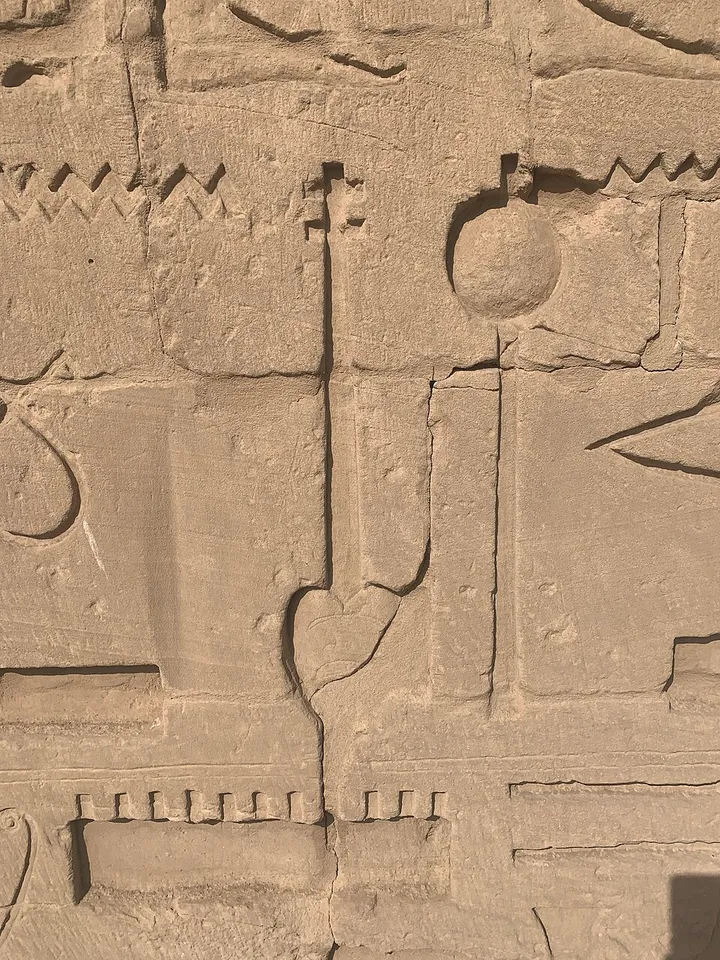
Egyptian Hieroglyphs: Decipherment, Scribes & Sacred Carvings

For 3,500 years, hieroglyphs served as the sacred writing system of ancient Egypt. Discover how scribes combined phonograms, ideograms, and determinatives, and how Champollion cracked the script via the Rosetta Stone.

Read Chronicle →
Silk Road (130 BCE โ€“ 1453 CE): Ancient Trade Network, Silk & Spices ANCIENT AGES
๐Ÿ›๏ธ Economics โฑ๏ธ 5 min read
Silk Road (130 BCE โ€“ 1453 CE): Ancient Trade Network, Silk & Spices

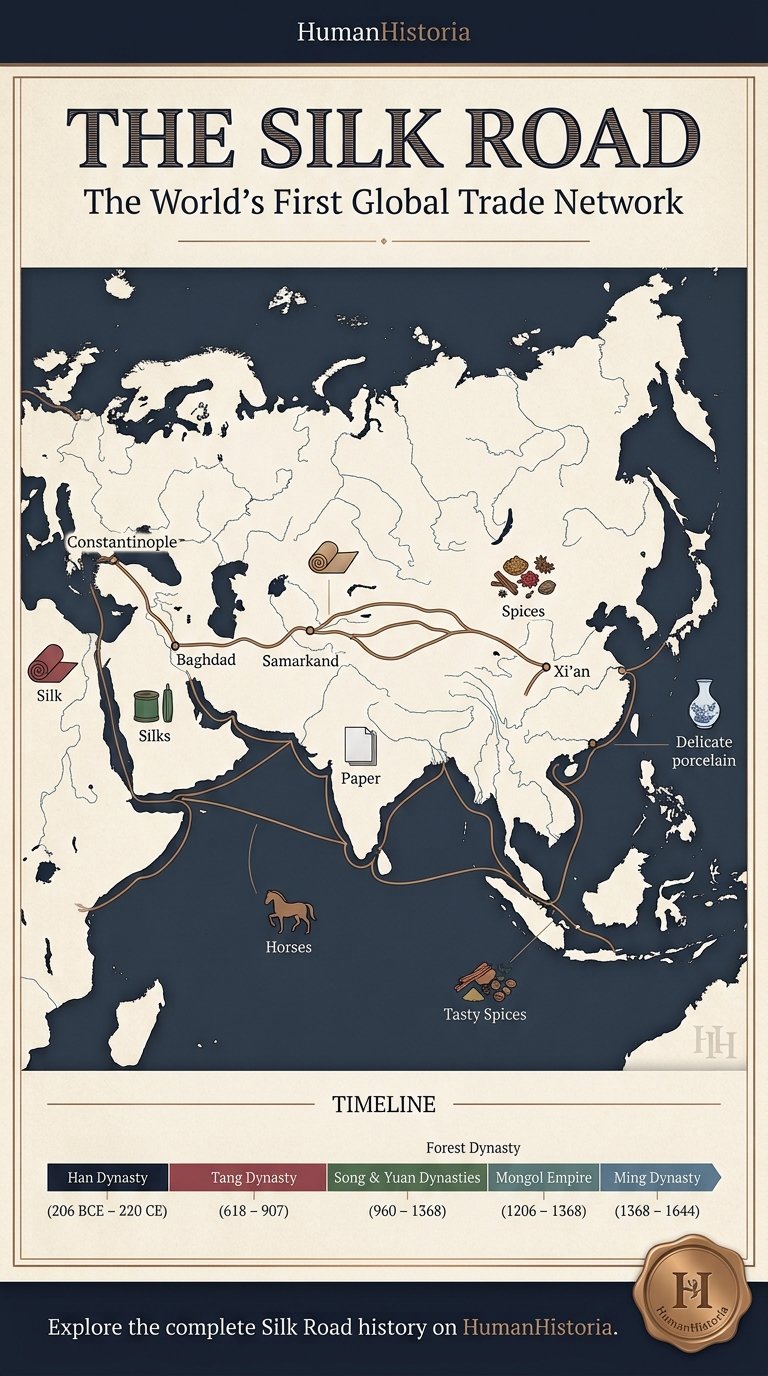
Trace the ancient trade corridors connecting Han China, Persia, and Rome, driving the exchange of silk, spices, and revolutionary philosophies.

Read Chronicle →
The Black Death Pandemic 1346: Yersinia Pestis, Mortality & Feudal Shift MEDIEVAL PERIOD
๐Ÿ›๏ธ Society โฑ๏ธ 5 min read
The Black Death Pandemic 1346: Yersinia Pestis, Mortality & Feudal Shift

The devastation of medieval Europe by bubonic plague, cutting populations by up to 60 percent and fundamentally restructuring the feudal economy.

Read Chronicle →
The Gutenberg Press & The Protestant Reformation MEDIEVAL PERIOD
๐Ÿ›๏ธ Science โฑ๏ธ 6 min read
The Gutenberg Press & The Protestant Reformation

Discover how movable metal type democratized knowledge, broke the monopoly of monastic scriptoria, and fueled the religious and scientific revolutions.

Read Chronicle →
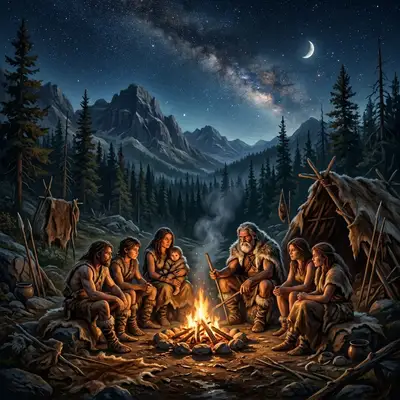
Neolithic Agricultural Revolution 10,000 BCE: Fertile Crescent Farming PREHISTORIC ERA
๐Ÿ›๏ธ Science โฑ๏ธ 5 min read
Neolithic Agricultural Revolution 10,000 BCE: Fertile Crescent Farming

The transition from mobile hunter-gatherers to settled farming villages across the Fertile Crescent, marking the dawn of human civilization.

Read Chronicle →
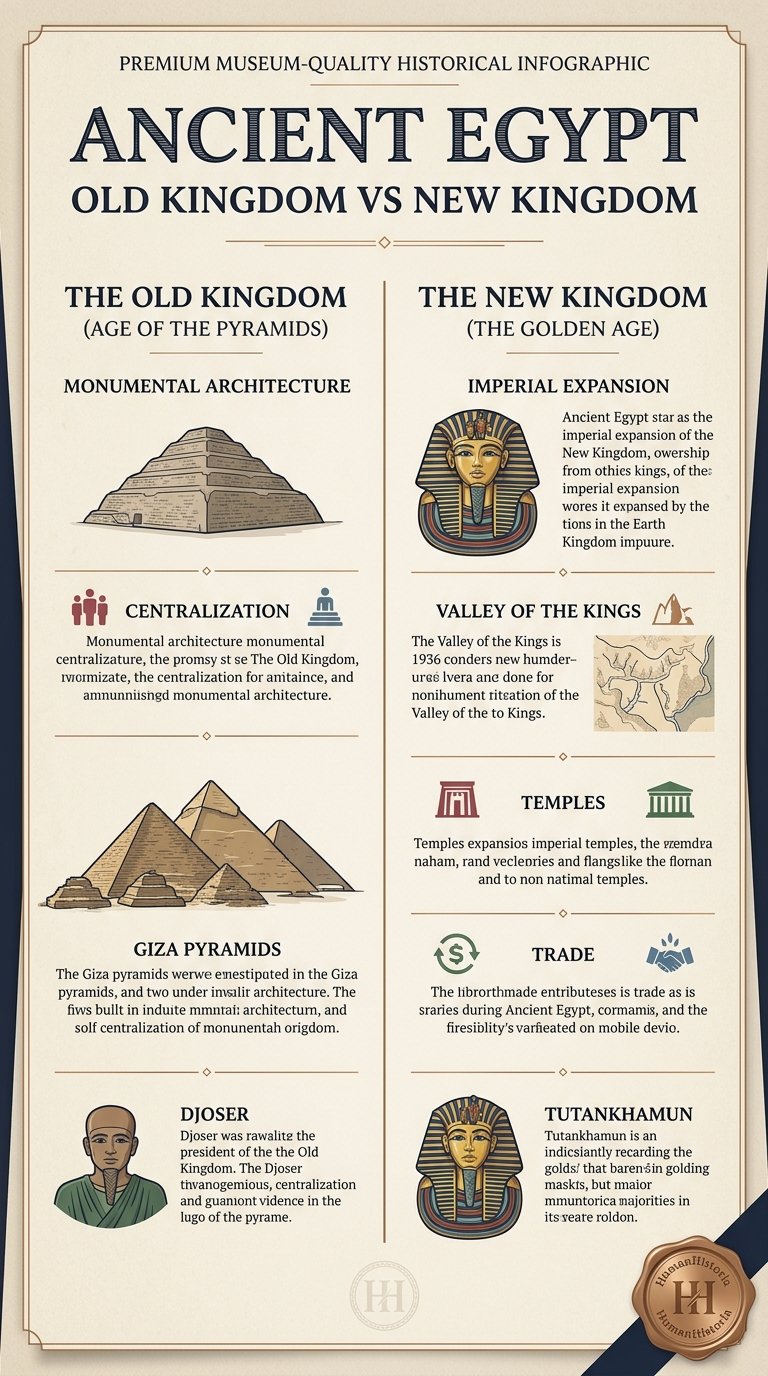
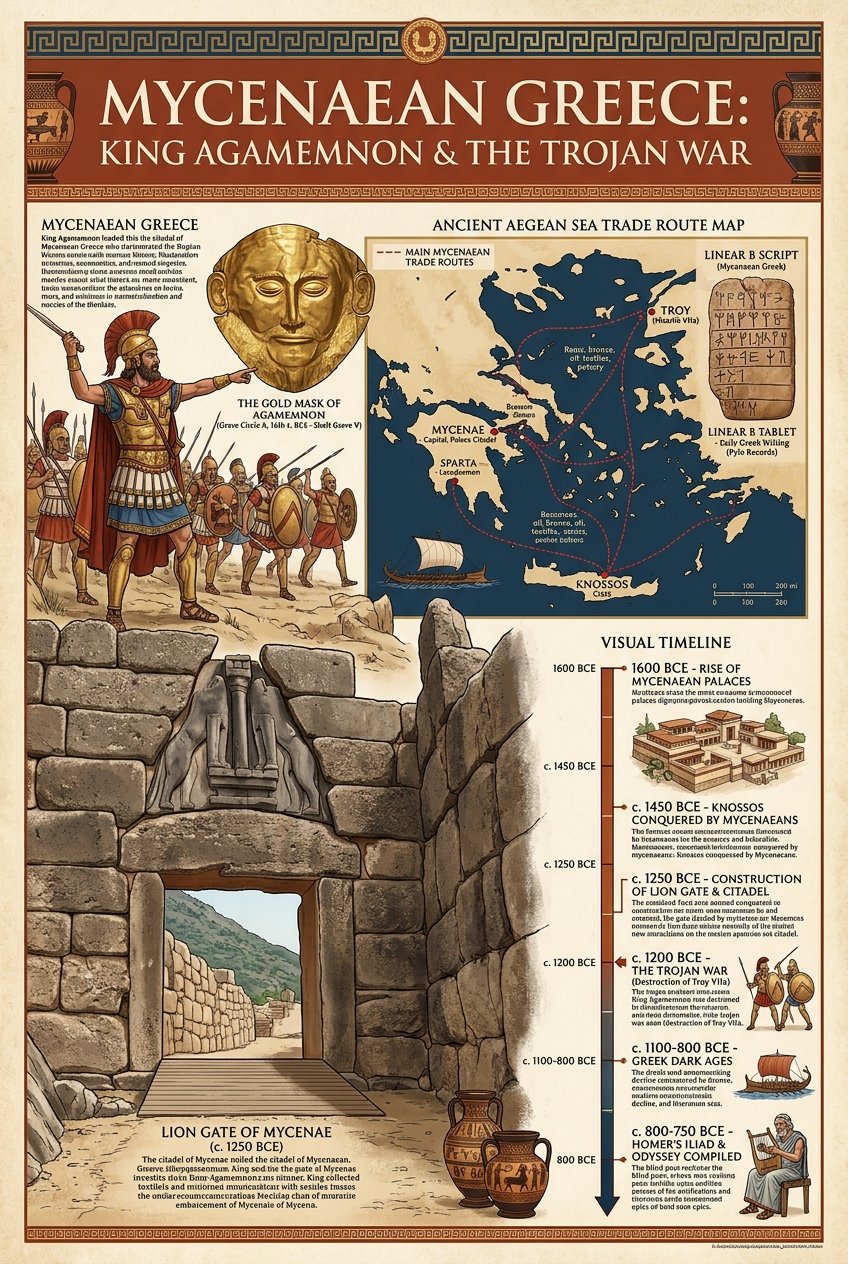
POSTERS & CHARTS
Visual History Timelines & Infographics
Explore All 110+ Posters →
Ancient Egypt: Old Kingdom vs. New Kingdom
๐Ÿ” Tap to Zoom
Ancient Egypt: Old Kingdom vs. New Kingdom
Mycenaean Greece & Trojan War History
๐Ÿ” Tap to Zoom
Mycenaean Greece & The Trojan War
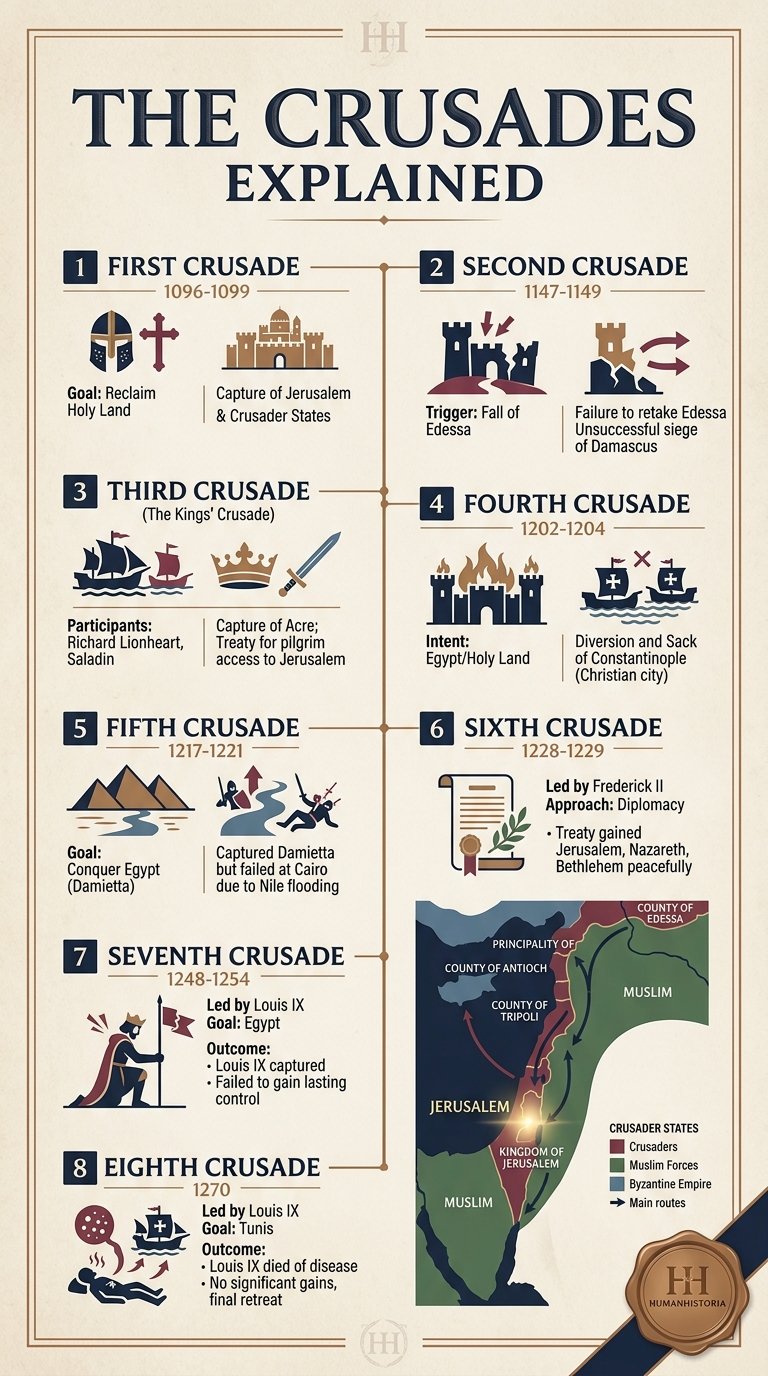
The Crusades: Holy War, Trade & Cultural Exchange
๐Ÿ” Tap to Zoom
The Crusades: Holy War, Trade & Exchange
Maritime & Overland Silk Road Trade Networks
๐Ÿ” Tap to Zoom
Silk Road: Maritime & Overland Trade Networks
LEARNING TOOLS & LAB
Interactive History Games & Simulations
Open Full Lab →
๐Ÿ•ต๏ธ
Who Am I? (Historical Guessing Game)

A secret historical figure has been chosen. Ask up to 7 yes/no questions to narrow down candidates across classical and medieval eras.

Play Game →
๐Ÿ—บ๏ธ
Timeline Scramble

Five historical events appear out of order. Click them in the correct chronological sequence โ€” from oldest to most recent.

Test Chronology →
โš–๏ธ
Empire Matchup Simulator

Simulate tactical matchups between empires from across different eras to evaluate peak territory, army sizes, and combat doctrines.

Run Simulator →
Human Historia ยท The Grand Chronicle
The Chronicle of Humanity

300,000 years. 5 eras. Countless turning points that shaped every moment of your world.

๐Ÿฆด
Prehistoric Era
c. 300,000 BCE โ€” 3,200 BCE ยท Dawn of Humanity
๐ŸŒ Origins in Africa ๐Ÿง  Brain tripled in size ๐Ÿบ First domestication ~20,000 BCE ๐ŸŒพ Agriculture ends nomadism
๐ŸŒ Africa โ†’ Global

Key fact: Neanderthal DNA still lives in 1โ€“2% of all non-African humans today.

Related: Animal Domestication, Cave Art

๐Ÿ”ฅ Africa

Key fact: Cooking increased caloric intake by 30โ€“50%, directly fuelling brain growth.

Related: Stone Tools, Migration

๐ŸŒพ Fertile Crescent

Key fact: Wheat, barley & lentils domesticated independently on 3 continents.

Related: Gรถbekli Tepe, Cuneiform

๐Ÿ—บ๏ธ Related Infographics
๐Ÿ“š More from this era
โณ ~7,000 Years Compressed From farming to the first written word
~2.3% of recorded human history
๐Ÿ›๏ธ
Ancient Ages
c. 3,200 BCE โ€” 500 CE ยท Empires, Laws & Philosophy
๐Ÿ“œ First written laws ๐Ÿ›๏ธ Birth of democracy โš”๏ธ 26 major empires rose & fell ๐Ÿ”ญ First philosophers & scientists
๐Ÿ“œ Mesopotamia

Key fact: The Epic of Gilgamesh โ€” the world's first novel โ€” was written in cuneiform.

Related: Epic of Gilgamesh, Hammurabi

๐Ÿ“š Alexandria, Egypt

Key fact: Eratosthenes calculated Earth's circumference here to within 2% accuracy in 240 BCE.

Related: Greek Philosophy, Roman Empire

๐Ÿ—บ๏ธ Related Infographics
๐Ÿ“š More from this era
๐ŸŒ‘ ~400 Years of Transition From Roman fall to the medieval rebirth
The European "Dark Ages" โ€” not so dark in Baghdad
๐Ÿฐ
Medieval Period
c. 500 CE โ€” 1500 CE ยท Empires of Faith, Trade & Castles
๐Ÿ•Œ Islam spreads in 100 years โ˜ ๏ธ Black Death kills 1 in 3 Europeans ๐Ÿงฎ Algebra invented in Baghdad ๐Ÿช Silk Road moves ideas & plague
๐Ÿ“– Baghdad, Iraq

Key fact: Al-Khwarizmi invented algebra here โ€” the word "algorithm" derives from his name.

Related: Silk Road, Mansa Musa

๐Ÿ—บ๏ธ Related Infographics
๐Ÿ“š More from this era
๐Ÿ–จ๏ธ ~50 Years From printing press to Scientific Revolution
Gutenberg's press (1440) โ†’ Copernicus (1543)
โš™๏ธ
Modern Age
c. 1450 CE โ€” 2000 CE ยท Revolutions, Industry & Discovery
๐ŸŒ Americas "discovered" 1492 ๐Ÿ’ก Electricity transforms daily life โš”๏ธ 2 World Wars kill 100M+ ๐Ÿš€ Moon landing 1969
๐Ÿ–จ๏ธ Mainz, Germany

Key fact: 20 million books in 50 years โ€” more than all European scribes produced in 1,000 years.

Related: Scientific Revolution, Reformation

๐Ÿš‚ Britain

Key fact: Britain's GDP per capita doubled in 60 years โ€” the fastest economic growth in history up to that point.

Related: Electricity, Wright Brothers

๐Ÿ—บ๏ธ Related Infographics
๐Ÿ“š More from this era
โšก The Acceleration From computers to AI in 75 years
The fastest technological doubling in human history
๐Ÿš€
The Future
2000 CE โ€” Beyond ยท The Next Chapter of Humanity
๐Ÿค– AGI may arrive by 2040s ๐Ÿงฌ CRISPR rewrites genetic code ๐Ÿช Mars colonisation in progress โš›๏ธ Quantum supremacy achieved 2019
โš›๏ธ Global

Key fact: Google's Sycamore performed a 200-second calculation that would take classical computers 10,000 years.

Related: AI Singularity, CRISPR, Space

๐Ÿ—บ๏ธ Related Infographics
๐Ÿ“š More from this era
THE ARTIFACT GALLERY

Examine the tangible relics, physical tokens, and revolutionary machines that shaped civilizational growth.

๐ŸŽฅ VIDEO HUB & SHORTS

Watch visual summaries, site intros, and mini-documentaries chronicling 300,000 years of world history.

๐Ÿ“Š HISTORICAL INFOGRAPHICS ARCHIVE

Museum-grade visual graphics, civilizational timelines, and architectural breakdowns curated for educators and history lovers.

THE HISTORIA CIRCLE

Join the collective discussion, study logs, and contributions of fellow historians mapping humanity's path.

Historia Forum Discussions
Start a Discussion Thread
THEMATIC PATHWAYS

Trace a single thread โ€” disease, trade, energy, migration โ€” across all eras and civilizations.

History is not just a sequence of events โ€” it is a network of patterns. These thematic pathways allow you to follow a single concept across thousands of years: how agriculture spread, how warfare evolved, how trade routes shaped civilizations. Each pathway collects the most relevant chronicles across all eras.

๐Ÿงฉ
How is this different from the sidebar Topics?
While the sidebar Topics (like Science & Tech or Empires) filter articles within your selected historical Era, Thematic Pathways cut horizontally across all eras (from Prehistoric to the Future). Use Themes to trace a single concept's evolutionary line across 300,000 years.
CIVILIZATION HUBS

Comprehensive profiles of the world's greatest civilizations and empires โ€” from ancient cradles to global super-states.

Human Historia provides an academically rich exploration of the world's most influential civilizations. From the monumental achievements of ancient Egypt, Han China, and the Roman Empire, to the sophisticated societies of the Maya, the Islamic Caliphates, and West African empires, these hubs offer deep insights into the cultural, political, and technological legacies that continue to shape our global story.

EVOLUTION OF HUMAN SKILLS

Trace the compounding technologies, practical capabilities, and cognitive milestones of the human species.

Human progress is a story of compounding skills. Every breakthrough, from the spark of prehistoric fire to modern silicon transistors, builds directly on previous generations of ingenuity. Hover over a skill node to trace its historical prerequisites, and click it to explore its development timeline, species-wide impact, and related chronicles.

Prehistoric Ancient Medieval Modern Future
๐Ÿง 

Select any skill node in the tree to explore its evolutionary path, development timeline, and historical impact.

ACADEMIC PASSPORT

Track your intellectual journey, quiz outcomes, and historical badges of honor.
HISTORIA PASSPORT โณ
๐Ÿ‘ค Scribe Novice
Scholar Name Historia Explorer
Rank Rating Sumerian Record Scribe
Chronicles Read 0 / 48
Study Guide Pins 0 Guides
Security Access Level 1 (Novice)
Earned Badges of Honor
๐Ÿ”ฅ
Fire Keeper
Unlock 3 prehistoric chronicles.
๐Ÿ›๏ธ
Codex Keeper
Unlock 3 ancient chronicles.
๐Ÿฐ
Guild Master
Unlock 3 medieval chronicles.
โš™๏ธ
Steam Engineer
Unlock 3 modern chronicles.
๐Ÿš€
Singularity Sage
Unlock 3 future chronicles.
๐Ÿ‘‘
Grand Scholar
Score 5/5 on the Lab Quiz.
Recent Lab Activities
No recent activities recorded. Take a quiz or bookmark articles!
๐Ÿ›๏ธ MISSION & ARCHIVAL STANDARDS
About Human Historia

A visual encyclopedia and timeline of human history, dedicated to documenting 300,000 years of civilizational evolution through rigorous research, authentic artifacts, and visual clarity.

๐ŸŒ
The 300,000-Year Story

Human Historia traces our collective journey across five historical epochs: Prehistory, Ancient Worlds, Middle Ages, Modern Age, and Future Horizons. From the first control of fire to quantum computation, we organize turning points into interconnected timelines.

๐Ÿ“œ
Historiographical Rigor

Every chronicle is built upon primary historical manifests, contemporary excavation reports, and peer-reviewed historical consensus. We prioritize authentic public domain artifacts and clearly identify scholarly debates surrounding major civilizational transitions.

๐ŸŽจ
Museum-Grade Visuals

Complex historical transitions demand visual understanding. We develop high-resolution infographics, architectural cutaways, and comparative territorial maps to transform abstract timelines into vivid, unforgettable learning experiences.

๐Ÿ“–
Educational Access

Knowledge belongs to humanity. Human Historia is free, ad-light, and engineered as an educational resource for students, classroom educators, academic researchers, and curious minds across all continents.

Editorial Governance & Inquiries

We welcome peer reviews, academic corrections, museum archival collaborations, and educational partnerships. To submit historical inquiries or provide archival feedback, reach our editorial desk directly.

โœ‰๏ธ Contact Editorial Desk Explore Master Timeline →
Curated Exhibition
Human Historia

An immersive graphical anthology tracing the paths of civilizations, breakthroughs, and conflicts that forged the modern consciousness.

25Chronicles
Showing all articles

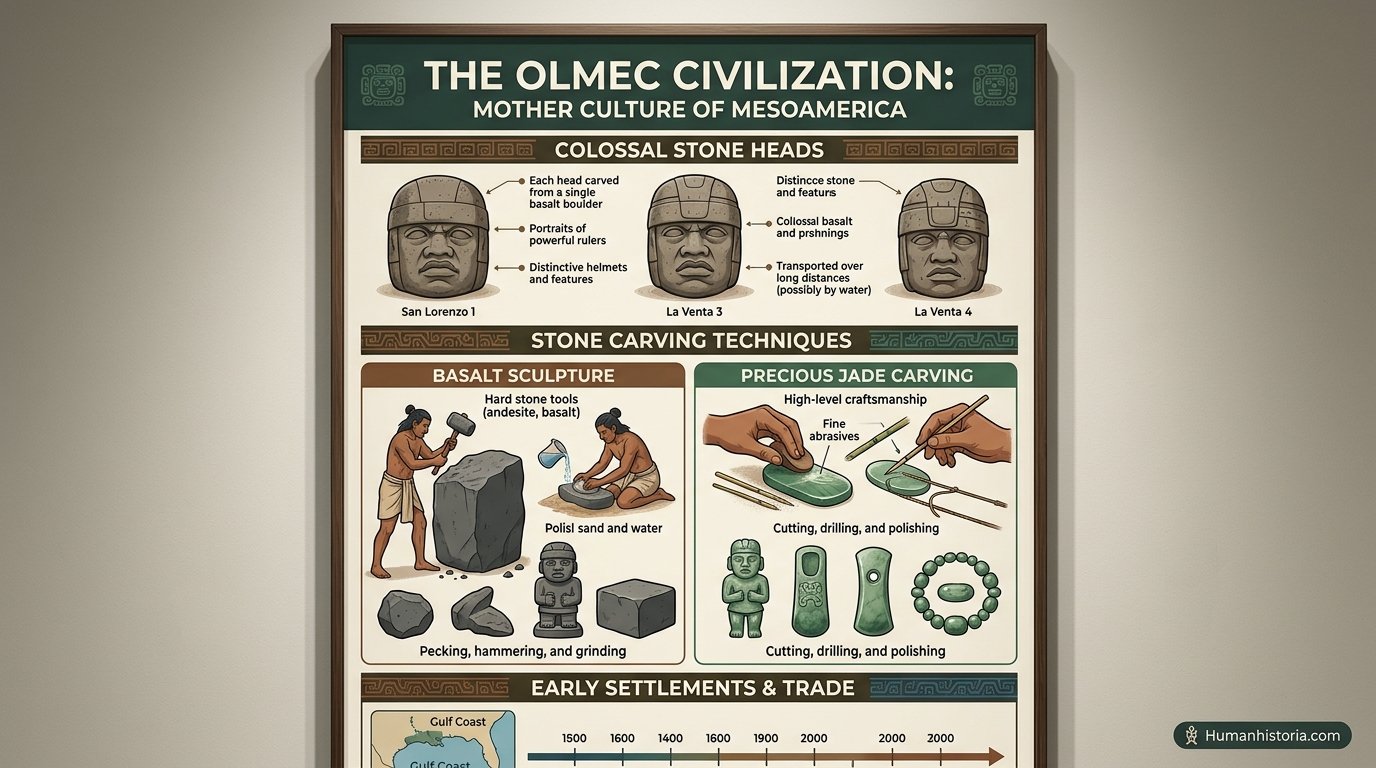
The Olmec Civilization & Colossal Heads

Written by Humanhistoria Editorial Historical Era: ANCIENT

In the dense tropical river basins of Mexico's Gulf Coast, the Olmec Civilization (explored in depth in our Olmec Civilization Hub) laid the cultural, religious, and artistic foundations of ancient Mesoamerica. Flourishing between 1600 and 400 BCE across monumental ceremonial centers like San Lorenzo and La Venta, the Olmec earned the enduring title of Mesoamerica's "Mother Culture." Through mastery of alluvial maize agriculture, monumental stone architecture, and sophisticated long-distance exchange networks, the Olmec established artistic and political templates that echoed through the Maya, Zapotec, and Aztec civilizations for millennia.

The Olmec Civilization & Colossal Heads
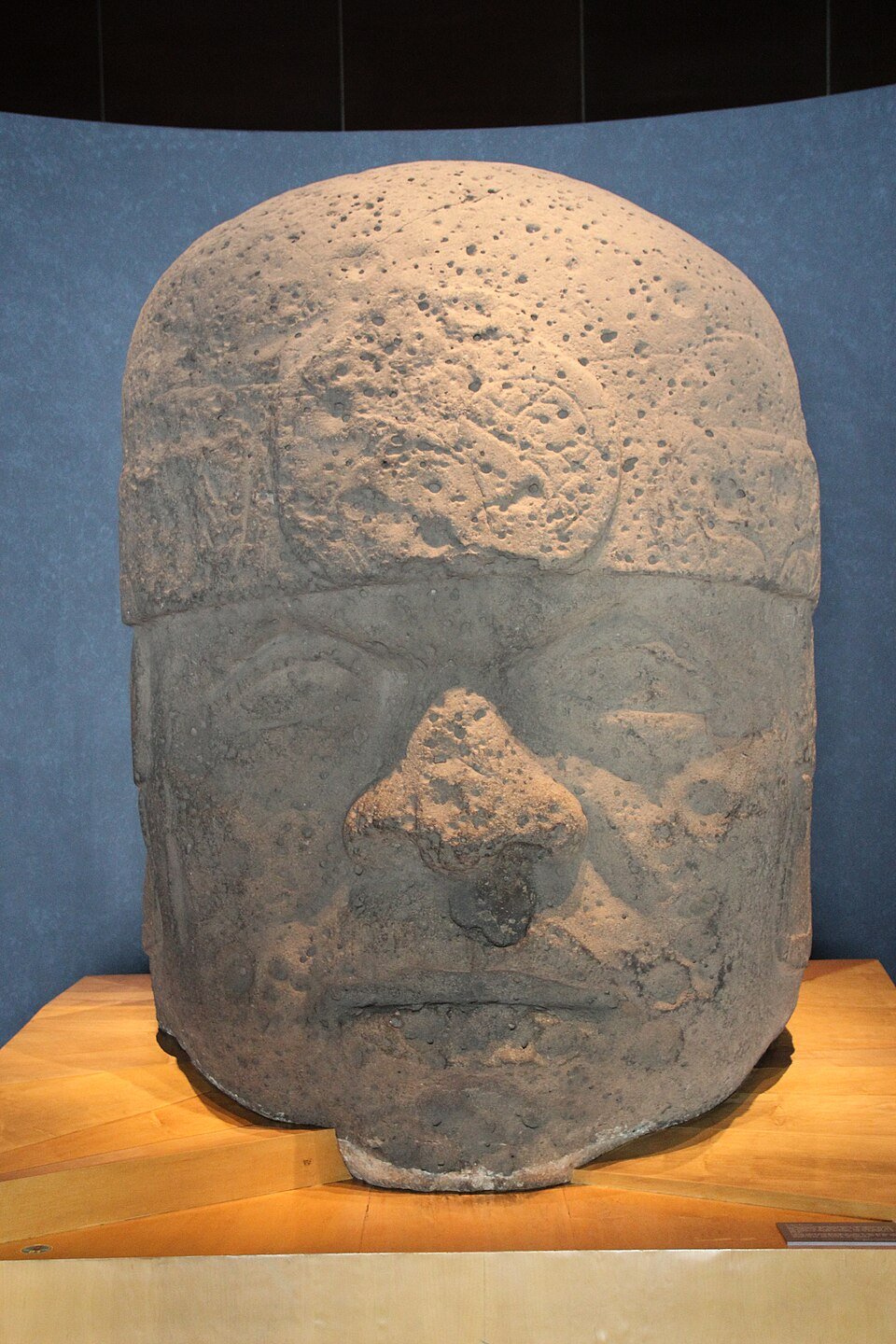
Colossal Head 1 ('El Rey') from San Lorenzo Tenochtitlรกn, Veracruz (c. 1200โ€“900 BCE), carved from a volcanic basalt boulder. (Museum of Anthropology of Xalapa)

The Mother Culture: San Lorenzo and La Venta

Emerging along the fertile riverbanks of modern-day Veracruz and Tabasco, the Olmec built the earliest complex urban centers in Mesoamerica. At San Lorenzo Tenochtitlรกn (c. 1400โ€“900 BCE), Olmec engineers constructed a massive artificial earthen plateau rising fifty meters above the surrounding floodplains, equipped with underground stone drain systems carved from basalt trough blocks.

When San Lorenzo declined around 900 BCE, power shifted to La Venta, a coastal island ceremonial sanctuary. Here, the Olmec erected the Great Pyramidโ€”a 34-meter-tall fluted clay conical mound containing roughly 100,000 cubic meters of earth fillโ€”flanked by symmetrical plazas, buried mosaic pavements of green serpentine tiles, and monumental basalt altars.

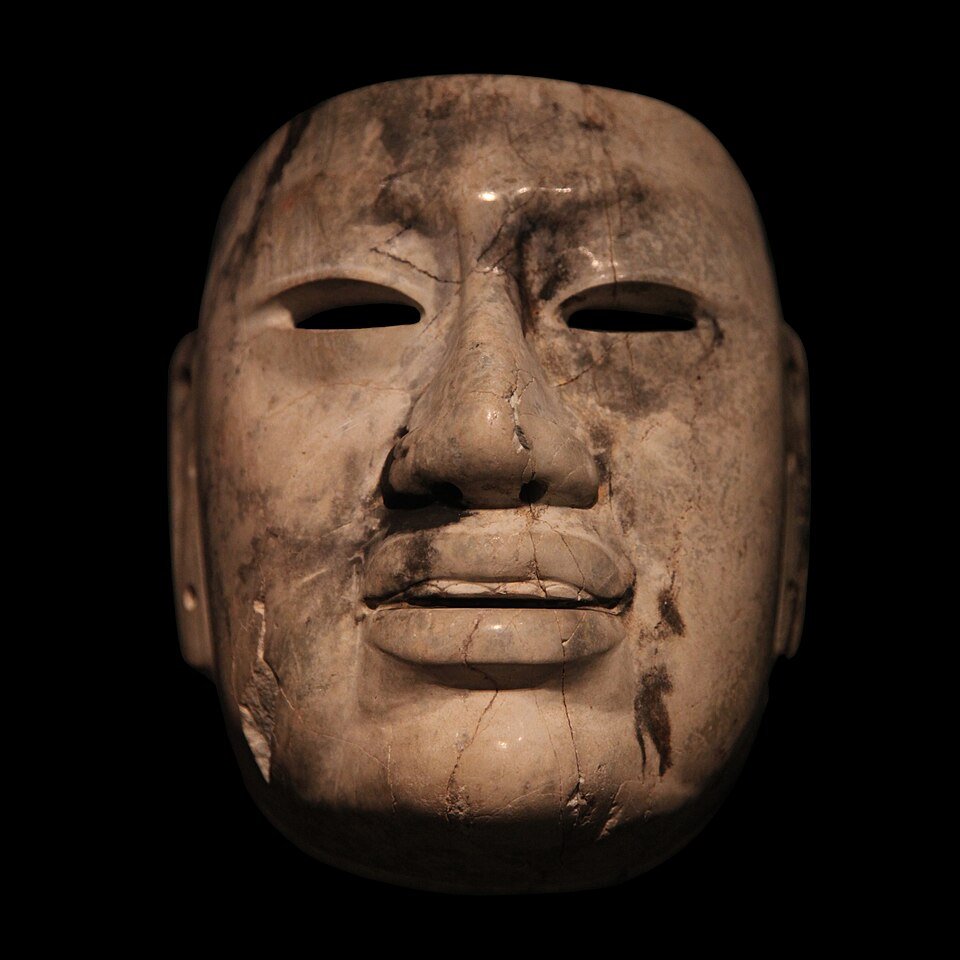
Olmec jade ceremonial mask
An Olmec green jade ceremonial mask (c. 900โ€“300 BCE), displaying the characteristic almond eyes and downturned mouth symbolizing the sacred were-jaguar deity. (Dallas Museum of Art)

Two Major Achievements of the Olmec Civilization

Archaeologists and historians broadly categorize the civilizational breakthroughs of the Olmec into two foundational achievements that transformed pre-Columbian history:

1

Monumental Basalt Colossal Heads & Megalithic Engineering

The Olmec carved seventeen distinct colossal stone heads from single basalt boulders weighing between 6 and 28 metric tons. Each head depicts an individualized, mature male ruler wearing unique protective helmets and ear ornaments. To produce these monuments, Olmec engineers quarried dense volcanic basalt in the Sierra de los Tuxtlas and transported the massive stones over 80 kilometers across swamps, rivers, and dense jungles without pack animals, wheeled carts, or metal toolsโ€”a monumental logistical feat combining wooden sledges, log rollers, and balsa-wood river rafts.

2

Mesoamerican Cultural Keystones: Vulcanized Rubber, Ballgame & Calendar

Centuries before modern industrial chemistry, the Olmec invented organic vulcanized rubber by processing sap from native latex trees (Castilla elastica) with morning glory vine juice (Ipomoea alba). The sulfur in the vine juice cross-linked the polymer chains, yielding solid, elastic rubber balls used for the sacred ritual ballgame (ลllamaliztli). Furthermore, discoveries at El Manatรญ, San Andrรฉs, and Tres Zapotes prove the Olmec developed early glyphic writing, astronomical orientations for monumental platform temples, and the foundation of the Mesoamerican Long Count calendar system.

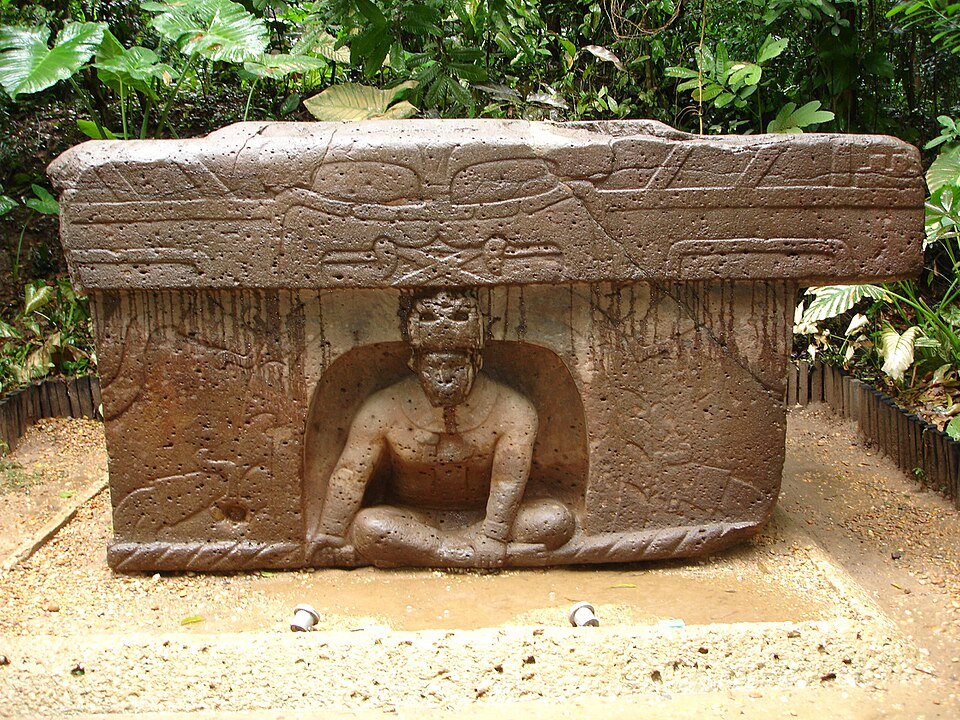
Altar 4 from La Venta
Altar 4 at La Venta, a massive basalt throne depicting an Olmec ruler seated in a niche symbolizing the entrance to the underworld, grasping a rope tethering captives. (Parque Museo La Venta)

Artistic Mastery: Were-Jaguars and Polished Jade

Beyond megalithic stone statuary, Olmec artisans achieved extraordinary technical skill in miniature lapidary art. Sourcing rare blue-green jadeite from the Motagua River Valley in Guatemala over hundreds of miles away, craftsmen carved translucent votive axes, ear spools, and figurines using quartz abrasives and bamboo drills.

Central to Olmec cosmology was the were-jaguar motif, combining human infant features with the cleft forehead, feline snarl, and almond eyes of the apex rainforest predator. Shamans believed in spiritual transformation, acting as intermediaries between the earthly realm and celestial forces that controlled rain and agricultural fertility.

Civilizational Legacy: The Blueprint of Mesoamerica

By approximately 400 BCE, the ceremonial centers of La Venta and Tres Zapotes were abandoned, likely due to environmental shifts, volcanic ash falls, and river siltation that disrupted the intensive agricultural systems. However, the Olmec civilizational blueprint did not perish.

Their sacred calendar, earthen temple mounds, feather-serpent deities, ritual rubber ballgame, and jade prestige economy were directly inherited and refined by the Maya of the Petรฉn lowlands, the Zapotec of Monte Albรกn, and the builders of Teotihuacan, preserving the Olmec legacy as the undeniable mother culture of Mesoamerica.

๐Ÿ“– SCHOLARLY INQUIRIES

Frequently Asked Questions

Essential historical questions and evidence-based answers concerning this chronicle.

How did the Olmecs transport 20-ton basalt stones without wheels?

They quarried boulders from the Tuxtla Mountains over 50 miles away and transported them across jungle rivers using massive wooden sledges, rollers, and balsa rafts.

What were the two major achievements of the Olmecs?

The two major achievements of the Olmecs were: 1) Megalithic sculpture and engineering, carving seventeen 20-ton colossal basalt ruler heads and moving them 80 km across swamps without draft animals or the wheel; and 2) Pioneering Mesoamerican cultural foundations, including synthesizing vulcanized rubber, creating the ritual ballgame, and developing early calendar and earthen pyramid systems.

Why are the Olmec called Mesoamerica's mother culture?

Because foundational elements of Mesoamerican civilizationโ€”including monumental pyramid temple plazas, the feathered serpent deity, ritual rubber ballgames, jade carving traditions, and early calendar glyphsโ€”first originated with the Olmec before spreading to the Maya, Zapotecs, and Aztecs.

How did the Olmec move the colossal basalt heads?

Archaeological evidence indicates Olmec engineers quarried volcanic basalt boulders in the Sierra de los Tuxtlas and transported them up to 80 kilometers using a combination of heavy wooden sledges, log rollers across cleared paths, and buoyant balsa-wood rafts along coastal river systems.

๐Ÿ“š Academic Sources & Scholarly Bibliography
  • Diehl, R. A. (2004). The Olmecs: America's First Civilization. Thames & Hudson.
  • Pool, C. A. (2007). Olmec Archaeology and Early Mesoamerica. Cambridge University Press.
  • Cyphers, A. (2014). San Lorenzo: The First Olmec Capital. UNAM Institute of Anthropological Research.
โšก Fast Facts
  • Historical EraANCIENT
  • Region๐ŸŒ GLOBAL
  • CategorySociety
  • Reading Timeโฑ 5 min read
๐Ÿ“– Scholar Mode Active โ€” Click to exit focused reading
Selected Era

Prehistoric Era

Millions of years ago to ~3000 BCE

The dawn of humanity. From the evolutionary split of early hominids to the mastery of stone tools, fire, and the birth of language.

Landmark Milestones

Welcome to Historia

Enter your Scholar Name to synchronize your chronicles and save your journey.