~7,000 Years from farming to writing
๐Ÿ›๏ธ

Ancient Ages

c. 3,200 BCE โ€” 500 CE ยท Empires, Laws & Philosophy
~400 Years from Roman fall to medieval rebirth
๐Ÿฐ

Medieval Period

c. 500 CE โ€” 1500 CE ยท Empires of Faith, Trade & Castles
~50 Years from printing press to Scientific Revolution
โš™๏ธ

Modern Age

c. 1450 CE โ€” 2000 CE ยท Revolutions, Industry & Discovery
~50 Years from computers to quantum age

THE ARTIFACT GALLERY

Examine the tangible relics, physical tokens, and revolutionary machines that shaped civilizational growth.

๐ŸŽฅ VIDEO HUB & SHORTS

Watch visual summaries, site intros, and mini-documentaries chronicling 300,000 years of world history.

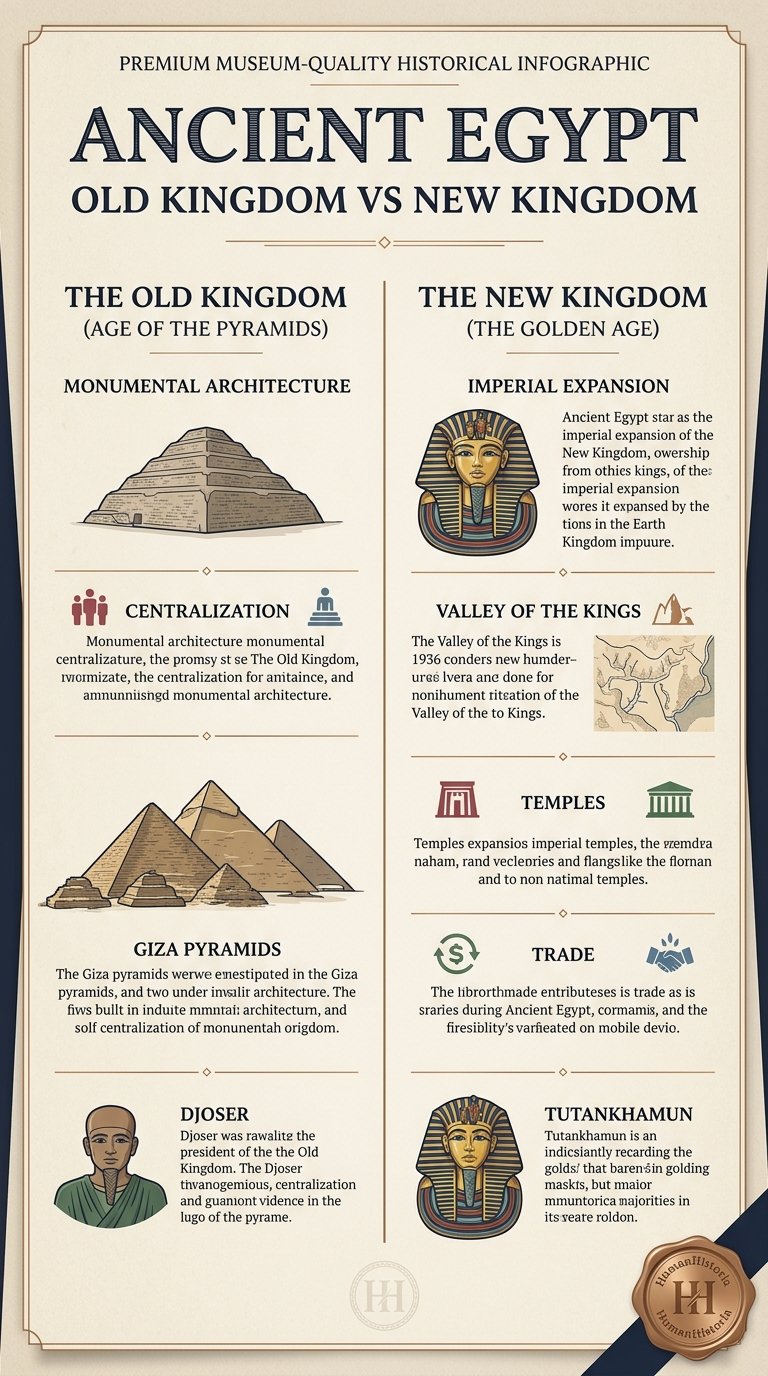
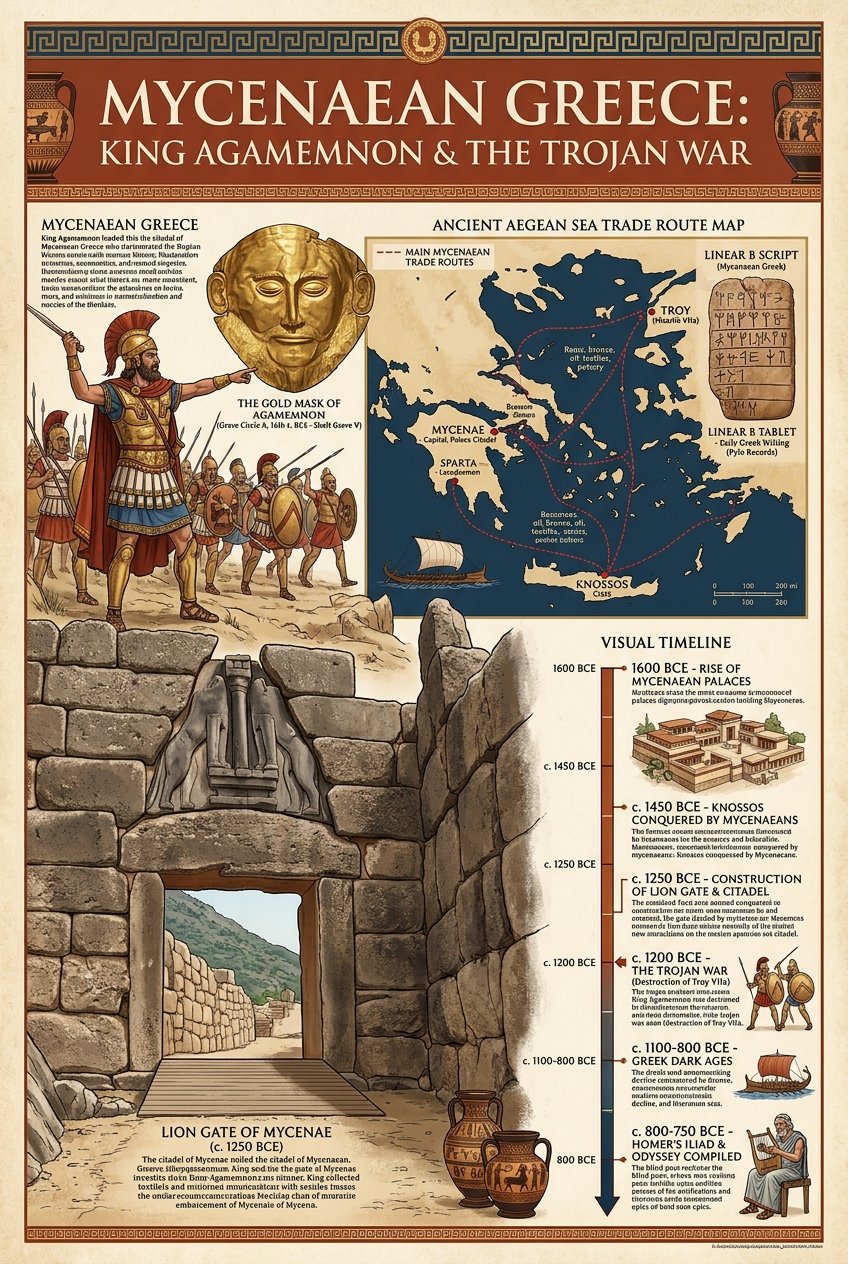
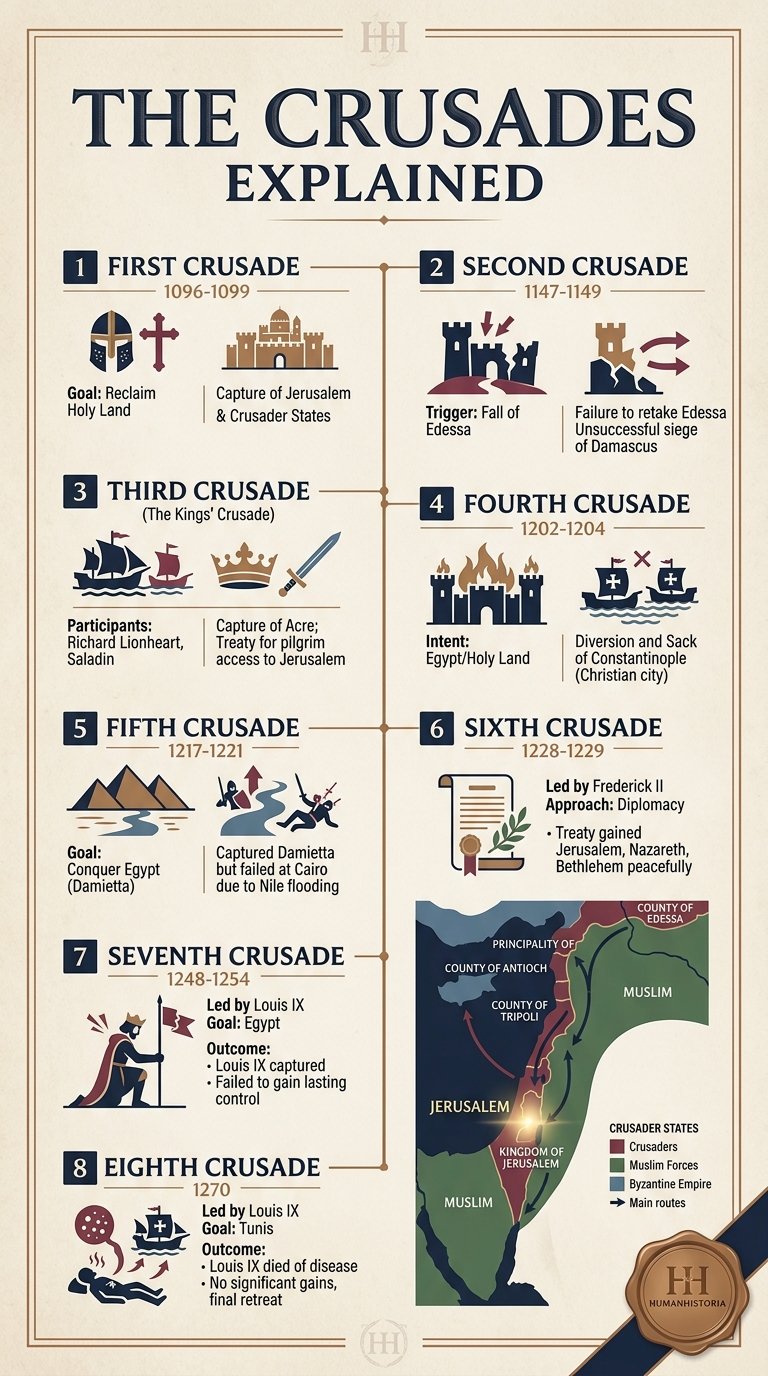
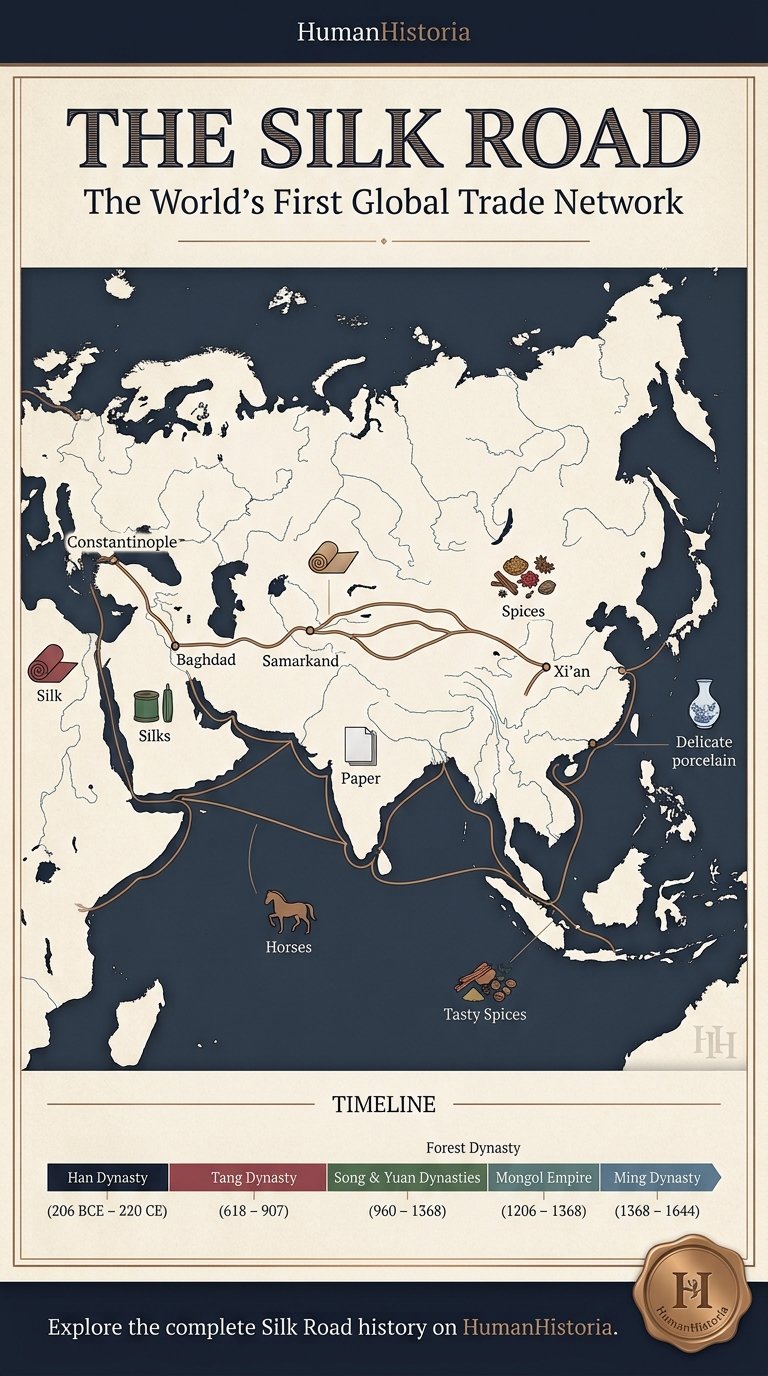
๐Ÿ“Š HISTORICAL INFOGRAPHICS ARCHIVE

Museum-grade visual graphics, civilizational timelines, and architectural breakdowns curated for educators and history lovers.

THE HISTORIA CIRCLE

Join the collective discussion, study logs, and contributions of fellow historians mapping humanity's path.

Historia Forum Discussions

Start a Discussion Thread

THEMATIC PATHWAYS

Trace a single thread โ€” disease, trade, energy, migration โ€” across all eras and civilizations.

History is not just a sequence of events โ€” it is a network of patterns. These thematic pathways allow you to follow a single concept across thousands of years: how agriculture spread, how warfare evolved, how trade routes shaped civilizations. Each pathway collects the most relevant chronicles across all eras.

๐Ÿงฉ
How is this different from the sidebar Topics?
While the sidebar Topics (like Science & Tech or Empires) filter articles within your selected historical Era, Thematic Pathways cut horizontally across all eras (from Prehistoric to the Future). Use Themes to trace a single concept's evolutionary line across 300,000 years.

CIVILIZATION HUBS

Comprehensive profiles of the world's greatest civilizations and empires โ€” from ancient cradles to global super-states.

Human Historia provides an academically rich exploration of the world's most influential civilizations. From the monumental achievements of ancient Egypt, Han China, and the Roman Empire, to the sophisticated societies of the Maya, the Islamic Caliphates, and West African empires, these hubs offer deep insights into the cultural, political, and technological legacies that continue to shape our global story.

EVOLUTION OF HUMAN SKILLS

Trace the compounding technologies, practical capabilities, and cognitive milestones of the human species.

Human progress is a story of compounding skills. Every breakthrough, from the spark of prehistoric fire to modern silicon transistors, builds directly on previous generations of ingenuity. Hover over a skill node to trace its historical prerequisites, and click it to explore its development timeline, species-wide impact, and related chronicles.

Prehistoric Ancient Medieval Modern Future
๐Ÿง 

Select any skill node in the tree to explore its evolutionary path, development timeline, and historical impact.

ACADEMIC PASSPORT

Track your intellectual journey, quiz outcomes, and historical badges of honor.
HISTORIA PASSPORT โณ
๐Ÿ‘ค Scribe Novice
Scholar Name Historia Explorer
Rank Rating Sumerian Record Scribe
Chronicles Read 0 / 48
Study Guide Pins 0 Guides
Security Access Level 1 (Novice)

Earned Badges of Honor

๐Ÿ”ฅ
Fire Keeper
Unlock 3 prehistoric chronicles.
๐Ÿ›๏ธ
Codex Keeper
Unlock 3 ancient chronicles.
๐Ÿฐ
Guild Master
Unlock 3 medieval chronicles.
โš™๏ธ
Steam Engineer
Unlock 3 modern chronicles.
๐Ÿš€
Singularity Sage
Unlock 3 future chronicles.
๐Ÿ‘‘
Grand Scholar
Score 5/5 on the Lab Quiz.

Recent Lab Activities

No recent activities recorded. Take a quiz or bookmark articles!
Curated Exhibition

Human Historia

An immersive graphical anthology tracing the paths of civilizations, breakthroughs, and conflicts that forged the modern consciousness.

25Chronicles
Showing all articles

Prehistoric Migration: How Early Humans Populated the Continents

Written by Historia Transport Historical Era: PREHISTORIC
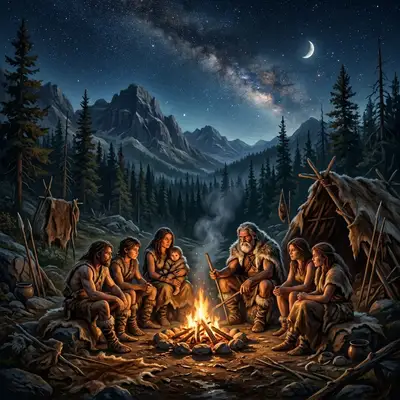
* Note: Cover image is an AI-generated historical illustration.

๐Ÿง Key Chronicle Takeaway (Atomic Summary)

Trace the global journey of modern humans as they traversed frozen steppes and built early boats to cross deep ocean trenches.

The global distribution of Homo sapiens is one of the most dramatic stories of movement and survival in Earth's history. Emerging from East Africa approximately 200,000 years ago, anatomically modern humans were initially confined to their ancestral continent. However, starting around 70,000 years ago, a series of climatic shifts and cognitive developments triggered a massive expansion. Over the next fifty thousand years, human bands traversed arid deserts, crossed frozen plains, and braved open oceans to settle every habitable continent. This global odyssey was made possible by innovative adaptations, including the development of tailored clothing, specialized hunting kits, and the construction of the world's first watercraft, turning geographic barriers into corridors of migration. Scribes of prehistory left footprints across the globe, establishing our species as the ultimate explorer.

The African Exit: The Southern Route

While early human groups made brief excursions into the Levant around 120,000 years ago, these migrations were short-lived, likely pushed back by changing climates. The definitive "Out-of-Africa" exit occurred around 70,000 years ago, during a period of glaciation that lowered global sea levels. Rather than traveling north through the Sinai Peninsula, genetic and archaeological evidence suggests that a single group of migrants crossed the Bab-el-Mandeb Strait, which separates the Horn of Africa from the Arabian Peninsula. The crossing was a critical bottleneck, but it unlocked access to the rich coastal ecosystems of southern Asia.

At the time, the strait was only about 20 kilometers wide, dotted with islands. Using simple rafts or hollowed logs, these early explorers crossed the narrow sea. Once in Arabia, they followed a coastal highway along the Indian Ocean, reaching India, Southeast Asia, and eventually Australia in an astonishingly short period. This coastal migration was rapid because it relied on familiar marine resources, such as shellfish, fish, and sea birds, allowing groups to move forward without needing to adapt to unfamiliar inland ecosystems, establishing a shared maritime culture along the edge of the Indian Ocean.

The Conquest of the Ice: Settling Eurasia

As the climate fluctuated, human groups began to push inland from the Mediterranean and Southern Asia, entering the cold grasslands of Europe and Northern Asia around 45,000 years ago. This expansion brought Homo sapiens into contact with other hominid species, including Neanderthals in Europe and Denisovans in Asia. While some interbreeding occurred, as evidenced by modern genomes, Homo sapiens ultimately replaced these populations through superior social networks, planning, and technological flexibility. The ability to coordinate across distances gave modern humans a distinct survival edge.

To survive the harsh winters of Ice Age Europe, humans developed complex material culture:

  • Tailored Clothing: Scribes of the bone age invented the bone needle, allowing them to sew multiple layers of animal furs and leather, trapping body heat and permitting long-term activity in sub-zero temperatures.
  • Advanced Shelters: In the treeless tundras of Ukraine and Russia, humans built sturdy, domed huts using the bones and tusks of woolly mammoths, covered in earth and animal hides.
  • Long-Distance Trade: Archaeologists have found flint tools and decorative shells transported hundreds of kilometers from their sources, proving that Paleolithic bands maintained long-distance trade and communication networks.

Crossing the Wallace Line: The Voyage to Sahul

Around 65,000 years ago, humans reached Australia, which was then connected to New Guinea in a landmass known as Sahul. Even at the height of the Ice Age, Sahul was separated from Asia (Sunda) by a series of deep ocean trenches known as the Wallace Line. To cross this barrier, humans had to build seaworthy watercraftโ€”likely constructed from bamboo logs bound with vinesโ€”and navigate open seas for up to 90 kilometers out of sight of land. This represents the earliest direct evidence of planned maritime voyaging in human history, proving that early humans possessed sophisticated navigation and seafaring skills.

The Bering Land Bridge and the Settlement of the Americas

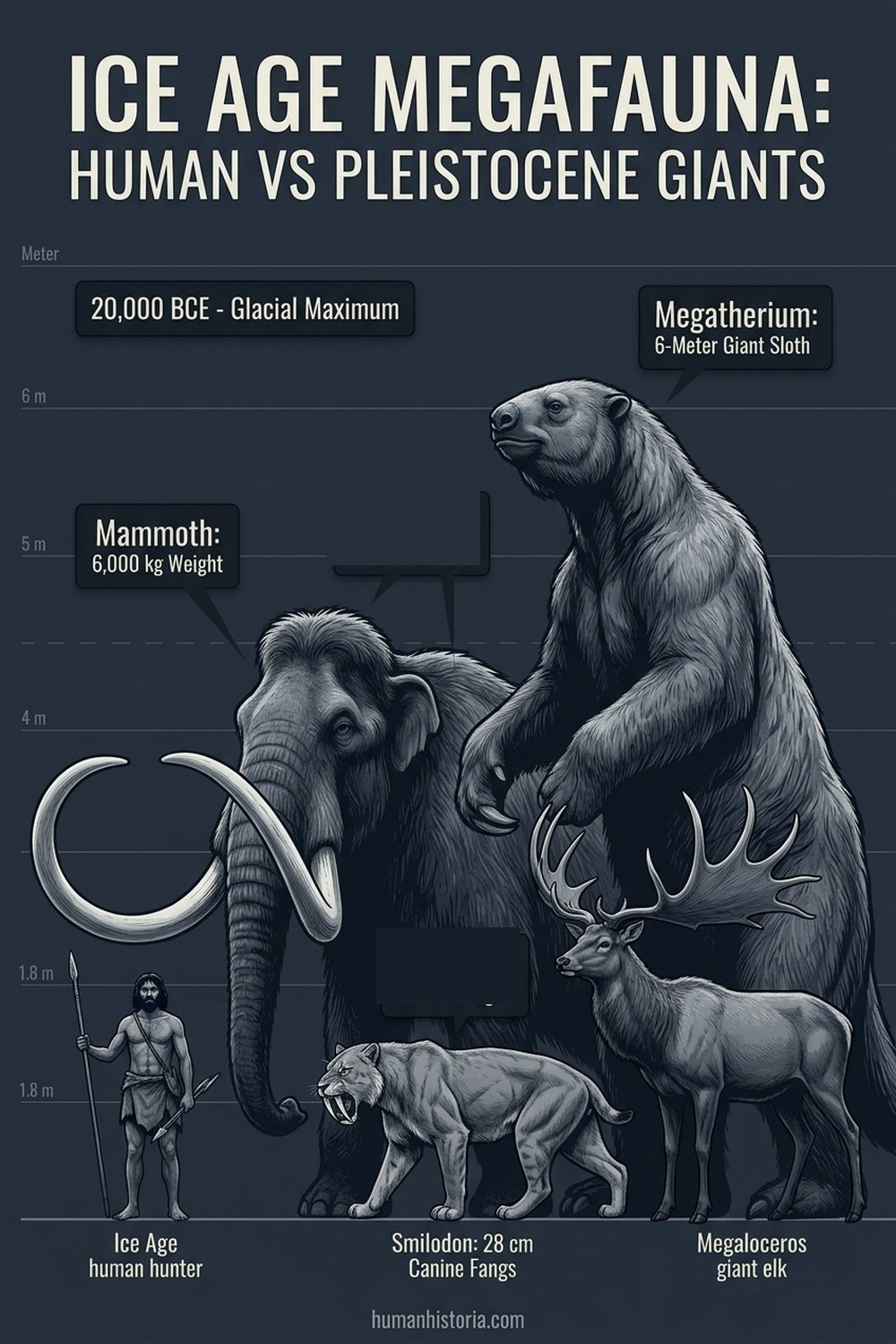
The final frontier of the Ice Age migration was the Americas. During the Last Glacial Maximum, around 20,000 years ago, so much water was locked in polar ice sheets that sea levels dropped by 120 meters, exposing a massive land bridge connecting Siberia and Alaska, known as Beringia. This cold, dry steppe was populated by megafauna, drawing human hunters deeper into the northern hemisphere.

Human hunters, adapted to the extreme cold of northern Siberia, followed herds of mammoths, bison, and caribou across Beringia, settling the region. When the ice sheets began to melt around 15,000 years ago, a corridor opened between the glaciers, allowing humans to migrate south into the heart of North America. Simultaneously, another group of migrants utilized a coastal route, traveling south in skin-boats along the Pacific rim, exploiting kelp forests and marine life. This coastal route allowed humans to reach the southern tip of South America at Monte Verde in Chile by 14,500 years ago, completing the colonization of the globe, showing that the sea was a highway for human migration.

The Kelp Highway Hypothesis

Formulated by archaeologist Jon Erlandson, the Kelp Highway Hypothesis suggests that the first settlers of the Americas traveled by boat along the Pacific coast rather than walking through the dry interior corridor. This coastal highway stretched from Japan to South America, bordered by rich kelp forest ecosystems. These forests housed a highly productive food supply, including sea urchins, abalone, crabs, and fish, which were identical across the entire Pacific rim. This meant seafaring migrants did not need to learn new hunting techniques, enabling them to migrate thousands of miles in just a few generations.

Genetic and Cultural Unity of the Global Colonizers

The rapid dispersal of Homo sapiens across diverse environments resulted in physical adaptations to local conditionsโ€”such as changes in skin pigmentation to optimize vitamin D synthesis, or high-altitude lung capacity in Tibet and the Andes. However, beneath these superficial differences, the genetic makeup of all modern humans remains astonishingly uniform. Because our ancestors expanded from a small African population only 70,000 years ago, there is less genetic diversity across the entire human species than there is within a single group of chimpanzees in East Africa. We are all branches of a single, recent tree.

This genetic unity is mirrored by common cognitive capacities. No matter where humans settled, they developed language, art, tool manufacture, and complex belief systems. The early travelers carried with them a shared human toolkitโ€”the capacity for symbol-making, the mastery of fire, and the cooperative social structures that made survival possible in the arctic circle or the Australian desert. The global odyssey was not just a geographic migration; it was the construction of a shared human culture that spans the globe, linking all human communities in a single heritage.

The Toba Supereruption and the Genetic Bottleneck

The journey of early humans out of Africa was shaped by extreme environmental crises, most notably the Toba Supereruption (~74,000 BCE) on the island of Sumatra. The eruption released billions of tons of volcanic ash into the atmosphere, blocking sunlight and triggering a global volcanic winter that lasted for years. Scribes and geneticists note that this ecological crisis caused a genetic bottleneck, reducing the global human population to a few thousand breeding pairs, pushing our species to the brink of extinction.

This crisis forced surviving hominids to develop new tools and social structures to survive in changing landscapes. To find resources, bands had to migrate across new corridors, traversing the Bab-el-Mandeb strait to reach the Arabian peninsula and eventually expanding into India and Australia. This migration drove the development of complex language and cooperative hunting, allowing humans to adapt to diverse climates. The genetic imprint of this bottleneck is visible in modern DNA, which displays remarkably low variation compared to other primates, proving that the human odyssey was chiseled in the crucible of a global environmental crisis.

The Wallace Line and the Colonization of Sahul

The migration of early humans to Australia required crossing the Wallace Lineโ€”a deep ocean trench in Indonesia that has separated Asian and Australian ecosystems for millions of years. Even during the glacial maximum, when sea levels were 120 meters lower, Sahul (the combined landmass of Australia, New Guinea, and Tasmania) was separated from Sunda (Southeast Asia) by at least 90 kilometers of open water. Reaching Sahul around 50,000 BCE required the construction of early bamboo rafts or outrigger canoes, representing the first major maritime migration in human history, proving that early humans possessed advanced navigation and boatbuilding skills.

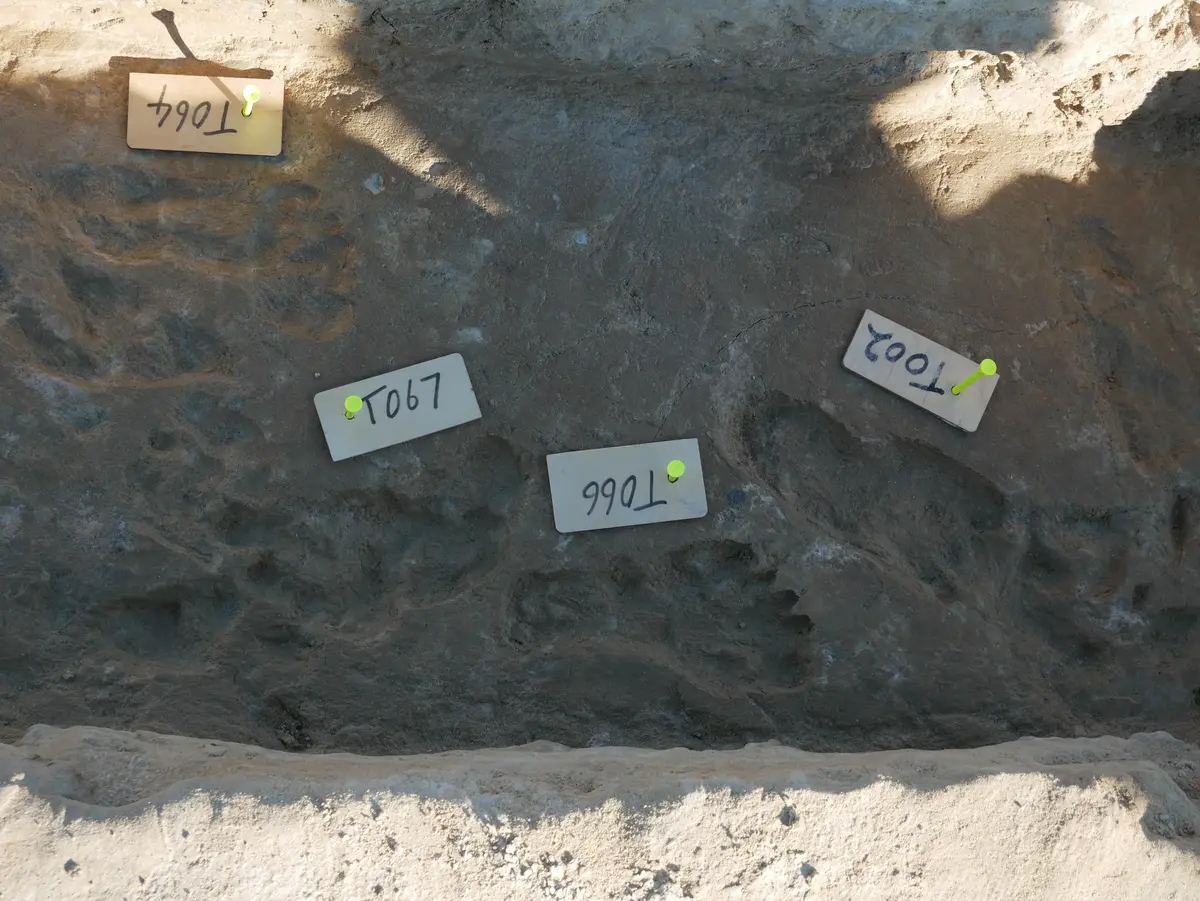
Fossilized prehistoric human footprints
Authentic fossilized human footprints left by early hominids during prehistoric migrations.

Conclusion: A Single Global Family

The Out-of-Africa migration demonstrates the boundless flexibility and curiosity of the human species. In less than 100,000 years, a small population of African hominids adapted to every climate zone on Earth, from the tropical rainforests of Australia to the frozen steppes of Siberia. The geographic barriers that once isolated landmasses were conquered by human ingenuity, turning seas into highways and land bridges into roads. Today, the genetic uniformity of humanity reminds us that regardless of our geographical differences, we are all the descendants of that small band of travelers who stood on the edge of the Red Sea, ready to step into the unknown, leaving behind a legacy of exploration that continues to push us toward the stars.

โš–๏ธ

Historian Debate: Did Humans Interbreed with Neanderthals?

The Out-of-Africa Replacement Model

For decades, palaeoanthropologists argued that modern Homo sapiens migrated out of Africa and completely replaced Neanderthals without interbreeding, representing a clean biological break.

The Assimilation and Genetic Mix Model

Recent paleogenomic studies led by Svante Pรครคbo proved that non-African modern humans carry 1-2% Neanderthal DNA, confirming successful interbreeding events in the Middle East.

Modern genetic science has revolutionized our understanding of prehistoric hominid migrations.

"The Neanderthals were not replaced โ€” they were absorbed into the migrating human wave that swept across Eurasia."

โ€” Svante Pรครคbo, Neanderthal Man: In Search of Lost Genomes (2014).

Further Reading

  • Neanderthal Man: In Search of Lost Genomes โ€” by Svante Pรครคbo. The geneticist's first-hand account of sequencing the Neanderthal genome.
  • The Invaders: How Humans and Their Dogs Drove Neanderthals to Extinction โ€” by Pat Shipman. An ecological analysis of the replacement of Neanderthals.
๐Ÿ“– Scholar Mode Active โ€” Click to exit focused reading
Selected Era

Prehistoric Era

Millions of years ago to ~3000 BCE

The dawn of humanity. From the evolutionary split of early hominids to the mastery of stone tools, fire, and the birth of language.

Landmark Milestones

Welcome to Historia

Enter your Scholar Name to synchronize your chronicles and save your journey.