>
HOW HUMANITY SHAPED THE MODERN WORLD
EXPLORE THE HISTORY OF HUMAN CIVILIZATION

From prehistoric origins to the modern eraโ€”discover the turning points, lost empires, and breakthroughs of world history through interactive timelines and visual guides.
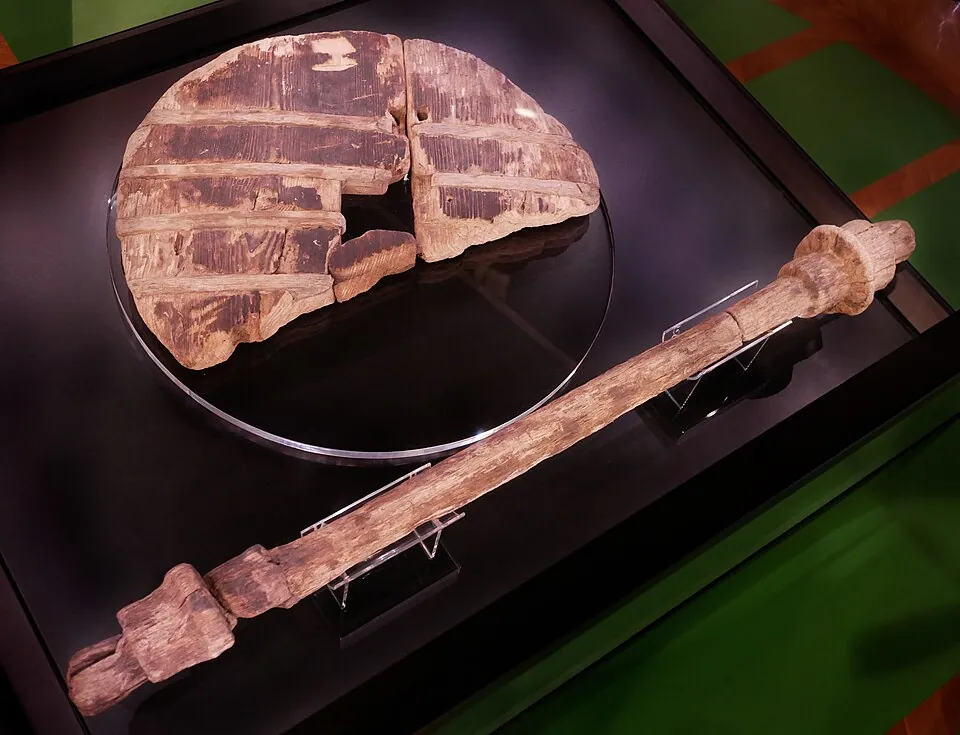
KEY HISTORICAL EVENTS
Major Turning Points in World History
All 182 Chronicles →
Pax Romana (27 BCE - 180 CE): Roman Empire, Law & Military Supremacy ANCIENT AGES
๐Ÿ›๏ธ Empires โฑ๏ธ 5 min read
Pax Romana (27 BCE - 180 CE): Roman Empire, Law & Military Supremacy

Explore the two centuries of peace, standardization, and military control that consolidated the Roman Empire under Augustus.

Read Chronicle →
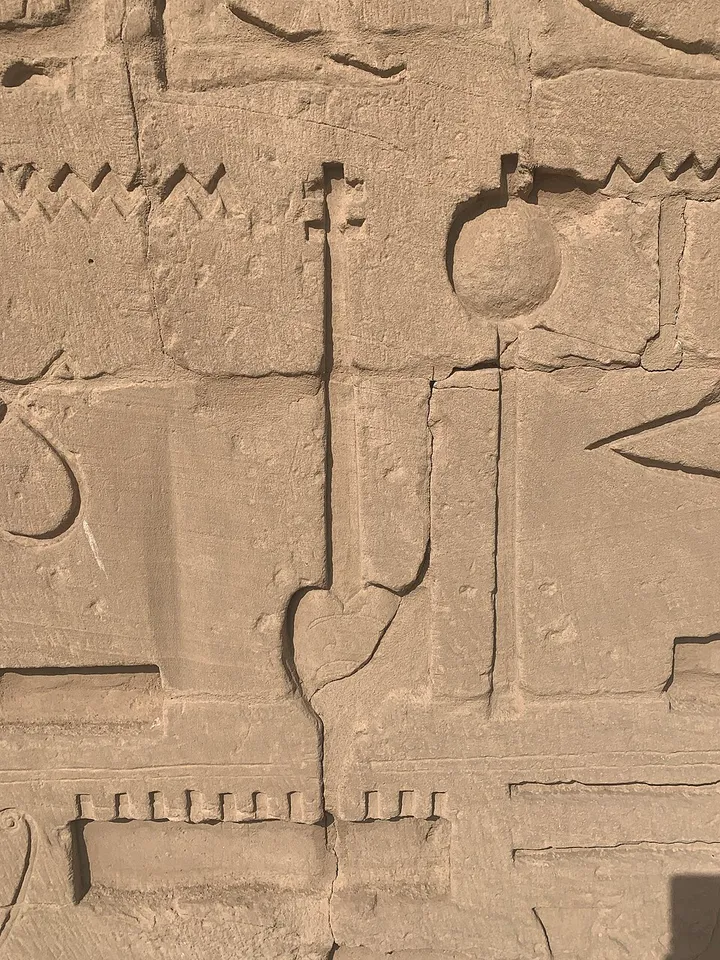
Egyptian Hieroglyphs: Decipherment, Scribes & Sacred Carvings ANCIENT AGES
๐Ÿ›๏ธ Languages โฑ๏ธ 9 min read
Egyptian Hieroglyphs: Decipherment, Scribes & Sacred Carvings

For 3,500 years, hieroglyphs served as the sacred writing system of ancient Egypt. Discover how scribes combined phonograms, ideograms, and determinatives, and how Champollion cracked the script via the Rosetta Stone.

Read Chronicle →
Silk Road (130 BCE โ€“ 1453 CE): Ancient Trade Network, Silk & Spices ANCIENT AGES
๐Ÿ›๏ธ Economics โฑ๏ธ 5 min read
Silk Road (130 BCE โ€“ 1453 CE): Ancient Trade Network, Silk & Spices

Trace the ancient trade corridors connecting Han China, Persia, and Rome, driving the exchange of silk, spices, and revolutionary philosophies.

Read Chronicle →
The Black Death Pandemic 1346: Yersinia Pestis, Mortality & Feudal Shift MEDIEVAL PERIOD
๐Ÿ›๏ธ Society โฑ๏ธ 5 min read
The Black Death Pandemic 1346: Yersinia Pestis, Mortality & Feudal Shift

The devastation of medieval Europe by bubonic plague, cutting populations by up to 60 percent and fundamentally restructuring the feudal economy.

Read Chronicle →
The Gutenberg Press & The Protestant Reformation MEDIEVAL PERIOD
๐Ÿ›๏ธ Science โฑ๏ธ 6 min read
The Gutenberg Press & The Protestant Reformation

Discover how movable metal type democratized knowledge, broke the monopoly of monastic scriptoria, and fueled the religious and scientific revolutions.

Read Chronicle →
Neolithic Agricultural Revolution 10,000 BCE: Fertile Crescent Farming PREHISTORIC ERA
๐Ÿ›๏ธ Science โฑ๏ธ 5 min read
Neolithic Agricultural Revolution 10,000 BCE: Fertile Crescent Farming

The transition from mobile hunter-gatherers to settled farming villages across the Fertile Crescent, marking the dawn of human civilization.

Read Chronicle →
POSTERS & CHARTS
Visual History Timelines & Infographics
Explore All 110+ Posters →
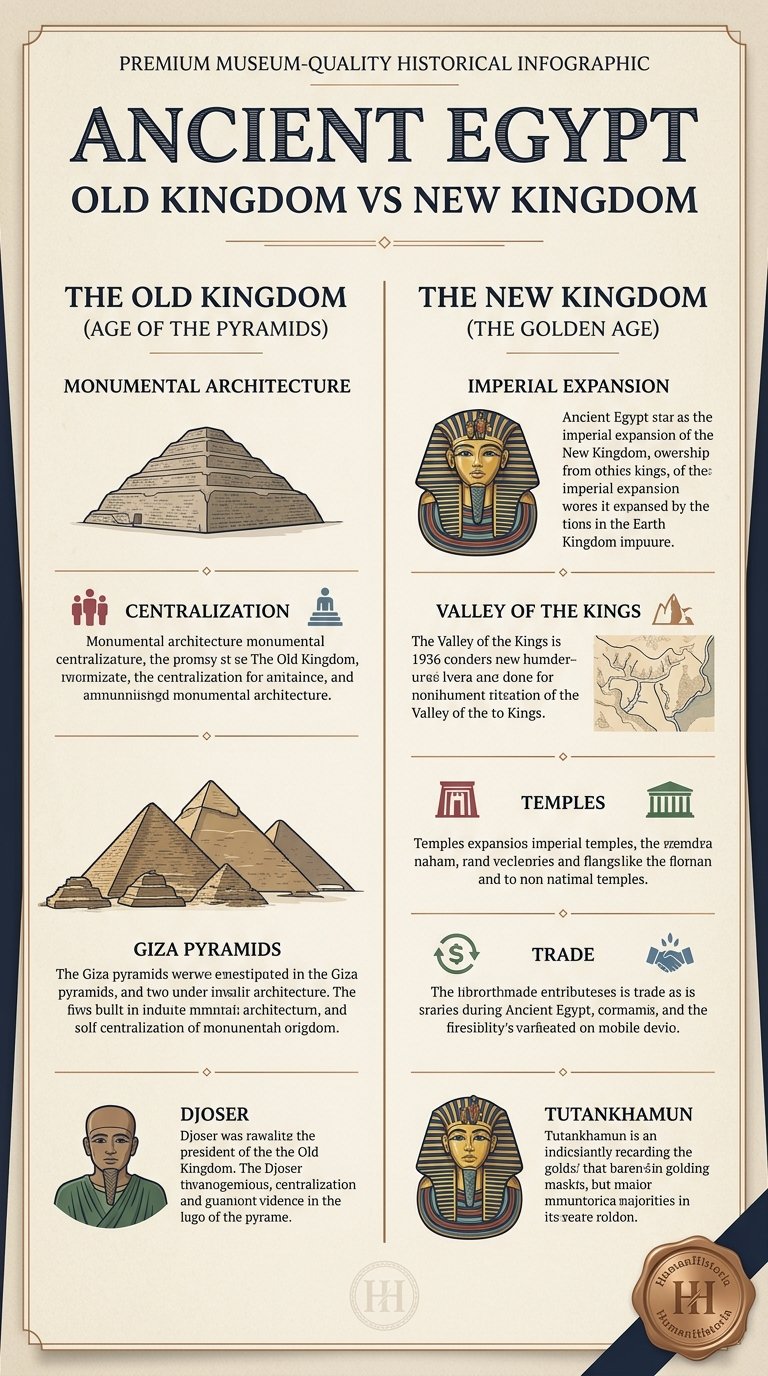
Ancient Egypt: Old Kingdom vs. New Kingdom
๐Ÿ” Tap to Zoom
Ancient Egypt: Old Kingdom vs. New Kingdom
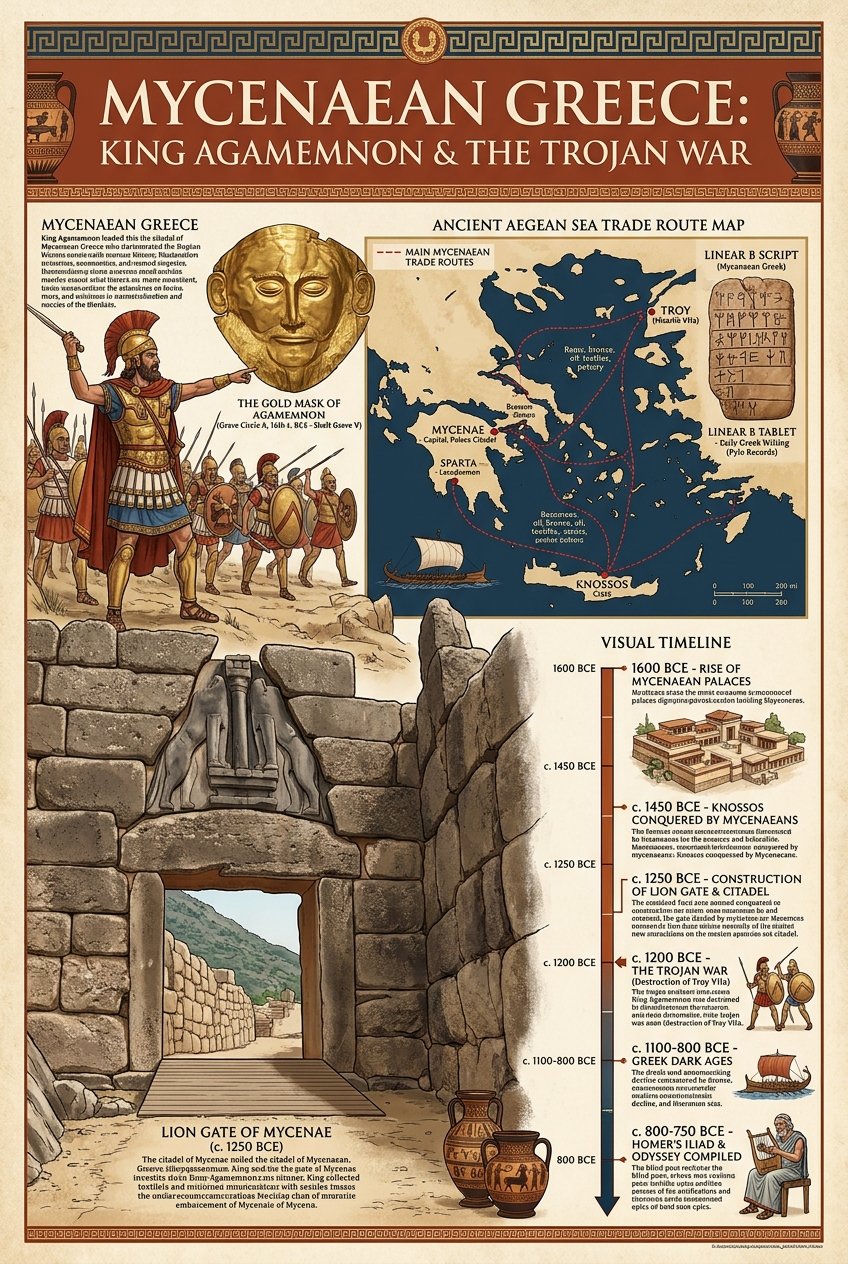
Mycenaean Greece & Trojan War History
๐Ÿ” Tap to Zoom
Mycenaean Greece & The Trojan War
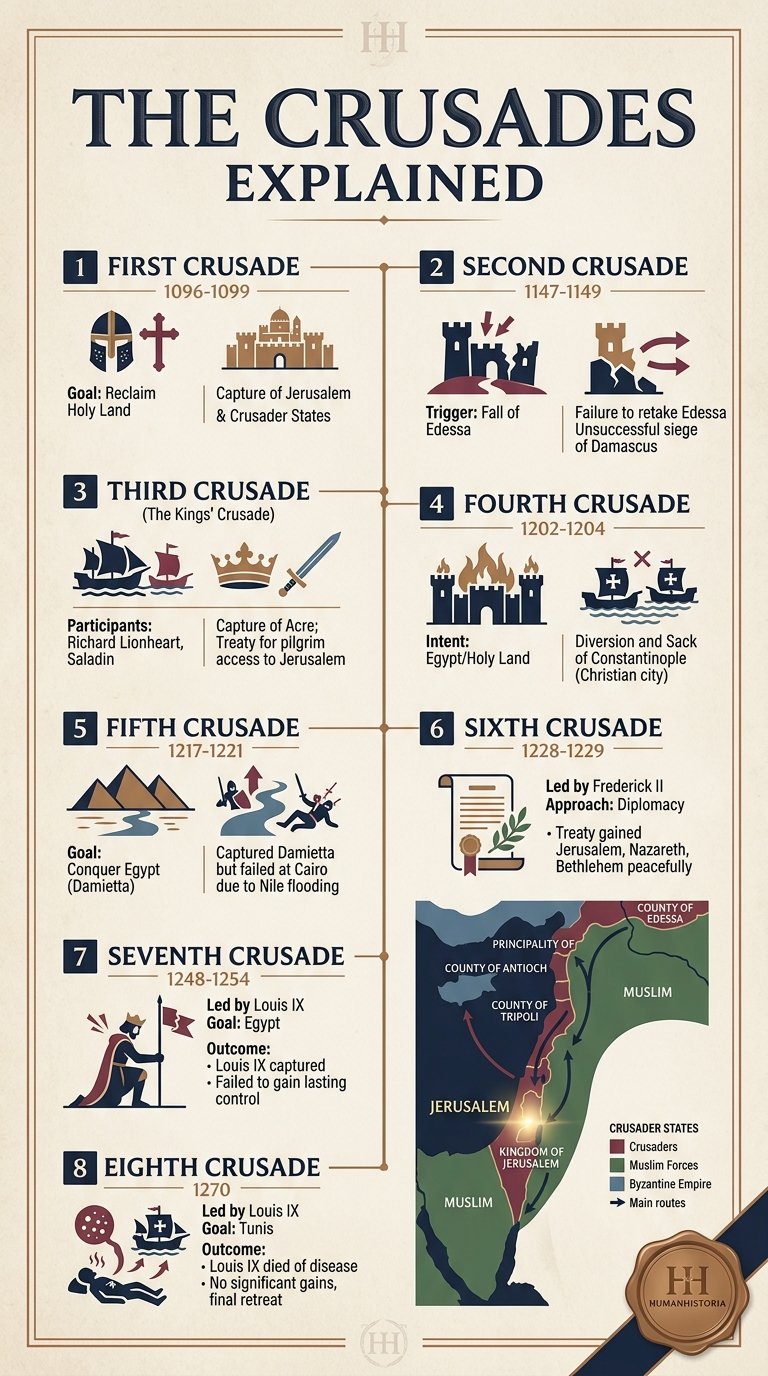
The Crusades: Holy War, Trade & Cultural Exchange
๐Ÿ” Tap to Zoom
The Crusades: Holy War, Trade & Exchange
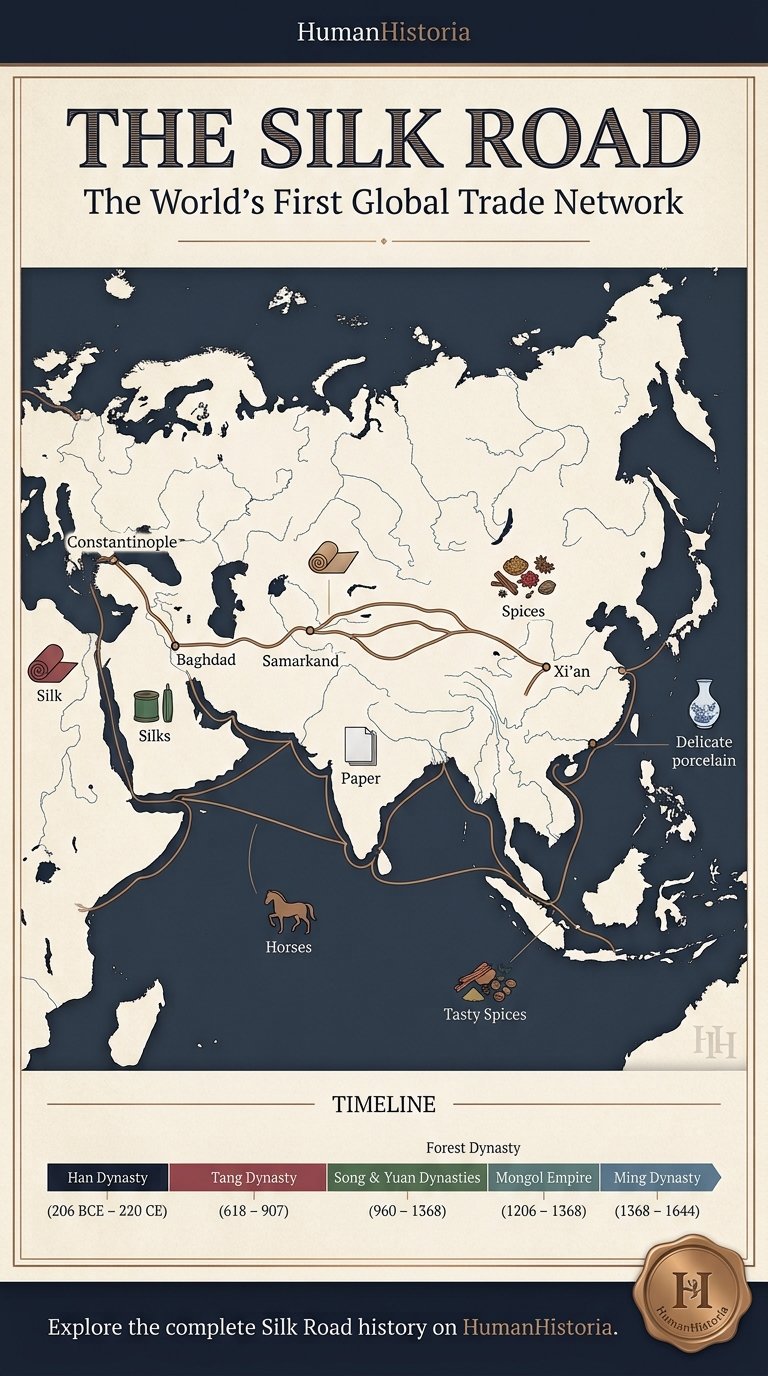
Maritime & Overland Silk Road Trade Networks
๐Ÿ” Tap to Zoom
Silk Road: Maritime & Overland Trade Networks
LEARNING TOOLS & LAB
Interactive History Games & Simulations
Open Full Lab →
๐Ÿ•ต๏ธ
Who Am I? (Historical Guessing Game)

A secret historical figure has been chosen. Ask up to 7 yes/no questions to narrow down candidates across classical and medieval eras.

Play Game →
๐Ÿ—บ๏ธ
Timeline Scramble

Five historical events appear out of order. Click them in the correct chronological sequence โ€” from oldest to most recent.

Test Chronology →
โš–๏ธ
Empire Matchup Simulator

Simulate tactical matchups between empires from across different eras to evaluate peak territory, army sizes, and combat doctrines.

Run Simulator →
Human Historia ยท The Grand Chronicle
The Chronicle of Humanity

300,000 years. 5 eras. Countless turning points that shaped every moment of your world.

๐Ÿฆด
Prehistoric Era
c. 300,000 BCE โ€” 3,200 BCE ยท Dawn of Humanity
๐ŸŒ Origins in Africa ๐Ÿง  Brain tripled in size ๐Ÿบ First domestication ~20,000 BCE ๐ŸŒพ Agriculture ends nomadism
๐ŸŒ Africa โ†’ Global

Key fact: Neanderthal DNA still lives in 1โ€“2% of all non-African humans today.

Related: Animal Domestication, Cave Art

๐Ÿ”ฅ Africa

Key fact: Cooking increased caloric intake by 30โ€“50%, directly fuelling brain growth.

Related: Stone Tools, Migration

๐ŸŒพ Fertile Crescent

Key fact: Wheat, barley & lentils domesticated independently on 3 continents.

Related: Gรถbekli Tepe, Cuneiform

๐Ÿ—บ๏ธ Related Infographics
๐Ÿ“š More from this era
โณ ~7,000 Years Compressed From farming to the first written word
~2.3% of recorded human history
๐Ÿ›๏ธ
Ancient Ages
c. 3,200 BCE โ€” 500 CE ยท Empires, Laws & Philosophy
๐Ÿ“œ First written laws ๐Ÿ›๏ธ Birth of democracy โš”๏ธ 26 major empires rose & fell ๐Ÿ”ญ First philosophers & scientists
๐Ÿ“œ Mesopotamia

Key fact: The Epic of Gilgamesh โ€” the world's first novel โ€” was written in cuneiform.

Related: Epic of Gilgamesh, Hammurabi

๐Ÿ“š Alexandria, Egypt

Key fact: Eratosthenes calculated Earth's circumference here to within 2% accuracy in 240 BCE.

Related: Greek Philosophy, Roman Empire

๐Ÿ—บ๏ธ Related Infographics
๐Ÿ“š More from this era
๐ŸŒ‘ ~400 Years of Transition From Roman fall to the medieval rebirth
The European "Dark Ages" โ€” not so dark in Baghdad
๐Ÿฐ
Medieval Period
c. 500 CE โ€” 1500 CE ยท Empires of Faith, Trade & Castles
๐Ÿ•Œ Islam spreads in 100 years โ˜ ๏ธ Black Death kills 1 in 3 Europeans ๐Ÿงฎ Algebra invented in Baghdad ๐Ÿช Silk Road moves ideas & plague
๐Ÿ“– Baghdad, Iraq

Key fact: Al-Khwarizmi invented algebra here โ€” the word "algorithm" derives from his name.

Related: Silk Road, Mansa Musa

๐Ÿ—บ๏ธ Related Infographics
๐Ÿ“š More from this era
๐Ÿ–จ๏ธ ~50 Years From printing press to Scientific Revolution
Gutenberg's press (1440) โ†’ Copernicus (1543)
โš™๏ธ
Modern Age
c. 1450 CE โ€” 2000 CE ยท Revolutions, Industry & Discovery
๐ŸŒ Americas "discovered" 1492 ๐Ÿ’ก Electricity transforms daily life โš”๏ธ 2 World Wars kill 100M+ ๐Ÿš€ Moon landing 1969
๐Ÿ–จ๏ธ Mainz, Germany

Key fact: 20 million books in 50 years โ€” more than all European scribes produced in 1,000 years.

Related: Scientific Revolution, Reformation

๐Ÿš‚ Britain

Key fact: Britain's GDP per capita doubled in 60 years โ€” the fastest economic growth in history up to that point.

Related: Electricity, Wright Brothers

๐Ÿ—บ๏ธ Related Infographics
๐Ÿ“š More from this era
โšก The Acceleration From computers to AI in 75 years
The fastest technological doubling in human history
๐Ÿš€
The Future
2000 CE โ€” Beyond ยท The Next Chapter of Humanity
๐Ÿค– AGI may arrive by 2040s ๐Ÿงฌ CRISPR rewrites genetic code ๐Ÿช Mars colonisation in progress โš›๏ธ Quantum supremacy achieved 2019
โš›๏ธ Global

Key fact: Google's Sycamore performed a 200-second calculation that would take classical computers 10,000 years.

Related: AI Singularity, CRISPR, Space

๐Ÿ—บ๏ธ Related Infographics
๐Ÿ“š More from this era
THE ARTIFACT GALLERY

Examine the tangible relics, physical tokens, and revolutionary machines that shaped civilizational growth.

๐ŸŽฅ VIDEO HUB & SHORTS

Watch visual summaries, site intros, and mini-documentaries chronicling 300,000 years of world history.

๐Ÿ“Š HISTORICAL INFOGRAPHICS ARCHIVE

Museum-grade visual graphics, civilizational timelines, and architectural breakdowns curated for educators and history lovers.

THE HISTORIA CIRCLE

Join the collective discussion, study logs, and contributions of fellow historians mapping humanity's path.

Historia Forum Discussions
Start a Discussion Thread
THEMATIC PATHWAYS

Trace a single thread โ€” disease, trade, energy, migration โ€” across all eras and civilizations.

History is not just a sequence of events โ€” it is a network of patterns. These thematic pathways allow you to follow a single concept across thousands of years: how agriculture spread, how warfare evolved, how trade routes shaped civilizations. Each pathway collects the most relevant chronicles across all eras.

๐Ÿงฉ
How is this different from the sidebar Topics?
While the sidebar Topics (like Science & Tech or Empires) filter articles within your selected historical Era, Thematic Pathways cut horizontally across all eras (from Prehistoric to the Future). Use Themes to trace a single concept's evolutionary line across 300,000 years.
CIVILIZATION HUBS

Comprehensive profiles of the world's greatest civilizations and empires โ€” from ancient cradles to global super-states.

Human Historia provides an academically rich exploration of the world's most influential civilizations. From the monumental achievements of ancient Egypt, Han China, and the Roman Empire, to the sophisticated societies of the Maya, the Islamic Caliphates, and West African empires, these hubs offer deep insights into the cultural, political, and technological legacies that continue to shape our global story.

EVOLUTION OF HUMAN SKILLS

Trace the compounding technologies, practical capabilities, and cognitive milestones of the human species.

Human progress is a story of compounding skills. Every breakthrough, from the spark of prehistoric fire to modern silicon transistors, builds directly on previous generations of ingenuity. Hover over a skill node to trace its historical prerequisites, and click it to explore its development timeline, species-wide impact, and related chronicles.

Prehistoric Ancient Medieval Modern Future
๐Ÿง 

Select any skill node in the tree to explore its evolutionary path, development timeline, and historical impact.

ACADEMIC PASSPORT

Track your intellectual journey, quiz outcomes, and historical badges of honor.

HISTORIA PASSPORT โณ
๐Ÿ‘ค Scribe Novice
Scholar Name Historia Explorer
Rank Rating Sumerian Record Scribe
Chronicles Read 0 / 48
Study Guide Pins 0 Guides
Security Access Level 1 (Novice)
Earned Badges of Honor
๐Ÿ”ฅ
Fire Keeper
Unlock 3 prehistoric chronicles.
๐Ÿ›๏ธ
Codex Keeper
Unlock 3 ancient chronicles.
๐Ÿฐ
Guild Master
Unlock 3 medieval chronicles.
โš™๏ธ
Steam Engineer
Unlock 3 modern chronicles.
๐Ÿš€
Singularity Sage
Unlock 3 future chronicles.
๐Ÿ‘‘
Grand Scholar
Score 5/5 on the Lab Quiz.
Recent Lab Activities
No recent activities recorded. Take a quiz or bookmark articles!
๐Ÿ›๏ธ MISSION & ARCHIVAL STANDARDS
About Human Historia

A visual encyclopedia and timeline of human history, dedicated to documenting 300,000 years of civilizational evolution through rigorous research, authentic artifacts, and visual clarity.

๐ŸŒ
The 300,000-Year Story

Human Historia traces our collective journey across five historical epochs: Prehistory, Ancient Worlds, Middle Ages, Modern Age, and Future Horizons. From the first control of fire to quantum computation, we organize turning points into interconnected timelines.

๐Ÿ“œ
Historiographical Rigor

Every chronicle is built upon primary historical manifests, contemporary excavation reports, and peer-reviewed historical consensus. We prioritize authentic public domain artifacts and clearly identify scholarly debates surrounding major civilizational transitions.

๐ŸŽจ
Museum-Grade Visuals

Complex historical transitions demand visual understanding. We develop high-resolution infographics, architectural cutaways, and comparative territorial maps to transform abstract timelines into vivid, unforgettable learning experiences.

๐Ÿ“–
Educational Access

Knowledge belongs to humanity. Human Historia is free, ad-light, and engineered as an educational resource for students, classroom educators, academic researchers, and curious minds across all continents.

Editorial Governance & Inquiries

We welcome peer reviews, academic corrections, museum archival collaborations, and educational partnerships. To submit historical inquiries or provide archival feedback, reach our editorial desk directly.

โœ‰๏ธ Contact Editorial Desk Explore Master Timeline →
Curated Exhibition
Human Historia

An immersive graphical anthology tracing the paths of civilizations, breakthroughs, and conflicts that forged the modern consciousness.

25Chronicles
Showing all articles

Zheng He's Treasure Fleet: History, Origins & Impact's Treasure Fleet: Ming Dynasty Naval Expeditions Across the Indian Ocean

Written by Humanhistoria Editorial Historical Era: MEDIEVAL

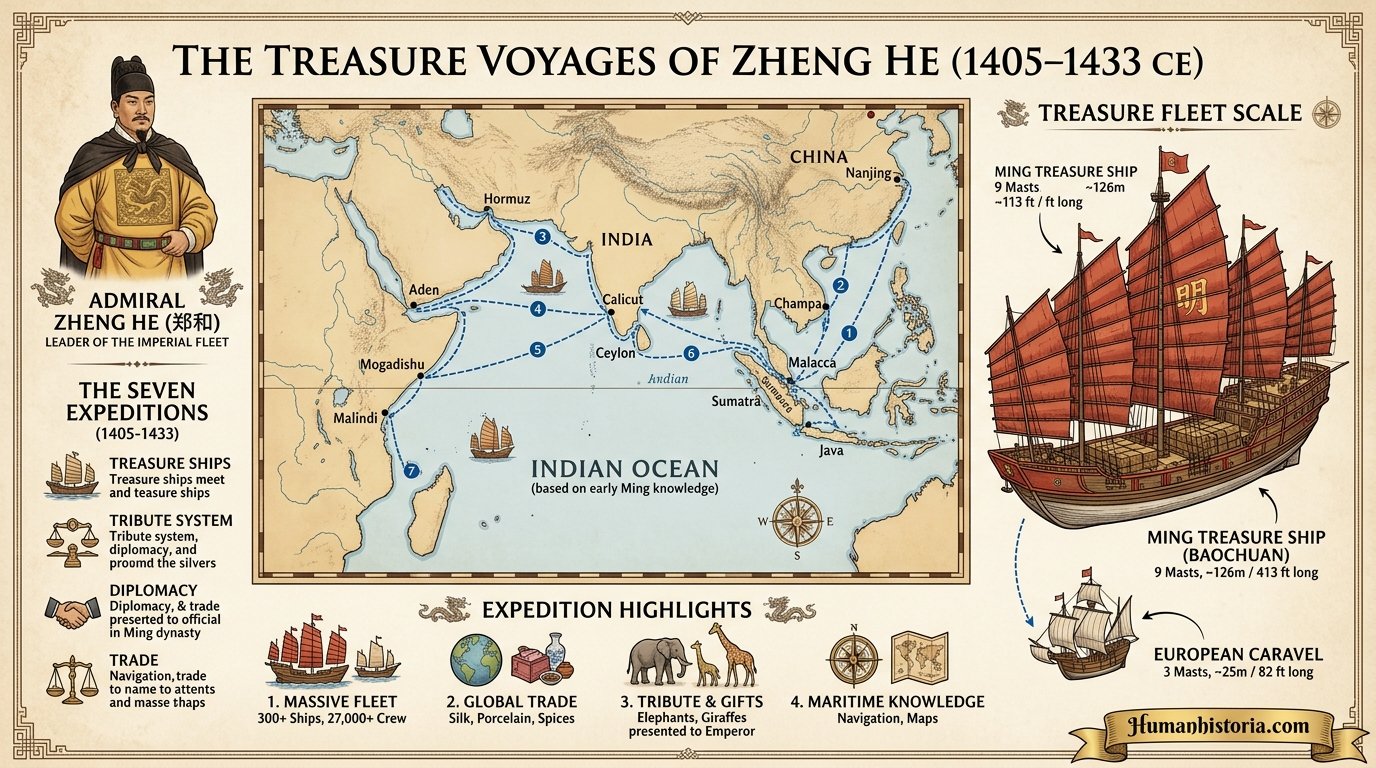
Between 1405 and 1433 CE, nearly a century before Christopher Columbus set sail with three modest caravels across the Atlantic, the Ming Dynasty of China launched the most colossal naval armadas in maritime history. Under the supreme personal command of Grand Eunuch Admiral Zheng He (born Ma Sanbao), an armada of up to three hundred and seventeen multi-decked vessels manned by twenty-eight thousand sailors, soldiers, astronomers, and physicians set forth from the Longjiang shipyards of Nanjing into the Indian Ocean. At the center of this floating metropolis sailed the legendary Baochuan (Treasure Ships)โ€”leviathans of naval architecture measuring up to four hundred feet in length with nine towering masts, watertight bulkheads, and balanced rudders. Over seven epic voyages spanning thirty thousand miles, Zheng Heโ€™s armada projected the supreme geopolitical majesty of the Yongle Emperor across thirty-seven sovereign nations from Southeast Asia and India to the Persian Gulf, the Red Sea, and the Swahili coast of East Africa. Yet within a generation of Zheng He's death, the Ming imperial court burned the fleets, banned ocean-going vessels on pain of death, and withdrew behind its borders in history's most consequential geopolitical retreat.

Admiral Zheng He's colossal Ming Treasure Fleet sailing across the Indian Ocean
Historical visualization of Admiral Zheng He's colossal multi-masted Treasure Ships (Baochuan) leading the Ming imperial fleet through the Strait of Malacca during their trans-oceanic expeditions (c. 1405โ€“1433 CE). (Archival Collection)

The Imperial Ambition: Zhu Di & The New World Order

The catalyst for the Treasure Fleets was the extraordinary ambition of the third Ming ruler, the Yongle Emperor (Zhu Di, reigned 1402โ€“1424). Having seized the Dragon Throne in a bloody three-year civil war from his nephew, the Jianwen Emperor (whose corpse was never found in the burning ruins of the Nanjing palace), Yongle suffered from an acute crisis of political legitimacy.

To demonstrate his divine Mandate of Heaven and establish China as the undisputed universal hegemon of the known world, Yongle launched monumental state enterprises: he relocated the imperial capital to Beijing, constructed the monumental Forbidden City, restored the Grand Canal, and compiled the eleven-thousand-volume Yongle Encyclopedia. Internationally, Yongle envisioned a grand tributary maritime network that would bring every sovereign ruler from Japan to Africa to kowtow before the Son of Heaven.

To command this oceanic mission, the emperor chose his most trusted military lieutenant: Zheng He (1371โ€“1433 CE). Born into a Muslim Hui family in Yunnan, captured as a boy by Ming armies and castrated to serve in the prince's household, Zheng He had distinguished himself as a brilliant military strategist during the civil war. Rising to Grand Eunuch, his physical stature (described as over seven feet tall with a booming voice) and diplomatic fluency in Arabic and Chinese made him the ideal commander for an expedition into the Islamic waters of the Indian Ocean.

At the Longjiang Shipyards on the Yangtze River, tens of thousands of master carpenters, sailmakers, and caulkers constructed a fleet of unprecedented engineering sophistication:

  • The Treasure Ships (Baochuan): Contemporary Ming records (including the Ming Shi) describe the flagship Baochuan as measuring 44 zhang (approx. 400 feet / 120 meters) in length and 18 zhang (approx. 150 feet / 45 meters) in beam, equipped with nine towering masts rigged with battened canvas and bamboo sails that could tack efficiently into crosswinds.
  • Watertight Bulkhead Compartments: The hull was subdivided into sixteen watertight transverse compartments sealed with tung oil and lime putty (chunam). If an outer hull was pierced by a reef, the flooded compartment was sealed off, preventing the vessel from sinkingโ€”a damage-control technology Europe would not adopt until the late eighteenth century.
  • The Balanced Axial Rudder: Ming shipwrights utilized deep, fenestrated axial rudders that could be raised or lowered by winches depending on water depth, providing effortless steering control for vessels displacing several thousand tons.
  • Navigational Instrumentation: Navigators used the twenty-four-point magnetic compass (luopan), alongside the Guobiaoโ€”graduated wooden plates held at arm's length to measure the altitude of Polaris and the Southern Cross above the horizon with mathematical precision.
Ming Dynasty painting of a tribute giraffe from East Africa by Shen Du
Court painting by Shen Du (1414) depicting a live giraffe presented to the Yongle Emperor by envoys from Malindi, East Africa. The imperial court proclaimed the animal to be the auspicious mythical Qilin, confirming divine favor upon the Ming dynasty. (Palace Museum, Beijing)

The Seven Voyages (1405โ€“1433 CE): From Malacca to Mozambique

Over nearly three decades, Zheng He conducted seven massive oceanic expeditions (Xia Xiyang, "Voyages to the Western Oceans"):

1. Pacifying the Straits: The Battle of Palembang (1407 CE)

During the First Voyage (1405โ€“1407), Zheng He arrived in the pirate-infested waters of the Strait of Malacca. A notorious pirate admiral, Chen Zuyi, commanding a fleet of five thousand corsairs, attempted to ambush the treasure ships at Palembang. Zheng Heโ€™s marine infantry routed the pirate fleet, burning ten ships, capturing Chen Zuyi, and taking him back to Nanjing for public execution. In Malacca, Zheng He established a fortified Ming depot and warehouse (Guanchang), elevating the small fishing port into Southeast Asiaโ€™s supreme commercial hub.

2. The Subjugation of Ceylon (1411 CE)

On the Third Voyage, King Alagakkonara of Ceylon (Sri Lanka) attempted to seize Zheng He's bullion and lured the admiral into an inland ambush. Zheng He led two thousand marines on an audacious nighttime march, bypassed the hostile army, stormed the Ceylonese royal capital, and captured the king and his royal court. The captives were brought to Beijing; Yongle magnanimously pardoned the monarch but replaced him on the throne with a compliant ruler.

3. The Persian Gulf and the Swahili Coast (1413โ€“1422 CE)

The Fourth, Fifth, and Sixth Voyages pushed far beyond India into the Persian Gulf hub of Hormuz, the Arabian holy cities of Mecca and Medina, and down the Swahili Coast of East Africa, visiting Mogadishu, Barawa, Mombasa, and Malindi. Envoys returned to Beijing bearing exotic tribute: lions, leopards, zebras, ostriches, and most celebrated of all, a giraffe from Malindi in 1414. The imperial court declared the giraffe to be the legendary Qilinโ€”the celestial beast whose appearance signaled universal peace and divine blessing upon the ruler.

"We have traversed more than one hundred thousand li of immense water spaces and have beheld in the ocean huge waves like mountains rising sky-high, and we have set eyes on barbarian regions far away hidden in a blue transparency of light vapors, while our sails loftily unfurled like clouds day and night continued their course, rapid like that of a star, traversing those savage waves as if we were treading a public thoroughfare."

โ€” Inscription on the Stele of the Heavenly Goddess (Tianfei), erected by Zheng He at Changle, Fujian (1431 CE)

Oceanic Contrast: Zheng He's Treasure Fleet vs. Columbus's Expedition

The scale, technology, and geopolitical philosophy of the Ming Treasure Fleets stand in stark contrast to the early European voyages of exploration.

Expedition Metric Zheng He's Ming Fleet (First Voyage, 1405 CE) Christopher Columbus (First Voyage, 1492 CE)
Fleet Size 317 vessels (62 colossal Baochuan + escorts, water tankers) 3 small vessels (, , )
Flagship Dimensions ~400 ft long ร— 150 ft wide; 9 masts; displacement ~3,000+ tons ~62 ft long ร— 18 ft wide; 3 masts; displacement ~100 tons
Expedition Personnel 27,870 men (sailors, marines, doctors, astronomers, scribes) 87 men (sailors, adventurers, interpreters)
Primary Motivation Tributary diplomacy, imperial prestige, maritime trade security Direct access to Asian spice markets; commercial conquest, colonization
Naval Engineering Watertight bulkheads, balanced rudders, multiple decks, compass Caravel single-hull frame, lateen sails, dead reckoning navigation
Geopolitical Aftermath Fleets recalled and burned; complete isolationist retreat () Spanish colonization of Americas; launch of the Atlantic Global Era

The Great Retreat: Bureaucratic Intrigue & The Burning of the Fleets

The tragic turning point of Chinese naval history arrived in 1424 with the sudden death of the Yongle Emperor. A bitter factional power struggle erupted within the Forbidden City between two rival elite classes:

  • The Imperial Eunuchs: Led by Zheng He, the eunuchs advocated aggressive outward maritime expansion, overseas tributary commerce, and cosmopolitan diplomacy.
  • The Confucian Scholar-Officials (Mandarins): Devout followers of orthodox Neo-Confucianism, the bureaucrats viewed commercial seafaring as wasteful, corrupting, and contrary to the agrarian traditions of the Central Kingdom. They pointed to the staggering fiscal deficit caused by constructing the fleets, rebuilding the Great Wall, and fighting continuous northern frontier wars against the resurgent Mongols.

Under the Hongxi and Xuande emperors, the Confucian bureaucrats gained the upper hand. Following Zheng He's death at sea during the Seventh Voyage in 1433 near Calicut, the Ming court enacted the draconian Haijin (maritime prohibitions). The construction of multi-masted ocean vessels was outlawed; all remaining Treasure Ships were allowed to rot at their moorings or were deliberately burned; and Ministry of War officials systematically destroyed Zheng He's official navigational logs and sea charts to ensure no future emperor could repeat the voyages.

โš–๏ธ

Historian Debate: Peaceful Cultural Diplomacy vs. Gunboat Tributary Imperialism

The "Peaceful Diplomacy" Tradition (Louise Levathes, Traditional Chinese Historiography)

Portrays Zheng He as a benign ambassador of global harmony who never colonized foreign territory, enslaved local peoples, or plundered foreign wealth, choosing instead to distribute gifts of silk, porcelain, and calendar science while receiving voluntary tributary respect.

The "Gunboat Hegemony" Revision (Geoff Wade, Edward Dreyer)

Demonstrates that the Treasure Fleet was a heavily militarized armada carrying tens of thousands of crossbowmen and cannon. It deployed decisive military forceโ€”overthrowing kings in Ceylon and Palembang, installing puppet rulers, and forcing regional rulers into unequal tributary vassalage under implicit threat of annihilation.

Scholars agree that while military force was used to enforce security, Chinaโ€™s objective was sovereign prestige and tributary ritual, not colonial territorial annexation.

The Void of the Indian Ocean: The Modern World's Watershed

The self-imposed maritime withdrawal of Ming China was the supreme turning point in modern global history. By abruptly abandoning the Indian Ocean in 1433, China created a vast geopolitical and naval power vacuum across the worldโ€™s richest commercial waterway.

Sixty-five years later, in May 1498, Portuguese navigator Vasco da Gama rounded the Cape of Good Hope and sailed into Calicut with four battered, diminutive ships. Had Zheng Heโ€™s fleets still patrolled the Arabian Sea and the Malacca Strait, European oceanic imperialism could never have established its global trading posts. By burning its own fleet, the Ming Dynasty inadvertently ceded oceanic mastery to the Western powers, altering the trajectory of world civilization for the next five centuries.

๐Ÿ“– SCHOLARLY INQUIRIES

Frequently Asked Questions

Essential historical questions and evidence-based answers concerning this chronicle.

Why is Zheng He's Treasure Fleet significant in world history?

Zheng He's Treasure Fleet played a pivotal role by transforming technology, social structure, and regional connection, serving as a vital link in human civilization.

Who was Admiral Zheng He and why was he chosen?

Zheng He (1371โ€“1433) was a Hui Muslim court eunuch and trusted military commander under the Yongle Emperor (Zhu Di). His diplomatic acumen, military experience, and familiarity with both Islam and Buddhism made him the ideal emissary to command seven epic expeditions across Southeast Asia, South Asia, Arabia, and East Africa.

How large were Zheng He's Treasure Ships (Baochuan)?

According to the official History of Ming (Mingshi), the largest nine-masted Treasure Ships measured roughly 400 feet (120 meters) in length and 150 feet in width. While modern naval historians debate whether wood structural limits permit ships this vast, archaeological excavations at Nanjing's Longjiang shipyards have unearthed massive rudder posts confirming multi-decked vessels far larger than contemporary European caravels.

What was the primary goal of the Treasure Voyages?

Unlike European voyages of territorial colonization and plunder, Zheng He's fleets aimed to project imperial prestige, establish the Ming tributary system, suppress Indian Ocean piracy (such as defeating Chen Zuyi at Malacca), and secure diplomatic recognition of the Son of Heaven.

Why did China abruptly halt the voyages and destroy the fleet?

Following the deaths of the Yongle Emperor and Zheng He, Confucian scholar-officials argued the expeditions were ruinously expensive luxuries. Faced with renewed Mongol incursions on the northern frontier, the imperial court redirected state expenditures toward expanding the Great Wall and enacted Haijin (maritime bans), leaving maritime trade to European powers.

๐Ÿ“š Academic Sources & Scholarly Bibliography
  • Levathes, Louise (1994). When China Ruled the Seas: The Treasure Fleet of the Dragon Throne. Oxford University Press.
  • Dreyer, Edward L. (2007). Zheng He: China and the Oceans in the Early Ming Dynasty, 1405โ€“1433. Longman.
  • Needham, Joseph (1971). Science and Civilisation in China, Volume 4, Part 3: Civil Engineering and Nautics. Cambridge University Press.
  • Finlay, Robert (2008). The Pilgrim Art: Cultures of Porcelain in World History. University of California Press.
โšก Fast Facts
  • Historical EraMEDIEVAL
  • Region๐ŸŒ EAST ASIA
  • CategoryEmpires
  • Reading Timeโฑ 12 min read
๐Ÿ“– Scholar Mode Active โ€” Click to exit focused reading
Selected Era

Prehistoric Era

Millions of years ago to ~3000 BCE

The dawn of humanity. From the evolutionary split of early hominids to the mastery of stone tools, fire, and the birth of language.

Landmark Milestones

Welcome to Historia

Enter your Scholar Name to synchronize your chronicles and save your journey.