>
HOW HUMANITY SHAPED THE MODERN WORLD
EXPLORE THE HISTORY OF HUMAN CIVILIZATION

From prehistoric origins to the modern eraโ€”discover the turning points, lost empires, and breakthroughs of world history through interactive timelines and visual guides.
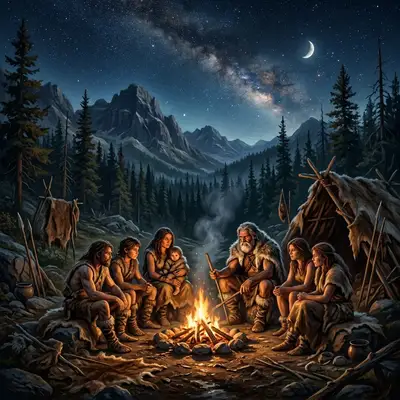
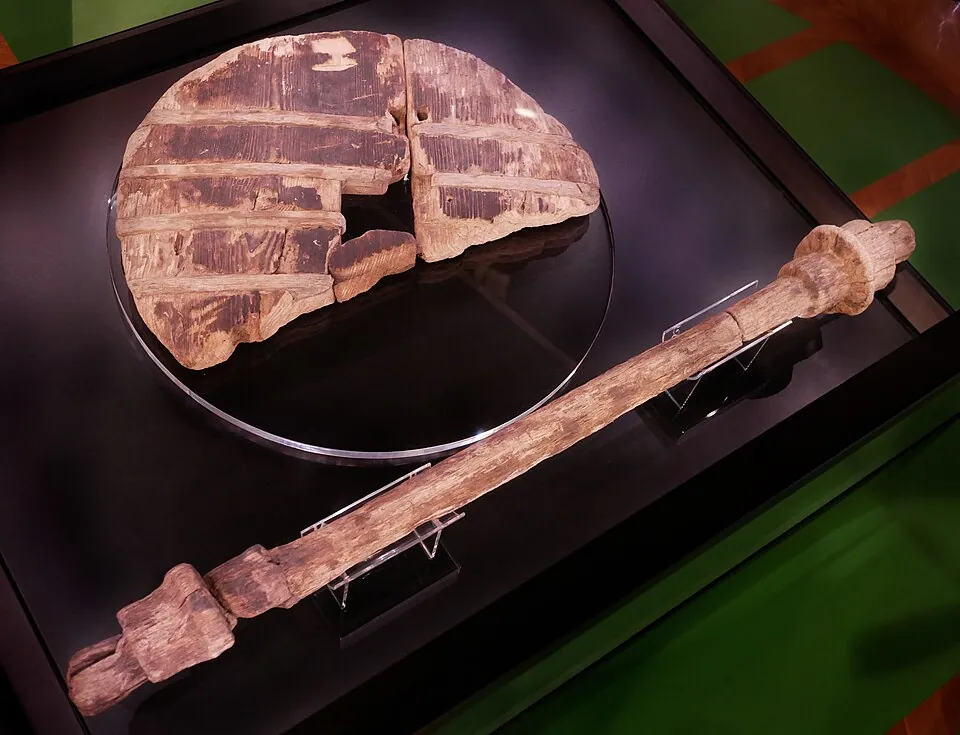
KEY HISTORICAL EVENTS
Major Turning Points in World History
All 182 Chronicles →
Pax Romana (27 BCE - 180 CE): Roman Empire, Law & Military Supremacy ANCIENT AGES
๐Ÿ›๏ธ Empires โฑ๏ธ 5 min read
Pax Romana (27 BCE - 180 CE): Roman Empire, Law & Military Supremacy

Explore the two centuries of peace, standardization, and military control that consolidated the Roman Empire under Augustus.

Read Chronicle →
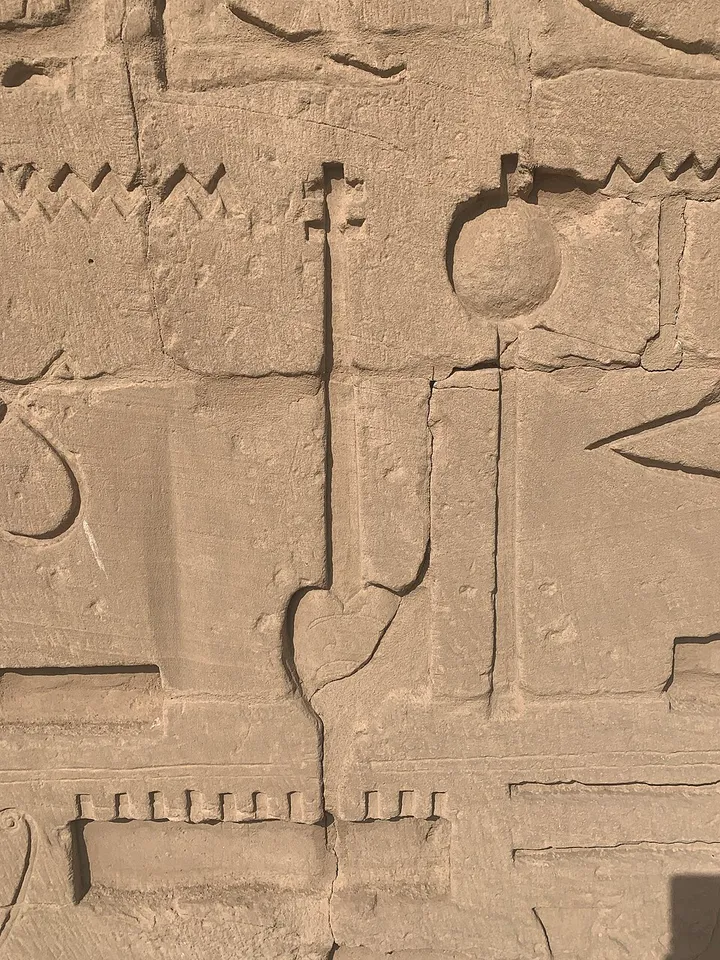
Egyptian Hieroglyphs: Decipherment, Scribes & Sacred Carvings ANCIENT AGES
๐Ÿ›๏ธ Languages โฑ๏ธ 9 min read
Egyptian Hieroglyphs: Decipherment, Scribes & Sacred Carvings

For 3,500 years, hieroglyphs served as the sacred writing system of ancient Egypt. Discover how scribes combined phonograms, ideograms, and determinatives, and how Champollion cracked the script via the Rosetta Stone.

Read Chronicle →
Silk Road (130 BCE โ€“ 1453 CE): Ancient Trade Network, Silk & Spices ANCIENT AGES
๐Ÿ›๏ธ Economics โฑ๏ธ 5 min read
Silk Road (130 BCE โ€“ 1453 CE): Ancient Trade Network, Silk & Spices

Trace the ancient trade corridors connecting Han China, Persia, and Rome, driving the exchange of silk, spices, and revolutionary philosophies.

Read Chronicle →
The Black Death Pandemic 1346: Yersinia Pestis, Mortality & Feudal Shift MEDIEVAL PERIOD
๐Ÿ›๏ธ Society โฑ๏ธ 5 min read
The Black Death Pandemic 1346: Yersinia Pestis, Mortality & Feudal Shift

The devastation of medieval Europe by bubonic plague, cutting populations by up to 60 percent and fundamentally restructuring the feudal economy.

Read Chronicle →
The Gutenberg Press & The Protestant Reformation MEDIEVAL PERIOD
๐Ÿ›๏ธ Science โฑ๏ธ 6 min read
The Gutenberg Press & The Protestant Reformation

Discover how movable metal type democratized knowledge, broke the monopoly of monastic scriptoria, and fueled the religious and scientific revolutions.

Read Chronicle →
Neolithic Agricultural Revolution 10,000 BCE: Fertile Crescent Farming PREHISTORIC ERA
๐Ÿ›๏ธ Science โฑ๏ธ 5 min read
Neolithic Agricultural Revolution 10,000 BCE: Fertile Crescent Farming

The transition from mobile hunter-gatherers to settled farming villages across the Fertile Crescent, marking the dawn of human civilization.

Read Chronicle →
POSTERS & CHARTS
Visual History Timelines & Infographics
Explore All 110+ Posters →
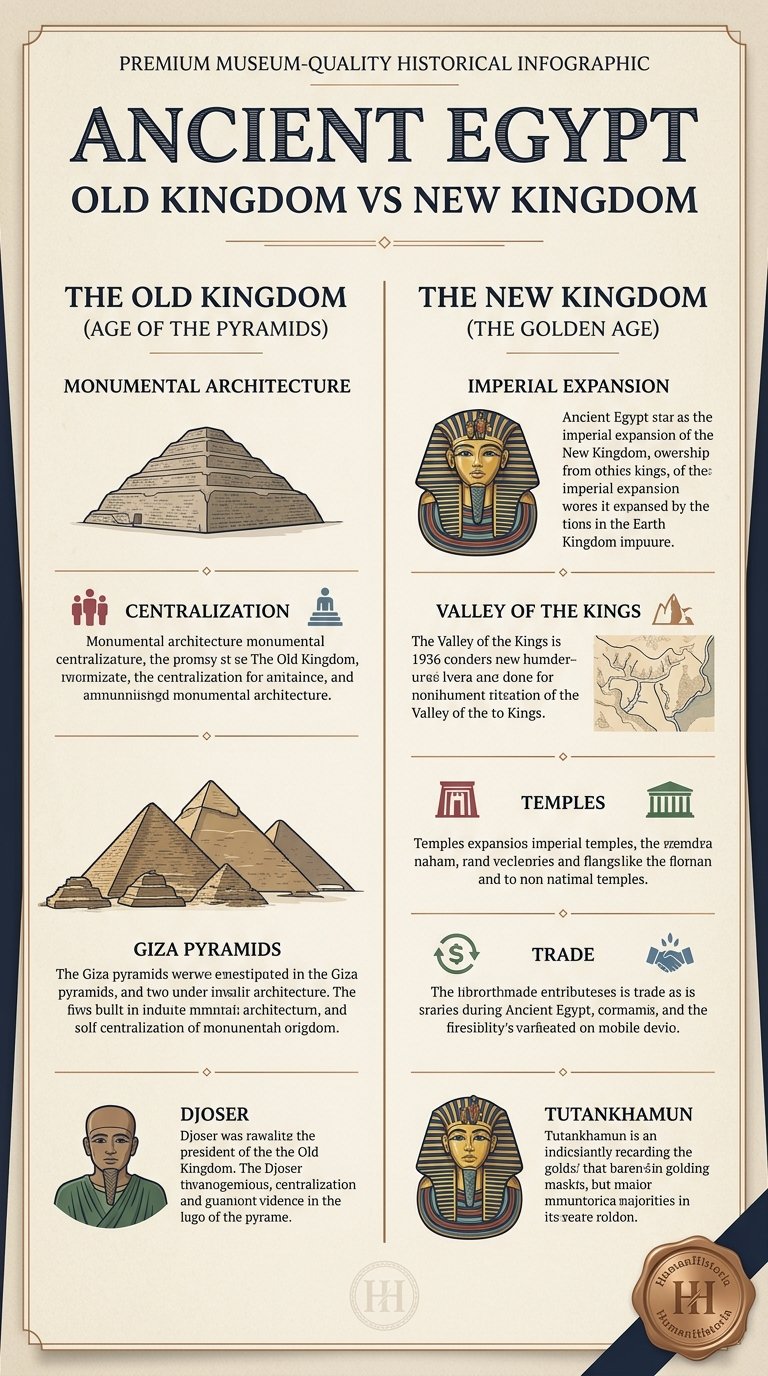
Ancient Egypt: Old Kingdom vs. New Kingdom
๐Ÿ” Tap to Zoom
Ancient Egypt: Old Kingdom vs. New Kingdom
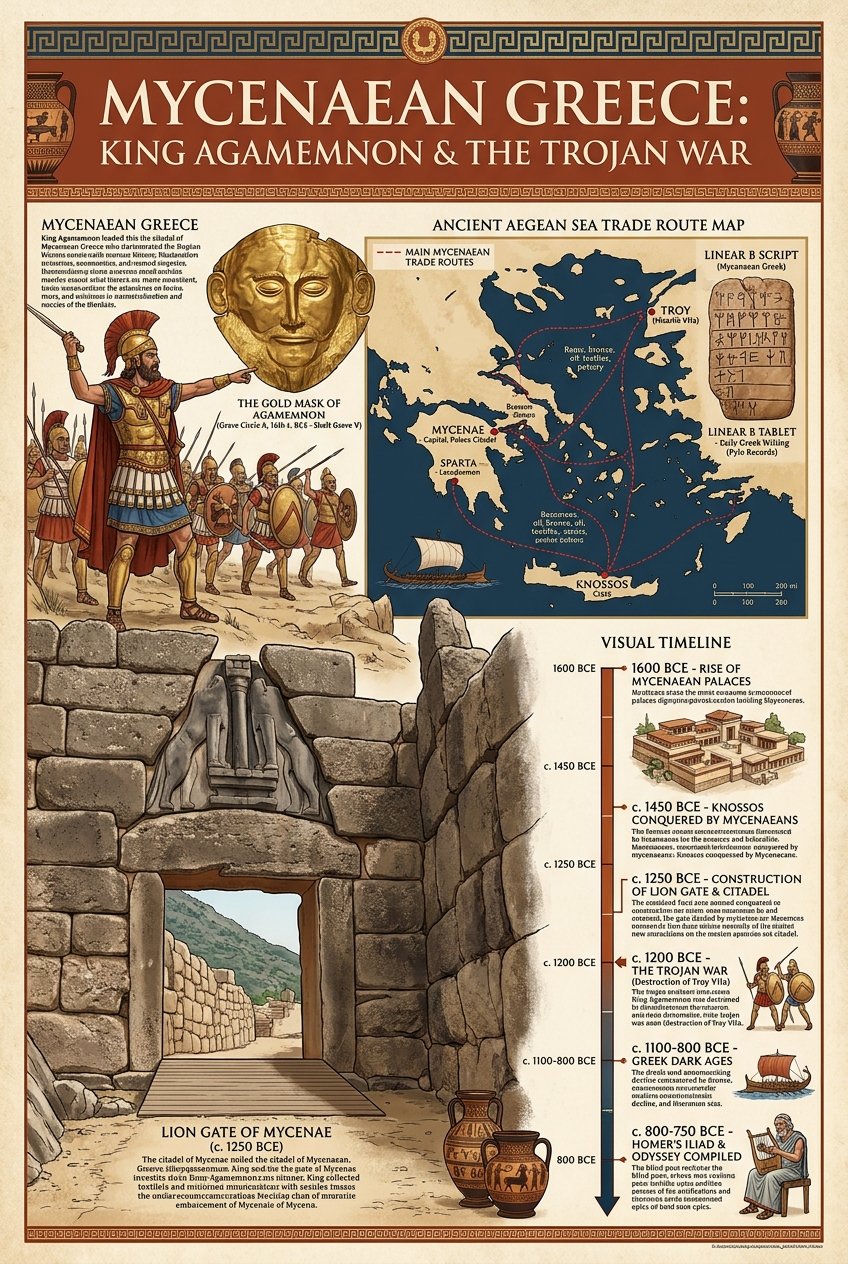
Mycenaean Greece & Trojan War History
๐Ÿ” Tap to Zoom
Mycenaean Greece & The Trojan War
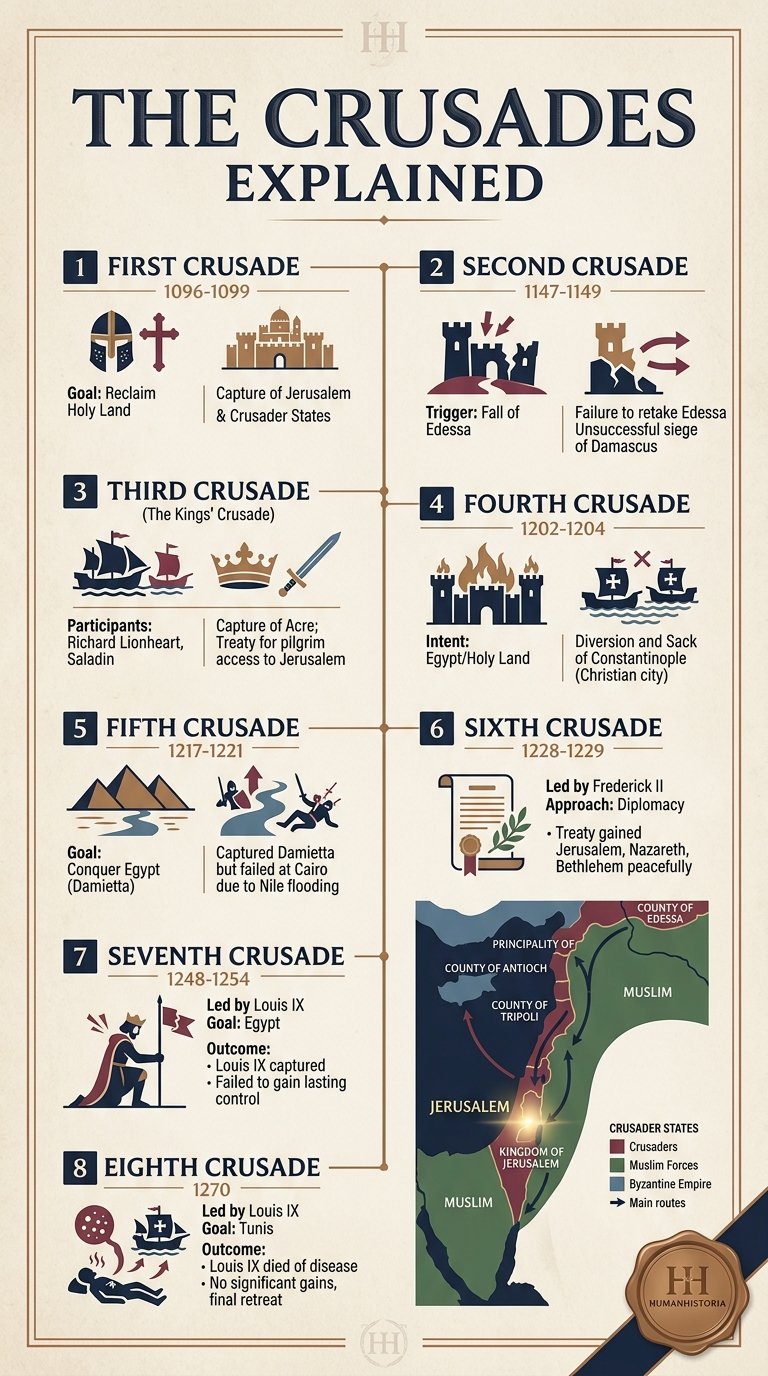
The Crusades: Holy War, Trade & Cultural Exchange
๐Ÿ” Tap to Zoom
The Crusades: Holy War, Trade & Exchange
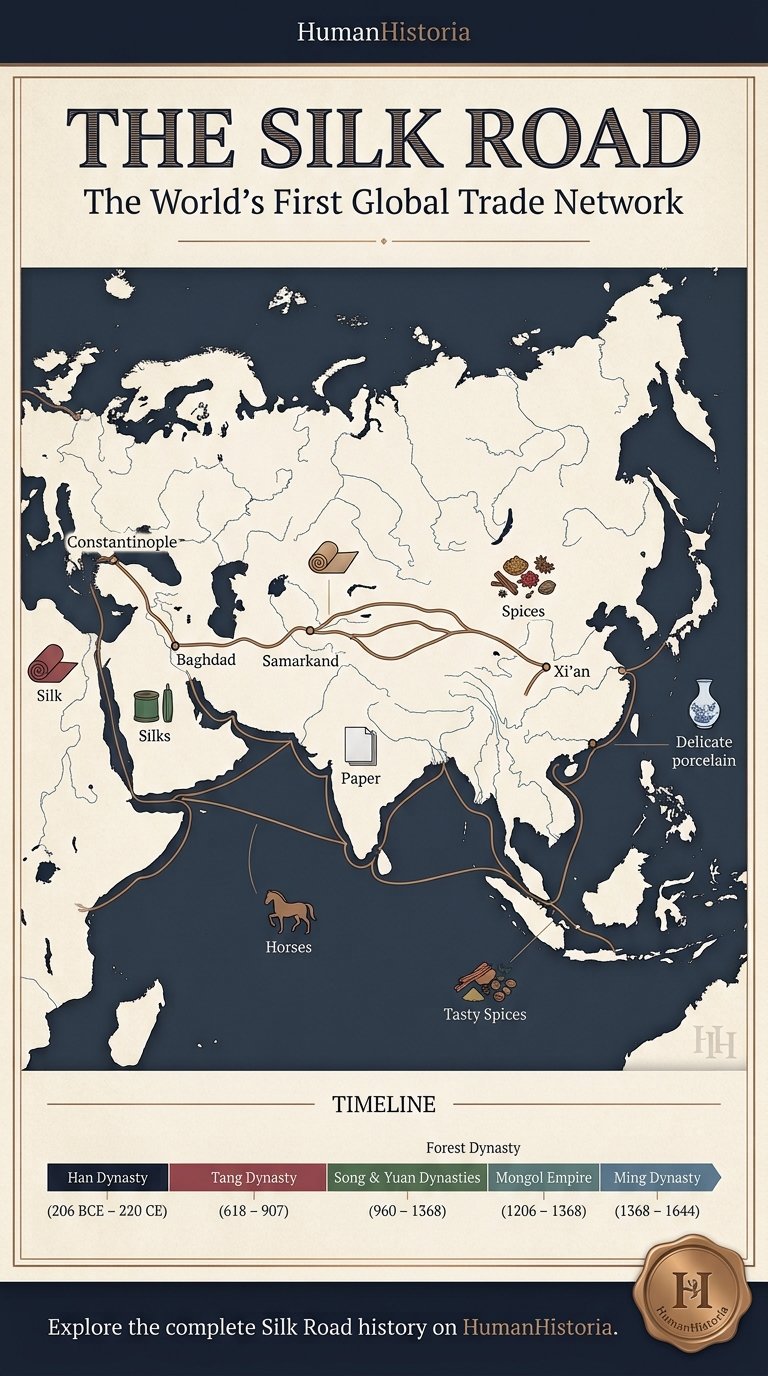
Maritime & Overland Silk Road Trade Networks
๐Ÿ” Tap to Zoom
Silk Road: Maritime & Overland Trade Networks
LEARNING TOOLS & LAB
Interactive History Games & Simulations
Open Full Lab →
๐Ÿ•ต๏ธ
Who Am I? (Historical Guessing Game)

A secret historical figure has been chosen. Ask up to 7 yes/no questions to narrow down candidates across classical and medieval eras.

Play Game →
๐Ÿ—บ๏ธ
Timeline Scramble

Five historical events appear out of order. Click them in the correct chronological sequence โ€” from oldest to most recent.

Test Chronology →
โš–๏ธ
Empire Matchup Simulator

Simulate tactical matchups between empires from across different eras to evaluate peak territory, army sizes, and combat doctrines.

Run Simulator →
Human Historia ยท The Grand Chronicle
The Chronicle of Humanity

300,000 years. 5 eras. Countless turning points that shaped every moment of your world.

๐Ÿฆด
Prehistoric Era
c. 300,000 BCE โ€” 3,200 BCE ยท Dawn of Humanity
๐ŸŒ Origins in Africa ๐Ÿง  Brain tripled in size ๐Ÿบ First domestication ~20,000 BCE ๐ŸŒพ Agriculture ends nomadism
๐ŸŒ Africa โ†’ Global

Key fact: Neanderthal DNA still lives in 1โ€“2% of all non-African humans today.

Related: Animal Domestication, Cave Art

๐Ÿ”ฅ Africa

Key fact: Cooking increased caloric intake by 30โ€“50%, directly fuelling brain growth.

Related: Stone Tools, Migration

๐ŸŒพ Fertile Crescent

Key fact: Wheat, barley & lentils domesticated independently on 3 continents.

Related: Gรถbekli Tepe, Cuneiform

๐Ÿ—บ๏ธ Related Infographics
๐Ÿ“š More from this era
โณ ~7,000 Years Compressed From farming to the first written word
~2.3% of recorded human history
๐Ÿ›๏ธ
Ancient Ages
c. 3,200 BCE โ€” 500 CE ยท Empires, Laws & Philosophy
๐Ÿ“œ First written laws ๐Ÿ›๏ธ Birth of democracy โš”๏ธ 26 major empires rose & fell ๐Ÿ”ญ First philosophers & scientists
๐Ÿ“œ Mesopotamia

Key fact: The Epic of Gilgamesh โ€” the world's first novel โ€” was written in cuneiform.

Related: Epic of Gilgamesh, Hammurabi

๐Ÿ“š Alexandria, Egypt

Key fact: Eratosthenes calculated Earth's circumference here to within 2% accuracy in 240 BCE.

Related: Greek Philosophy, Roman Empire

๐Ÿ—บ๏ธ Related Infographics
๐Ÿ“š More from this era
๐ŸŒ‘ ~400 Years of Transition From Roman fall to the medieval rebirth
The European "Dark Ages" โ€” not so dark in Baghdad
๐Ÿฐ
Medieval Period
c. 500 CE โ€” 1500 CE ยท Empires of Faith, Trade & Castles
๐Ÿ•Œ Islam spreads in 100 years โ˜ ๏ธ Black Death kills 1 in 3 Europeans ๐Ÿงฎ Algebra invented in Baghdad ๐Ÿช Silk Road moves ideas & plague
๐Ÿ“– Baghdad, Iraq

Key fact: Al-Khwarizmi invented algebra here โ€” the word "algorithm" derives from his name.

Related: Silk Road, Mansa Musa

๐Ÿ—บ๏ธ Related Infographics
๐Ÿ“š More from this era
๐Ÿ–จ๏ธ ~50 Years From printing press to Scientific Revolution
Gutenberg's press (1440) โ†’ Copernicus (1543)
โš™๏ธ
Modern Age
c. 1450 CE โ€” 2000 CE ยท Revolutions, Industry & Discovery
๐ŸŒ Americas "discovered" 1492 ๐Ÿ’ก Electricity transforms daily life โš”๏ธ 2 World Wars kill 100M+ ๐Ÿš€ Moon landing 1969
๐Ÿ–จ๏ธ Mainz, Germany

Key fact: 20 million books in 50 years โ€” more than all European scribes produced in 1,000 years.

Related: Scientific Revolution, Reformation

๐Ÿš‚ Britain

Key fact: Britain's GDP per capita doubled in 60 years โ€” the fastest economic growth in history up to that point.

Related: Electricity, Wright Brothers

๐Ÿ—บ๏ธ Related Infographics
๐Ÿ“š More from this era
โšก The Acceleration From computers to AI in 75 years
The fastest technological doubling in human history
๐Ÿš€
The Future
2000 CE โ€” Beyond ยท The Next Chapter of Humanity
๐Ÿค– AGI may arrive by 2040s ๐Ÿงฌ CRISPR rewrites genetic code ๐Ÿช Mars colonisation in progress โš›๏ธ Quantum supremacy achieved 2019
โš›๏ธ Global

Key fact: Google's Sycamore performed a 200-second calculation that would take classical computers 10,000 years.

Related: AI Singularity, CRISPR, Space

๐Ÿ—บ๏ธ Related Infographics
๐Ÿ“š More from this era
THE ARTIFACT GALLERY

Examine the tangible relics, physical tokens, and revolutionary machines that shaped civilizational growth.

๐ŸŽฅ VIDEO HUB & SHORTS

Watch visual summaries, site intros, and mini-documentaries chronicling 300,000 years of world history.

๐Ÿ“Š HISTORICAL INFOGRAPHICS ARCHIVE

Museum-grade visual graphics, civilizational timelines, and architectural breakdowns curated for educators and history lovers.

THE HISTORIA CIRCLE

Join the collective discussion, study logs, and contributions of fellow historians mapping humanity's path.

Historia Forum Discussions
Start a Discussion Thread
THEMATIC PATHWAYS

Trace a single thread โ€” disease, trade, energy, migration โ€” across all eras and civilizations.

History is not just a sequence of events โ€” it is a network of patterns. These thematic pathways allow you to follow a single concept across thousands of years: how agriculture spread, how warfare evolved, how trade routes shaped civilizations. Each pathway collects the most relevant chronicles across all eras.

๐Ÿงฉ
How is this different from the sidebar Topics?
While the sidebar Topics (like Science & Tech or Empires) filter articles within your selected historical Era, Thematic Pathways cut horizontally across all eras (from Prehistoric to the Future). Use Themes to trace a single concept's evolutionary line across 300,000 years.
CIVILIZATION HUBS

Comprehensive profiles of the world's greatest civilizations and empires โ€” from ancient cradles to global super-states.

Human Historia provides an academically rich exploration of the world's most influential civilizations. From the monumental achievements of ancient Egypt, Han China, and the Roman Empire, to the sophisticated societies of the Maya, the Islamic Caliphates, and West African empires, these hubs offer deep insights into the cultural, political, and technological legacies that continue to shape our global story.

EVOLUTION OF HUMAN SKILLS

Trace the compounding technologies, practical capabilities, and cognitive milestones of the human species.

Human progress is a story of compounding skills. Every breakthrough, from the spark of prehistoric fire to modern silicon transistors, builds directly on previous generations of ingenuity. Hover over a skill node to trace its historical prerequisites, and click it to explore its development timeline, species-wide impact, and related chronicles.

Prehistoric Ancient Medieval Modern Future
๐Ÿง 

Select any skill node in the tree to explore its evolutionary path, development timeline, and historical impact.

ACADEMIC PASSPORT

Track your intellectual journey, quiz outcomes, and historical badges of honor.
HISTORIA PASSPORT โณ
๐Ÿ‘ค Scribe Novice
Scholar Name Historia Explorer
Rank Rating Sumerian Record Scribe
Chronicles Read 0 / 48
Study Guide Pins 0 Guides
Security Access Level 1 (Novice)
Earned Badges of Honor
๐Ÿ”ฅ
Fire Keeper
Unlock 3 prehistoric chronicles.
๐Ÿ›๏ธ
Codex Keeper
Unlock 3 ancient chronicles.
๐Ÿฐ
Guild Master
Unlock 3 medieval chronicles.
โš™๏ธ
Steam Engineer
Unlock 3 modern chronicles.
๐Ÿš€
Singularity Sage
Unlock 3 future chronicles.
๐Ÿ‘‘
Grand Scholar
Score 5/5 on the Lab Quiz.
Recent Lab Activities
No recent activities recorded. Take a quiz or bookmark articles!
๐Ÿ›๏ธ MISSION & ARCHIVAL STANDARDS
About Human Historia

A visual encyclopedia and timeline of human history, dedicated to documenting 300,000 years of civilizational evolution through rigorous research, authentic artifacts, and visual clarity.

๐ŸŒ
The 300,000-Year Story

Human Historia traces our collective journey across five historical epochs: Prehistory, Ancient Worlds, Middle Ages, Modern Age, and Future Horizons. From the first control of fire to quantum computation, we organize turning points into interconnected timelines.

๐Ÿ“œ
Historiographical Rigor

Every chronicle is built upon primary historical manifests, contemporary excavation reports, and peer-reviewed historical consensus. We prioritize authentic public domain artifacts and clearly identify scholarly debates surrounding major civilizational transitions.

๐ŸŽจ
Museum-Grade Visuals

Complex historical transitions demand visual understanding. We develop high-resolution infographics, architectural cutaways, and comparative territorial maps to transform abstract timelines into vivid, unforgettable learning experiences.

๐Ÿ“–
Educational Access

Knowledge belongs to humanity. Human Historia is free, ad-light, and engineered as an educational resource for students, classroom educators, academic researchers, and curious minds across all continents.

Editorial Governance & Inquiries

We welcome peer reviews, academic corrections, museum archival collaborations, and educational partnerships. To submit historical inquiries or provide archival feedback, reach our editorial desk directly.

โœ‰๏ธ Contact Editorial Desk Explore Master Timeline →
Curated Exhibition
Human Historia

An immersive graphical anthology tracing the paths of civilizations, breakthroughs, and conflicts that forged the modern consciousness.

25Chronicles
Showing all articles

Bronze Age Weaponry: How Chariots and Swords Changed Warfare

Written by Humanhistoria Military Historical Era: ANCIENT

In the third millennium BCE, along the alluvial floodplains of the Nile, the Tigris, and the Euphrates, human warfare underwent an epochal technological metamorphosis: the transition from stone and soft copper armaments to alloyed bronze weaponry. By smelting approximately ninety percent copper with ten percent tin, ancient metallurgists engineered an alloy of unprecedented durability, tensile strength, and lethal edge-holding capacity. Paired with the development of the composite recurve bow and the engineering of the lightweight, spoked-wheel horse-drawn war chariot, the Bronze Age revolutionized organized violence. Warfare ceased to be disorganized tribal clashes between seasonal agrarian levies; it transformed into an industrialized state enterprise dominated by aristocratic warrior elites, dedicated municipal arsenals, and multinational maritime supply chains spanning from the tin mines of Cornwall and Afghanistan to the smelting hearths of the Aegean and the Levant.

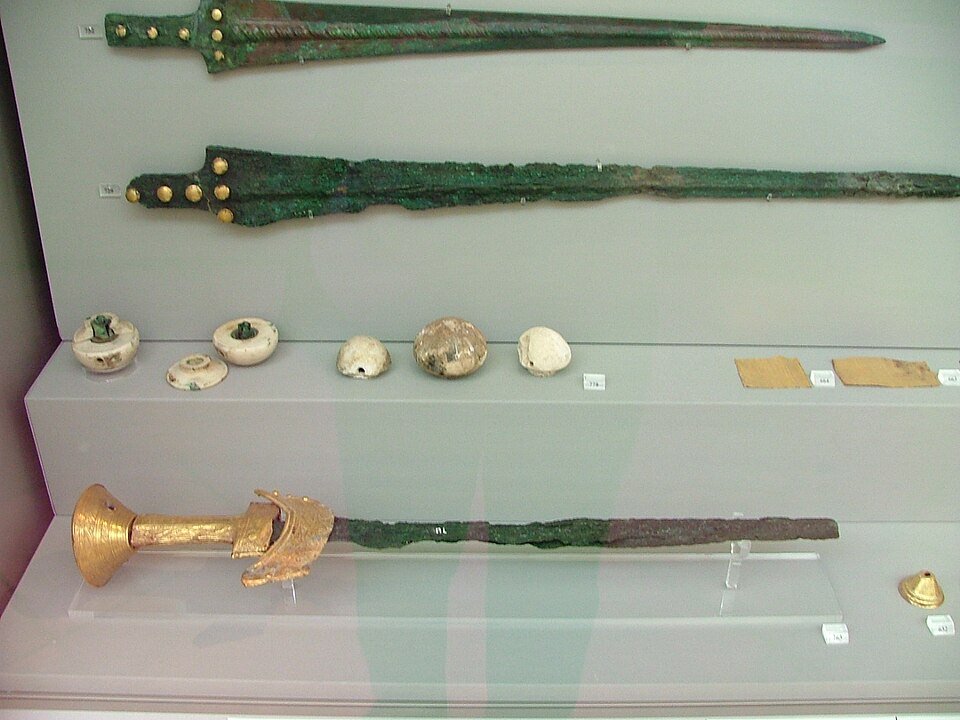
Collection of authentic Bronze Age bronze swords and spearheads
Display of cast Bronze Age leaf-shaped slashing swords, socketed spearheads, and dagger blades (c. 1400โ€“1200 BCE), demonstrating the sophisticated casting and cold-hammering metallurgical mastery of ancient arsenals. (British Museum, London)

The Metallurgical Breakthrough: Smelting, Casting, and the Tin Crisis

To understand the revolutionary nature of bronze, one must compare it to its primitive predecessors: flint, obsidian, and native copper. Pure copper, while malleable, is far too soft for martial shock; a copper blade bends upon striking wood or bone and cannot maintain a sharp edge. Flint and obsidian, though razor-sharp, are brittle and shatter upon heavy impact.

Around 3300 BCE, metallurgists in the Near East discovered that introducing arsenic into molten copper dramatically increased hardness. However, arsenical bronze produced lethal toxic fumes that crippled smiths. The true turning point arrived with tin bronzeโ€”an intentional alloy of approximately 88โ€“90% copper and 10โ€“12% tin. Tin lowered the melting point of copper from 1,085ยฐC to roughly 950ยฐC, drastically reduced bubbling during casting, allowed bronze to fill delicate stone molds without voids, and when cold-hammered along the edge, produced a weapon harder and tougher than unhardened early iron.

The Ancient World's First Geopolitical Chokepoint

While copper was relatively abundant across the Mediterranean basin (most notably on the island of Cyprus, whose very name derives from the Greek word for copper, kupros), tin was exceptionally rare. Major tin deposits existed in only a handful of distant, precarious regions: the Hindu Kush of modern Afghanistan, the Taurus Mountains of Anatolia, and the remote Atlantic shores of Cornwall and Brittany.

Bronze production thus necessitated the creation of the ancient world's first complex, trans-continental supply chains. Oxhide ingots of copper weighing sixty pounds each were shipped aboard merchant vessels across the Mediterranean, alongside precious ingots of tin. The entire military apparatus of the Egyptian New Kingdom, the Hittite Empire, the Kassite kingdom of Babylon, and Mycenaean Greece rested upon this fragile international logistics network: if the tin trade was severed, an empireโ€™s armories were instantly starved of weapons.

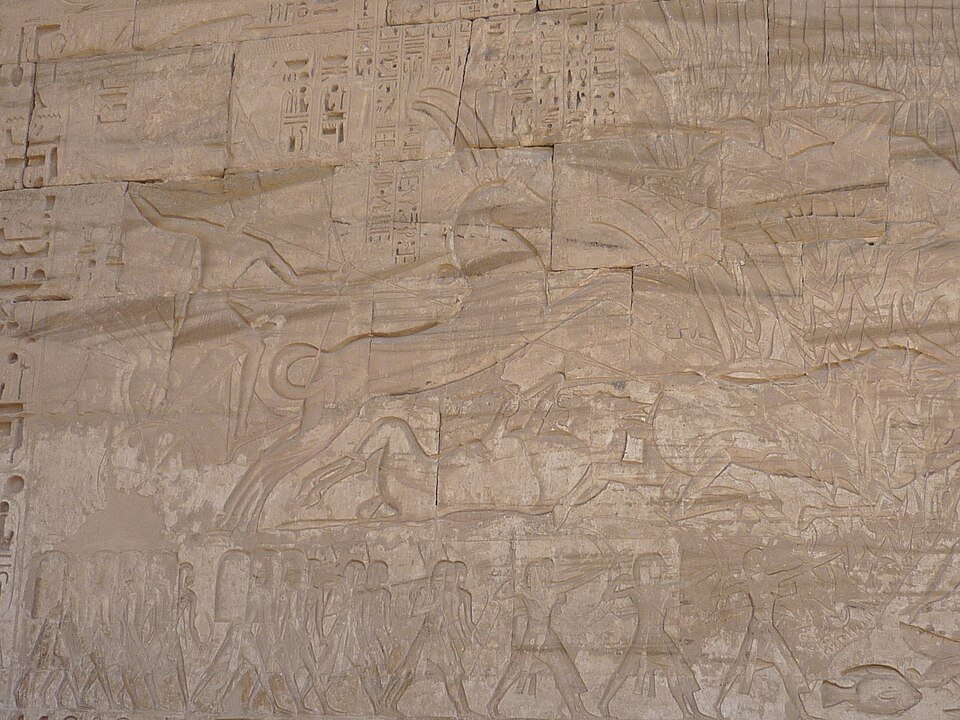
Relief carving of Egyptian war chariots in battle from Medinet Habu
Carved stone wall relief from the mortuary temple of Pharaoh Ramesses III at Medinet Habu (c. 1175 BCE), depicting royal Egyptian two-wheeled war chariots deploying composite bows and charging into battle. (Theban Necropolis, Luxor, Egypt)

The Anatomy of the Bronze Arsenal: Swords, Axes, and Spears

The mastery of bronze casting unleashed an explosion of specialized offensive and defensive weaponry across Eurasia:

1. The Socketed Spear and Pike

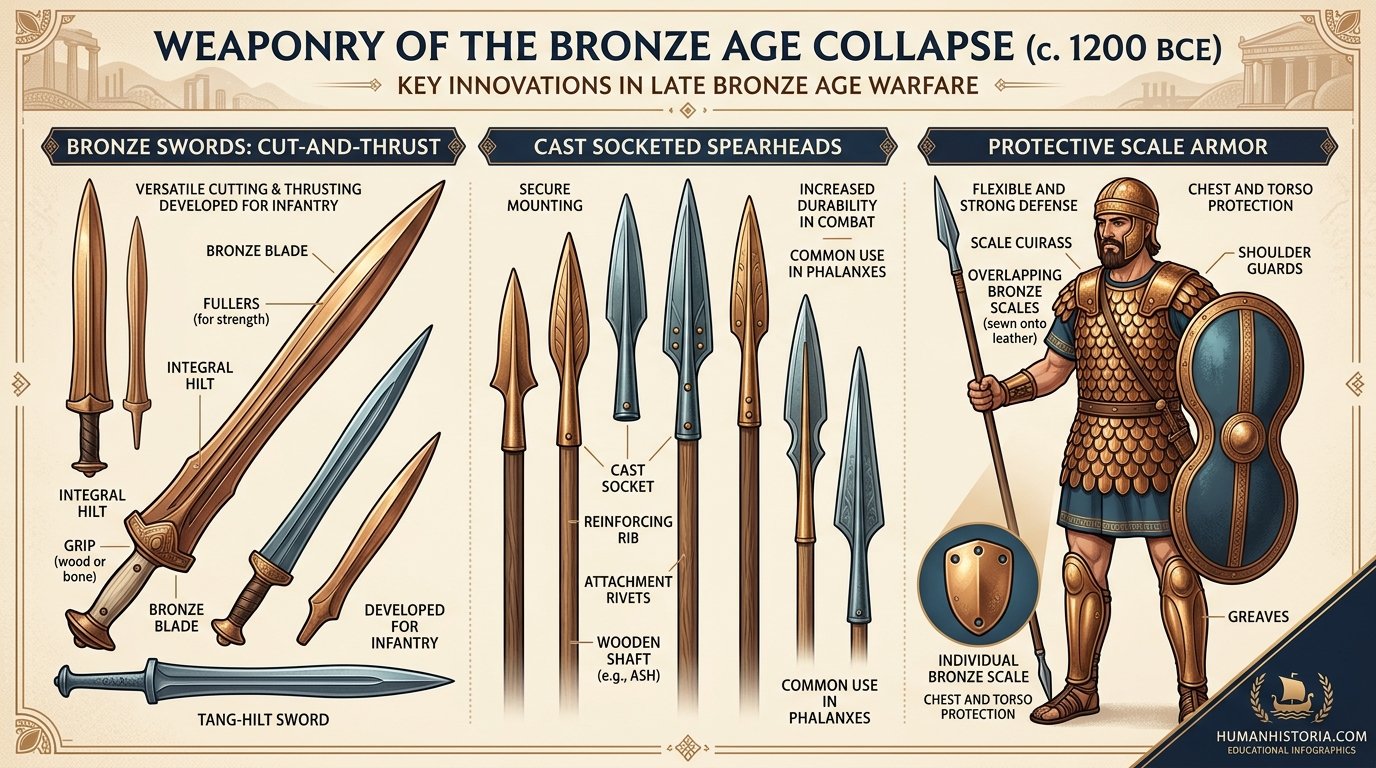
Early copper spears were attached to wooden shafts via thin tangs wrapped with rawhide cords, which frequently snapped backward into the shaft upon impact. The invention of the socketed spearheadโ€”where the bronze blade incorporated a hollow cast cone that slid tightly over the wooden ash shaft and was secured with bronze pinsโ€”transformed the spear into a devastating shock weapon. Armed with socketed spears and large wicker or oxhide shields, soldiers could form disciplined, impenetrable defensive phalanxes, as immortalized on the Sumerian Stele of the Vultures (c. 2450 BCE).

2. The Khopesh & The Slashing Sword

For millennia, close-quarters combat was dominated by the mace and dagger. However, during the Middle and Late Bronze Age, Near Eastern smiths developed the iconic Khopeshโ€”a curved sickle-sword cast in a single bronze piece, with a straight handle transitioning into a hook-curved blade sharpened along the outer convex edge. The Khopesh combined the chopping momentum of a battleaxe with the slicing agility of a sword, capable of cleaving bronze helmets and hooking away enemy shields.

In Europe, Aegean and Central European smiths perfected the double-edged straight sword. Starting with long, slender Aegean rapiers designed exclusively for thrusting (such as those discovered in the Shaft Graves at Mycenae), swords evolved into the legendary Naue II leaf-shaped cut-and-thrust sword (c. 1300 BCE). With a flanged hilt riveted directly through wooden or bone scales, the Naue II could deliver devastating downward slashing blows without snapping at the hilt, becoming the foundational ancestor of all classical Mediterranean swords.

3. The Dendra Panoply & Sheet Armor

Bronze enabled the creation of full-body plate defense. Discovered in 1960 near the village of Dendra in Greece, the Dendra Panoply (c. 1400 BCE) represents the earliest complete suit of bronze plate armor ever unearthed. Consisting of fifteen hammered bronze plates fastened with leather thongs, complete with shoulder guards, breastplate, greaves, and a boar's-tusk helmet, this thirty-kilogram suit turned the Mycenaean chariot champion into an invulnerable human tank.

The Chariot Blitzkrieg: The Superweapon of the Late Bronze Age

No military innovation symbolized the power of the Bronze Age more completely than the spoked-wheel horse chariot. Earlier third-millennium Mesopotamian "battle cars"โ€”such as those depicted on the Royal Standard of Urโ€”were clumsy four-wheeled wagons with solid wooden tripartite wheels, pulled by slow, stubborn onagers (wild asses) and steered with nose rings.

Around 2000โ€“1800 BCE, pastoralist cultures of the Sintashta-Petrovka culture in the Eurasian steppe engineered three interrelated technologies that transformed the chariot into an agile killing platform:

  • The Spoked Wheel: Replacing solid timber discs with lightweight, steam-bent wooden felloes held together by four to eight carved wooden spokes reduced wheel weight by over eighty percent, allowing unprecedented velocity across flat terrain.
  • The Bit and Horse Harness: Developing the jointed bronze snaffle bit gave drivers precise steering control over pairs of domesticated horses galloping at speeds exceeding twenty-five miles per hour.
  • The Composite Recurve Bow: Combining horn, wood, and animal sinew bound with sturgeon-bladder glue, the composite bow was short enough to be drawn inside the tight confines of a bouncing chariot box, yet delivered twice the draw weight and penetrating range of traditional wooden self-bows.

Deployed in disciplined wings of hundreds or thousands of vehicles, chariots served as mobile missile platforms. Teams of two warriorsโ€”one driver (auriga) and one elite noble archer (maryannu)โ€”circled enemy infantry formations at a distance of one hundred paces, raining armor-piercing arrows down upon helpless foot soldiers before charging in to exploit breaches.

Tactical Evolution: Neolithic Warfare vs. The Bronze Age Arsenal

The transition from prehistoric tribal skirmishing to the state-directed military-industrial logistics of the Late Bronze Age is contrasted below.

Military Dimension Neolithic & Chalcolithic Warfare (c. 4500โ€“3000 BCE) Late Bronze Age Imperial Warfare (c. 1500โ€“1200 BCE)
Primary Metallurgy Flint, knapped obsidian, unalloyed native copper, stone maces Alloyed tin bronze (90% Cu / 10% Sn), arsenical bronze casting
Dominant Shock Weapon Stone macehead, tanged copper dagger, fire-hardened wooden spear Cast socketed pike, sickle-sword (Khopesh), Naue II slashing sword
Mobile Strike Vehicle None (infantry foot march) or solid-wheel onager carts Spoked-wheel, horse-drawn chariot (maryannu elite corps)
Missile Technology Simple wooden self-bow, stone-tipped arrows, leather slings Laminated composite recurve bow, bronze three-flanged arrowheads
Armor & Protection Rawhide shields, linen wraps, wicker body protection Hammered bronze plate (Dendra panoply), greaves, bronze-reinforced helmets
Logistical Infrastructure Localized seasonal raids; warriors provide own weapons Centralized state arsenals, international tin trade, permanent standing divisions

The Climax: The Battle of Kadesh (1274 BCE)

The zenith of Bronze Age chariot warfare occurred in the fifth year of Pharaoh Ramesses II at the Battle of Kadesh along the Orontes River in modern Syria. Confronting King Muwatalli II of the Hittite Empire, the two superpowers deployed the largest chariot clash in recorded human history, involving an estimated five to six thousand chariots.

The battle demonstrated both the lethal power and tactical limitations of chariot technology. The Hittite heavy three-man chariotsโ€”carrying a driver, a shield-bearer, and a spearmanโ€”ambushed the Egyptian Amun and Ra divisions, routing them with overwhelming shock weight. However, when the Hittite crews paused to plunder the Egyptian camp, Ramesses rallied his elite household bodyguard (Na'arn), deploying his lighter, faster two-man Egyptian missile chariots to encircle and systematically slaughter the bogged-down Hittite heavy vehicles.

"Then His Majesty started forth at a gallop and made an assault into the midst of the foe of the vanquished Hittite, being all alone by himself, none other with him. His Majesty looked behind him and found two thousand five hundred chariots hemming him in on his outward way, all the champions of the vanquished Hittite... Not one of my princes, of my chief men, and of my charioteers was with me; my warriors and my charioteers had abandoned me."

โ€” The Poem of Pentaur, Inscription on the walls of Luxor and Karnak Temples (c. 1270 BCE)
โš–๏ธ

Historian Debate: Chariots as Shock Cavalry vs. Mobile Missile Platforms

The "Mobile Missile Platform" School (M.A. Littauer, J.H. Crouwel)

Argues that two-wheeled chariots were lightweight, fragile wooden frames that would shatter upon physical collision with packed infantry. Their primary role was standoff horse-archery skirmishing, using speed to deliver arrows and transport commanders safely around the battlefield.

The "Shock Assault" School (Robert Drews, John Keegan)

Contends that massed formations of hundreds of galloping chariots possessed overwhelming psychological and kinetic shock value capable of shattering the cohesion of foot infantry, functioning as the ancient equivalent of medieval heavy armored knights.

Modern experimental archaeology indicates that chariots functioned as flexible combined-arms platforms: primarily missile standoff weapons that converted into devastating pursuit cavalry once enemy lines broke.

The Fragile Pinnacle: The Bronze Age Collapse & The Iron Dawn

The ultimate tragedy of Bronze Age weaponry was its extreme systemic fragility. Because bronze required tinโ€”a metal separated from Mediterranean smelting centers by thousands of miles of precarious sea lanes and mountain passesโ€”the entire military hegemony of the palatial elite depended upon an unbroken globalized trade web.

When the Late Bronze Age Collapse struck around 1200โ€“1150 BCEโ€”triggered by mega-droughts, volcanic disruptions, peasant rebellions, and the devastating raids of the Sea Peoplesโ€”the international tin supply routes snapped. Without tin, great empires could no longer cast bronze to replenish their armories. Swarms of lightly armed barbarian skirmishers, utilizing cheap javelins, long slashing swords, and loose infantry tactics, swarmed over the rigid, expensive chariot armies of Mycenae, Hattusa, and Ugarit, burning palaces to the ground.

From the ashes of the Bronze Age emerged the Iron Age. Iron ore was ubiquitous across every hillside in Europe and the Near East. Once blacksmiths mastered the high-heat carbonization and quenching techniques needed to forge steel-hard iron, the monopoly of the chariot aristocracy was shattered forever. The democratization of metallurgy allowed states to equip massive citizen armies, paving the way for the Greek hoplite phalanx, the Persian imperial host, and the legionary cohorts of Rome.

๐Ÿ“– SCHOLARLY INQUIRIES

Frequently Asked Questions

Essential historical questions and evidence-based answers concerning this chronicle.

Why was bronze superior to copper for weaponry?

Pure copper is soft and dulls quickly. Adding 10% tin creates bronzeโ€”a significantly harder alloy capable of holding a sharp edge and being cast into complex molds.

How did the war chariot change Bronze Age battles?

Invented around 2000 BCE on the Sintashta steppes, lightweight two-wheeled chariots served as mobile archer platforms, dominating battlefields from Egypt to China.

Why did tin trade networks determine geopolitical power?

Copper was common, but tin was rare (found in Cornwall, Afghanistan, and Uzbekistan), creating history's first long-distance strategic resource supply chains.

๐Ÿ“š Academic Sources & Scholarly Bibliography
  • Anthony, D. W. (2007). The Horse, the Wheel, and Language. Princeton University Press.
  • Drewes, R. (1993). The End of the Bronze Age: Changes in Warfare and the Catastrophe c. 1200 B.C.. Princeton University Press.
  • Chernykh, E. N. (1992). Ancient Metallurgy in the USSR: The Early Metal Age. Cambridge University Press.
โšก Fast Facts
  • Historical EraANCIENT
  • Region๐ŸŒ GLOBAL
  • CategoryScience
  • Reading Timeโฑ 10 min read
๐Ÿ“– Scholar Mode Active โ€” Click to exit focused reading
Selected Era

Prehistoric Era

Millions of years ago to ~3000 BCE

The dawn of humanity. From the evolutionary split of early hominids to the mastery of stone tools, fire, and the birth of language.

Landmark Milestones

Welcome to Historia

Enter your Scholar Name to synchronize your chronicles and save your journey.