>
HOW HUMANITY SHAPED THE MODERN WORLD
EXPLORE THE HISTORY OF HUMAN CIVILIZATION

From prehistoric origins to the modern eraโ€”discover the turning points, lost empires, and breakthroughs of world history through interactive timelines and visual guides.
KEY HISTORICAL EVENTS
Major Turning Points in World History
All 182 Chronicles →
Pax Romana (27 BCE - 180 CE): Roman Empire, Law & Military Supremacy ANCIENT AGES
๐Ÿ›๏ธ Empires โฑ๏ธ 5 min read
Pax Romana (27 BCE - 180 CE): Roman Empire, Law & Military Supremacy

Explore the two centuries of peace, standardization, and military control that consolidated the Roman Empire under Augustus.

Read Chronicle →
Egyptian Hieroglyphs: Decipherment, Scribes & Sacred Carvings ANCIENT AGES
๐Ÿ›๏ธ Languages โฑ๏ธ 9 min read
Egyptian Hieroglyphs: Decipherment, Scribes & Sacred Carvings

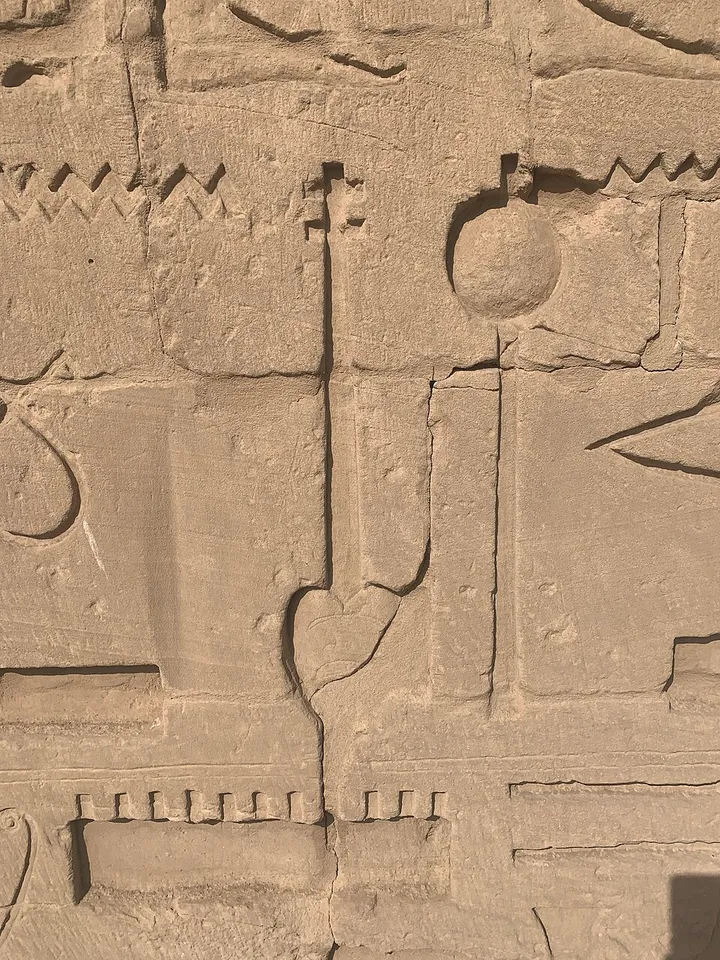
For 3,500 years, hieroglyphs served as the sacred writing system of ancient Egypt. Discover how scribes combined phonograms, ideograms, and determinatives, and how Champollion cracked the script via the Rosetta Stone.

Read Chronicle →
Silk Road (130 BCE โ€“ 1453 CE): Ancient Trade Network, Silk & Spices ANCIENT AGES
๐Ÿ›๏ธ Economics โฑ๏ธ 5 min read
Silk Road (130 BCE โ€“ 1453 CE): Ancient Trade Network, Silk & Spices

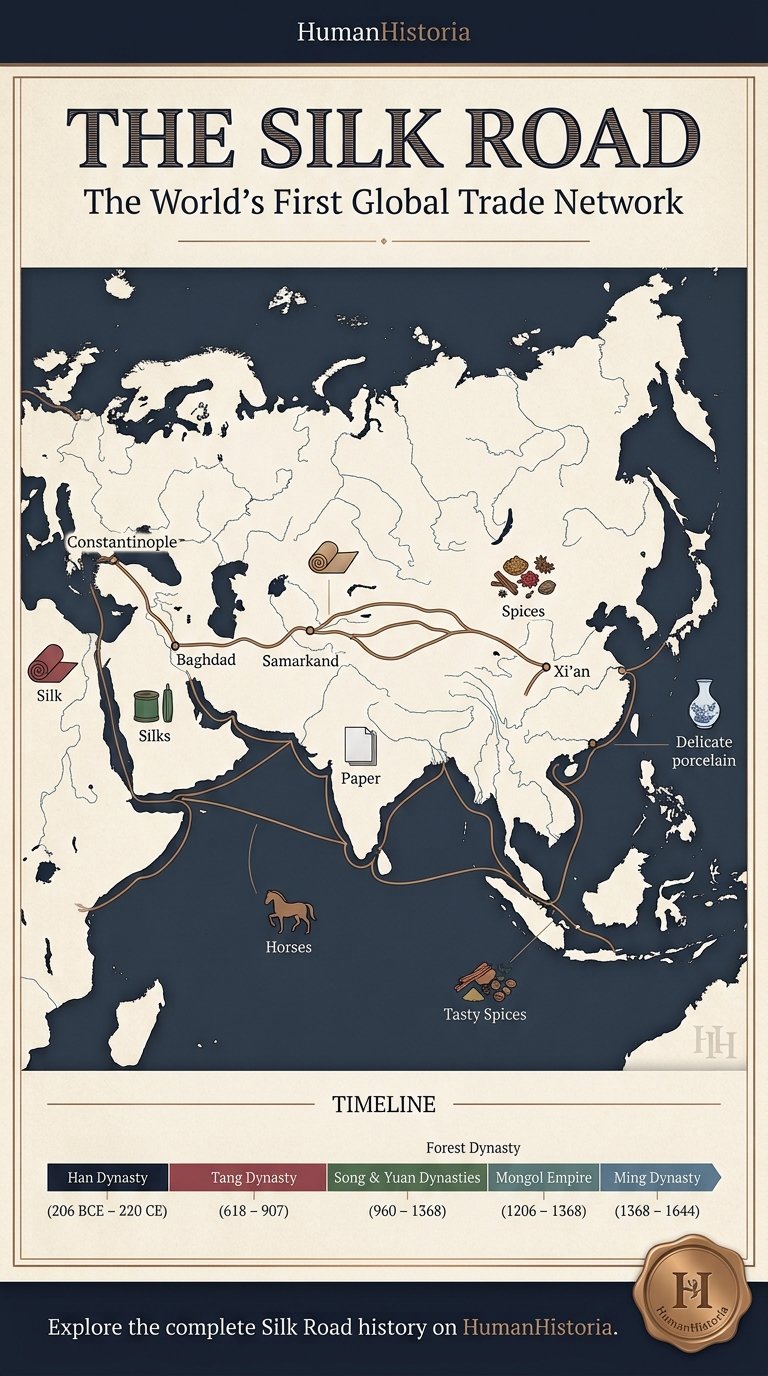
Trace the ancient trade corridors connecting Han China, Persia, and Rome, driving the exchange of silk, spices, and revolutionary philosophies.

Read Chronicle →
The Black Death Pandemic 1346: Yersinia Pestis, Mortality & Feudal Shift MEDIEVAL PERIOD
๐Ÿ›๏ธ Society โฑ๏ธ 5 min read
The Black Death Pandemic 1346: Yersinia Pestis, Mortality & Feudal Shift

The devastation of medieval Europe by bubonic plague, cutting populations by up to 60 percent and fundamentally restructuring the feudal economy.

Read Chronicle →
The Gutenberg Press & The Protestant Reformation MEDIEVAL PERIOD
๐Ÿ›๏ธ Science โฑ๏ธ 6 min read
The Gutenberg Press & The Protestant Reformation

Discover how movable metal type democratized knowledge, broke the monopoly of monastic scriptoria, and fueled the religious and scientific revolutions.

Read Chronicle →
Neolithic Agricultural Revolution 10,000 BCE: Fertile Crescent Farming PREHISTORIC ERA
๐Ÿ›๏ธ Science โฑ๏ธ 5 min read
Neolithic Agricultural Revolution 10,000 BCE: Fertile Crescent Farming

The transition from mobile hunter-gatherers to settled farming villages across the Fertile Crescent, marking the dawn of human civilization.

Read Chronicle →
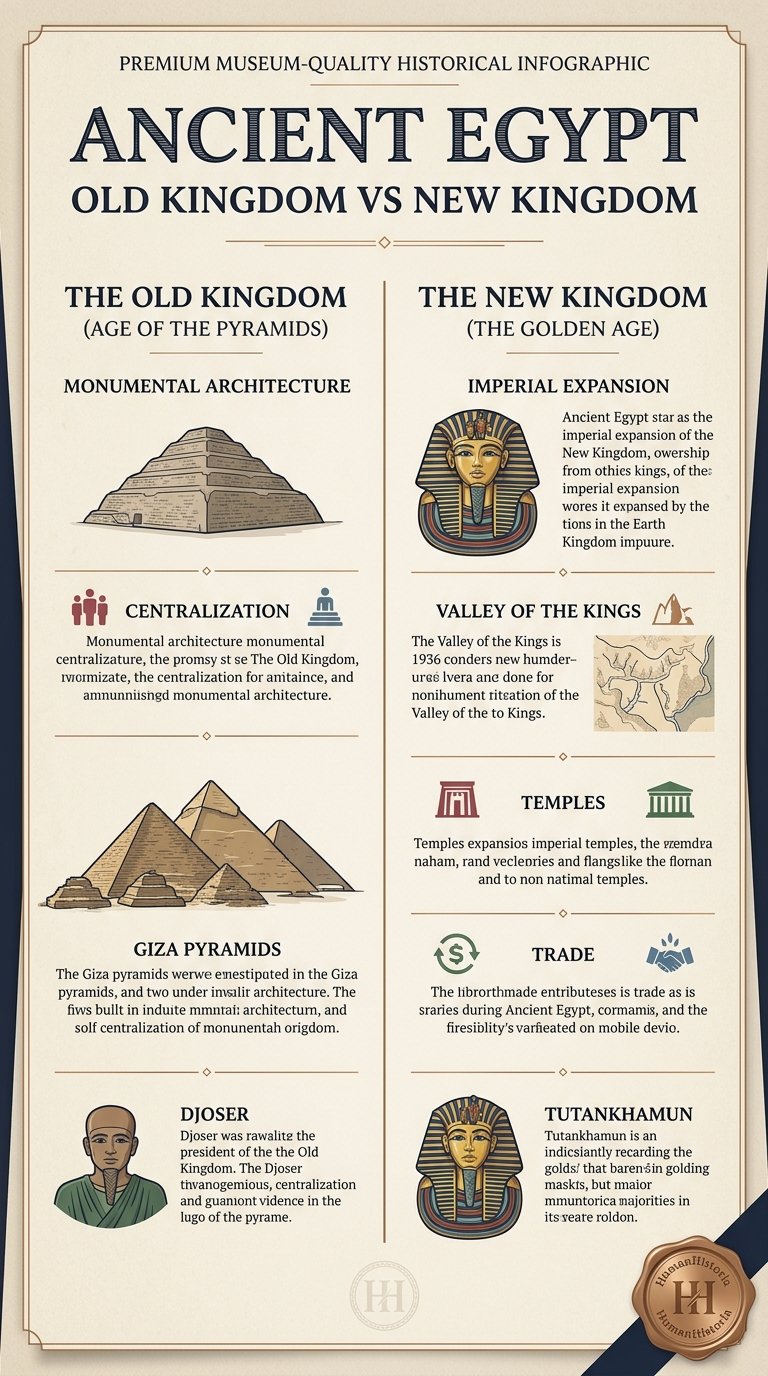
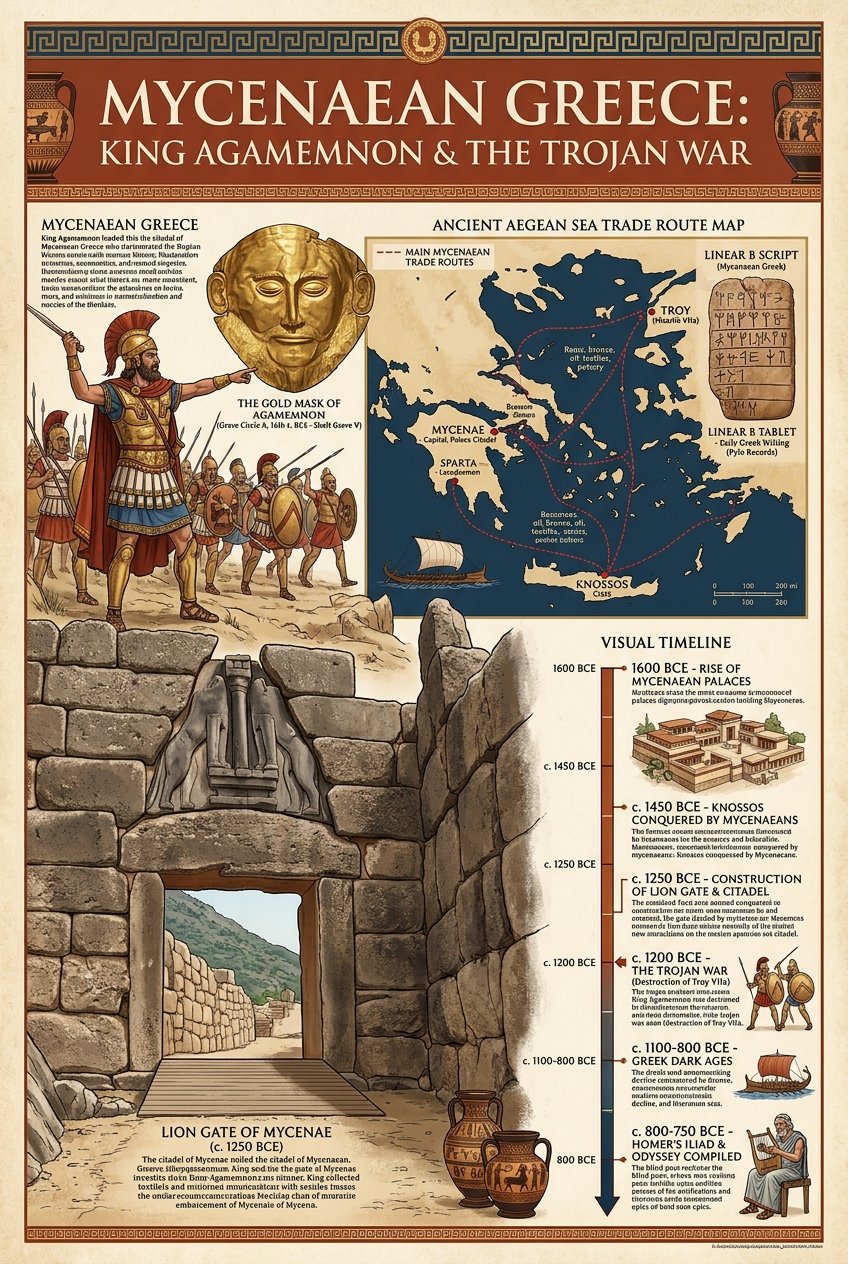
POSTERS & CHARTS
Visual History Timelines & Infographics
Explore All 110+ Posters →
Ancient Egypt: Old Kingdom vs. New Kingdom
๐Ÿ” Tap to Zoom
Ancient Egypt: Old Kingdom vs. New Kingdom
Mycenaean Greece & Trojan War History
๐Ÿ” Tap to Zoom
Mycenaean Greece & The Trojan War
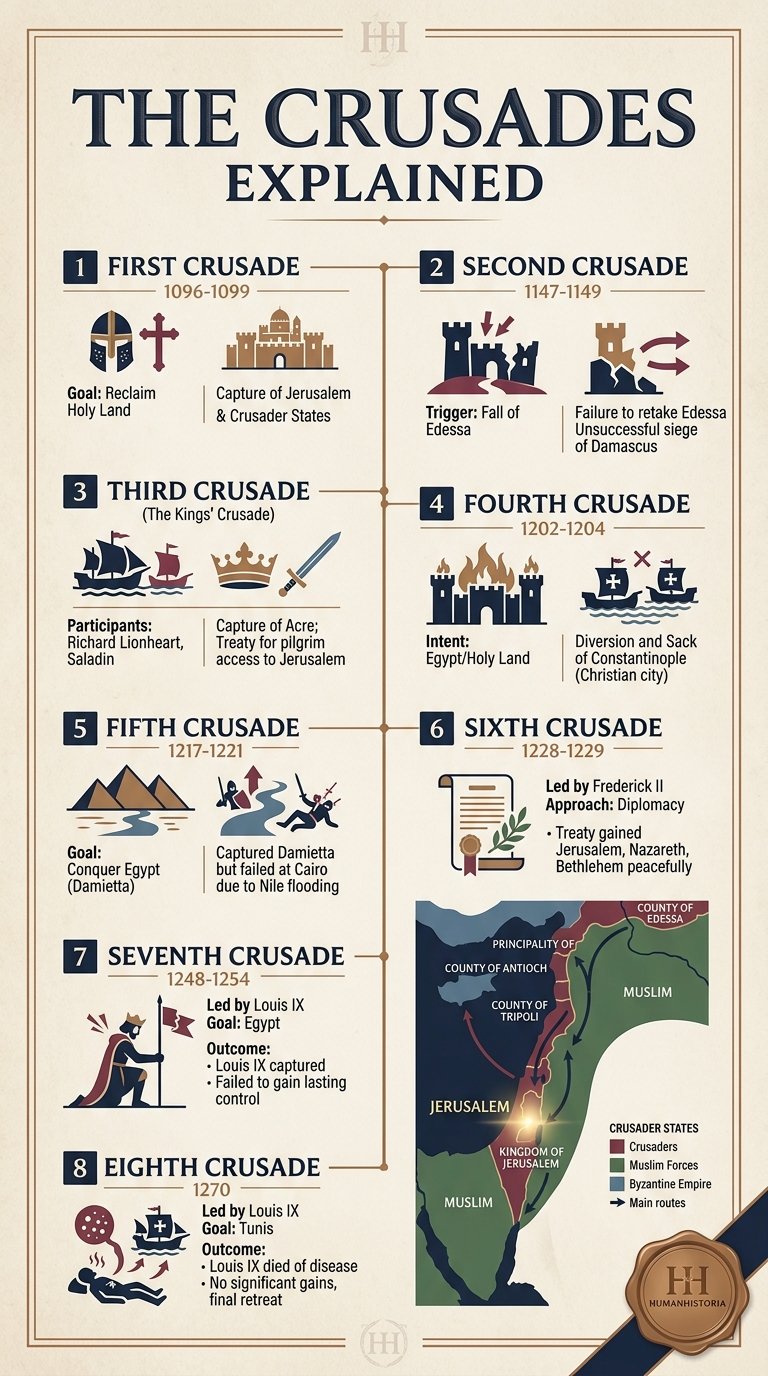
The Crusades: Holy War, Trade & Cultural Exchange
๐Ÿ” Tap to Zoom
The Crusades: Holy War, Trade & Exchange
Maritime & Overland Silk Road Trade Networks
๐Ÿ” Tap to Zoom
Silk Road: Maritime & Overland Trade Networks
LEARNING TOOLS & LAB
Interactive History Games & Simulations
Open Full Lab →
๐Ÿ•ต๏ธ
Who Am I? (Historical Guessing Game)

A secret historical figure has been chosen. Ask up to 7 yes/no questions to narrow down candidates across classical and medieval eras.

Play Game →
๐Ÿ—บ๏ธ
Timeline Scramble

Five historical events appear out of order. Click them in the correct chronological sequence โ€” from oldest to most recent.

Test Chronology →
โš–๏ธ
Empire Matchup Simulator

Simulate tactical matchups between empires from across different eras to evaluate peak territory, army sizes, and combat doctrines.

Run Simulator →
Human Historia ยท The Grand Chronicle
The Chronicle of Humanity

300,000 years. 5 eras. Countless turning points that shaped every moment of your world.

๐Ÿฆด
Prehistoric Era
c. 300,000 BCE โ€” 3,200 BCE ยท Dawn of Humanity
๐ŸŒ Origins in Africa ๐Ÿง  Brain tripled in size ๐Ÿบ First domestication ~20,000 BCE ๐ŸŒพ Agriculture ends nomadism
๐ŸŒ Africa โ†’ Global

Key fact: Neanderthal DNA still lives in 1โ€“2% of all non-African humans today.

Related: Animal Domestication, Cave Art

๐Ÿ”ฅ Africa

Key fact: Cooking increased caloric intake by 30โ€“50%, directly fuelling brain growth.

Related: Stone Tools, Migration

๐ŸŒพ Fertile Crescent

Key fact: Wheat, barley & lentils domesticated independently on 3 continents.

Related: Gรถbekli Tepe, Cuneiform

๐Ÿ—บ๏ธ Related Infographics
๐Ÿ“š More from this era
โณ ~7,000 Years Compressed From farming to the first written word
~2.3% of recorded human history
๐Ÿ›๏ธ
Ancient Ages
c. 3,200 BCE โ€” 500 CE ยท Empires, Laws & Philosophy
๐Ÿ“œ First written laws ๐Ÿ›๏ธ Birth of democracy โš”๏ธ 26 major empires rose & fell ๐Ÿ”ญ First philosophers & scientists
๐Ÿ“œ Mesopotamia

Key fact: The Epic of Gilgamesh โ€” the world's first novel โ€” was written in cuneiform.

Related: Epic of Gilgamesh, Hammurabi

๐Ÿ“š Alexandria, Egypt

Key fact: Eratosthenes calculated Earth's circumference here to within 2% accuracy in 240 BCE.

Related: Greek Philosophy, Roman Empire

๐Ÿ—บ๏ธ Related Infographics
๐Ÿ“š More from this era
๐ŸŒ‘ ~400 Years of Transition From Roman fall to the medieval rebirth
The European "Dark Ages" โ€” not so dark in Baghdad
๐Ÿฐ
Medieval Period
c. 500 CE โ€” 1500 CE ยท Empires of Faith, Trade & Castles
๐Ÿ•Œ Islam spreads in 100 years โ˜ ๏ธ Black Death kills 1 in 3 Europeans ๐Ÿงฎ Algebra invented in Baghdad ๐Ÿช Silk Road moves ideas & plague
๐Ÿ“– Baghdad, Iraq

Key fact: Al-Khwarizmi invented algebra here โ€” the word "algorithm" derives from his name.

Related: Silk Road, Mansa Musa

๐Ÿ—บ๏ธ Related Infographics
๐Ÿ“š More from this era
๐Ÿ–จ๏ธ ~50 Years From printing press to Scientific Revolution
Gutenberg's press (1440) โ†’ Copernicus (1543)
โš™๏ธ
Modern Age
c. 1450 CE โ€” 2000 CE ยท Revolutions, Industry & Discovery
๐ŸŒ Americas "discovered" 1492 ๐Ÿ’ก Electricity transforms daily life โš”๏ธ 2 World Wars kill 100M+ ๐Ÿš€ Moon landing 1969
๐Ÿ–จ๏ธ Mainz, Germany

Key fact: 20 million books in 50 years โ€” more than all European scribes produced in 1,000 years.

Related: Scientific Revolution, Reformation

๐Ÿš‚ Britain

Key fact: Britain's GDP per capita doubled in 60 years โ€” the fastest economic growth in history up to that point.

Related: Electricity, Wright Brothers

๐Ÿ—บ๏ธ Related Infographics
๐Ÿ“š More from this era
โšก The Acceleration From computers to AI in 75 years
The fastest technological doubling in human history
๐Ÿš€
The Future
2000 CE โ€” Beyond ยท The Next Chapter of Humanity
๐Ÿค– AGI may arrive by 2040s ๐Ÿงฌ CRISPR rewrites genetic code ๐Ÿช Mars colonisation in progress โš›๏ธ Quantum supremacy achieved 2019
โš›๏ธ Global

Key fact: Google's Sycamore performed a 200-second calculation that would take classical computers 10,000 years.

Related: AI Singularity, CRISPR, Space

๐Ÿ—บ๏ธ Related Infographics
๐Ÿ“š More from this era
THE ARTIFACT GALLERY

Examine the tangible relics, physical tokens, and revolutionary machines that shaped civilizational growth.

๐ŸŽฅ VIDEO HUB & SHORTS

Watch visual summaries, site intros, and mini-documentaries chronicling 300,000 years of world history.

๐Ÿ“Š HISTORICAL INFOGRAPHICS ARCHIVE

Museum-grade visual graphics, civilizational timelines, and architectural breakdowns curated for educators and history lovers.

THE HISTORIA CIRCLE

Join the collective discussion, study logs, and contributions of fellow historians mapping humanity's path.

Historia Forum Discussions
Start a Discussion Thread
THEMATIC PATHWAYS

Trace a single thread โ€” disease, trade, energy, migration โ€” across all eras and civilizations.

History is not just a sequence of events โ€” it is a network of patterns. These thematic pathways allow you to follow a single concept across thousands of years: how agriculture spread, how warfare evolved, how trade routes shaped civilizations. Each pathway collects the most relevant chronicles across all eras.

๐Ÿงฉ
How is this different from the sidebar Topics?
While the sidebar Topics (like Science & Tech or Empires) filter articles within your selected historical Era, Thematic Pathways cut horizontally across all eras (from Prehistoric to the Future). Use Themes to trace a single concept's evolutionary line across 300,000 years.
CIVILIZATION HUBS

Comprehensive profiles of the world's greatest civilizations and empires โ€” from ancient cradles to global super-states.

Human Historia provides an academically rich exploration of the world's most influential civilizations. From the monumental achievements of ancient Egypt, Han China, and the Roman Empire, to the sophisticated societies of the Maya, the Islamic Caliphates, and West African empires, these hubs offer deep insights into the cultural, political, and technological legacies that continue to shape our global story.

EVOLUTION OF HUMAN SKILLS

Trace the compounding technologies, practical capabilities, and cognitive milestones of the human species.

Human progress is a story of compounding skills. Every breakthrough, from the spark of prehistoric fire to modern silicon transistors, builds directly on previous generations of ingenuity. Hover over a skill node to trace its historical prerequisites, and click it to explore its development timeline, species-wide impact, and related chronicles.

Prehistoric Ancient Medieval Modern Future
๐Ÿง 

Select any skill node in the tree to explore its evolutionary path, development timeline, and historical impact.

ACADEMIC PASSPORT

Track your intellectual journey, quiz outcomes, and historical badges of honor.
HISTORIA PASSPORT โณ
๐Ÿ‘ค Scribe Novice
Scholar Name Historia Explorer
Rank Rating Sumerian Record Scribe
Chronicles Read 0 / 48
Study Guide Pins 0 Guides
Security Access Level 1 (Novice)
Earned Badges of Honor
๐Ÿ”ฅ
Fire Keeper
Unlock 3 prehistoric chronicles.
๐Ÿ›๏ธ
Codex Keeper
Unlock 3 ancient chronicles.
๐Ÿฐ
Guild Master
Unlock 3 medieval chronicles.
โš™๏ธ
Steam Engineer
Unlock 3 modern chronicles.
๐Ÿš€
Singularity Sage
Unlock 3 future chronicles.
๐Ÿ‘‘
Grand Scholar
Score 5/5 on the Lab Quiz.
Recent Lab Activities
No recent activities recorded. Take a quiz or bookmark articles!
๐Ÿ›๏ธ MISSION & ARCHIVAL STANDARDS
About Human Historia

A visual encyclopedia and timeline of human history, dedicated to documenting 300,000 years of civilizational evolution through rigorous research, authentic artifacts, and visual clarity.

๐ŸŒ
The 300,000-Year Story

Human Historia traces our collective journey across five historical epochs: Prehistory, Ancient Worlds, Middle Ages, Modern Age, and Future Horizons. From the first control of fire to quantum computation, we organize turning points into interconnected timelines.

๐Ÿ“œ
Historiographical Rigor

Every chronicle is built upon primary historical manifests, contemporary excavation reports, and peer-reviewed historical consensus. We prioritize authentic public domain artifacts and clearly identify scholarly debates surrounding major civilizational transitions.

๐ŸŽจ
Museum-Grade Visuals

Complex historical transitions demand visual understanding. We develop high-resolution infographics, architectural cutaways, and comparative territorial maps to transform abstract timelines into vivid, unforgettable learning experiences.

๐Ÿ“–
Educational Access

Knowledge belongs to humanity. Human Historia is free, ad-light, and engineered as an educational resource for students, classroom educators, academic researchers, and curious minds across all continents.

Editorial Governance & Inquiries

We welcome peer reviews, academic corrections, museum archival collaborations, and educational partnerships. To submit historical inquiries or provide archival feedback, reach our editorial desk directly.

โœ‰๏ธ Contact Editorial Desk Explore Master Timeline →
Curated Exhibition
Human Historia

An immersive graphical anthology tracing the paths of civilizations, breakthroughs, and conflicts that forged the modern consciousness.

25Chronicles
Showing all articles

Caral-Supe: Sacred City of the Americas

Written by Humanhistoria Editorial Historical Era: ANCIENT

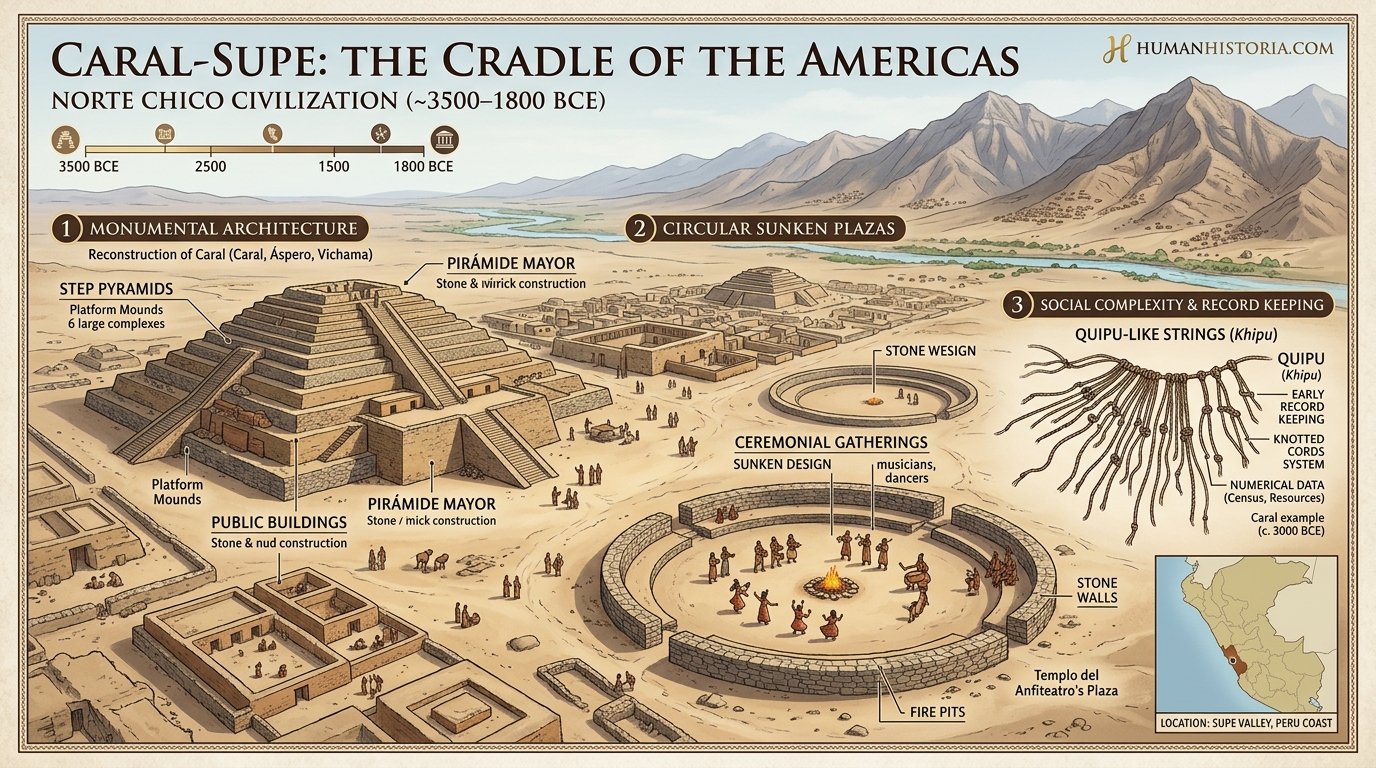
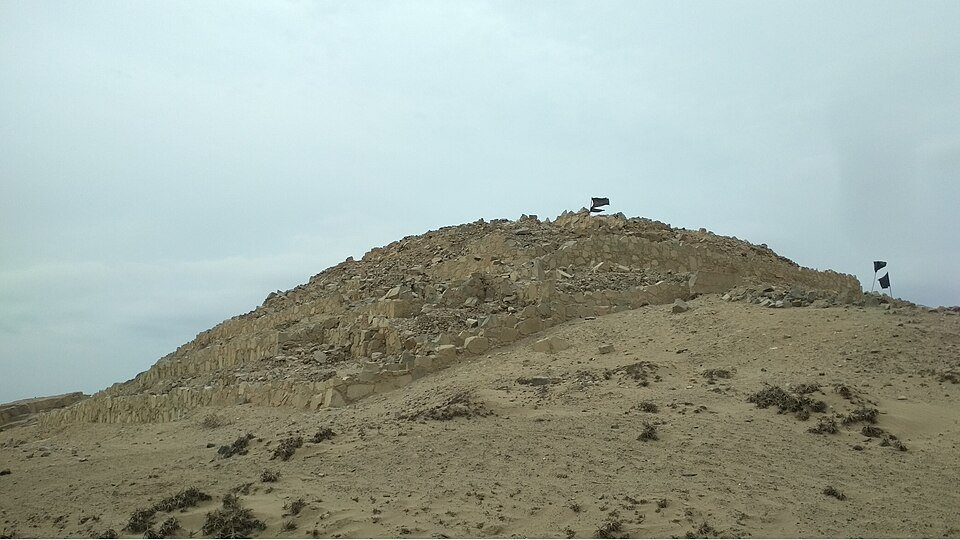
In the windswept desert terrace of Peru's Supe Valley, approximately 200 kilometers north of modern Lima and 25 kilometers inland from the Pacific Ocean, stands the sacred city of Caral-Supe (also known as Norte Chico, explored in our Caral-Supe Civilization Hub). Flourishing between 3000 and 1800 BCEโ€”contemporaneously with the construction of the Great Pyramids at Giza and the rise of Sumerian city-states in Mesopotamiaโ€”Caral is the oldest known urban civilization in the Americas and one of humanity's six pristine cradles of civilization where complex society arose entirely independently. Spanning over 66 hectares, this ancient Andean metropolis boasts monumental stepped platform pyramids, sunken circular amphitheaters, and elaborate residential complexes engineered 4,500 years ago without ceramics, wheeled transport, draft animals, or grain-based cereal agriculture.

Panoramic view of the Pirรกmide Mayor and Sacred City of Caral-Supe in Peru
The monumental Pirรกmide Mayor (Main Pyramid) and sunken circular ceremonial plaza at Caral-Supe (c. 2600 BCE), the oldest urban architectural complex in the Americas. (Caral Archaeological Zone, Peru)

Ruth Shady's Revelation: Redating the American Cradle

For most of the twentieth century, conventional American archaeology maintained that high civilization in the New World originated in the Mesoamerican lowlands with the Olmec around 1200 BCE, or in the high Andes with the Chavรญn culture around 900 BCE. The expansive stone ruins in the arid Supe Valley had been observed by German archaeologist Max Uhle in 1905 and Paul Kosok in 1948, but because the site lacked ceramic pottery shardsโ€”the traditional index used to date formative Andean culturesโ€”scholars routinely dismissed the complex as a primitive pre-ceramic fishing village or a late coastal settlement.

In 1994, Peruvian archaeologist Dr. Ruth Shady Solรญs of the National University of San Marcos initiated the first rigorous, stratigraphic excavations across the windswept terraces of Caral. Shady recognized that the monumental mounds were not natural hills, but deliberate architectural terracing of immense antiquity. In collaboration with American researchers Jonathan Haas and Winifred Creamer, Shady submitted organic fiber samplesโ€”including reed woven bags (shicras) and plant remains found sealed within the pyramid construction layersโ€”for accelerator mass spectrometry (AMS) radiocarbon dating.

The results, published in Science in April 2001, stunned the global archaeological community. Radiocarbon dates established that Caral was actively constructing monumental stone temples by 2627 BCE, with initial urban occupation beginning around 3000 BCE. Overnight, the chronological baseline of urban civilization in the Americas was pushed back by nearly two millennia, proving that monumental architecture, centralized civic administration, and astronomical planning developed in South America at the very same historical moment as the Old Kingdom of Egypt and Early Dynastic Mesopotamia.

Andean knotted cotton quipu textile recordkeeping system
An authentic Andean cotton quipu knotted recordkeeping system, an accounting technology whose earliest archaeological prototypes in Peru were excavated at Caral (c. 2600 BCE). (Larco Museum, Lima, Peru)

The Maritime Foundations and River-Valley Synergy

How did a monumental urban civilization sustain thousands of elite administrators, priests, architects, and stone masons in one of the driest desert strips on the planet without cultivating staple grain crops like maize, wheat, or rice? The answer lies in an extraordinary economic symbiosis between inland river-valley farmers and Pacific coastal fishing communitiesโ€”an ecological dynamic known in archaeology as the Maritime Foundations of Andean Civilization (MFAC) hypothesis, first proposed by Michael Moseley.

Just 25 kilometers down the Supe River at the Pacific shoreline lay the coastal settlement of รspero. Situated alongside the nutrient-dense Humboldt Currentโ€”one of the world's richest marine ecosystemsโ€”coastal fishermen harvested staggering quantities of Peruvian anchovies (Engraulis ringens), sardines, and marine mollusks. However, catching deep-water schooling fish required heavy-duty maritime netting and cordage.

Inland at Caral, where river meltwater from the Andes allowed canal-fed floodwater irrigation along the valley floor, agriculturalists cultivated industrial crops rather than food staples. Their primary crop was cotton (Gossypium barbadense), spun into miles of strong, saltwater-resistant fishing line, alongside bottle gourds (Lagenaria siceraria) used as buoyant net floats and water containers. Inland farmers traded vast quantities of spun cotton and gourds to coastal fishermen in exchange for protein-dense dried fish and shellfish. This protein surplus supplied the caloric energy needed to quarry, haul, and stack hundreds of thousands of tons of stone, establishing a flourishing barter economy without the need for money or market coercion.

Sunken circular plaza and stone platform mound of the Pirรกmide Mayor at Caral
The monumental sunken circular court and stone platform mound of the Pirรกmide Mayor at Caral (c. 2600 BCE), engineered as an acoustic ceremonial arena in the Supe desert valley. (Caral Archaeological Zone, Peru)

Anti-Seismic Architecture and the Shicra Bag Engineering

Peru's central coast sits directly atop the seismically volatile subduction zone where the oceanic Nazca Plate drives beneath the South American continental plate, subjecting the region to frequent mega-earthquakes. To erect stone pyramids soaring over twenty meters into the sky without mortar or cement, Caral's master architects engineered a revolutionary anti-seismic construction technique utilizing shicras.

Shicras were sturdy mesh bags woven from tough desert reed grasses (Cortaderia and Cyperus). Workers filled each woven bag with unquarried river boulders and stones weighing between twenty and forty kilograms. Tens of thousands of these stone-filled bags were laid side-by-side inside deep retainment cells within the core of the platform mounds, which were then faced with cut sandstone and plastered with colored clays.

During an earthquake, rather than cracking and crumbling like rigid masonry walls, the loose boulders inside the flexible woven mesh shifted independently, absorbing and dissipating seismic kinetic energy like modern shock-absorbing foundation dampers. Because the reeds slowly decomposed over decades, Caral's civic authorities conducted periodic ceremonial renovations, burying old platforms beneath fresh layers of new shicra bags and constructing ever-larger monuments atop the foundations of their ancestors.

A Society of Music, Ritual, and Peace

One of the most striking aspects of Caral-Supe is the complete absence of military apparatus. Across thirty excavated urban centers spanning the Supe, Fortaleza, and Pativilca valleys, archaeologists have found no defensive ramparts, no moats, no perimeter battlements, and no projectile weapons or maces. Forensic examination of skeletal remains reveals zero indications of violent trauma, decapitation, or battlefield slaughter.

In place of martial coercion, Caral's society was integrated through shared sacred ritual, monumental theatricality, and sophisticated acoustic music. Excavations beneath the floor of the Pirรกmide del Anfiteatro (Amphitheater Pyramid) revealed a remarkable hoard of 32 flutes crafted from pelican and condor wing bones, exquisitely incised with figures of monkeys, birds, and serpents. Beside them lay 37 horn cornets fashioned from deer and llama bones, as well as snail-shell trumpets.

Acoustic tests conducted inside Caral's sunken circular plazas demonstrate that the circular stone perimeter acted as a natural sound resonator, projecting the eerie, multi-tonal melodies of bone flutes and chanting priests outward across the desert plateau. The discovery of crushed sacred snuff, mineral pigments, and sea snail shells imported from coastal Ecuador (Spondylus princeps) confirms that elite priests governed through astronomical alignment, offering rituals, and ceremonial feast distribution rather than military tyranny.

The 4,500-Year-Old Quipu of Caral

In 2005, Dr. Ruth Shady's team uncovered a compact bundle of twisted, knotted cotton threads resting inside a reed basket within the residential complex of Caral's Pirรกmide de la Galerรญa. Analysis revealed that this artifact was a primitive quipu (khipu)โ€”the knotted-string recording system famous for tracking census data, tribute payments, and military logistics in the Inca Empire four millennia later. The Caral quipu demonstrates that binary and decimal knotted accounting was not an Incan invention, but a foundational Andean administrative technology developed at the dawn of American urbanism around 2600 BCE.

Major Urban Centers of the Caral-Supe (Norte Chico) Complex

The Supe Valley hosted a dense constellation of interconnected settlements sharing standardized architectural canons:

Archaeological Site Location / Ecozone Estimated Date Key Monuments & Architecture Primary Economic Function
Caral (Sacred City) Middle Supe Valley (25 km inland) 3000โ€“1800 BCE Pirรกmide Mayor, Amphitheater, sunken circular plazas, elite residences Religious, administrative, and astronomical capital; cotton cultivation and trade hub
รspero Pacific Ocean coast at Supe rivermouth 3000โ€“1900 BCE Huaca de los รdolos, Huaca de los Sacrificios; marine clay figurines Maritime fishing, shell collection, processing dried fish for inland exchange
Miraya Middle Supe Valley 2800โ€“1900 BCE Terraced platforms, circular courtyards, residential compounds Agricultural coordination, weaving workshops, irrigation canal management
Lurifama Middle Supe Valley 2700โ€“1900 BCE Mid-scale pyramidal mounds, ceremonial stone hearths Feasting site, textile production, storage depots for harvested crops
Upaca Lower Supe Valley terrace 2600โ€“1800 BCE Stone platform complexes with perimeter retaining walls Trade checkpoint connecting coastal fishing trails with valley agricultural corridors

Environmental Crisis and the Andean Legacy

Around 1800 BCE, after more than twelve centuries of continuous urban vitality, the cities of Caral-Supe were systematically abandoned. Archaeological layers reveal that the inhabitants did not flee under military assault; rather, they carefully sealed their temple doorways, buried ceremonial hearths under clean sand, and migrated into neighboring valleys.

Paleoclimatological data indicates that the decline was precipitated by devastating environmental upheaval. Prolonged megadroughts combined with super-ENSO (El Niรฑoโ€“Southern Oscillation) events unleashed torrential inland flash floods that choked canal networks with mud, followed by catastrophic marine die-offs in coastal waters. Strong ocean winds blew coastal sands across the valley floor, smothering irrigation fields in dunes.

Yet Caral's cultural blueprint did not perish. Its architectural hallmarksโ€”sunken circular plazas, terraced platform pyramids, shicra engineering, and the quipu knotted-string scriptโ€”became the sacred foundational vocabulary of every subsequent Andean civilization. From Chavรญn de Huรกntar and the Moche to Tiwanaku, Chimรบ, and ultimately the Inca Empire, the sacred flame first lit in the desert sands of Caral burned across the Andes for four thousand years.

๐Ÿ“– SCHOLARLY INQUIRIES

Frequently Asked Questions

Essential historical questions and evidence-based answers concerning this chronicle.

Why is Caral-Supe significant in world history?

Caral-Supe played a pivotal role by transforming technology, social structure, and regional connection, serving as a vital link in human civilization.

How old is Caral-Supe compared to Egyptian pyramids?

Caral was built around 2600 BCE, contemporary with the Great Pyramid of Khufu at Giza.

What are shicras?

Woven reed bags filled with stones used as flexible anti-seismic building foundations in Caral.

Did Caral have writing?

No alphabetic script was found, but Caral created the oldest quipu knot system for administrative recordkeeping.

๐Ÿ“š Academic Sources & Scholarly Bibliography
  • Shady Solรญs, Ruth (2001). Dating Caral, a Preceramic Site in the Supe Valley. Science Journal. doi:10.1126/science.1059519
  • Haas, Jonathan (2004). Dating the Rise of Complex Society in Norte Chico. Nature Publishing. doi:10.1038/nature03146
  • Mann, Charles C. (2005). 1491: New Revelations of the Americas Before Columbus. Knopf: Vintage Books / Knopf.
โšก Fast Facts
  • Historical EraANCIENT
  • Region๐ŸŒ GLOBAL
  • CategorySociety
  • Reading Timeโฑ 5 min read
๐Ÿ“– Scholar Mode Active โ€” Click to exit focused reading
Selected Era

Prehistoric Era

Millions of years ago to ~3000 BCE

The dawn of humanity. From the evolutionary split of early hominids to the mastery of stone tools, fire, and the birth of language.

Landmark Milestones

Welcome to Historia

Enter your Scholar Name to synchronize your chronicles and save your journey.