>
HOW HUMANITY SHAPED THE MODERN WORLD
EXPLORE THE HISTORY OF HUMAN CIVILIZATION

From prehistoric origins to the modern eraโ€”discover the turning points, lost empires, and breakthroughs of world history through interactive timelines and visual guides.
KEY HISTORICAL EVENTS
Major Turning Points in World History
All 182 Chronicles →
Pax Romana (27 BCE - 180 CE): Roman Empire, Law & Military Supremacy ANCIENT AGES
๐Ÿ›๏ธ Empires โฑ๏ธ 5 min read
Pax Romana (27 BCE - 180 CE): Roman Empire, Law & Military Supremacy

Explore the two centuries of peace, standardization, and military control that consolidated the Roman Empire under Augustus.

Read Chronicle →
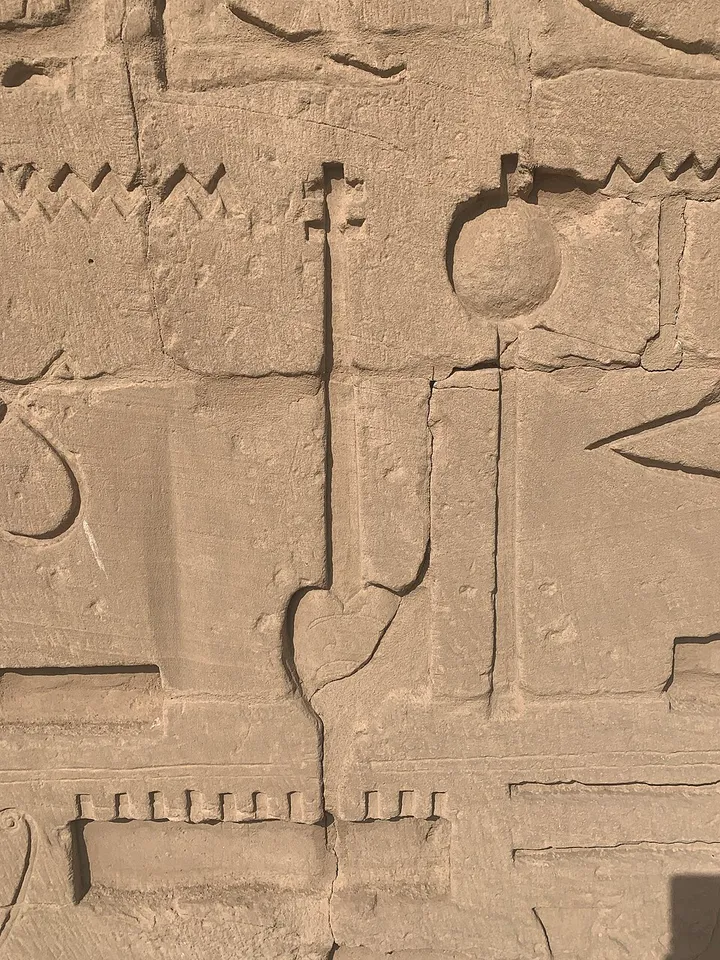
Egyptian Hieroglyphs: Decipherment, Scribes & Sacred Carvings ANCIENT AGES
๐Ÿ›๏ธ Languages โฑ๏ธ 9 min read
Egyptian Hieroglyphs: Decipherment, Scribes & Sacred Carvings

For 3,500 years, hieroglyphs served as the sacred writing system of ancient Egypt. Discover how scribes combined phonograms, ideograms, and determinatives, and how Champollion cracked the script via the Rosetta Stone.

Read Chronicle →
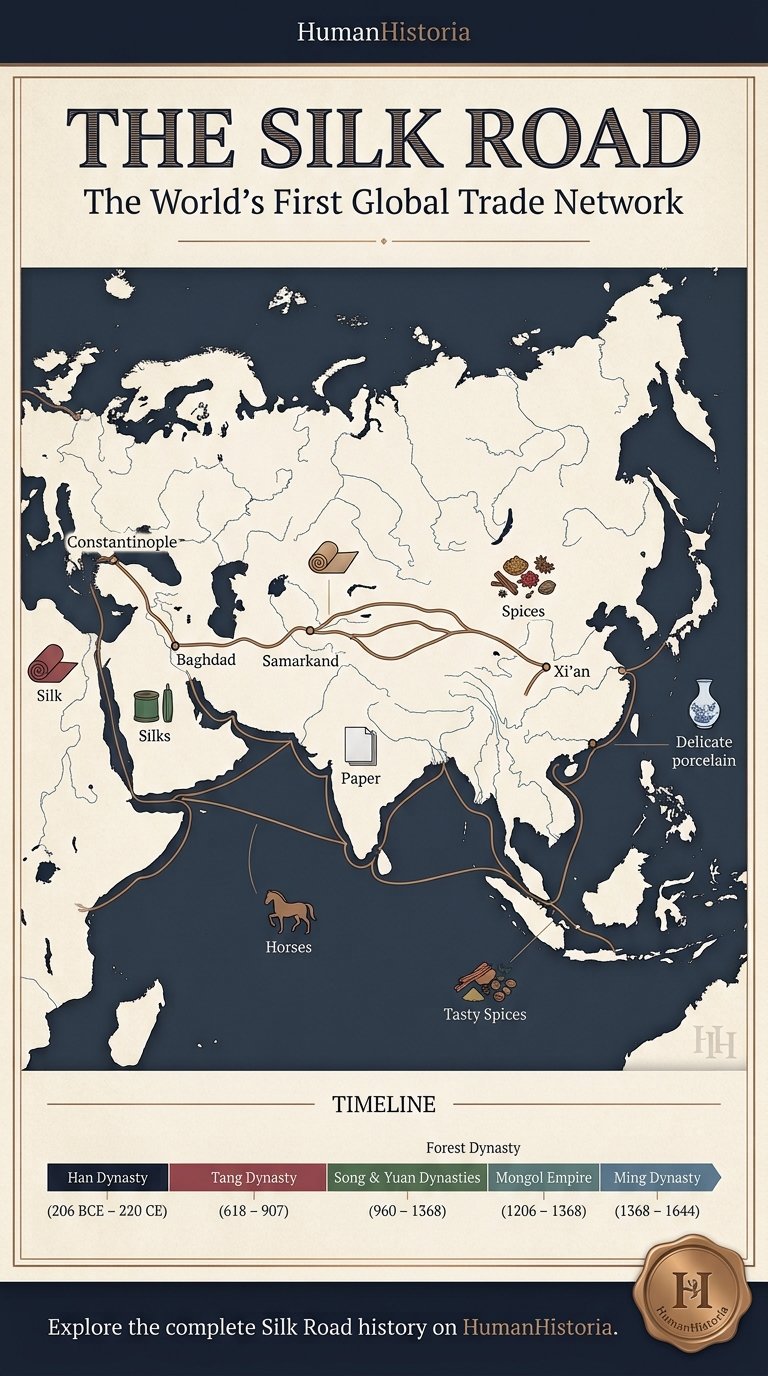
Silk Road (130 BCE โ€“ 1453 CE): Ancient Trade Network, Silk & Spices ANCIENT AGES
๐Ÿ›๏ธ Economics โฑ๏ธ 5 min read
Silk Road (130 BCE โ€“ 1453 CE): Ancient Trade Network, Silk & Spices

Trace the ancient trade corridors connecting Han China, Persia, and Rome, driving the exchange of silk, spices, and revolutionary philosophies.

Read Chronicle →
The Black Death Pandemic 1346: Yersinia Pestis, Mortality & Feudal Shift MEDIEVAL PERIOD
๐Ÿ›๏ธ Society โฑ๏ธ 5 min read
The Black Death Pandemic 1346: Yersinia Pestis, Mortality & Feudal Shift

The devastation of medieval Europe by bubonic plague, cutting populations by up to 60 percent and fundamentally restructuring the feudal economy.

Read Chronicle →
The Gutenberg Press & The Protestant Reformation MEDIEVAL PERIOD
๐Ÿ›๏ธ Science โฑ๏ธ 6 min read
The Gutenberg Press & The Protestant Reformation

Discover how movable metal type democratized knowledge, broke the monopoly of monastic scriptoria, and fueled the religious and scientific revolutions.

Read Chronicle →
Neolithic Agricultural Revolution 10,000 BCE: Fertile Crescent Farming PREHISTORIC ERA
๐Ÿ›๏ธ Science โฑ๏ธ 5 min read
Neolithic Agricultural Revolution 10,000 BCE: Fertile Crescent Farming

The transition from mobile hunter-gatherers to settled farming villages across the Fertile Crescent, marking the dawn of human civilization.

Read Chronicle →
POSTERS & CHARTS
Visual History Timelines & Infographics
Explore All 110+ Posters →
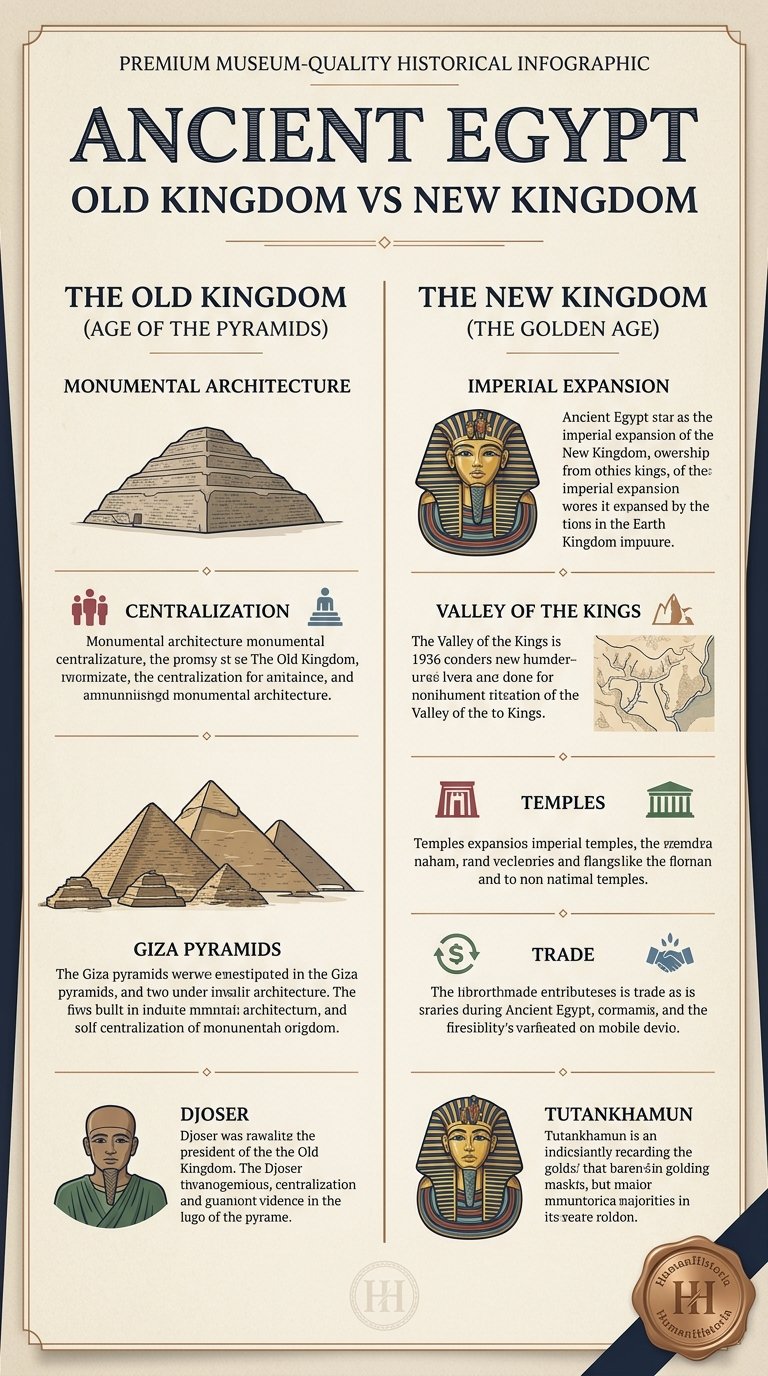
Ancient Egypt: Old Kingdom vs. New Kingdom
๐Ÿ” Tap to Zoom
Ancient Egypt: Old Kingdom vs. New Kingdom
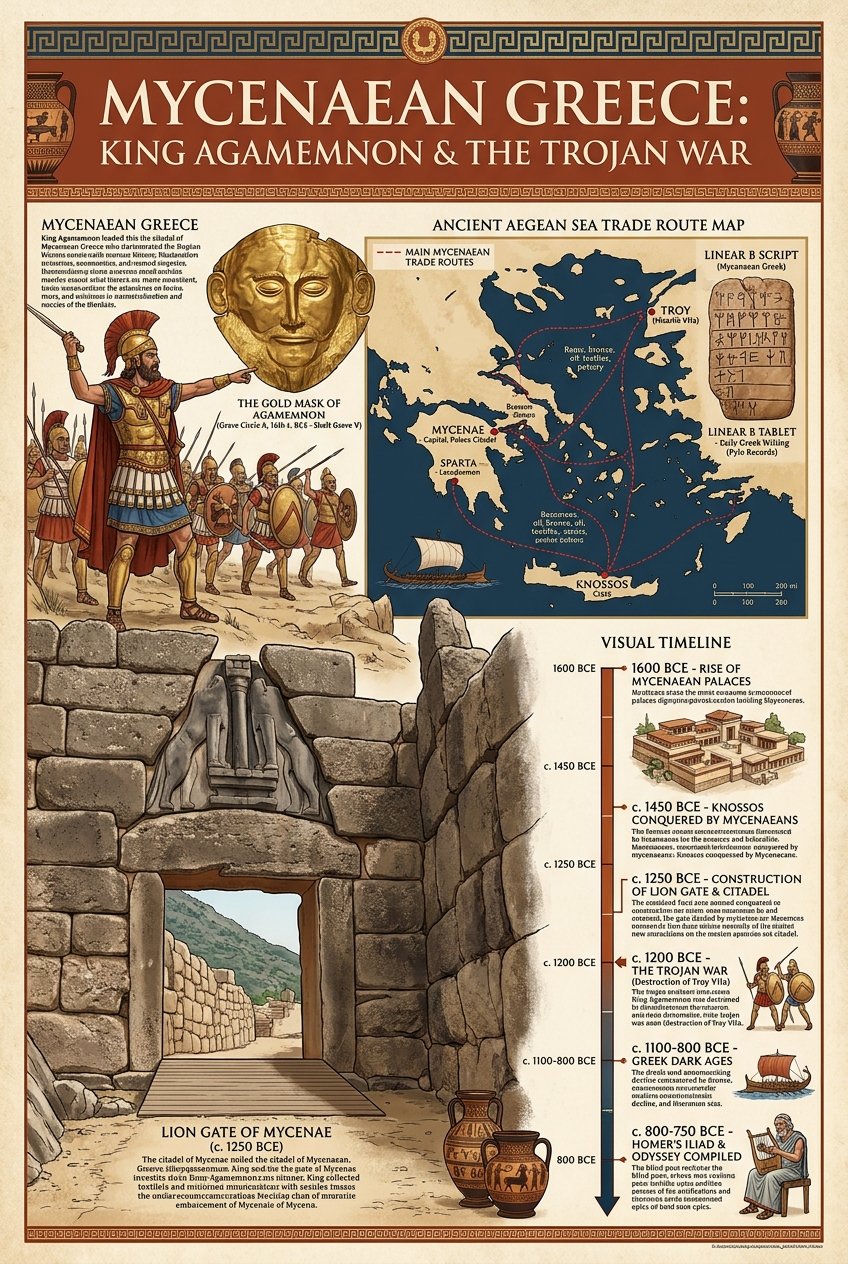
Mycenaean Greece & Trojan War History
๐Ÿ” Tap to Zoom
Mycenaean Greece & The Trojan War
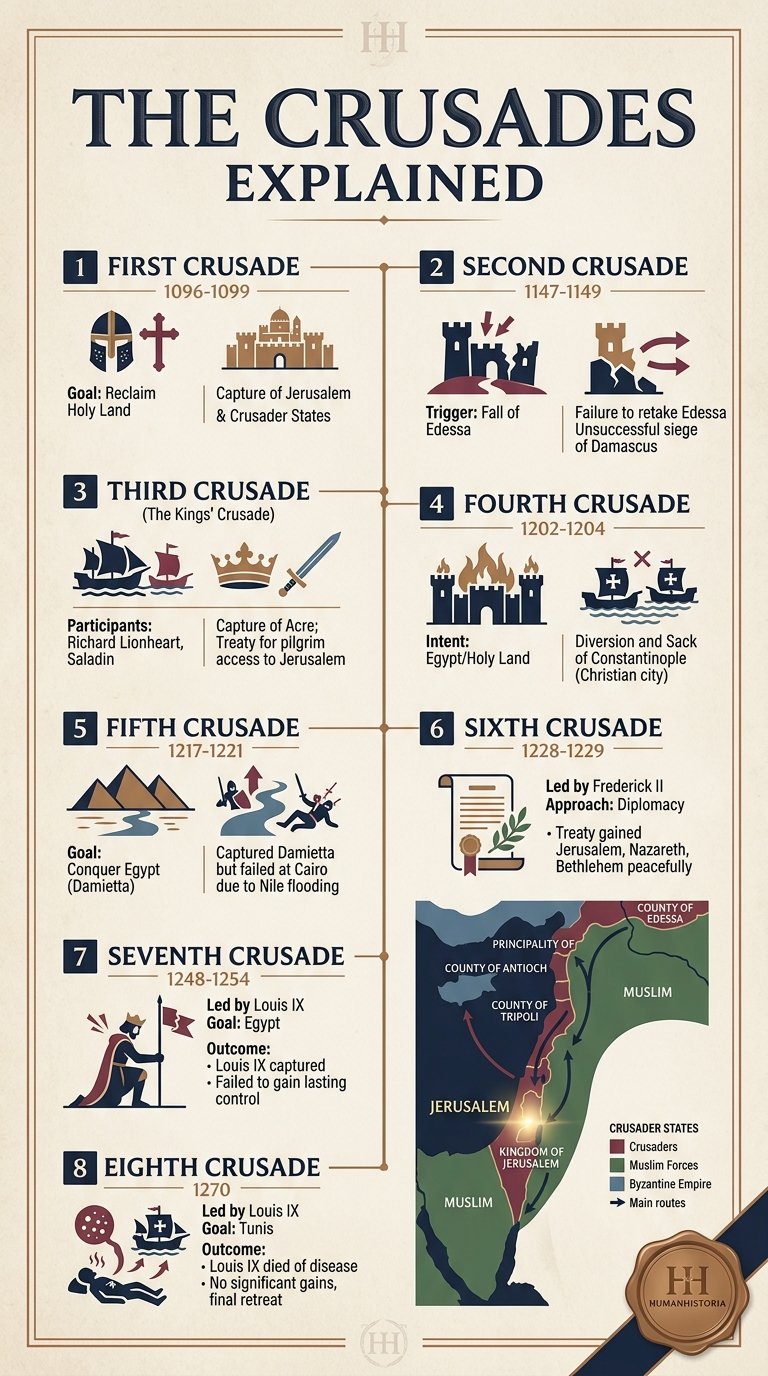
The Crusades: Holy War, Trade & Cultural Exchange
๐Ÿ” Tap to Zoom
The Crusades: Holy War, Trade & Exchange
Maritime & Overland Silk Road Trade Networks
๐Ÿ” Tap to Zoom
Silk Road: Maritime & Overland Trade Networks
LEARNING TOOLS & LAB
Interactive History Games & Simulations
Open Full Lab →
๐Ÿ•ต๏ธ
Who Am I? (Historical Guessing Game)

A secret historical figure has been chosen. Ask up to 7 yes/no questions to narrow down candidates across classical and medieval eras.

Play Game →
๐Ÿ—บ๏ธ
Timeline Scramble

Five historical events appear out of order. Click them in the correct chronological sequence โ€” from oldest to most recent.

Test Chronology →
โš–๏ธ
Empire Matchup Simulator

Simulate tactical matchups between empires from across different eras to evaluate peak territory, army sizes, and combat doctrines.

Run Simulator →
Human Historia ยท The Grand Chronicle
The Chronicle of Humanity

300,000 years. 5 eras. Countless turning points that shaped every moment of your world.

๐Ÿฆด
Prehistoric Era
c. 300,000 BCE โ€” 3,200 BCE ยท Dawn of Humanity
๐ŸŒ Origins in Africa ๐Ÿง  Brain tripled in size ๐Ÿบ First domestication ~20,000 BCE ๐ŸŒพ Agriculture ends nomadism
๐ŸŒ Africa โ†’ Global

Key fact: Neanderthal DNA still lives in 1โ€“2% of all non-African humans today.

Related: Animal Domestication, Cave Art

๐Ÿ”ฅ Africa

Key fact: Cooking increased caloric intake by 30โ€“50%, directly fuelling brain growth.

Related: Stone Tools, Migration

๐ŸŒพ Fertile Crescent

Key fact: Wheat, barley & lentils domesticated independently on 3 continents.

Related: Gรถbekli Tepe, Cuneiform

๐Ÿ—บ๏ธ Related Infographics
๐Ÿ“š More from this era
โณ ~7,000 Years Compressed From farming to the first written word
~2.3% of recorded human history
๐Ÿ›๏ธ
Ancient Ages
c. 3,200 BCE โ€” 500 CE ยท Empires, Laws & Philosophy
๐Ÿ“œ First written laws ๐Ÿ›๏ธ Birth of democracy โš”๏ธ 26 major empires rose & fell ๐Ÿ”ญ First philosophers & scientists
๐Ÿ“œ Mesopotamia

Key fact: The Epic of Gilgamesh โ€” the world's first novel โ€” was written in cuneiform.

Related: Epic of Gilgamesh, Hammurabi

๐Ÿ“š Alexandria, Egypt

Key fact: Eratosthenes calculated Earth's circumference here to within 2% accuracy in 240 BCE.

Related: Greek Philosophy, Roman Empire

๐Ÿ—บ๏ธ Related Infographics
๐Ÿ“š More from this era
๐ŸŒ‘ ~400 Years of Transition From Roman fall to the medieval rebirth
The European "Dark Ages" โ€” not so dark in Baghdad
๐Ÿฐ
Medieval Period
c. 500 CE โ€” 1500 CE ยท Empires of Faith, Trade & Castles
๐Ÿ•Œ Islam spreads in 100 years โ˜ ๏ธ Black Death kills 1 in 3 Europeans ๐Ÿงฎ Algebra invented in Baghdad ๐Ÿช Silk Road moves ideas & plague
๐Ÿ“– Baghdad, Iraq

Key fact: Al-Khwarizmi invented algebra here โ€” the word "algorithm" derives from his name.

Related: Silk Road, Mansa Musa

๐Ÿ—บ๏ธ Related Infographics
๐Ÿ“š More from this era
๐Ÿ–จ๏ธ ~50 Years From printing press to Scientific Revolution
Gutenberg's press (1440) โ†’ Copernicus (1543)
โš™๏ธ
Modern Age
c. 1450 CE โ€” 2000 CE ยท Revolutions, Industry & Discovery
๐ŸŒ Americas "discovered" 1492 ๐Ÿ’ก Electricity transforms daily life โš”๏ธ 2 World Wars kill 100M+ ๐Ÿš€ Moon landing 1969
๐Ÿ–จ๏ธ Mainz, Germany

Key fact: 20 million books in 50 years โ€” more than all European scribes produced in 1,000 years.

Related: Scientific Revolution, Reformation

๐Ÿš‚ Britain

Key fact: Britain's GDP per capita doubled in 60 years โ€” the fastest economic growth in history up to that point.

Related: Electricity, Wright Brothers

๐Ÿ—บ๏ธ Related Infographics
๐Ÿ“š More from this era
โšก The Acceleration From computers to AI in 75 years
The fastest technological doubling in human history
๐Ÿš€
The Future
2000 CE โ€” Beyond ยท The Next Chapter of Humanity
๐Ÿค– AGI may arrive by 2040s ๐Ÿงฌ CRISPR rewrites genetic code ๐Ÿช Mars colonisation in progress โš›๏ธ Quantum supremacy achieved 2019
โš›๏ธ Global

Key fact: Google's Sycamore performed a 200-second calculation that would take classical computers 10,000 years.

Related: AI Singularity, CRISPR, Space

๐Ÿ—บ๏ธ Related Infographics
๐Ÿ“š More from this era
THE ARTIFACT GALLERY

Examine the tangible relics, physical tokens, and revolutionary machines that shaped civilizational growth.

๐ŸŽฅ VIDEO HUB & SHORTS

Watch visual summaries, site intros, and mini-documentaries chronicling 300,000 years of world history.

๐Ÿ“Š HISTORICAL INFOGRAPHICS ARCHIVE

Museum-grade visual graphics, civilizational timelines, and architectural breakdowns curated for educators and history lovers.

THE HISTORIA CIRCLE

Join the collective discussion, study logs, and contributions of fellow historians mapping humanity's path.

Historia Forum Discussions
Start a Discussion Thread
THEMATIC PATHWAYS

Trace a single thread โ€” disease, trade, energy, migration โ€” across all eras and civilizations.

History is not just a sequence of events โ€” it is a network of patterns. These thematic pathways allow you to follow a single concept across thousands of years: how agriculture spread, how warfare evolved, how trade routes shaped civilizations. Each pathway collects the most relevant chronicles across all eras.

๐Ÿงฉ
How is this different from the sidebar Topics?
While the sidebar Topics (like Science & Tech or Empires) filter articles within your selected historical Era, Thematic Pathways cut horizontally across all eras (from Prehistoric to the Future). Use Themes to trace a single concept's evolutionary line across 300,000 years.
CIVILIZATION HUBS

Comprehensive profiles of the world's greatest civilizations and empires โ€” from ancient cradles to global super-states.

Human Historia provides an academically rich exploration of the world's most influential civilizations. From the monumental achievements of ancient Egypt, Han China, and the Roman Empire, to the sophisticated societies of the Maya, the Islamic Caliphates, and West African empires, these hubs offer deep insights into the cultural, political, and technological legacies that continue to shape our global story.

EVOLUTION OF HUMAN SKILLS

Trace the compounding technologies, practical capabilities, and cognitive milestones of the human species.

Human progress is a story of compounding skills. Every breakthrough, from the spark of prehistoric fire to modern silicon transistors, builds directly on previous generations of ingenuity. Hover over a skill node to trace its historical prerequisites, and click it to explore its development timeline, species-wide impact, and related chronicles.

Prehistoric Ancient Medieval Modern Future
๐Ÿง 

Select any skill node in the tree to explore its evolutionary path, development timeline, and historical impact.

ACADEMIC PASSPORT

Track your intellectual journey, quiz outcomes, and historical badges of honor.
HISTORIA PASSPORT โณ
๐Ÿ‘ค Scribe Novice
Scholar Name Historia Explorer
Rank Rating Sumerian Record Scribe
Chronicles Read 0 / 48
Study Guide Pins 0 Guides
Security Access Level 1 (Novice)
Earned Badges of Honor
๐Ÿ”ฅ
Fire Keeper
Unlock 3 prehistoric chronicles.
๐Ÿ›๏ธ
Codex Keeper
Unlock 3 ancient chronicles.
๐Ÿฐ
Guild Master
Unlock 3 medieval chronicles.
โš™๏ธ
Steam Engineer
Unlock 3 modern chronicles.
๐Ÿš€
Singularity Sage
Unlock 3 future chronicles.
๐Ÿ‘‘
Grand Scholar
Score 5/5 on the Lab Quiz.
Recent Lab Activities
No recent activities recorded. Take a quiz or bookmark articles!
๐Ÿ›๏ธ MISSION & ARCHIVAL STANDARDS
About Human Historia

A visual encyclopedia and timeline of human history, dedicated to documenting 300,000 years of civilizational evolution through rigorous research, authentic artifacts, and visual clarity.

๐ŸŒ
The 300,000-Year Story

Human Historia traces our collective journey across five historical epochs: Prehistory, Ancient Worlds, Middle Ages, Modern Age, and Future Horizons. From the first control of fire to quantum computation, we organize turning points into interconnected timelines.

๐Ÿ“œ
Historiographical Rigor

Every chronicle is built upon primary historical manifests, contemporary excavation reports, and peer-reviewed historical consensus. We prioritize authentic public domain artifacts and clearly identify scholarly debates surrounding major civilizational transitions.

๐ŸŽจ
Museum-Grade Visuals

Complex historical transitions demand visual understanding. We develop high-resolution infographics, architectural cutaways, and comparative territorial maps to transform abstract timelines into vivid, unforgettable learning experiences.

๐Ÿ“–
Educational Access

Knowledge belongs to humanity. Human Historia is free, ad-light, and engineered as an educational resource for students, classroom educators, academic researchers, and curious minds across all continents.

Editorial Governance & Inquiries

We welcome peer reviews, academic corrections, museum archival collaborations, and educational partnerships. To submit historical inquiries or provide archival feedback, reach our editorial desk directly.

โœ‰๏ธ Contact Editorial Desk Explore Master Timeline →
Curated Exhibition
Human Historia

An immersive graphical anthology tracing the paths of civilizations, breakthroughs, and conflicts that forged the modern consciousness.

25Chronicles
Showing all articles

Queen Nefertiti & The Amarna Revolution: Monotheism in Ancient Egypt

Written by Humanhistoria Editorial Historical Era: ANCIENT

In the tenth year of his reign, around 1343 BCE, Pharaoh Amenhotep IV committed the ultimate act of religious blasphemy in ancient Egypt. Renaming himself Akhenaten ("Effective for the Aten"), the Pharaoh abandoned the ancient imperial capital of Thebes, shuttered the colossal temples of Amun-Ra, and declared that all the ancient gods of Egyptโ€”from Osiris to Anubisโ€”were non-existent illusions. Alongside his dazzling, enigmatic Great Royal Wife, Queen Nefertiti, Akhenaten established the world's first recorded state-sponsored monotheism, elevating the glowing disc of the sunโ€”the Atenโ€”as the sole creator and sustainer of the cosmos. For seventeen tumultuous years from their newly built desert capital of Akhetaten (Amarna), royal power was fused with radical artistic realism and spiritual fervor. Yet when Akhenaten died, the outraged conservative priesthood launched a ferocious counter-reformation, systematically chiseling the heretic royal couple from the monuments of history until modern archaeology resurrected their luminous revolution.

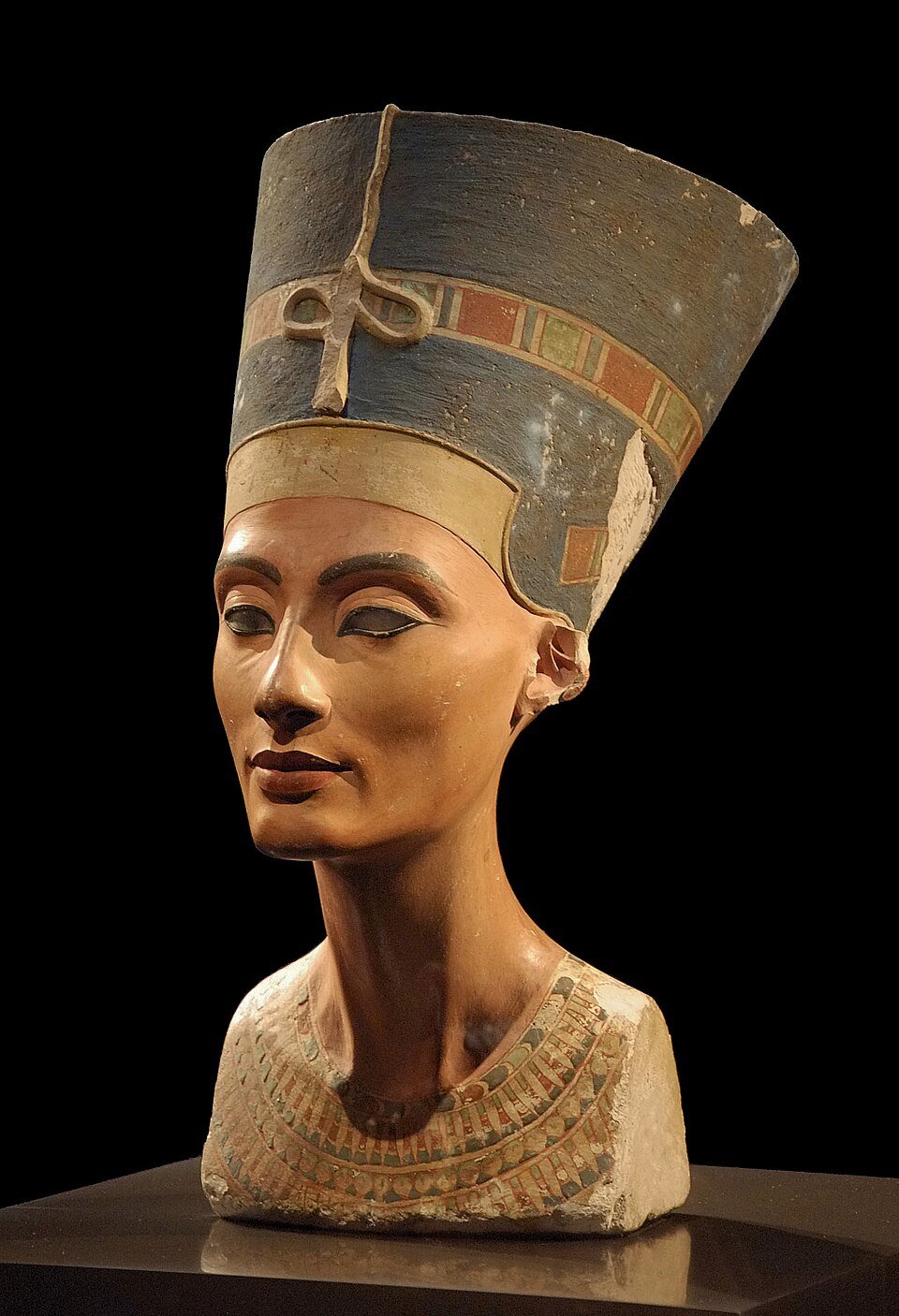
Iconic painted limestone bust of Queen Nefertiti wearing a blue crown
The iconic painted stucco-coated limestone bust of Queen Nefertiti (c. 1345 BCE), sculpted by master royal artist Thutmose at Akhetaten, discovered during German excavations in 1912. (Neues Museum, ร„gyptisches Museum Berlin, Inv. 21200)

The Imperial Apex: Thebes & The Omnipotence of Amun

To comprehend why Akhenaten and Nefertiti's religious coup sent shockwaves through the ancient world, one must understand the absolute power of New Kingdom Egypt during the Fourteenth Century BCE. Under Akhenaten's father, Amenhotep III "the Magnificent", Egypt enjoyed its golden apex. Gold poured in tribute from the mines of Nubia; diplomatic treaties bound Babylon, Mitanni, and the Hittites in peaceful trade; and monumental construction projects transformed the royal capital of Thebes (modern Luxor) into an earthly paradise of palatial splendour.

Yet behind the throne lurked a dangerous imperial rival: the high priesthood of Amun-Ra at Karnak. Over centuries of military conquest, pharaohs had dedicated vast portions of war booty, agricultural estates, gold revenues, and enslaved captives directly to Amun, the "Hidden One" and king of the gods. By the accession of young Amenhotep IV in 1353 BCE, the High Priest of Amun commanded tax-exempt temple estates that controlled over twenty percent of Egypt's arable farmland and employed thousands of priests, scribes, and temple police. The priesthood had evolved into a corrupt, entrenched deep state that effectively held a veto over the pharaoh's divine legitimacy.

Young Amenhotep IV was determined to annihilate this sacerdotal monopoly. From the opening years of his reign, the king began promoting a hitherto minor solar aspect of the sun god Ra: the Aten, the visible, physical disc of the sun whose celestial rays ended in tiny human hands bestowing the breath of life (ankh) upon the earth. By Year 5, the theological break was absolute.

Akhetaten: The Virgin Desert City of the Sun

Declaring that the traditional gods were dead, the king changed his royal birth name from Amenhotep ("Amun is Pleased") to Akhenaten. He enacted a nationwide program of religious desecration: royal stonemasons were dispatched across Egypt with hammers and bronze chisels to systematically hack the name and images of Amun from temple walls, tomb inscriptions, and even private furniture. Even the plural word for "gods" (netjeru) was chiseled away.

Because Thebes was spiritually polluted by centuries of Amun worship, Akhenaten declared that the Aten demanded a virgin capital. Sailing down the Nile two hundred miles north of Thebes, the king selected an isolated, semi-circular desert plain bordered by barren limestone cliffs in Middle Egypt (modern Tell el-Amarna). The site had never been dedicated to any previous god or goddess, nor settled by human inhabitants. He christened the city Akhetaten ("Horizon of the Aten").

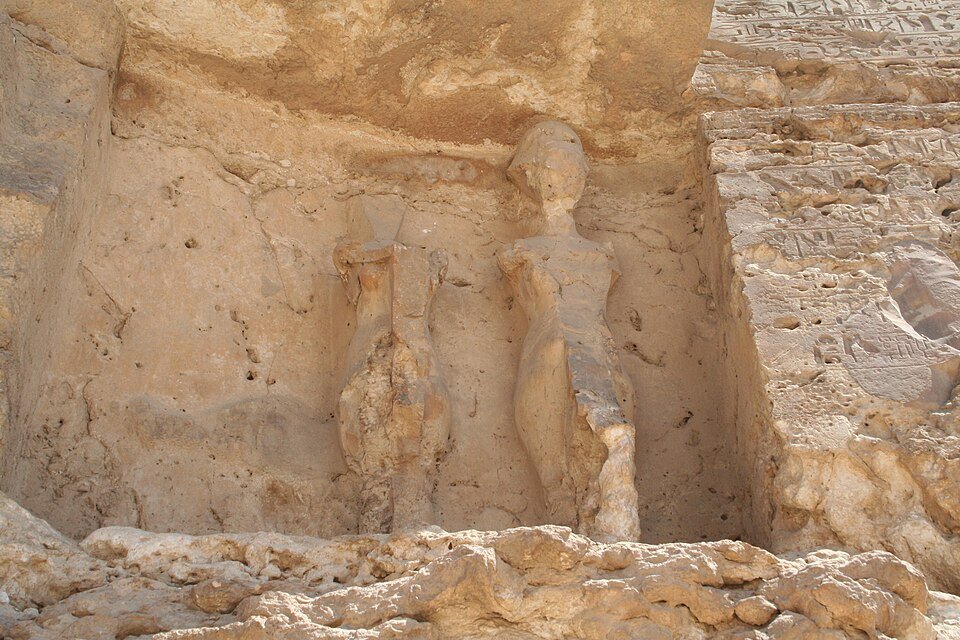
To permanently demarcate the sacred precinct, Akhenaten ordered fourteen colossal Boundary Stelae carved directly into the surrounding limestone mountain cliffs. In these monumental proclamations, Akhenaten swore a solemn divine oath that neither he nor Queen Nefertiti would ever extend the borders of the city, nor abandon the horizon of the sun god.

Over a frenzied four-year period, tens of thousands of conscripted laborers erected a sprawling metropolis of sun-dried mudbrick and limestone from nothing. Unlike the dark, subterranean sanctuaries of traditional Egyptian templesโ€”where cult statues were hidden in windowless inner sanctums accessible only to high priestsโ€”the Great Aten Temple at Akhetaten was a colossal open-air complex covering eight hundred meters, completely open to the blinding glare of the desert sun, containing 365 stone offering tables where slaughter offerings of cattle, fruit, and flowers were consumed directly by the sun's radiant heat.

Relief carving of Akhenaten, Nefertiti and their daughters under the Aten sun disk
Carved limestone altar stela from Amarna (c. 1350 BCE) showing Akhenaten and Nefertiti seated beneath the radiant sun disc Aten, whose rays extend hands offering the 'ankh' symbol of life to the royal pair as they cradle their daughters. (ร„gyptisches Museum Berlin, Inv. 14145)

Queen Nefertiti: The Co-Regent and Divine Goddess

In traditional Egyptian statecraft, royal wives occupied a secondary, supportive role as the "King's Great Wife." In the Amarna court, Nefertiti (whose name translates poetically as "The Beautiful One Has Come") achieved an unprecedented level of political and religious power that had no parallel in pharaonic history.

Theology in Amarna was structured not around an inaccessible pantheon, but around an exclusive divine triad: the Aten was the father, Akhenaten was the divine son, and Nefertiti was the divine mother. Ordinary citizens were strictly forbidden from praying directly to the Aten; all prayers and intercessions had to be directed through Akhenaten and Nefertiti. Relief carvings discovered on private domestic altars in Amarna homes demonstrate that ordinary families placed devotional icons of the royal couple in their living rooms, worshiping them as living gods.

Smiting the Enemies of Egypt

Even more shocking to conservative Egyptian society was Nefertiti's visual representation in monumental state art. At the Aten temple of Karnak, an entire religious structureโ€”the Hut-Benbenโ€”was decorated with colossal relief carvings depicting Nefertiti officiating at religious rituals completely alone, without her husband present.

In scenes discovered on royal barges and temple blocks (talatat), Nefertiti is depicted driving her own two-wheeled royal war chariot at full gallop through the city streets. Most radically, on a block from Amarna, Nefertiti is carved in the traditional, sacred posture of pharaonic military dominance: grasping foreign female and male captives by their hair and raising a heavy bronze mace to smite the enemies of Egyptโ€”an iconographic motif reserved exclusively for reigning male pharaohs for over two millennia. Many Egyptologists, including Nicholas Reeves and Aidan Dodson, argue persuasively that in the final years of the reign, Nefertiti was elevated to full co-regent under the royal throne name Ankhkheperure Neferneferuaten, ruling as a female pharaoh.

Detail of limestone relief showing royal domestic intimacy in the Amarna art style
Limestone relief block from Tell el-Amarna showcasing the fluid, naturalistic Amarna style, depicting royal intimacy with exaggerated, curvilinear figures and expressive emotional movement. (Metropolitan Museum of Art, New York)

The Amarna Art Style: Truth, Naturalism and Emotion

Alongside the religious revolution, Akhenaten commanded a radical artistic transformation guided by the philosophical principle of Ma'at ("living in truth"). For fifteen hundred years, Egyptian art had followed an unyielding canon of idealized proportions: human figures were carved as eternal, youthful, rigid statues devoid of biological flaws or genuine emotion.

Akhenaten ordered his royal master sculptors, led by the renowned court artist Thutmose, to depict the royal family with shocking physical naturalism and expressive intimacy. The resulting Amarna Art Style is instantly recognizable across antiquity:

  • Curvilinear Anatomy: Figures feature elongated, egg-shaped craniums, narrow drooping shoulders, protruding clavicles, heavy breasts, swollen abdomens, and fleshy thighsโ€”proportions that have led medical historians to speculate whether Akhenaten suffered from Marfan's syndrome, Froehlich's syndrome, or endocrine disorders.
  • Emotional Tenderness: In stark contrast to the stiff solemnity of Old and Middle Kingdom pharaohs, Amarna reliefs showcase domestic joy: Akhenaten tenderly kissing his daughters on the lips, Nefertiti dandling an infant on her knees, and the royal pair exchanging glances of genuine romantic affection.
  • Dynamic Movement: Flowing linen drapery, windblown sashes, fluttering ribbons, and naturalistic plants, birds, and river fish leaping among papyrus marshes decorated palace plaster floors and painted walls.

The supreme masterpiece of this revolution remains the painted limestone bust of Nefertiti, discovered on December 6, 1912, by German archaeologist Ludwig Borchardt in the studio complex of sculptor Thutmose at Amarna. With its delicate facial symmetry, sweeping cheekbones, high cylindrical blue crown (khepresh), and lifelike quartz-inlaid eye, the bust embodies the pinnacle of ancient aesthetic sophistication.

Dimension Traditional New Kingdom Egypt (Thebes / Amun-Ra) The Amarna Revolution (Akhetaten / Aten)
Theological Model Polytheism; hundreds of localized deities; Amun-Ra as supreme hidden king. Radical solar monotheism; the Aten (sun disc) as the sole, universal creator.
Priesthood & Power Wealthy, tax-exempt priesthood at Karnak controlling vast estates and political veto. Priesthood dissolved; Pharaoh and Nefertiti as exclusive mediators with the god.
Architectural Form Dark, roofless hypostyle halls leading to pitch-black inner cult statue shrines. Vast open-air courtyards filled with hundreds of offering tables under the direct sun.
Artistic Canon Rigid, idealized, eternal proportions; solemn formal poses; zero emotional vulnerability. Naturalistic, curvilinear human forms; physical deformities; domestic affection and intimacy.
Role of Queen Ceremonial consort; symbolic supporter of the royal lineage. Equal co-ruler; divine intercessor; depicted smiting enemies and driving war chariots.

"How manifold are your deeds, though hidden from sight,
O Sole God, alongside whom there is no other!
You created the earth according to your desire, whilst you were alone:
Mankind, all cattle large and small,
All that is upon the earth that walks with feet,
All that is on high that flies with wings."

โ€” The Great Hymn to the Aten, inscribed in the Tomb of Ay, Amarna (c. 1345 BCE)

Historiographical Debate: Enlightened Monotheist Visionaries vs. Despotic Theocrats

Early 20th-century Egyptologists, notably James Henry Breasted, hailed Akhenaten and Nefertiti as the world's first enlightened individualsโ€”romantic pioneers who championed spiritual monotheism, artistic truth, and domestic intimacy. Modern archaeological excavations at Amarna directed by Barry Kemp have dismantled this romantic myth. Bio-archaeological analysis of the commoners' cemeteries at Tell el-Amarna reveals that the peasant population that built the city suffered from extreme spinal trauma, widespread childhood malnutrition, and scurvy. Far from an egalitarian paradise, the Amarna revolution was a totalitarian theocracy: the royal couple concentrated all sacred and economic power into their own palace, redirecting the immense wealth of traditional temple estates directly into royal coffers while the provinces fell into administrative decay.

The Fall of the Sun City & The Damnatio Memoriae

The Amarna dream was brilliant, but structurally unsustainable. While Akhenaten poured royal revenues into building sun temples and composing theological hymns, the external frontiers of the Egyptian Empire unraveled. The discovery of the Amarna Lettersโ€”a cache of nearly four hundred cuneiform diplomatic clay tablets found at Amarna in 1887โ€”reveals desperate pleas from Egyptian vassal kings in Byblos, Tyre, and Jerusalem, begging for military garrisons as the expanding Hittites and marauding nomadic raiders (Habiru) overran imperial territories. Akhenaten largely ignored the dispatches.

Around Year 14 of the reign, catastrophe struck: an infectious pandemic (likely plague or virulent influenza) swept through the eastern Mediterranean, devastating Akhetaten and carrying off three of the royal daughters and Queen Mother Tiye. Shortly thereafter, Queen Nefertiti vanishes from historical records, followed in 1336 BCE by the death of Akhenaten himself.

The succession fell to an eight-year-old boy prince: Tutankhaten ("Living Image of Aten"). Guided by conservative court generals (Horemheb) and veteran viziers (Ay), the royal court executed an immediate, sweeping counter-reformation. The child king changed his name to Tutankhamun, abandoned the desert city of Akhetaten forever, and relocated the court back to Thebes and Memphis.

In his famous Restoration Stela erected at Karnak, Tutankhamun declared that because of Akhenaten's heresy, the ancient gods had turned their backs on Egypt: "The temples of the gods and goddesses had fallen into neglect; their shrines were desolate, and grass grew upon the sanctuary walls. If a man sent an army to Djahy to expand Egypt's borders, they met with no success."

Under Pharaoh Horemheb and the subsequent Nineteenth Dynasty of Seti I and Ramesses II, the Egyptian state launched an official damnatio memoriae against the Amarna royals. Akhetaten was systematically dismantled stone by stone to use as interior rubble fill for later temples at Karnak. The names of Akhenaten, Nefertiti, and Tutankhamun were chiseled out from royal king lists, and Akhenaten was referred to in court legal documents only as "that criminal of Akhetaten." For three thousand years, the sun city lay buried under shifting desert sandsโ€”preserving for modern excavators an unvarnished time capsule of the ancient world's most audacious intellectual and artistic experiment.

๐Ÿ“– SCHOLARLY INQUIRIES

Frequently Asked Questions

Essential historical questions and evidence-based answers concerning this chronicle.

What was the Amarna Revolution?

During the 14th century BCE, Pharaoh Akhenaten and Queen Nefertiti dismantled Egypt's polytheistic pantheon, closed the temples of Amun, and declared Aten (the solar disk) as the sole deity.

Did Queen Nefertiti rule Egypt as Pharaoh?

Many Egyptologists believe Nefertiti ruled as co-regent under the name Neferneferuaten and may have served as sole Pharaoh briefly after Akhenaten's death before Tutankhamun.

Why was the capital moved to Amarna?

Akhenaten and Nefertiti built a virgin capital city, Akhetaten ('Horizon of Aten'), in Middle Egypt to escape the powerful priests of Amun in Thebes.

๐Ÿ“š Academic Sources & Scholarly Bibliography
  • Tyldesley, J. (1998). Nefertiti: Egypt's Sun Queen. Penguin Books.
  • Redford, D. B. (1984). Akhenaten: The Heretic King. Princeton University Press.
  • Dodson, A. (2014). Amarna Sunrise: Egypt from Golden Age to Age of Heresy. American University in Cairo Press.
โšก Fast Facts
  • Historical EraANCIENT
  • Region๐ŸŒ AFRICA
  • CategoryEmpires
  • Reading Timeโฑ 11 min read
๐Ÿ“– Scholar Mode Active โ€” Click to exit focused reading
Selected Era

Prehistoric Era

Millions of years ago to ~3000 BCE

The dawn of humanity. From the evolutionary split of early hominids to the mastery of stone tools, fire, and the birth of language.

Landmark Milestones

Welcome to Historia

Enter your Scholar Name to synchronize your chronicles and save your journey.