>
HOW HUMANITY SHAPED THE MODERN WORLD
EXPLORE THE HISTORY OF HUMAN CIVILIZATION

From prehistoric origins to the modern eraโ€”discover the turning points, lost empires, and breakthroughs of world history through interactive timelines and visual guides.
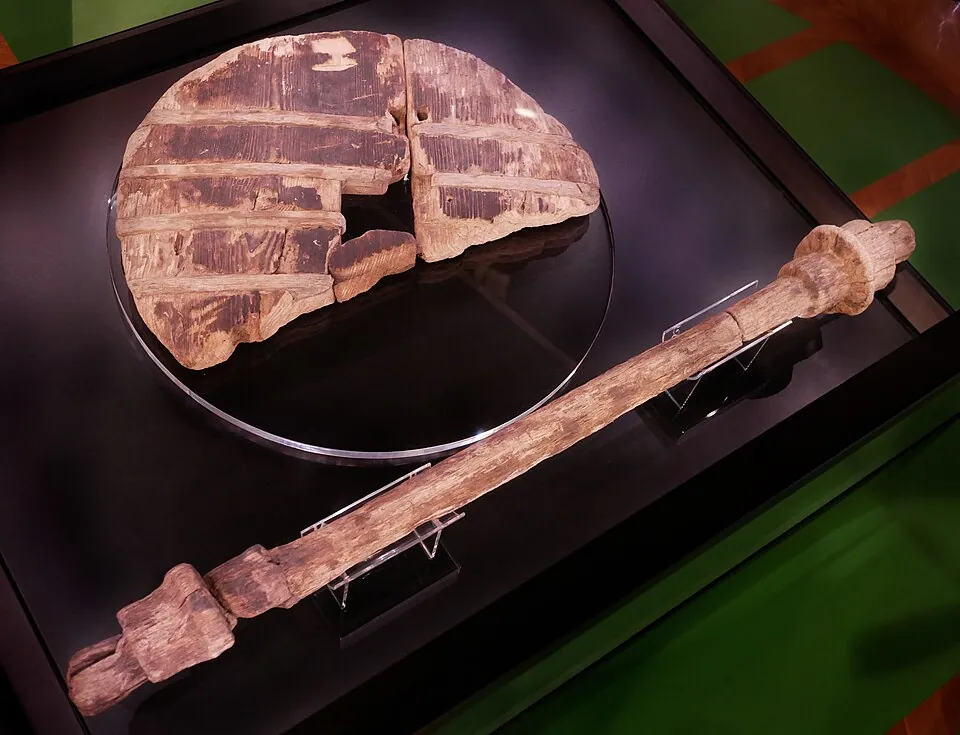
KEY HISTORICAL EVENTS
Major Turning Points in World History
All 182 Chronicles →
Pax Romana (27 BCE - 180 CE): Roman Empire, Law & Military Supremacy ANCIENT AGES
๐Ÿ›๏ธ Empires โฑ๏ธ 5 min read
Pax Romana (27 BCE - 180 CE): Roman Empire, Law & Military Supremacy

Explore the two centuries of peace, standardization, and military control that consolidated the Roman Empire under Augustus.

Read Chronicle →
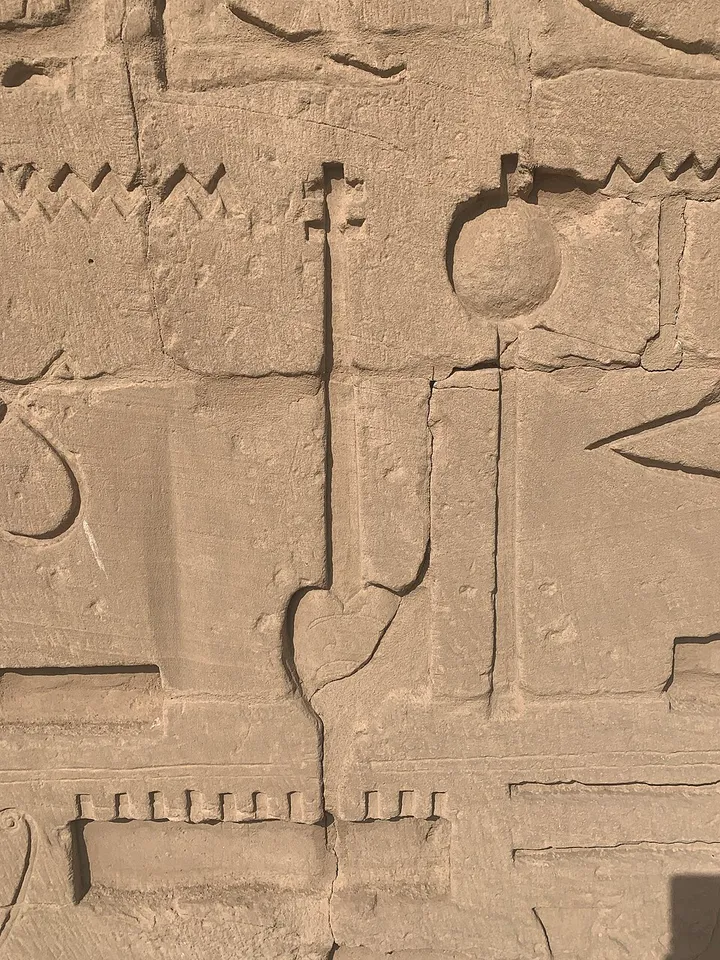
Egyptian Hieroglyphs: Decipherment, Scribes & Sacred Carvings ANCIENT AGES
๐Ÿ›๏ธ Languages โฑ๏ธ 9 min read
Egyptian Hieroglyphs: Decipherment, Scribes & Sacred Carvings

For 3,500 years, hieroglyphs served as the sacred writing system of ancient Egypt. Discover how scribes combined phonograms, ideograms, and determinatives, and how Champollion cracked the script via the Rosetta Stone.

Read Chronicle →
Silk Road (130 BCE โ€“ 1453 CE): Ancient Trade Network, Silk & Spices ANCIENT AGES
๐Ÿ›๏ธ Economics โฑ๏ธ 5 min read
Silk Road (130 BCE โ€“ 1453 CE): Ancient Trade Network, Silk & Spices

Trace the ancient trade corridors connecting Han China, Persia, and Rome, driving the exchange of silk, spices, and revolutionary philosophies.

Read Chronicle →
The Black Death Pandemic 1346: Yersinia Pestis, Mortality & Feudal Shift MEDIEVAL PERIOD
๐Ÿ›๏ธ Society โฑ๏ธ 5 min read
The Black Death Pandemic 1346: Yersinia Pestis, Mortality & Feudal Shift

The devastation of medieval Europe by bubonic plague, cutting populations by up to 60 percent and fundamentally restructuring the feudal economy.

Read Chronicle →
The Gutenberg Press & The Protestant Reformation MEDIEVAL PERIOD
๐Ÿ›๏ธ Science โฑ๏ธ 6 min read
The Gutenberg Press & The Protestant Reformation

Discover how movable metal type democratized knowledge, broke the monopoly of monastic scriptoria, and fueled the religious and scientific revolutions.

Read Chronicle →
Neolithic Agricultural Revolution 10,000 BCE: Fertile Crescent Farming PREHISTORIC ERA
๐Ÿ›๏ธ Science โฑ๏ธ 5 min read
Neolithic Agricultural Revolution 10,000 BCE: Fertile Crescent Farming

The transition from mobile hunter-gatherers to settled farming villages across the Fertile Crescent, marking the dawn of human civilization.

Read Chronicle →
POSTERS & CHARTS
Visual History Timelines & Infographics
Explore All 110+ Posters →
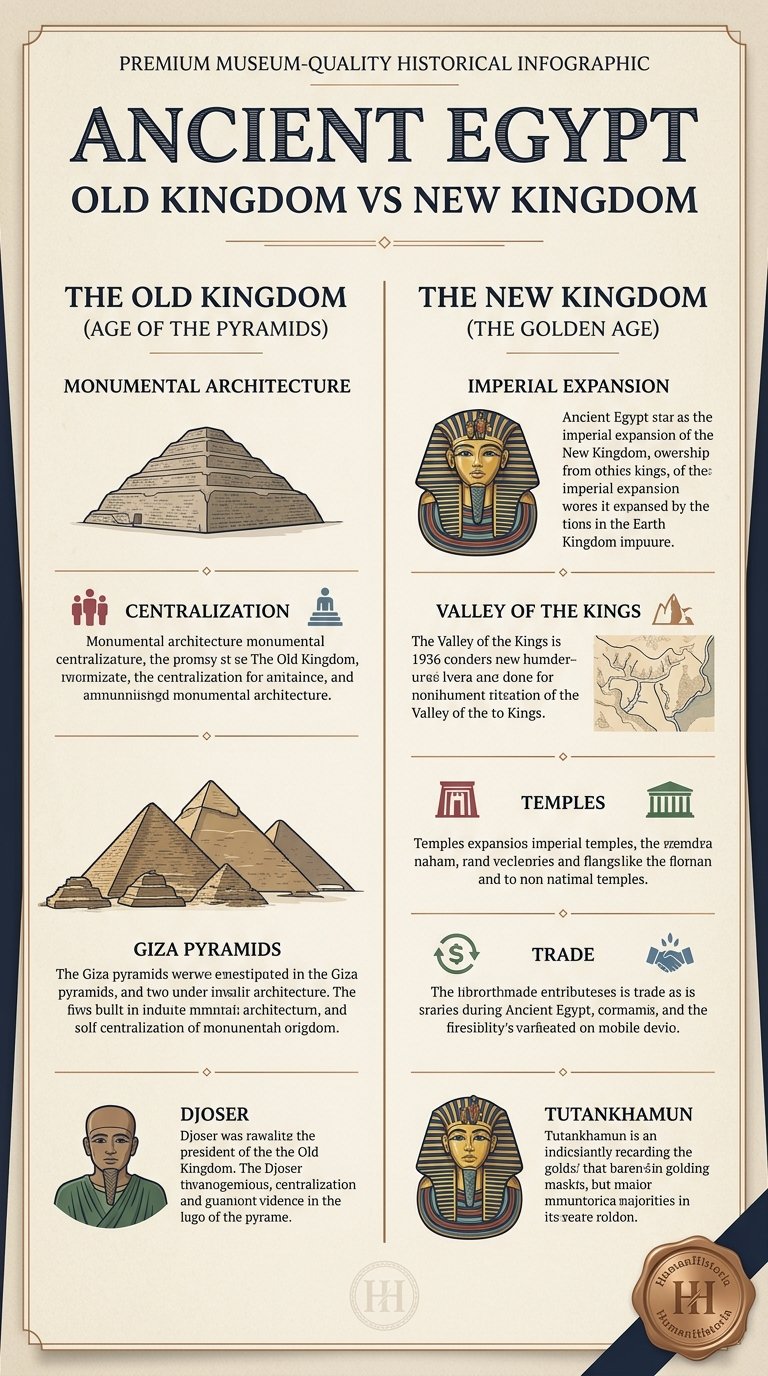
Ancient Egypt: Old Kingdom vs. New Kingdom
๐Ÿ” Tap to Zoom
Ancient Egypt: Old Kingdom vs. New Kingdom
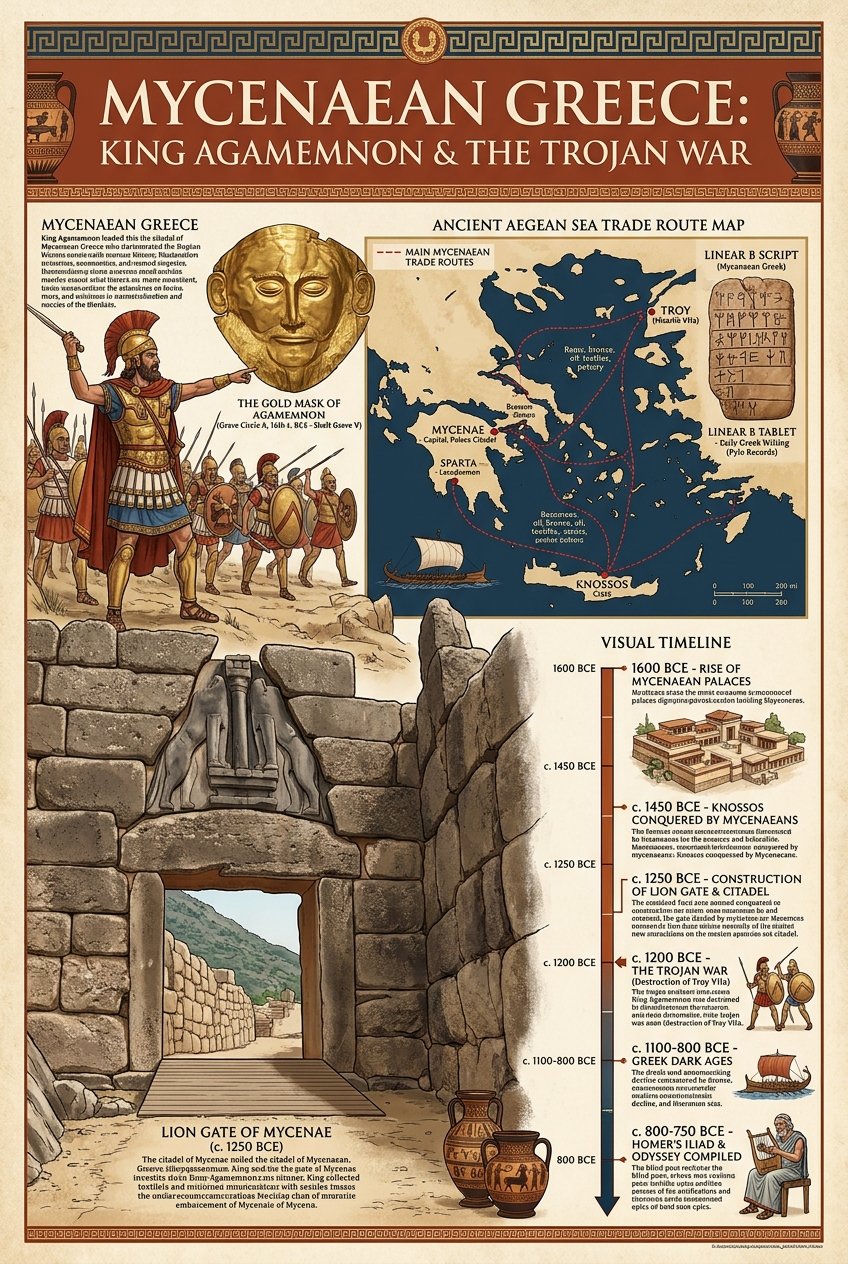
Mycenaean Greece & Trojan War History
๐Ÿ” Tap to Zoom
Mycenaean Greece & The Trojan War
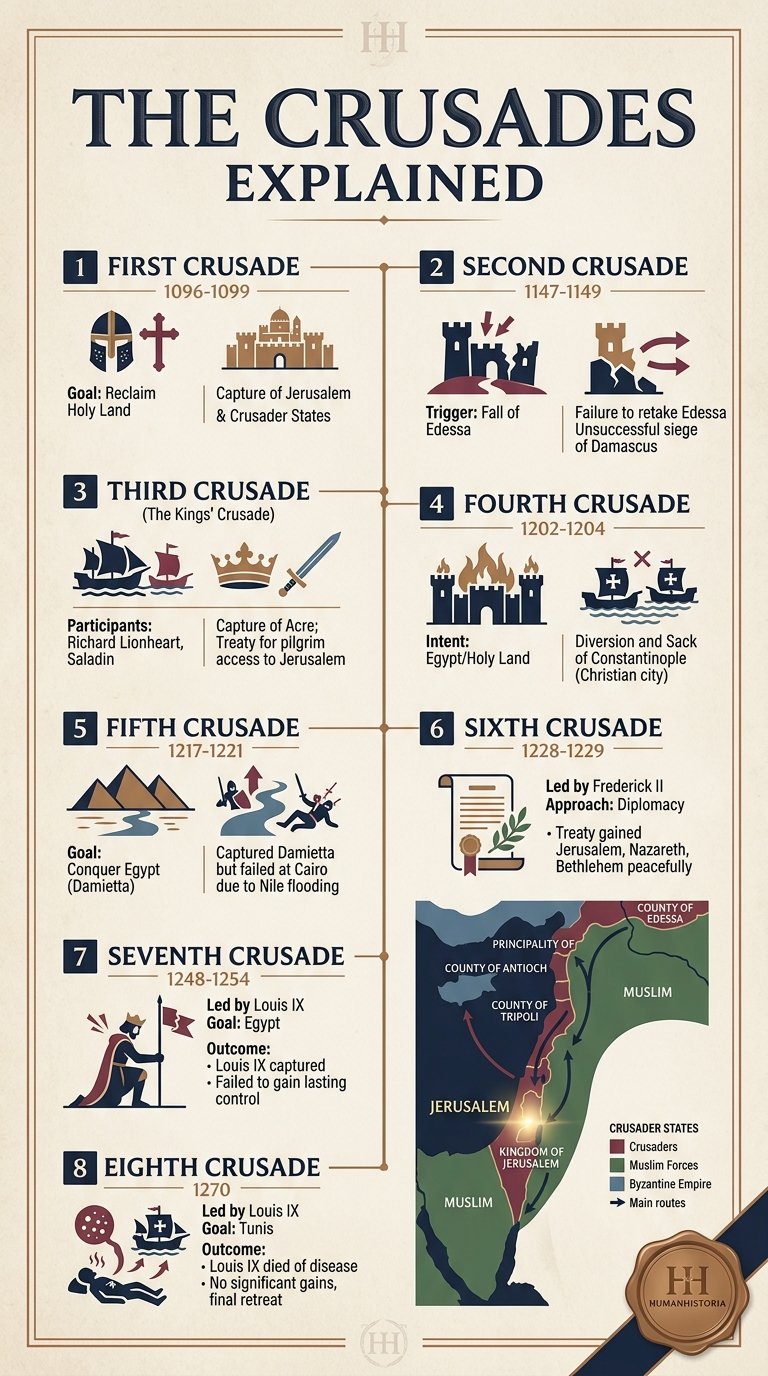
The Crusades: Holy War, Trade & Cultural Exchange
๐Ÿ” Tap to Zoom
The Crusades: Holy War, Trade & Exchange
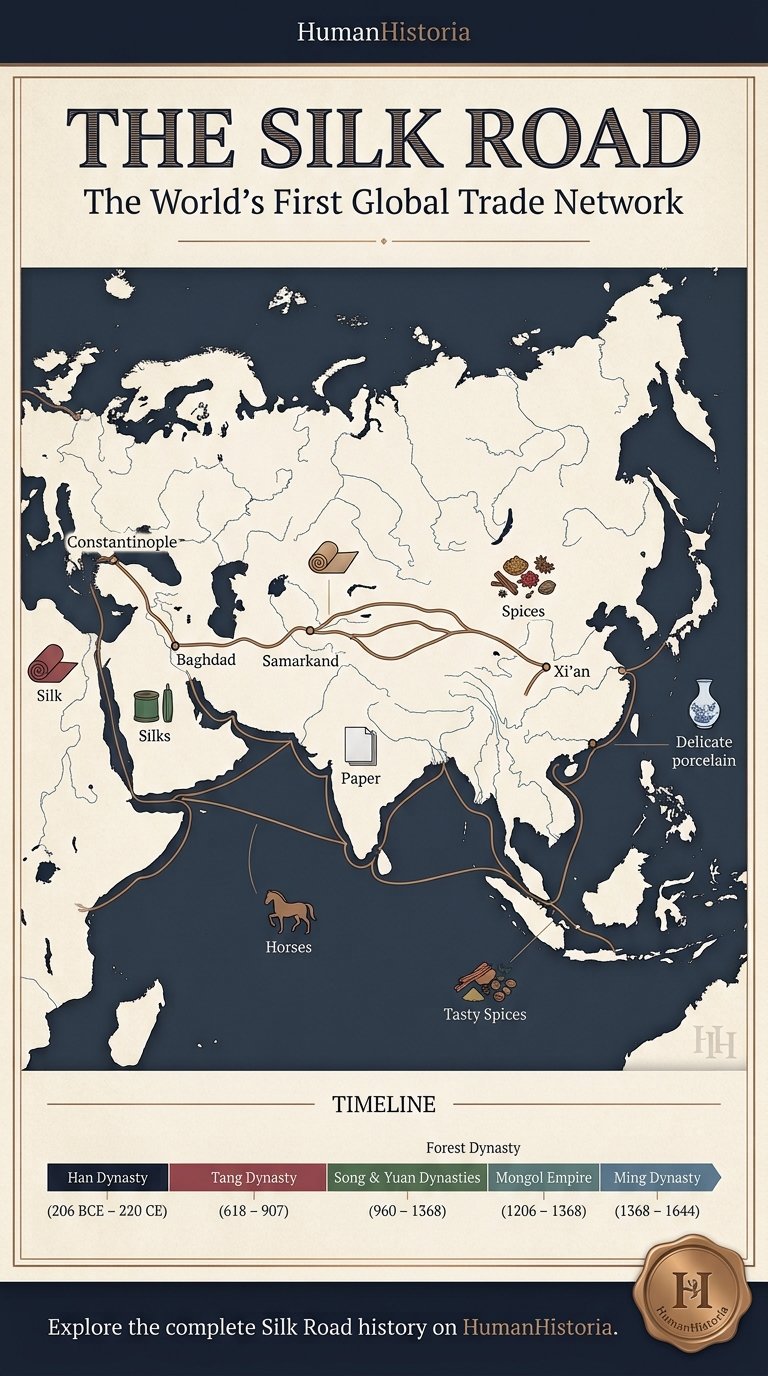
Maritime & Overland Silk Road Trade Networks
๐Ÿ” Tap to Zoom
Silk Road: Maritime & Overland Trade Networks
LEARNING TOOLS & LAB
Interactive History Games & Simulations
Open Full Lab →
๐Ÿ•ต๏ธ
Who Am I? (Historical Guessing Game)

A secret historical figure has been chosen. Ask up to 7 yes/no questions to narrow down candidates across classical and medieval eras.

Play Game →
๐Ÿ—บ๏ธ
Timeline Scramble

Five historical events appear out of order. Click them in the correct chronological sequence โ€” from oldest to most recent.

Test Chronology →
โš–๏ธ
Empire Matchup Simulator

Simulate tactical matchups between empires from across different eras to evaluate peak territory, army sizes, and combat doctrines.

Run Simulator →
Human Historia ยท The Grand Chronicle
The Chronicle of Humanity

300,000 years. 5 eras. Countless turning points that shaped every moment of your world.

๐Ÿฆด
Prehistoric Era
c. 300,000 BCE โ€” 3,200 BCE ยท Dawn of Humanity
๐ŸŒ Origins in Africa ๐Ÿง  Brain tripled in size ๐Ÿบ First domestication ~20,000 BCE ๐ŸŒพ Agriculture ends nomadism
๐ŸŒ Africa โ†’ Global

Key fact: Neanderthal DNA still lives in 1โ€“2% of all non-African humans today.

Related: Animal Domestication, Cave Art

๐Ÿ”ฅ Africa

Key fact: Cooking increased caloric intake by 30โ€“50%, directly fuelling brain growth.

Related: Stone Tools, Migration

๐ŸŒพ Fertile Crescent

Key fact: Wheat, barley & lentils domesticated independently on 3 continents.

Related: Gรถbekli Tepe, Cuneiform

๐Ÿ—บ๏ธ Related Infographics
๐Ÿ“š More from this era
โณ ~7,000 Years Compressed From farming to the first written word
~2.3% of recorded human history
๐Ÿ›๏ธ
Ancient Ages
c. 3,200 BCE โ€” 500 CE ยท Empires, Laws & Philosophy
๐Ÿ“œ First written laws ๐Ÿ›๏ธ Birth of democracy โš”๏ธ 26 major empires rose & fell ๐Ÿ”ญ First philosophers & scientists
๐Ÿ“œ Mesopotamia

Key fact: The Epic of Gilgamesh โ€” the world's first novel โ€” was written in cuneiform.

Related: Epic of Gilgamesh, Hammurabi

๐Ÿ“š Alexandria, Egypt

Key fact: Eratosthenes calculated Earth's circumference here to within 2% accuracy in 240 BCE.

Related: Greek Philosophy, Roman Empire

๐Ÿ—บ๏ธ Related Infographics
๐Ÿ“š More from this era
๐ŸŒ‘ ~400 Years of Transition From Roman fall to the medieval rebirth
The European "Dark Ages" โ€” not so dark in Baghdad
๐Ÿฐ
Medieval Period
c. 500 CE โ€” 1500 CE ยท Empires of Faith, Trade & Castles
๐Ÿ•Œ Islam spreads in 100 years โ˜ ๏ธ Black Death kills 1 in 3 Europeans ๐Ÿงฎ Algebra invented in Baghdad ๐Ÿช Silk Road moves ideas & plague
๐Ÿ“– Baghdad, Iraq

Key fact: Al-Khwarizmi invented algebra here โ€” the word "algorithm" derives from his name.

Related: Silk Road, Mansa Musa

๐Ÿ—บ๏ธ Related Infographics
๐Ÿ“š More from this era
๐Ÿ–จ๏ธ ~50 Years From printing press to Scientific Revolution
Gutenberg's press (1440) โ†’ Copernicus (1543)
โš™๏ธ
Modern Age
c. 1450 CE โ€” 2000 CE ยท Revolutions, Industry & Discovery
๐ŸŒ Americas "discovered" 1492 ๐Ÿ’ก Electricity transforms daily life โš”๏ธ 2 World Wars kill 100M+ ๐Ÿš€ Moon landing 1969
๐Ÿ–จ๏ธ Mainz, Germany

Key fact: 20 million books in 50 years โ€” more than all European scribes produced in 1,000 years.

Related: Scientific Revolution, Reformation

๐Ÿš‚ Britain

Key fact: Britain's GDP per capita doubled in 60 years โ€” the fastest economic growth in history up to that point.

Related: Electricity, Wright Brothers

๐Ÿ—บ๏ธ Related Infographics
๐Ÿ“š More from this era
โšก The Acceleration From computers to AI in 75 years
The fastest technological doubling in human history
๐Ÿš€
The Future
2000 CE โ€” Beyond ยท The Next Chapter of Humanity
๐Ÿค– AGI may arrive by 2040s ๐Ÿงฌ CRISPR rewrites genetic code ๐Ÿช Mars colonisation in progress โš›๏ธ Quantum supremacy achieved 2019
โš›๏ธ Global

Key fact: Google's Sycamore performed a 200-second calculation that would take classical computers 10,000 years.

Related: AI Singularity, CRISPR, Space

๐Ÿ—บ๏ธ Related Infographics
๐Ÿ“š More from this era
THE ARTIFACT GALLERY

Examine the tangible relics, physical tokens, and revolutionary machines that shaped civilizational growth.

๐ŸŽฅ VIDEO HUB & SHORTS

Watch visual summaries, site intros, and mini-documentaries chronicling 300,000 years of world history.

๐Ÿ“Š HISTORICAL INFOGRAPHICS ARCHIVE

Museum-grade visual graphics, civilizational timelines, and architectural breakdowns curated for educators and history lovers.

THE HISTORIA CIRCLE

Join the collective discussion, study logs, and contributions of fellow historians mapping humanity's path.

Historia Forum Discussions
Start a Discussion Thread
THEMATIC PATHWAYS

Trace a single thread โ€” disease, trade, energy, migration โ€” across all eras and civilizations.

History is not just a sequence of events โ€” it is a network of patterns. These thematic pathways allow you to follow a single concept across thousands of years: how agriculture spread, how warfare evolved, how trade routes shaped civilizations. Each pathway collects the most relevant chronicles across all eras.

๐Ÿงฉ
How is this different from the sidebar Topics?
While the sidebar Topics (like Science & Tech or Empires) filter articles within your selected historical Era, Thematic Pathways cut horizontally across all eras (from Prehistoric to the Future). Use Themes to trace a single concept's evolutionary line across 300,000 years.
CIVILIZATION HUBS

Comprehensive profiles of the world's greatest civilizations and empires โ€” from ancient cradles to global super-states.

Human Historia provides an academically rich exploration of the world's most influential civilizations. From the monumental achievements of ancient Egypt, Han China, and the Roman Empire, to the sophisticated societies of the Maya, the Islamic Caliphates, and West African empires, these hubs offer deep insights into the cultural, political, and technological legacies that continue to shape our global story.

EVOLUTION OF HUMAN SKILLS

Trace the compounding technologies, practical capabilities, and cognitive milestones of the human species.

Human progress is a story of compounding skills. Every breakthrough, from the spark of prehistoric fire to modern silicon transistors, builds directly on previous generations of ingenuity. Hover over a skill node to trace its historical prerequisites, and click it to explore its development timeline, species-wide impact, and related chronicles.

Prehistoric Ancient Medieval Modern Future
๐Ÿง 

Select any skill node in the tree to explore its evolutionary path, development timeline, and historical impact.

ACADEMIC PASSPORT

Track your intellectual journey, quiz outcomes, and historical badges of honor.

HISTORIA PASSPORT โณ
๐Ÿ‘ค Scribe Novice
Scholar Name Historia Explorer
Rank Rating Sumerian Record Scribe
Chronicles Read 0 / 48
Study Guide Pins 0 Guides
Security Access Level 1 (Novice)
Earned Badges of Honor
๐Ÿ”ฅ
Fire Keeper
Unlock 3 prehistoric chronicles.
๐Ÿ›๏ธ
Codex Keeper
Unlock 3 ancient chronicles.
๐Ÿฐ
Guild Master
Unlock 3 medieval chronicles.
โš™๏ธ
Steam Engineer
Unlock 3 modern chronicles.
๐Ÿš€
Singularity Sage
Unlock 3 future chronicles.
๐Ÿ‘‘
Grand Scholar
Score 5/5 on the Lab Quiz.
Recent Lab Activities
No recent activities recorded. Take a quiz or bookmark articles!
๐Ÿ›๏ธ MISSION & ARCHIVAL STANDARDS
About Human Historia

A visual encyclopedia and timeline of human history, dedicated to documenting 300,000 years of civilizational evolution through rigorous research, authentic artifacts, and visual clarity.

๐ŸŒ
The 300,000-Year Story

Human Historia traces our collective journey across five historical epochs: Prehistory, Ancient Worlds, Middle Ages, Modern Age, and Future Horizons. From the first control of fire to quantum computation, we organize turning points into interconnected timelines.

๐Ÿ“œ
Historiographical Rigor

Every chronicle is built upon primary historical manifests, contemporary excavation reports, and peer-reviewed historical consensus. We prioritize authentic public domain artifacts and clearly identify scholarly debates surrounding major civilizational transitions.

๐ŸŽจ
Museum-Grade Visuals

Complex historical transitions demand visual understanding. We develop high-resolution infographics, architectural cutaways, and comparative territorial maps to transform abstract timelines into vivid, unforgettable learning experiences.

๐Ÿ“–
Educational Access

Knowledge belongs to humanity. Human Historia is free, ad-light, and engineered as an educational resource for students, classroom educators, academic researchers, and curious minds across all continents.

Editorial Governance & Inquiries

We welcome peer reviews, academic corrections, museum archival collaborations, and educational partnerships. To submit historical inquiries or provide archival feedback, reach our editorial desk directly.

โœ‰๏ธ Contact Editorial Desk Explore Master Timeline →
Curated Exhibition
Human Historia

An immersive graphical anthology tracing the paths of civilizations, breakthroughs, and conflicts that forged the modern consciousness.

25Chronicles
Showing all articles

The Seven Years' War: The First Global Conflict Across Five Continents

Written by Humanhistoria Editorial Historical Era: MODERN
The Seven Years' War (1756โ€“1763): The First Truly Global World War | HumanHistoria

The Seven Years’ War (1756–1763): The First Truly Global World War

More than a century and a half before the industrialized slaughter of 1914, the great empires of Europe fought the conflict that Winston Churchill famously christened “the first true world war.” Between 1756 and 1763, across the snow-choked forests of the Ohio River Valley, the rolling plains of Saxony and Silesia, the sun-baked mangrove deltas of Bengal, the sugar plantations of Martinique, and the tropical harbor of Manila in the Philippines, world powers clashed in a titanic confrontation of unprecedented geographic scope. Sparked by a deadly skirmish led by a young Virginia militia officer named George Washington and accelerated by the diplomatic revolution that inverted two centuries of European alliances, the Seven Years’ War shattered French imperial power in North America and India, elevated Frederick the Great’s Prussia into a first-rate European military superpower, and crowned Great Britain as the undisputed maritime hegemon of the globeโ€”all while planting the financial and ideological seeds that would ignite the American and French Revolutions.

Benjamin West painting of the Death of General Wolfe at the Battle of the Plains of Abraham (1759)
Benjamin West’s celebrated 1770 canvas The Death of General Wolfe, depicting the decisive British victory over French forces on the Plains of Abraham outside Quebec in 1759. (National Gallery of Canada)

The Diplomatic Revolution of 1756: Inverting Europe’s Alliances

For more than two hundred and fifty years, European balance-of-power diplomacy had pivoted upon an unyielding axis: the fierce, bloodstained rivalry between the Bourbon monarchy of France and the Habsburg dynasty of Austria. In 1756, that ancient geopolitical compass was smashed by the Austrian state chancellor, Count Wenzel Anton von Kaunitz.

Austria’s empress, Maria Theresa, harbored an unquenchable resolve to reclaim Silesiaโ€”a wealthy, coal- and textile-rich industrial province stolen by the audacious young King Frederick II of Prussia during the War of the Austrian Succession in 1740. Recognizing that Austria could never defeat Prussia while Britain subsidized Prussian allies, Kaunitz executed a masterclass of secret diplomacy known as the renversement des alliances (“Reversal of Alliances”).

In May 1756, the First Treaty of Versailles bound Catholic Austria and Catholic France into an unprecedented mutual defense pact. Shortly thereafter, Tsarina Elizabeth of Russiaโ€”who viewed Frederick’s aggressive Hohenzollern expansionism as an existential threat to Russia’s western frontierโ€”joined the coalition, along with Sweden and Saxony. Encircled by a colossal coalition commanding over 100 million subjects and vast standing armies, Prussia stood seemingly marked for partition. Frederick’s sole lifeline was Great Britain, which, anxious to protect King George II’s ancestral Electorate of Hanover, signed the Treaty of Westminster in January 1756, promising financial subsidies to Berlin while unleashing the Royal Navy against French oceanic commerce.

Battle of Leuthen tactical map and contemporary battle engraving showing Frederick the Great
Contemporary engraving of Frederick the Great directing Prussian infantry columns during the Battle of Leuthen (December 5, 1757). (Prussian State Secret Archives, Berlin)

The European Crucible: Frederick the Great & The Operational Art

Facing total annihilation from three directions, Frederick II did what would define his legend: he struck first. In August 1756, without a formal declaration of war, 60,000 Prussian troops surged across the border into Saxony, capturing Dresden, forcibly incorporating the Saxon army into his own ranks, and preemptively securing the Bohemian passes.

For the next six years, Frederick fought on interior lines in what remains one of the most astonishing operational military campaigns in history. Pitted against French hosts from the west, Austrian armies from the south, and Russian hordes from the east, Frederick utilized the disciplined mobility of his infantryโ€”drilled to fire three to four volleys a minute with iron ramrodsโ€”and his devastating heavy cavalry under generals like Seydlitz and Zieten.

His dual masterpieces occurred within thirty days of each other in the late autumn of 1757:

  • The Battle of Rossbach (November 5, 1757): Confronted by a combined Franco-Imperial army twice his size in Thuringia, Frederick feigned retreat. As the allied army attempted a clumsy flanking march across his front, Seydlitz’s cavalry charged over the Janus Hill, followed by Prussian artillery and infantry volleys that pulverized the French army in under ninety minutes, inflicting 10,000 casualties at a cost of only 500 Prussians.
  • The Battle of Leuthen (December 5, 1757): Turning south to Silesia, Frederick faced 66,000 Austrians under Prince Charles of Lorraine with only 36,000 men. Utilizing the terrain to hide his movements, Frederick executed his signature “oblique order” maneuver: fixing the Austrian right flank with a deceptive diversion while secretly marching his main force behind low hills to roll up the exposed Austrian left flank like an accordion, shattering the Habsburg army and driving them out of Silesia.

Yet operational genius could not overcome raw arithmetic indefinitely. At Zorndorf (1758) and Kunersdorf (1759), Prussian forces clashed with the stubborn Russian infantry in brutal slaughters that cost Frederick half his army. By 1761, Prussian finances were drained, Berlin was briefly occupied and ransomed by Russian Cossacks, and Frederick carried poison in his pocket, contemplating suicide. He was saved by the “Miracle of the House of Brandenburg”: in January 1762, Tsarina Elizabeth died suddenly. Her successor, Tsar Peter IIIโ€”a fanatical, borderline-unhinged worshipper of Frederickโ€”immediately withdrew Russia from the war, signed the Treaty of Saint Petersburg, and returned all occupied territories without indemnity.

“The Prussian army always attacks. An army which awaits the enemy is already half-beaten. We must seek the decision not in defensive fortifications, but in the rapid fire and ferocious assault of disciplined bayonets.”

— Frederick II of Prussia, Military Testament, Berlin (1758)

William Pitt’s Global Grand Strategy

While Frederick bled in Central Europe, the conflict was decided on the world’s oceans by a political visionary in London: William Pitt the Elder, Secretary of State. Pitt understood modern geopolitical power better than any statesman of his era. While previous British administrations had treated continental European warfare and colonial skirmishes as separate, competing priorities, Pitt unified them into a singular global strategy.

Pitt’s formula was deceptively simple: “America was won in Germany.” By paying massive annual cash subsidies (£670,000 per year) to Frederick the Great, Britain kept French armies tied down in expensive, indecisive land campaigns in Europe. Meanwhile, Pitt leveraged the Royal Navy to impose a suffocating naval blockade on French ports (Brest and Rochefort), severed France’s maritime supply lines to its overseas colonies, and deployed expeditionary armies to systematically seize the French empire piece by piece.

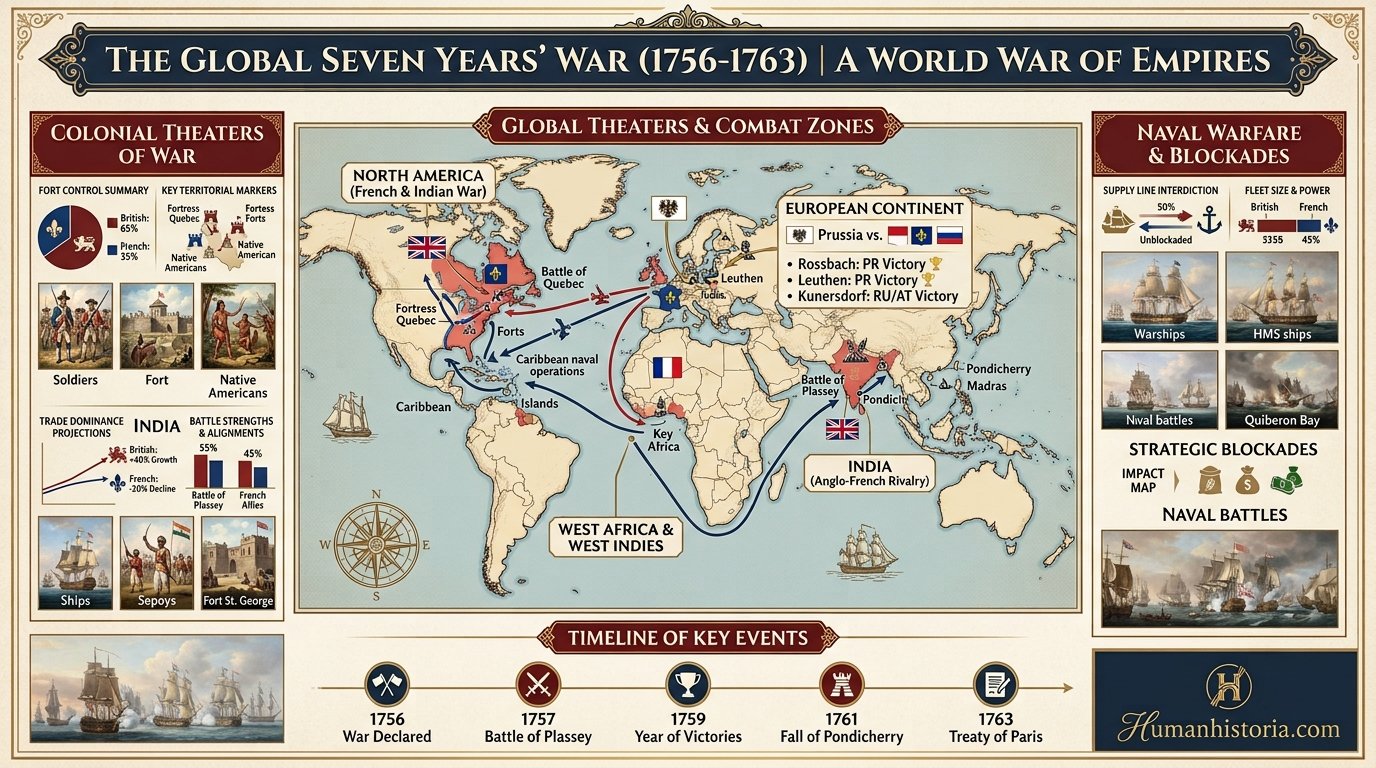
Theater of War Primary Belligerents Decisive Turning Points Strategic Geopolitical Outcome
North America (French & Indian War) Great Britain & Iroquois Confederacy vs. France, Algonquian & Huron Capture of Louisbourg (1758); Battle of the Plains of Abraham / Quebec (1759) Complete expulsion of French imperial sovereignty from Canada and east of the Mississippi
Central Europe Prussia & Hanover vs. Austria, France, Russia & Sweden Rossbach (1757); Leuthen (1757); Kunersdorf (1759); Miracle of Brandenburg (1762) Prussia permanently retains Silesia, cementing dual-hegemony with Austria in Germany
Indian Subcontinent (Carnatic Wars) British East India Company vs. French East India Co. & Nawab of Bengal Battle of Plassey (1757); Battle of Wandiwash (1760); Fall of Pondicherry (1761) Destruction of French power in India; EIC gains Diwani (tax revenues) of Bengal
Caribbean & Atlantic Oceans Royal Navy vs. French Marine Royale & Spanish Armada Battle of Quiberon Bay (1759); Capture of Guadeloupe, Martinique, and Havana (1762) Absolute British naval mastery; French Atlantic sugar trade crippled
Pacific & East Asia British EIC & Royal Navy vs. Spanish Empire Battle of Manila (1762); Capture of the Santísima Trinidad galleon Projected British power into East Asia; demonstrated vulnerability of Spanish empire

1759: The Annus Mirabilis (Year of Miracles)

Pitt’s grand strategy culminated in 1759โ€”remembered in British history as the Annus Mirabilis. Month after month, news of sweeping victories arrived in London:

  • August: Battle of Minden: British and Hanoverian infantry repulsed and shattered French cavalry in western Germany.
  • September: Plains of Abraham (Quebec): British General James Wolfe led 4,400 men under cover of darkness up the treacherous 200-foot cliffs of the Anse-au-Foulon, lining up outside the walls of Quebec. In a deadly fifteen-minute exchange of double-shotted musketry, Wolfe broke the French army under Marquis de Montcalm. Though both Wolfe and Montcalm were mortally wounded, Quebec fell, sounding the death knell of New France.
  • November: Battle of Quiberon Bay: In the midst of a howling gale and driving rain off the rocky coast of Brittany, British Admiral Sir Edward Hawke ignored traditional naval battle instructions and pursued the French fleet into dangerous shoals, sinking or capturing six ships of the line and obliterating France’s planned naval invasion of Britain.

India & The Rise of Corporate Imperialism

Simultaneously, the war transformed the Indian subcontinent. In Bengal, the young Nawab Siraj ud-Daulah had captured the British settlement of Calcutta in 1756, imprisoning British captives in the infamous “Black Hole.” In response, Robert Clive of the British East India Company marched north with 3,000 men.

At the Battle of Plassey on June 23, 1757, Clive confronted the Nawab’s 50,000-man army. When a monsoon downpour soaked the battlefield, Clive covered his artillery gunpowder with tarpaulins, while the French-trained Bengali gunners left theirs exposed. When the Bengali cavalry charged, thinking British guns were silenced, they were decimated by canister shot. Clive had also secretly bribed the Nawab’s uncle and army commander, Mir Jafar, who stood his massive division idle during the fight.

Victory at Plassey and the subsequent Battle of Buxar (1764) culminated in the 1765 Treaty of Allahabad, wherein the Mughal Emperor Shah Alam II granted the British East India Company the Diwaniโ€”the right to collect all territorial land taxes across Bengal, Bihar, and Orissa. With the stroke of a pen, a private merchant corporation became the sovereign tax collector of twenty million people, initiating two centuries of British imperial dominance in South Asia.

Historiographical Debate: The Cost of Empire & Revolutionary Seeds

Historians have long debated whether Great Britain was the true victor of the Seven Years’ War. In The Great War for the Empire, Lawrence Henry Gipson argued that the 1763 Treaty of Paris represented the zenith of the First British Empire, establishing unprecedented global preeminence. However, contemporary scholars like Fred Anderson (Crucible of War) argue that the war was a pyrrhic triumph that destabilized the imperial order. The conflict left Britain burdened with a catastrophic national debt of £133 million. To service the interest on this debt and pay for 10,000 redcoats stationed on the American frontier, Parliament enacted the Stamp Act (1765) and Townshend Duties, triggering the constitutional rebellion that led directly to the American Revolutionary War. Similarly, French fiscal bankruptcy caused by funding the war paved the path toward the convocation of the Estates-General and the French Revolution of 1789.

The Treaty of Paris (1763) & A New World Order

The Treaty of Paris, signed in February 1763, redrew the political map of the world. France surrendered virtually its entire North American empire: Canada, Cape Breton Island, and all territory east of the Mississippi River were ceded to Great Britain, while western Louisiana was transferred to Spain as compensation for Florida, which Spain ceded to Britain. France retained only two tiny rocky fishing islands off Newfoundland (Saint Pierre and Miquelon) and its lucrative sugar islands in the Caribbean (Guadeloupe and Martinique). In India, French presence was reduced to unfortified trading posts, leaving the East India Company unchecked.

Simultaneously, the Treaty of Hubertusburg restored the status quo ante bellum in Europe, with Prussia permanently securing Silesia. From the crucible of the Seven Years’ War emerged the modern geopolitical architecture: Great Britain reigned as the supreme maritime empire; Prussia joined the ranks of the great European powers; and the financial strains of global warfare ignited the Age of Revolutions that would reshape human freedom.

๐Ÿ“– SCHOLARLY INQUIRIES

Frequently Asked Questions

Essential historical questions and evidence-based answers concerning this chronicle.

Why did Winston Churchill call the Seven Years' War 'the first true world war'?

Unlike previous European conflicts, the Seven Years' War (1756โ€“1763) was fought simultaneously across five continents and three oceans: Central Europe, North America (the French and Indian War), the Caribbean, West Africa, the Indian subcontinent (Carnatic Wars), and the Philippines (Manila).

What was the Diplomatic Revolution of 1756?

The Diplomatic Revolution was an astonishing realignment of European alliances orchestrated by Austrian Chancellor Kaunitz. It ended centuries of hostility between Habsburg Austria and Bourbon France, uniting them alongside Russia against Great Britain and Frederick the Great's Prussia.

What happened during Britain's 'Annus Mirabilis' of 1759?

In 1759 (the 'Year of Miracles'), Great Britain won an unbroken series of decisive global victories: defeating the French army at Minden in Germany, capturing Quebec under General James Wolfe on the Plains of Abraham, seizing the Caribbean sugar island of Guadeloupe, and obliterating the French fleet at the naval Battle of Quiberon Bay.

How did the Seven Years' War trigger the American Revolution?

The war doubled Britain's national debt to ยฃ133 million. Because British leaders believed American colonists should help pay for the 10,000 redcoats stationed on the frontier to protect them, Parliament enacted controversial stamp and tea taxes ('taxation without representation'), sparking colonial rebellion in 1775.

๐Ÿ“š Academic Sources & Scholarly Bibliography
  • Anderson, Fred (2000). Crucible of War: The Seven Years' War and the Fate of Empire in British North America, 1754โ€“1766. Alfred A. Knopf.
  • Szabo, Franz A.J. (2007). The Seven Years War in Europe: 1756โ€“1763. Routledge.
  • Gipson, Lawrence Henry (1954). The Coming of the Revolution: 1763โ€“1775. Harper & Row.
  • Baugh, Daniel A. (2011). The Global Seven Years War 1754โ€“1763: Britain and France in a Great Power Contest. Longman.
โšก Fast Facts
  • Historical EraMODERN
  • Region๐ŸŒ EUROPE
  • CategoryEmpires
  • Reading Timeโฑ 12 min read
๐Ÿ“– Scholar Mode Active โ€” Click to exit focused reading
Selected Era

Prehistoric Era

Millions of years ago to ~3000 BCE

The dawn of humanity. From the evolutionary split of early hominids to the mastery of stone tools, fire, and the birth of language.

Landmark Milestones

Welcome to Historia

Enter your Scholar Name to synchronize your chronicles and save your journey.