~7,000 Years from farming to writing
๐Ÿ›๏ธ

Ancient Ages

c. 3,200 BCE โ€” 500 CE ยท Empires, Laws & Philosophy
~400 Years from Roman fall to medieval rebirth
๐Ÿฐ

Medieval Period

c. 500 CE โ€” 1500 CE ยท Empires of Faith, Trade & Castles
~50 Years from printing press to Scientific Revolution
โš™๏ธ

Modern Age

c. 1450 CE โ€” 2000 CE ยท Revolutions, Industry & Discovery
~50 Years from computers to quantum age

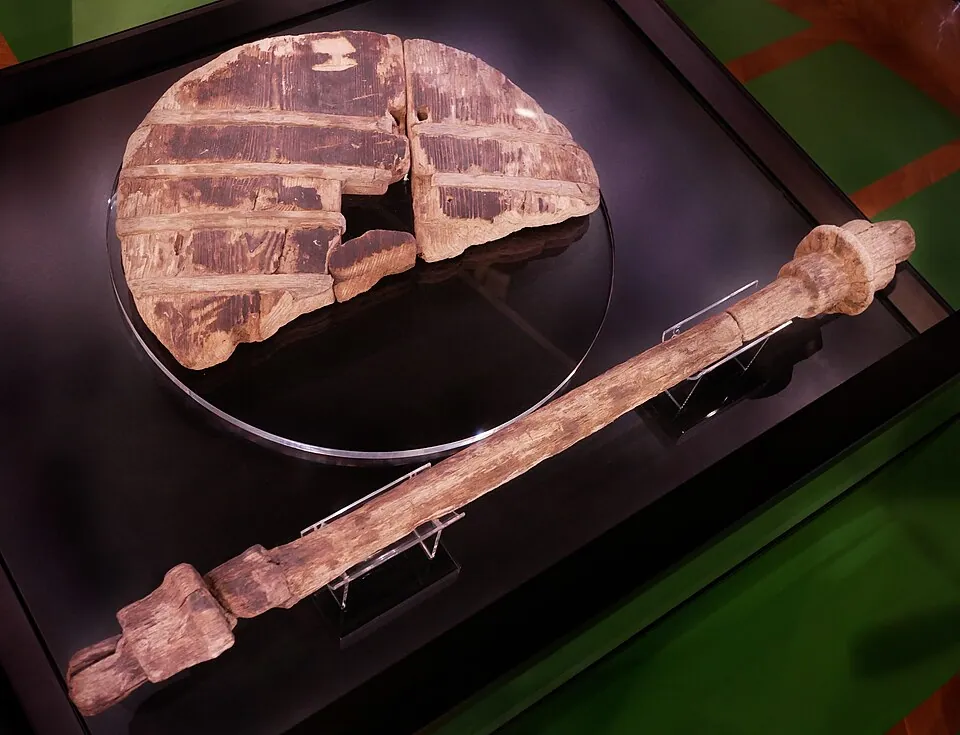
THE ARTIFACT GALLERY

Examine the tangible relics, physical tokens, and revolutionary machines that shaped civilizational growth.

๐ŸŽฅ VIDEO HUB & SHORTS

Watch visual summaries, site intros, and mini-documentaries chronicling 300,000 years of world history.

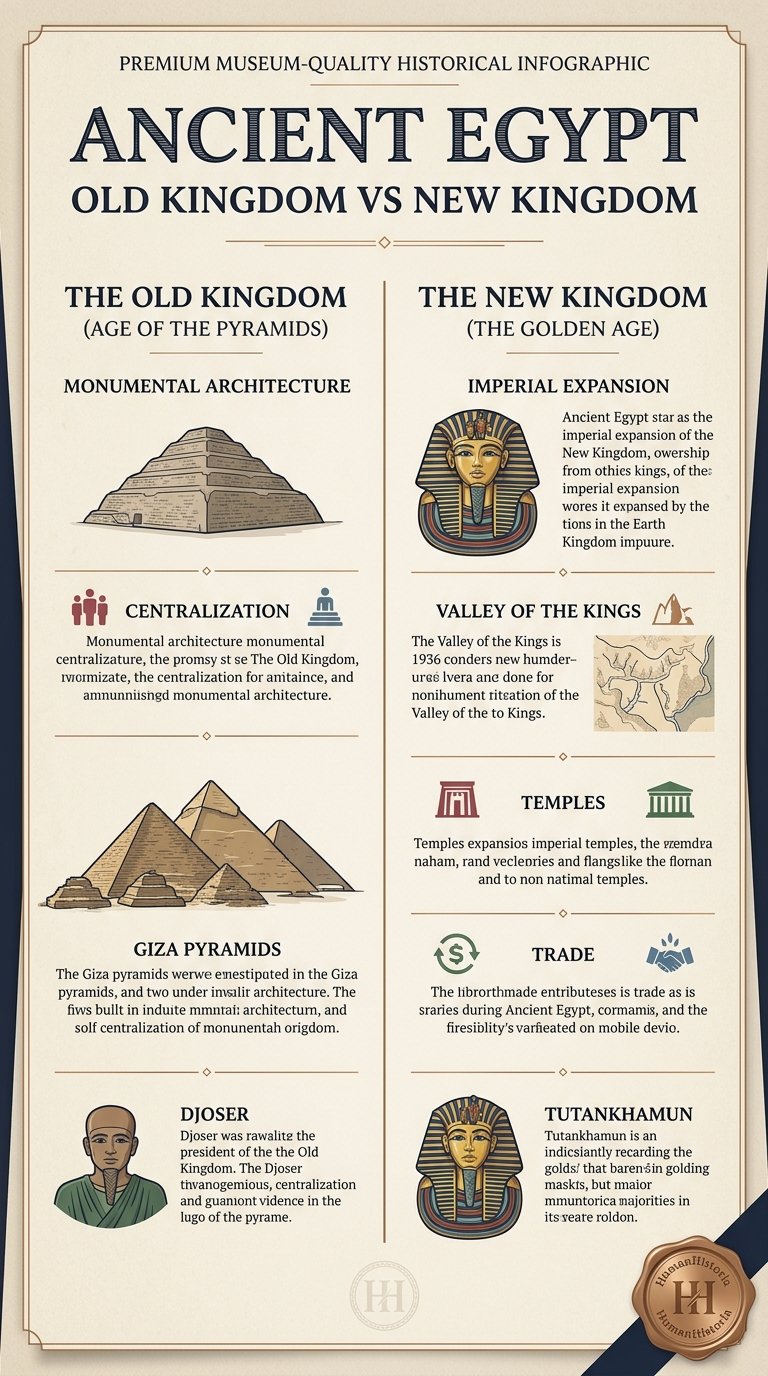
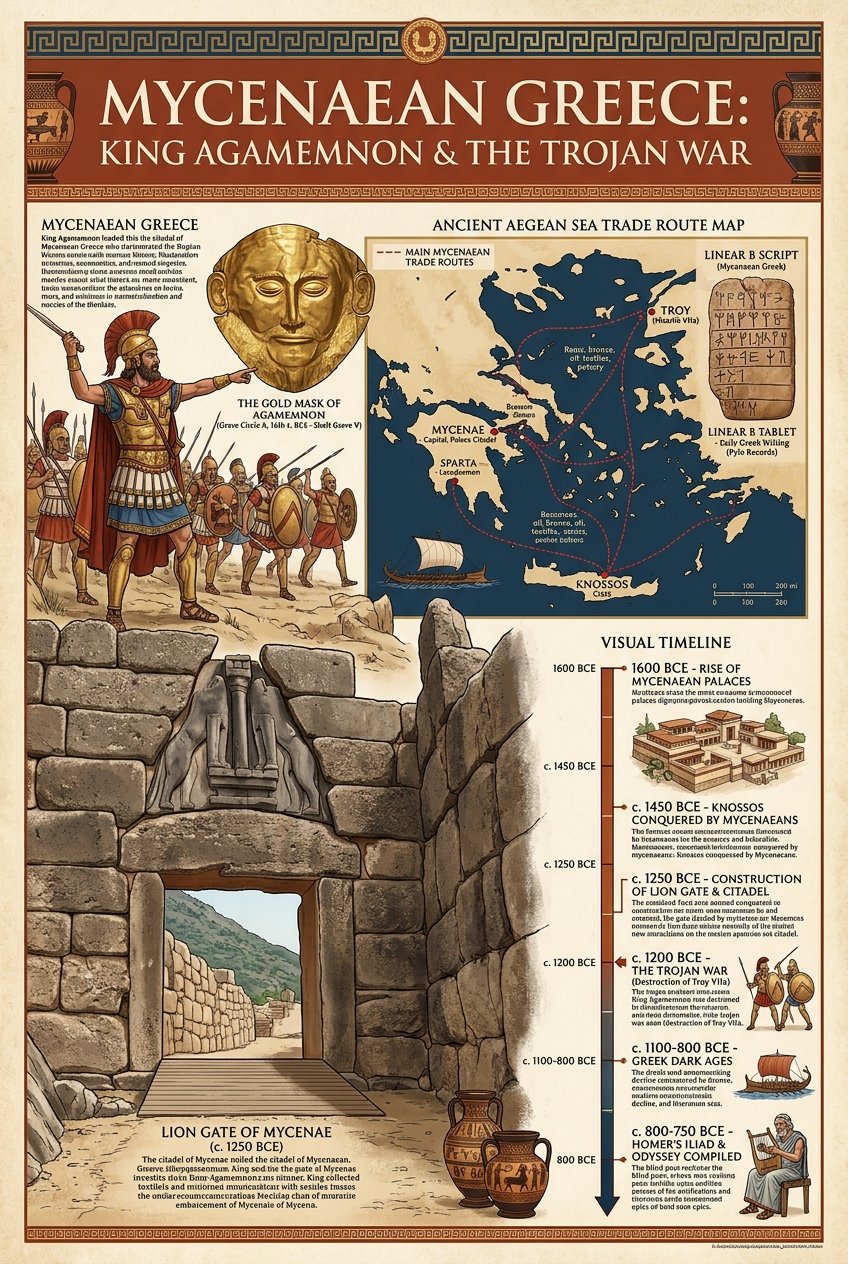
๐Ÿ“Š HISTORICAL INFOGRAPHICS ARCHIVE

Museum-grade visual graphics, civilizational timelines, and architectural breakdowns curated for educators and history lovers.

THE HISTORIA CIRCLE

Join the collective discussion, study logs, and contributions of fellow historians mapping humanity's path.

Historia Forum Discussions

Start a Discussion Thread

THEMATIC PATHWAYS

Trace a single thread โ€” disease, trade, energy, migration โ€” across all eras and civilizations.

History is not just a sequence of events โ€” it is a network of patterns. These thematic pathways allow you to follow a single concept across thousands of years: how agriculture spread, how warfare evolved, how trade routes shaped civilizations. Each pathway collects the most relevant chronicles across all eras.

๐Ÿงฉ
How is this different from the sidebar Topics?
While the sidebar Topics (like Science & Tech or Empires) filter articles within your selected historical Era, Thematic Pathways cut horizontally across all eras (from Prehistoric to the Future). Use Themes to trace a single concept's evolutionary line across 300,000 years.

CIVILIZATION HUBS

Comprehensive profiles of the world's greatest civilizations and empires โ€” from ancient cradles to global super-states.

Human Historia provides an academically rich exploration of the world's most influential civilizations. From the monumental achievements of ancient Egypt, Han China, and the Roman Empire, to the sophisticated societies of the Maya, the Islamic Caliphates, and West African empires, these hubs offer deep insights into the cultural, political, and technological legacies that continue to shape our global story.

EVOLUTION OF HUMAN SKILLS

Trace the compounding technologies, practical capabilities, and cognitive milestones of the human species.

Human progress is a story of compounding skills. Every breakthrough, from the spark of prehistoric fire to modern silicon transistors, builds directly on previous generations of ingenuity. Hover over a skill node to trace its historical prerequisites, and click it to explore its development timeline, species-wide impact, and related chronicles.

Prehistoric Ancient Medieval Modern Future
๐Ÿง 

Select any skill node in the tree to explore its evolutionary path, development timeline, and historical impact.

ACADEMIC PASSPORT

Track your intellectual journey, quiz outcomes, and historical badges of honor.
HISTORIA PASSPORT โณ
๐Ÿ‘ค Scribe Novice
Scholar Name Historia Explorer
Rank Rating Sumerian Record Scribe
Chronicles Read 0 / 48
Study Guide Pins 0 Guides
Security Access Level 1 (Novice)

Earned Badges of Honor

๐Ÿ”ฅ
Fire Keeper
Unlock 3 prehistoric chronicles.
๐Ÿ›๏ธ
Codex Keeper
Unlock 3 ancient chronicles.
๐Ÿฐ
Guild Master
Unlock 3 medieval chronicles.
โš™๏ธ
Steam Engineer
Unlock 3 modern chronicles.
๐Ÿš€
Singularity Sage
Unlock 3 future chronicles.
๐Ÿ‘‘
Grand Scholar
Score 5/5 on the Lab Quiz.

Recent Lab Activities

No recent activities recorded. Take a quiz or bookmark articles!
Curated Exhibition

Human Historia

An immersive graphical anthology tracing the paths of civilizations, breakthroughs, and conflicts that forged the modern consciousness.

25Chronicles
Showing all articles

Rashidun Caliphate & Caliph Umar (634-644 CE): Governance & Expansion

Written by Historia Editorial Historical Era: MEDIEVAL
* Note: Cover image is an AI-generated historical illustration.

๐Ÿง Key Chronicle Takeaway (Atomic Summary)

Analyze the foundational reforms, legal structures, and rapid expansion of the early Islamic Caliphate under its second Caliph.

Umar ibn al-Khattab (reigned 634โ€“644 CE), the second of the "Rashidun" or Rightly Guided Caliphs, was one of the most influential and successful figures in the history of Islamic statecraft. Under his ten-year leadership, the early Islamic Caliphate expanded at an astonishing rate, conquering the entire Sasanian Persian Empire and stripping the Eastern Roman (Byzantine) Empire of its wealthiest provinces in Egypt and the Levant. Yet, Umar's historical significance lies not merely in his military conquests, but in his extraordinary administrative genius. He transformed a loose confederation of desert tribes into a highly structured, centralized global empire, establishing the administrative, legal, and fiscal systems that sustained Islamic civilization for centuries.

The Geopolitical Vacuum: Exhaustion of Two Giants

To understand the rapid expansion of the early Caliphate under Umar, one must examine the geopolitical state of the Middle East in the early 7th century. For nearly three decades, the two dominant superpowers of the regionโ€”the Byzantine Empire and the Sasanian Persian Empireโ€”had been locked in a devastating, ruinous war (the Byzantine-Sasanian War of 602โ€“628 CE). This conflict, characterized by total mobilization and religious fanaticism, had exhausted both states. Although the Byzantine Emperor Heraclius eventually emerged victorious, restoring the empire's borders, both empires were left economically bankrupt, militarily depleted, and socially fractured.

Furthermore, both empires had heavily taxed their provincial populations to fund the war effort. In the Byzantine Levant and Egypt, the majority of the population belonged to Monophysite or Nestorian Christian sects, who faced persecution from the Orthodox state church in Constantinople. In the Sasanian territories of Mesopotamia (modern Iraq), the Nestorian Christian and Jewish populations suffered under Zoroastrian imperial rule. Consequently, when the armies of the Caliphate emerged from the Arabian Peninsula, they encountered local populations who were indifferent, and in many cases welcoming, to a change of rulers, preferring the promise of religious tolerance and lower taxation under the treaty terms of the new Islamic state.

The Rashidun Military Strategy and Major Conquests

Umar inherited a mobilized state from his predecessor, Abu Bakr, who had secured the unity of the Arabian Peninsula. Umar's military strategy was characterized by centralized control, strict discipline, and the exploitation of the extreme mobility of desert cavalry. Rather than leading campaigns in person, Umar remained in Medina, receiving daily dispatches and directing the movements of multiple armies across thousands of miles. His commanders, most notably Khalid ibn al-Walid ("The Sword of Allah") and Sa'd ibn Abi Waqqas, executed tactical maneuvers that repeatedly outmaneuvered the heavy infantry formations of their opponents.

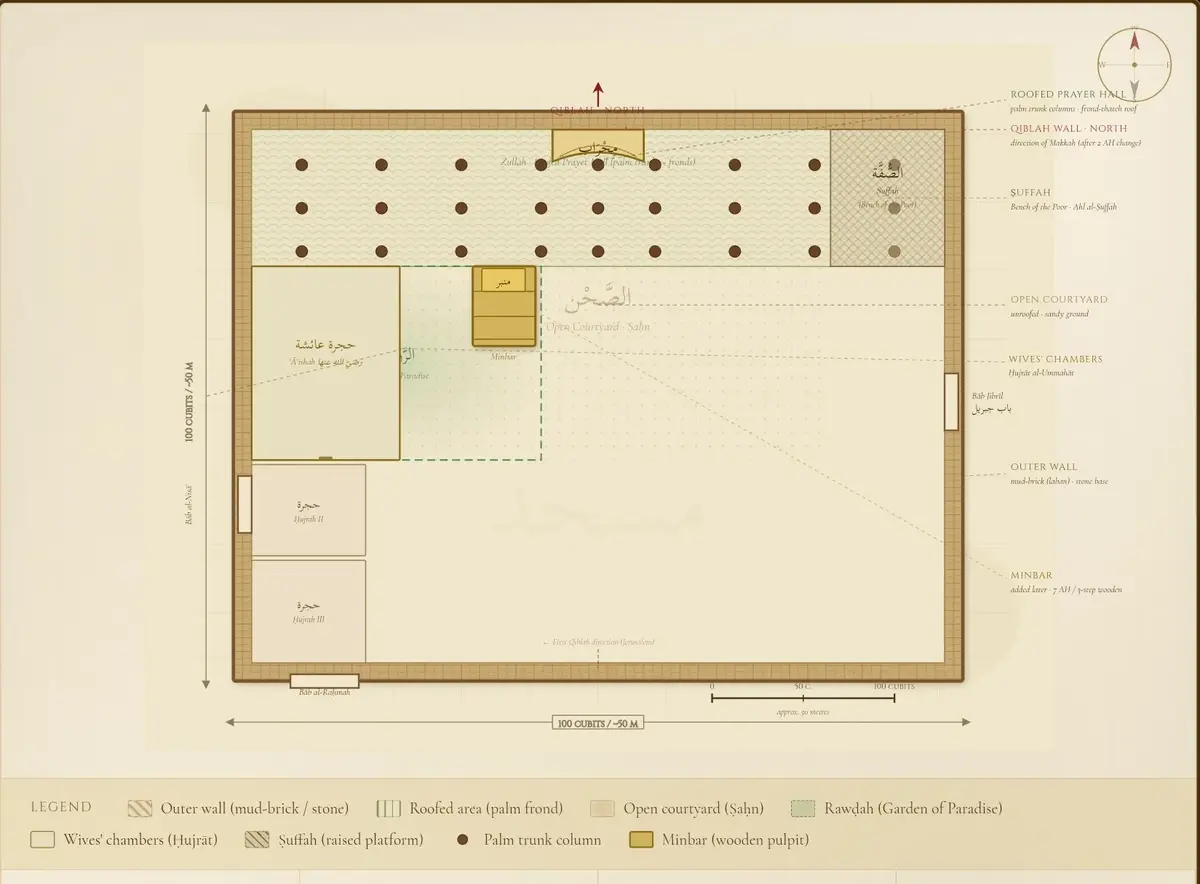
Early Islamic capital of Medina with the Prophet's Mosque
A depiction of the early Islamic capital of Medina, showing mudbrick dwellings and the simple palm-frond roof of the Prophet's Mosque, which served as the administrative core of the Caliphate.

In the north, the campaign against Byzantium culminated in the Battle of Yarmouk (636 CE) along the borders of modern Jordan and Syria. Khalid ibn al-Walid, executing a series of rapid flank movements, trapped a Byzantine force of over 80,000 men against the steep ravines of the Yarmouk River, completely destroying the army. Heraclius, realizing he had no forces left to defend the Levant, famously retreated to Constantinople, leaving Syria and Palestine to fall to the Caliphate. Simultaneously, in the east, Sa'd ibn Abi Waqqas led the campaigns against the Sasanian Empire. At the Battle of Qadisiyyah (636 CE) in modern Iraq, the Muslim forces engaged the main Persian army under the general Rostam. Despite the Persians utilizing heavy armored cavalry and war elephants, the highly coordinated Arab archers and light cavalry broke the Persian lines. Rostam was killed, and the Sasanian capital of Ctesiphon was captured. The Sasanian collapse was completed at the Battle of Nihawand (642 CE), ending 400 years of Sasanian imperial rule and bringing the Iranian plateau into the Caliphate.

The Covenant of Jerusalem

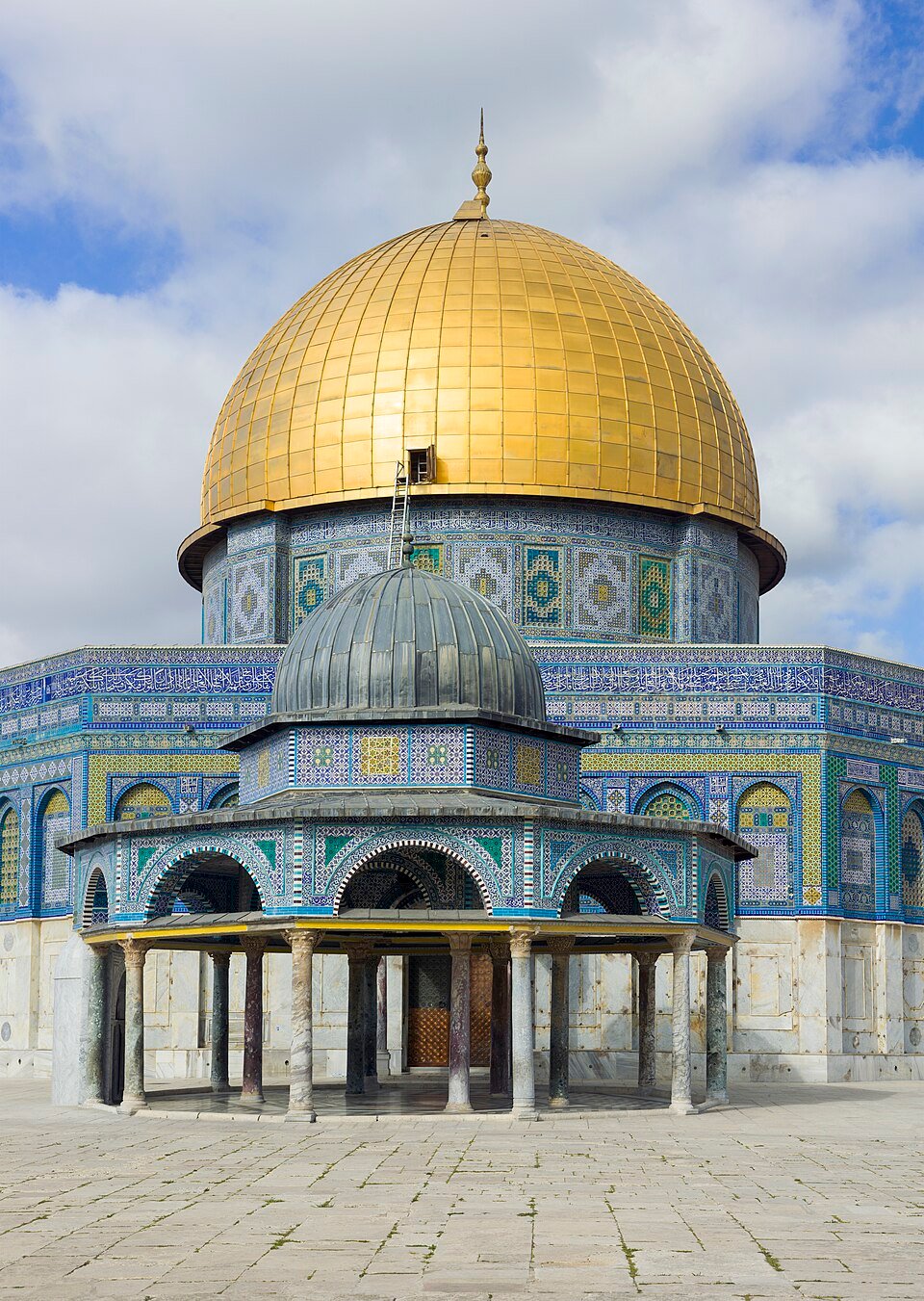
In 637 CE, after a long siege, the city of Jerusalem surrendered. The Christian Patriarch Sophronius refused to surrender the keys to the city to anyone but the Caliph himself. Umar traveled from Medina to Jerusalem in simple, travel-stained garments, riding a single camel alongside his servant. Upon taking control of the city, Umar negotiated the Covenant of Umar (also known as the Treaty of Jerusalem). This historic document guaranteed the Christian and Jewish residents security for their lives, their property, and their churches, establishing their status as Dhimmi (protected citizens) under the law. When Sophronius invited him to pray inside the Church of the Holy Sepulchre, Umar politely declined, praying instead outside the church gates. He explained that if he prayed inside, future generations of Muslims might seize the church to convert it into a mosque, thereby demonstrating a profound early standard of religious preservation and respect for holy sites.

The Administrative Revolution

Umar recognized that an empire could not be ruled by conquest alone. To prevent his soldiers from becoming agricultural landlords, which would dilute their military readiness and disrupt the local economy, he prohibited Arab conquerors from acquiring land in the conquered territories. Instead, he established a highly structured administrative system that integrated local elites while maintaining central control in Medina.

1. The Diwan: The Imperial Register

To manage the wealth of the empire, Umar created the Diwan (state registry), which served as the first pension and payroll system in history. Every Arab soldier, citizen, and convert was registered in the Diwan, receiving a regular stipend from the state treasury. The amount was determined by their contribution to the state and their service to the early community, ensuring a steady, loyal, and fully mobilized military class paid directly by the state, rather than relying on looting or local extortion.

2. Bait al-Mal: The Public Treasury

Umar established the Bait al-Mal (Public Treasury) to manage state revenues and expenditures. This treasury was funded through several distinct streams of income:

  • Jizya: A flat, tiered tax paid by non-Muslim protected citizens (Dhimmi). In exchange, they were exempt from military service and guaranteed defense, religious freedom, and legal protection.
  • Kharaj: A land tax levied on agricultural fields in conquered territories, calculated based on the fertility and yield of the soil, ensuring that local farmers could remain on their lands and sustain production.
  • Zakat: The obligatory religious tax paid by wealthy Muslims, which was distributed directly to the poor, orphans, widows, and travelers.
  • Ghanimah: The state's fifth share (Khums) of spoils gathered during campaigns, used to fund public projects and emergencies.

3. Separation of Powers and Judicial System

In a groundbreaking move for medieval administration, Umar established the independence of the judiciary. He separated the executive office of the governor (Amir) from the judicial office of the judge (Qadi). Governors were responsible for military defense, tax collection, and public works, but they had no authority over the Qadis. Qadis were appointed directly by the Caliph in Medina, paid high salaries to prevent corruption, and instructed to apply the law equally to all citizensโ€”including the Caliph himself and his governors. Umar's letters of instruction to his judges, detailing rules of evidence, the presumption of innocence, and the need for absolute impartiality, remain foundational documents in Islamic jurisprudence.

Social Reforms, Calender, and Infrastructure

Umar's reforms extended into the daily lives of his subjects. In 638 CE, he established the Islamic Calendar (the Hijri Calendar), dating it from the migration (Hijra) of the Prophet Muhammad from Mecca to Medina in 622 CE. This unified the chronological records of the empire, replacing the disjointed regional dating systems of the era.

He created a state mail relay system (Barid) to ensure rapid communication across the provinces and established the office of the Muhtasib (market inspector), who patrolled urban markets to enforce fair weights and measures, prevent hoarding, and resolve commercial disputes. During the Year of Ashes (639 CE), when a severe drought and famine struck Arabia, Umar suspended the collection of taxes, distributed emergency grain from the Bait al-Mal, and organized massive relief caravans from Syria and Egypt, demonstrating an early model of state welfare and disaster management.

Umar also initiated large-scale infrastructure projects. He ordered the construction of a canal connecting the Nile River to the Red Sea (the Canal of the Commander of the Faithful), which allowed Egyptian grain to be shipped directly to the ports of western Arabia, ensuring long-term food security for the central regions of the Caliphate. New garrison cities, such as Kufa and Basra in Iraq, and Fustat in Egypt, were laid out under strict town-planning regulations, serving as administrative, cultural, and military hubs that eventually grew into major metropolitan centers.

The Creation of the Amsar: Basra, Kufa, and Fustat

The rapid expansion of the Rashidun Caliphate under Umar required a new urban and military strategy to prevent the conquering armies from dissolving into local populations. Scribes record that Umar prohibited Muslim soldiers from purchasing agricultural land in the conquered provinces, ensuring they remained a professional military force. To house the soldiers and their families, Umar ordered the construction of planned garrison cities known as Amsar (singular: misr). The most famous of these were Basra and Kufa in Iraq, and Fustat in Egypt (which later became Cairo).

The design of the amsar followed a standardized urban plan:

  • The Central Mosque: The religious and administrative center, where the governor delivered Friday sermons and managed state funds.
  • The Dar al-Imara (Governor's Palace): Located adjacent to the mosque, housing the treasury and administrative records.
  • Tribal Quarters: The residential zones were divided among the different Arab tribes, ensuring social cohesion and structured mobilization.

Fustat was founded in 641 CE by the general Amr ibn al-As near the Roman fortress of Babylon. These garrison cities grew into metropolitan hubs of trade, administration, and learning, integrating Arab and non-Arab populations and serving as the cultural engines of the early Islamic Golden Age.

Assassination and Legacy

In 644 CE, at the height of his power, Umar was assassinated inside the Prophet's Mosque in Medina by Abu Lu'lu'ah, a Sasanian slave who was disgruntled over a personal tax dispute. On his deathbed, Umar refused to nominate a successor directly, instead establishing a six-member council (Shura) consisting of senior companions to select the next Caliph, ensuring a peaceful transition of power. Umar was buried in Medina alongside the Prophet Muhammad and Abu Bakr.

Umar ibn al-Khattab left behind a legacy that shaped the political geography of the Middle East. By conquering the Sasanian Empire, reducing Byzantine borders, and establishing the administrative, judicial, and fiscal institutions of the state, he transformed the early Caliphate into a functional global empire. His simple, austere lifestyleโ€”characterized by his refusal to adopt the luxury of the courts of Constantinople or Ctesiphonโ€”became the classic model of Islamic leadership, and his administrative innovations laid the institutional baseline that sustained the Umayyad and Abbasid Golden Ages.

Historical view of Medina and Al-Masjid an-Nabawi
A historical layout representation of Medina, the administrative heart of the early Rashidun Caliphate under Caliph Umar.
โš–๏ธ

Historian Debate: What Drove the Rapid Islamic Conquests?

Religious Zeal and Unity

Early Islamic chroniclers emphasized that the ideological fire of monotheism united the warring tribes of Arabia, giving them a spiritual discipline that traditional empires could not match.

Imperial Exhaustion and Local Support

Modern historians like Hugh Kennedy point out that centuries of war between the Byzantine and Sasanian Empires had left both bankrupt and unpopular, prompting local populations to welcome Arab administrators.

Scholars like Fred Donner explore the intersection of religious motivation and political opportunity in the 7th-century Near East.

"Avoid luxury and the dress of foreigners... Maintain the purity of your lineages, and do not let the comforts of the conquered cities soften your resolve."

โ€” Caliph Umar ibn al-Khattab, Instructions to the garrison commanders in Iraq (c. 638 CE).

Further Reading

  • The Great Arab Conquests โ€” by Hugh Kennedy. An authoritative history of the military campaigns that established the early Caliphate.
  • Muhammad and the Believers: At the Origins of Islam โ€” by Fred Donner. An analysis of the early community's spiritual and social cohesiveness.
๐Ÿ“– Scholar Mode Active โ€” Click to exit focused reading
Selected Era

Prehistoric Era

Millions of years ago to ~3000 BCE

The dawn of humanity. From the evolutionary split of early hominids to the mastery of stone tools, fire, and the birth of language.

Landmark Milestones

Welcome to Historia

Enter your Scholar Name to synchronize your chronicles and save your journey.