>
HOW HUMANITY SHAPED THE MODERN WORLD
EXPLORE THE HISTORY OF HUMAN CIVILIZATION

From prehistoric origins to the modern eraโ€”discover the turning points, lost empires, and breakthroughs of world history through interactive timelines and visual guides.

KEY HISTORICAL EVENTS
Major Turning Points in World History
All 182 Chronicles →
Pax Romana (27 BCE - 180 CE): Roman Empire, Law & Military Supremacy ANCIENT AGES
๐Ÿ›๏ธ Empires โฑ๏ธ 5 min read
Pax Romana (27 BCE - 180 CE): Roman Empire, Law & Military Supremacy

Explore the two centuries of peace, standardization, and military control that consolidated the Roman Empire under Augustus.

Read Chronicle →
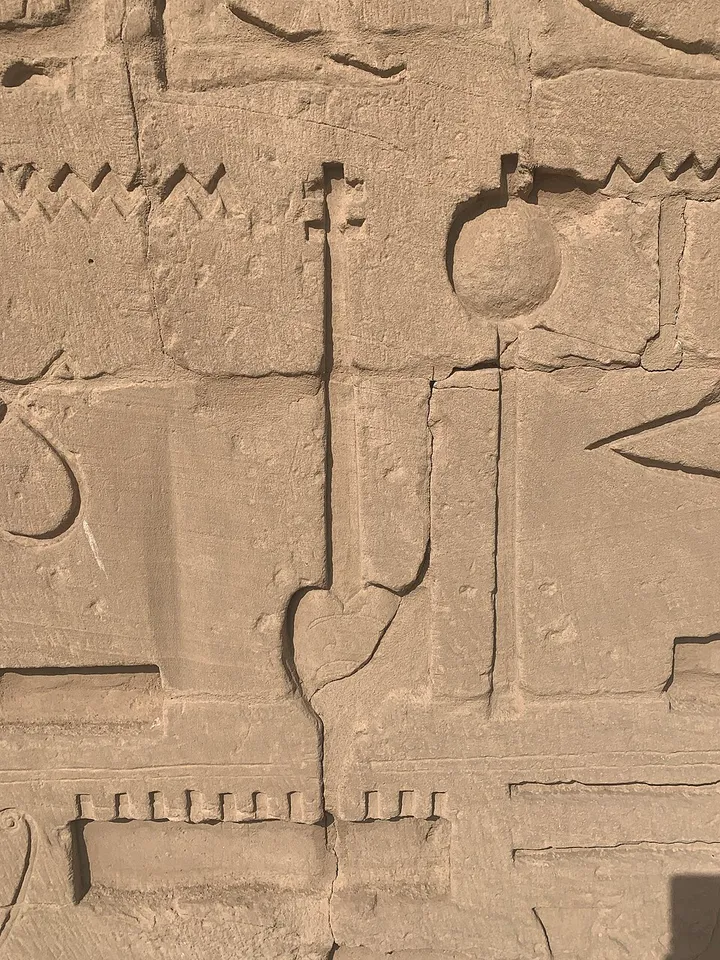
Egyptian Hieroglyphs: Decipherment, Scribes & Sacred Carvings ANCIENT AGES
๐Ÿ›๏ธ Languages โฑ๏ธ 9 min read
Egyptian Hieroglyphs: Decipherment, Scribes & Sacred Carvings

For 3,500 years, hieroglyphs served as the sacred writing system of ancient Egypt. Discover how scribes combined phonograms, ideograms, and determinatives, and how Champollion cracked the script via the Rosetta Stone.

Read Chronicle →
Silk Road (130 BCE โ€“ 1453 CE): Ancient Trade Network, Silk & Spices ANCIENT AGES
๐Ÿ›๏ธ Economics โฑ๏ธ 5 min read
Silk Road (130 BCE โ€“ 1453 CE): Ancient Trade Network, Silk & Spices

Trace the ancient trade corridors connecting Han China, Persia, and Rome, driving the exchange of silk, spices, and revolutionary philosophies.

Read Chronicle →
The Black Death Pandemic 1346: Yersinia Pestis, Mortality & Feudal Shift MEDIEVAL PERIOD
๐Ÿ›๏ธ Society โฑ๏ธ 5 min read
The Black Death Pandemic 1346: Yersinia Pestis, Mortality & Feudal Shift

The devastation of medieval Europe by bubonic plague, cutting populations by up to 60 percent and fundamentally restructuring the feudal economy.

Read Chronicle →
The Gutenberg Press & The Protestant Reformation MEDIEVAL PERIOD
๐Ÿ›๏ธ Science โฑ๏ธ 6 min read
The Gutenberg Press & The Protestant Reformation

Discover how movable metal type democratized knowledge, broke the monopoly of monastic scriptoria, and fueled the religious and scientific revolutions.

Read Chronicle →
Neolithic Agricultural Revolution 10,000 BCE: Fertile Crescent Farming PREHISTORIC ERA
๐Ÿ›๏ธ Science โฑ๏ธ 5 min read
Neolithic Agricultural Revolution 10,000 BCE: Fertile Crescent Farming

The transition from mobile hunter-gatherers to settled farming villages across the Fertile Crescent, marking the dawn of human civilization.

Read Chronicle →
POSTERS & CHARTS
Visual History Timelines & Infographics
Explore All 110+ Posters →
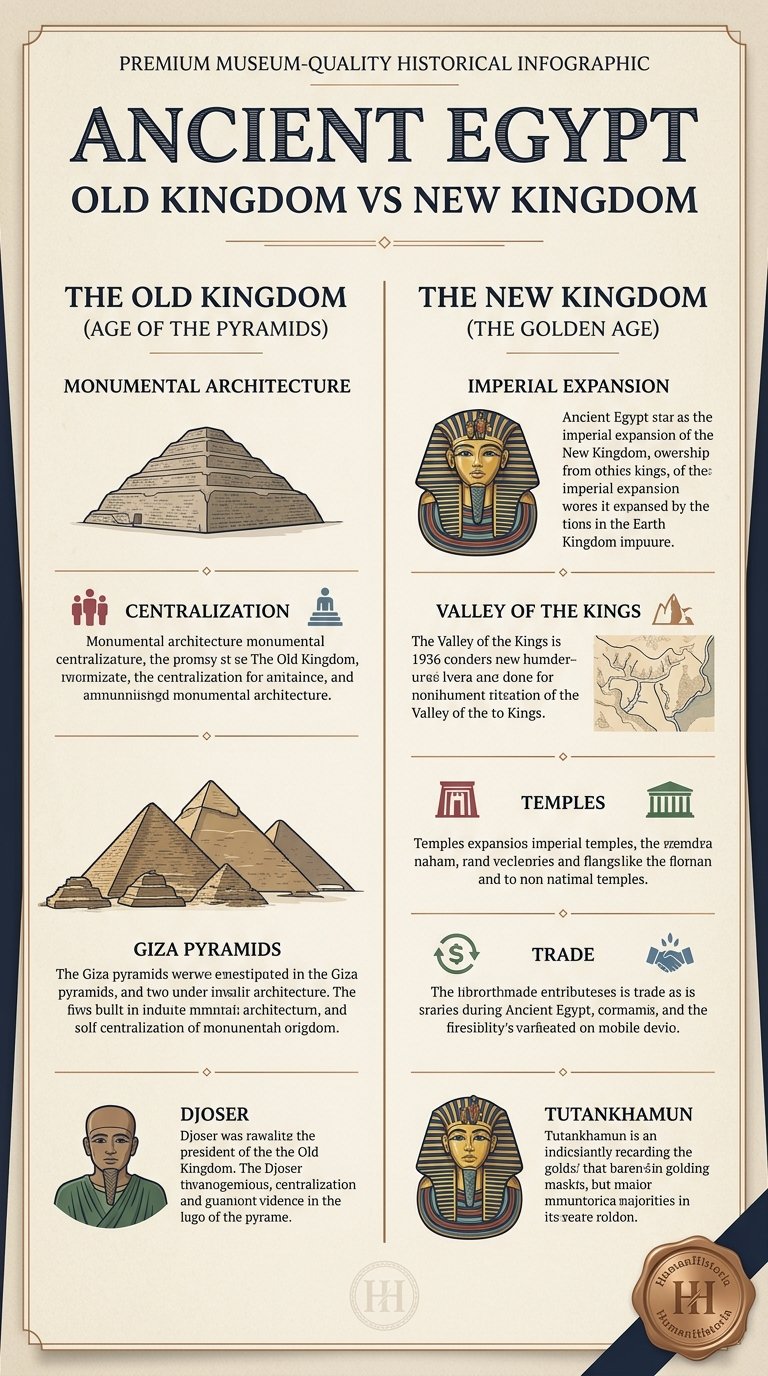
Ancient Egypt: Old Kingdom vs. New Kingdom
๐Ÿ” Tap to Zoom
Ancient Egypt: Old Kingdom vs. New Kingdom
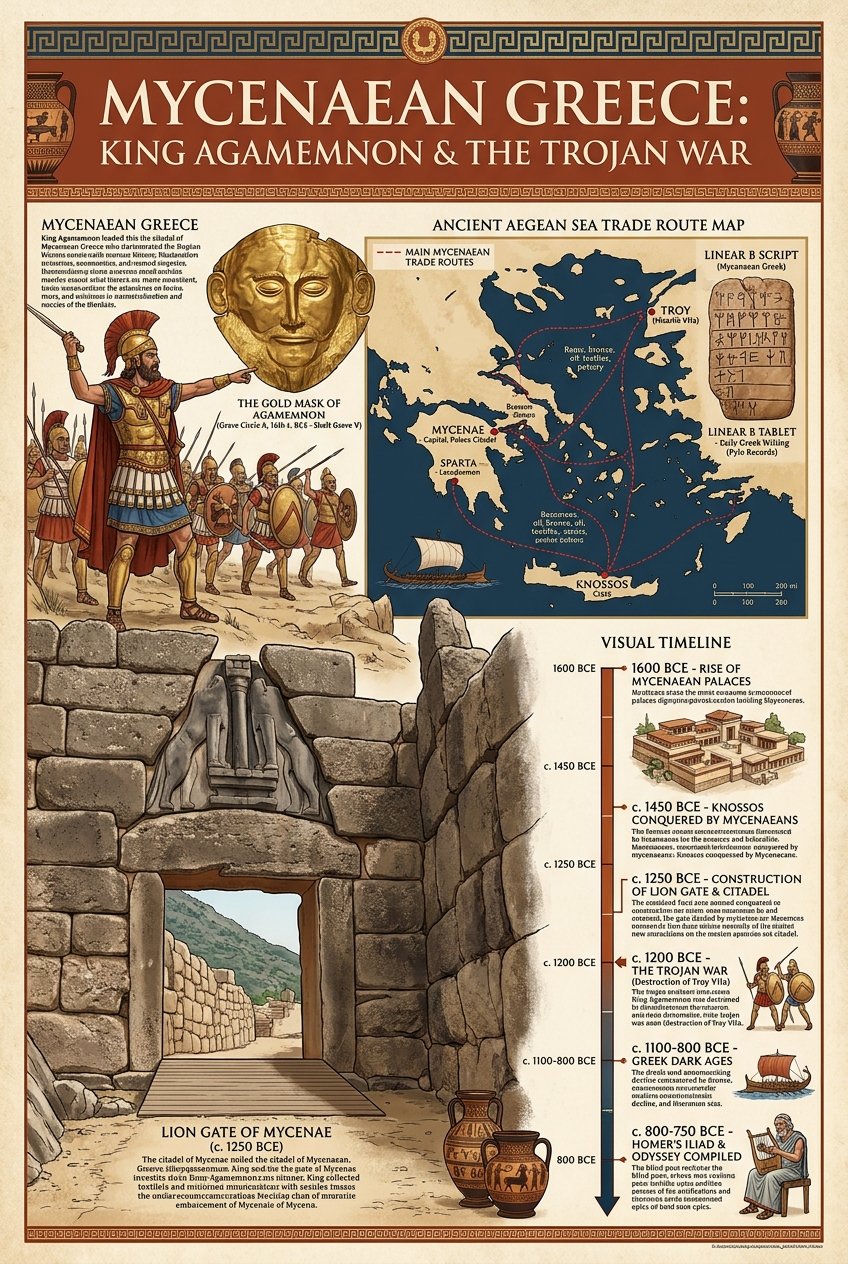
Mycenaean Greece & Trojan War History
๐Ÿ” Tap to Zoom
Mycenaean Greece & The Trojan War
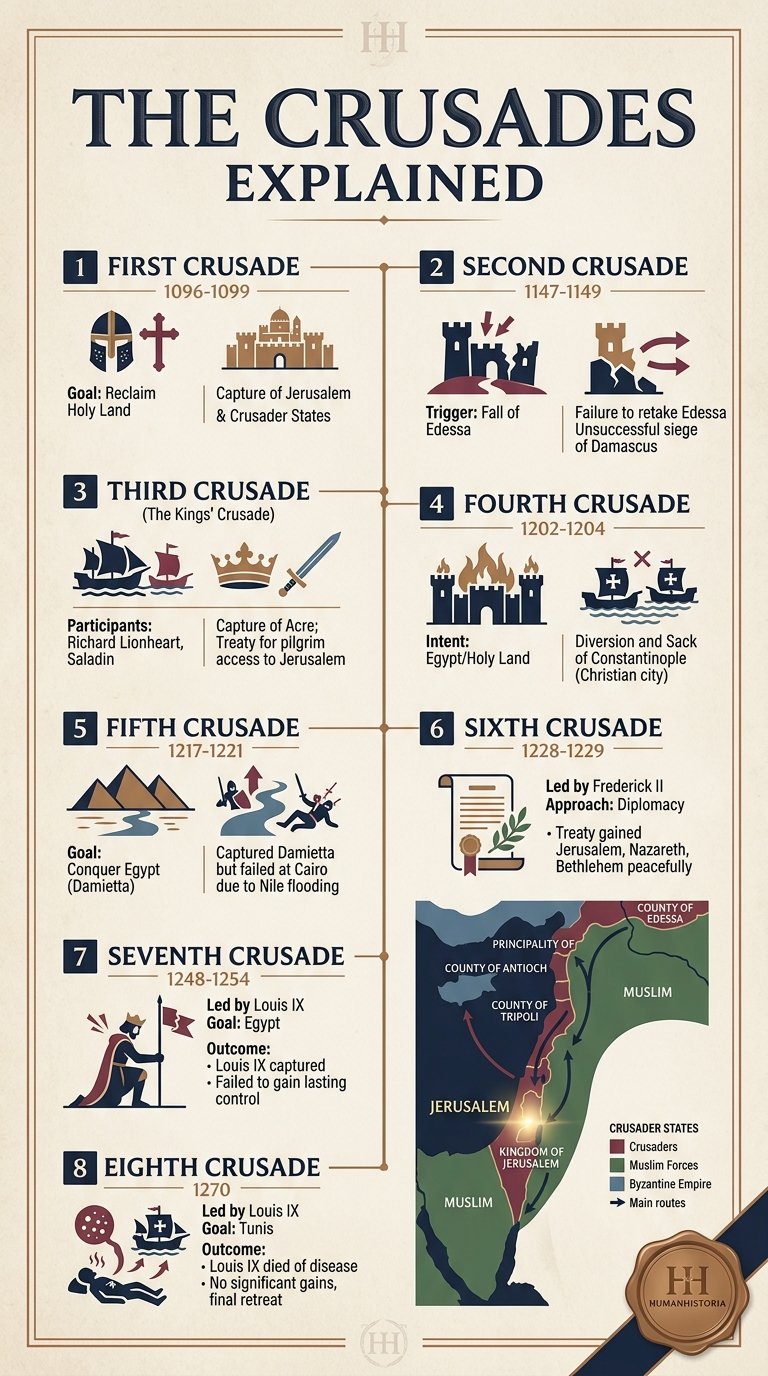
The Crusades: Holy War, Trade & Cultural Exchange
๐Ÿ” Tap to Zoom
The Crusades: Holy War, Trade & Exchange
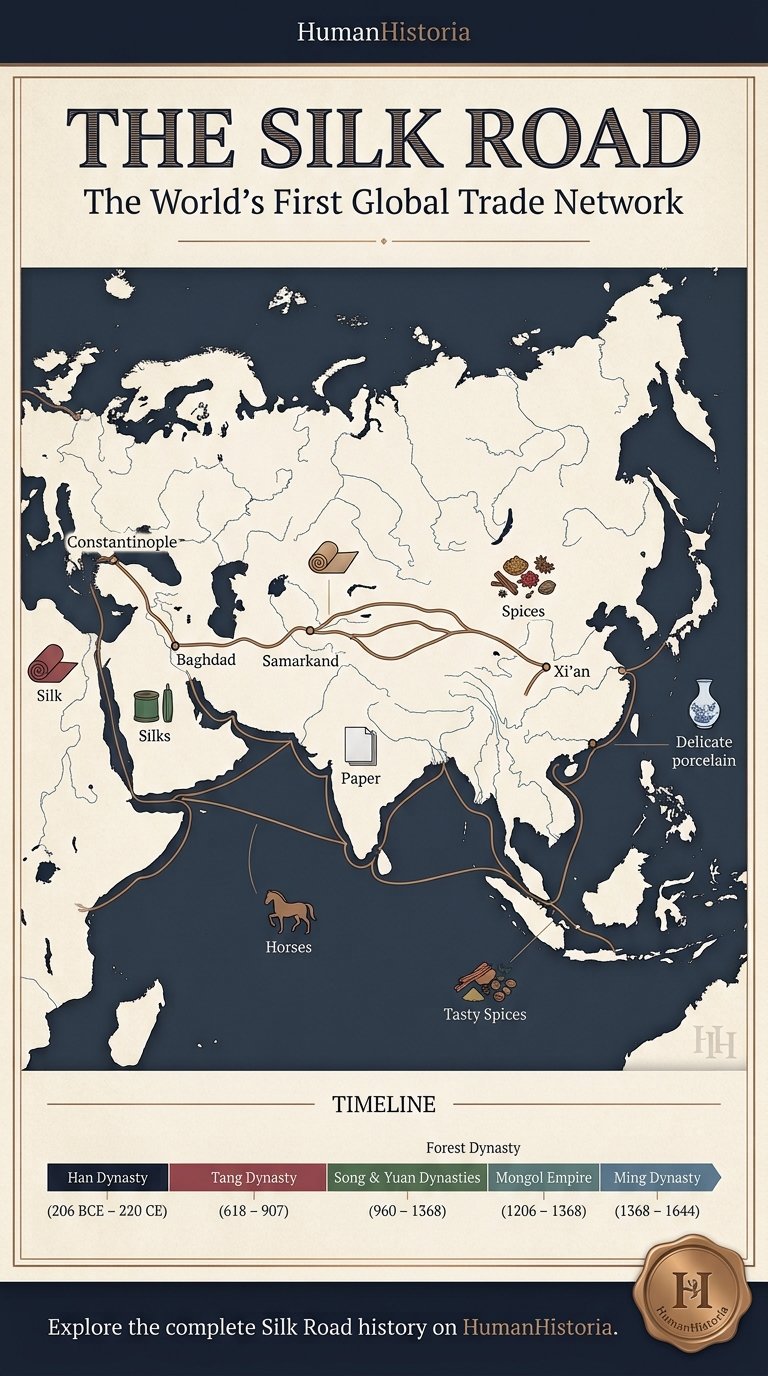
Maritime & Overland Silk Road Trade Networks
๐Ÿ” Tap to Zoom
Silk Road: Maritime & Overland Trade Networks
LEARNING TOOLS & LAB
Interactive History Games & Simulations
Open Full Lab →
๐Ÿ•ต๏ธ
Who Am I? (Historical Guessing Game)

A secret historical figure has been chosen. Ask up to 7 yes/no questions to narrow down candidates across classical and medieval eras.

Play Game →
๐Ÿ—บ๏ธ
Timeline Scramble

Five historical events appear out of order. Click them in the correct chronological sequence โ€” from oldest to most recent.

Test Chronology →
โš–๏ธ
Empire Matchup Simulator

Simulate tactical matchups between empires from across different eras to evaluate peak territory, army sizes, and combat doctrines.

Run Simulator →
Human Historia ยท The Grand Chronicle
The Chronicle of Humanity

300,000 years. 5 eras. Countless turning points that shaped every moment of your world.

๐Ÿฆด
Prehistoric Era
c. 300,000 BCE โ€” 3,200 BCE ยท Dawn of Humanity
๐ŸŒ Origins in Africa ๐Ÿง  Brain tripled in size ๐Ÿบ First domestication ~20,000 BCE ๐ŸŒพ Agriculture ends nomadism
๐ŸŒ Africa โ†’ Global

Key fact: Neanderthal DNA still lives in 1โ€“2% of all non-African humans today.

Related: Animal Domestication, Cave Art

๐Ÿ”ฅ Africa

Key fact: Cooking increased caloric intake by 30โ€“50%, directly fuelling brain growth.

Related: Stone Tools, Migration

๐ŸŒพ Fertile Crescent

Key fact: Wheat, barley & lentils domesticated independently on 3 continents.

Related: Gรถbekli Tepe, Cuneiform

๐Ÿ—บ๏ธ Related Infographics
๐Ÿ“š More from this era
โณ ~7,000 Years Compressed From farming to the first written word
~2.3% of recorded human history
๐Ÿ›๏ธ
Ancient Ages
c. 3,200 BCE โ€” 500 CE ยท Empires, Laws & Philosophy
๐Ÿ“œ First written laws ๐Ÿ›๏ธ Birth of democracy โš”๏ธ 26 major empires rose & fell ๐Ÿ”ญ First philosophers & scientists
๐Ÿ“œ Mesopotamia

Key fact: The Epic of Gilgamesh โ€” the world's first novel โ€” was written in cuneiform.

Related: Epic of Gilgamesh, Hammurabi

๐Ÿ“š Alexandria, Egypt

Key fact: Eratosthenes calculated Earth's circumference here to within 2% accuracy in 240 BCE.

Related: Greek Philosophy, Roman Empire

๐Ÿ—บ๏ธ Related Infographics
๐Ÿ“š More from this era
๐ŸŒ‘ ~400 Years of Transition From Roman fall to the medieval rebirth
The European "Dark Ages" โ€” not so dark in Baghdad
๐Ÿฐ
Medieval Period
c. 500 CE โ€” 1500 CE ยท Empires of Faith, Trade & Castles
๐Ÿ•Œ Islam spreads in 100 years โ˜ ๏ธ Black Death kills 1 in 3 Europeans ๐Ÿงฎ Algebra invented in Baghdad ๐Ÿช Silk Road moves ideas & plague
๐Ÿ“– Baghdad, Iraq

Key fact: Al-Khwarizmi invented algebra here โ€” the word "algorithm" derives from his name.

Related: Silk Road, Mansa Musa

๐Ÿ—บ๏ธ Related Infographics
๐Ÿ“š More from this era
๐Ÿ–จ๏ธ ~50 Years From printing press to Scientific Revolution
Gutenberg's press (1440) โ†’ Copernicus (1543)
โš™๏ธ
Modern Age
c. 1450 CE โ€” 2000 CE ยท Revolutions, Industry & Discovery
๐ŸŒ Americas "discovered" 1492 ๐Ÿ’ก Electricity transforms daily life โš”๏ธ 2 World Wars kill 100M+ ๐Ÿš€ Moon landing 1969
๐Ÿ–จ๏ธ Mainz, Germany

Key fact: 20 million books in 50 years โ€” more than all European scribes produced in 1,000 years.

Related: Scientific Revolution, Reformation

๐Ÿš‚ Britain

Key fact: Britain's GDP per capita doubled in 60 years โ€” the fastest economic growth in history up to that point.

Related: Electricity, Wright Brothers

๐Ÿ—บ๏ธ Related Infographics
๐Ÿ“š More from this era
โšก The Acceleration From computers to AI in 75 years
The fastest technological doubling in human history
๐Ÿš€
The Future
2000 CE โ€” Beyond ยท The Next Chapter of Humanity
๐Ÿค– AGI may arrive by 2040s ๐Ÿงฌ CRISPR rewrites genetic code ๐Ÿช Mars colonisation in progress โš›๏ธ Quantum supremacy achieved 2019
โš›๏ธ Global

Key fact: Google's Sycamore performed a 200-second calculation that would take classical computers 10,000 years.

Related: AI Singularity, CRISPR, Space

๐Ÿ—บ๏ธ Related Infographics
๐Ÿ“š More from this era
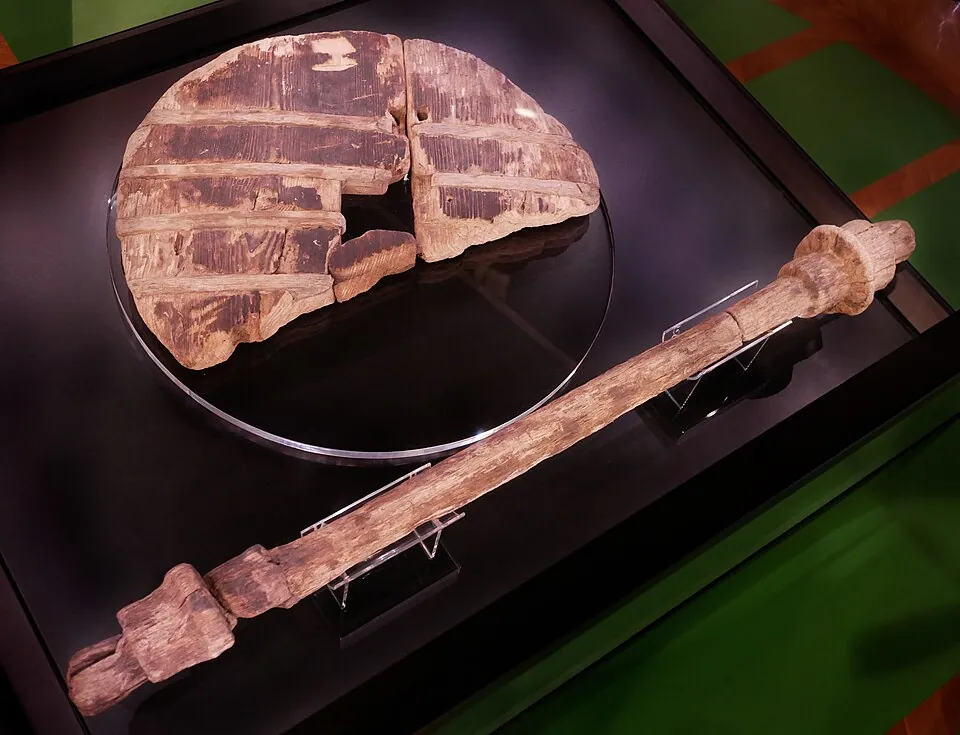
THE ARTIFACT GALLERY

Examine the tangible relics, physical tokens, and revolutionary machines that shaped civilizational growth.

๐ŸŽฅ VIDEO HUB & SHORTS

Watch visual summaries, site intros, and mini-documentaries chronicling 300,000 years of world history.

๐Ÿ“Š HISTORICAL INFOGRAPHICS ARCHIVE

Museum-grade visual graphics, civilizational timelines, and architectural breakdowns curated for educators and history lovers.

THE HISTORIA CIRCLE

Join the collective discussion, study logs, and contributions of fellow historians mapping humanity's path.

Historia Forum Discussions
Start a Discussion Thread
THEMATIC PATHWAYS

Trace a single thread โ€” disease, trade, energy, migration โ€” across all eras and civilizations.

History is not just a sequence of events โ€” it is a network of patterns. These thematic pathways allow you to follow a single concept across thousands of years: how agriculture spread, how warfare evolved, how trade routes shaped civilizations. Each pathway collects the most relevant chronicles across all eras.

๐Ÿงฉ
How is this different from the sidebar Topics?
While the sidebar Topics (like Science & Tech or Empires) filter articles within your selected historical Era, Thematic Pathways cut horizontally across all eras (from Prehistoric to the Future). Use Themes to trace a single concept's evolutionary line across 300,000 years.
CIVILIZATION HUBS

Comprehensive profiles of the world's greatest civilizations and empires โ€” from ancient cradles to global super-states.

Human Historia provides an academically rich exploration of the world's most influential civilizations. From the monumental achievements of ancient Egypt, Han China, and the Roman Empire, to the sophisticated societies of the Maya, the Islamic Caliphates, and West African empires, these hubs offer deep insights into the cultural, political, and technological legacies that continue to shape our global story.

EVOLUTION OF HUMAN SKILLS

Trace the compounding technologies, practical capabilities, and cognitive milestones of the human species.

Human progress is a story of compounding skills. Every breakthrough, from the spark of prehistoric fire to modern silicon transistors, builds directly on previous generations of ingenuity. Hover over a skill node to trace its historical prerequisites, and click it to explore its development timeline, species-wide impact, and related chronicles.

Prehistoric Ancient Medieval Modern Future
๐Ÿง 

Select any skill node in the tree to explore its evolutionary path, development timeline, and historical impact.

ACADEMIC PASSPORT

Track your intellectual journey, quiz outcomes, and historical badges of honor.
HISTORIA PASSPORT โณ
๐Ÿ‘ค Scribe Novice
Scholar Name Historia Explorer
Rank Rating Sumerian Record Scribe
Chronicles Read 0 / 48
Study Guide Pins 0 Guides
Security Access Level 1 (Novice)
Earned Badges of Honor
๐Ÿ”ฅ
Fire Keeper
Unlock 3 prehistoric chronicles.
๐Ÿ›๏ธ
Codex Keeper
Unlock 3 ancient chronicles.
๐Ÿฐ
Guild Master
Unlock 3 medieval chronicles.
โš™๏ธ
Steam Engineer
Unlock 3 modern chronicles.
๐Ÿš€
Singularity Sage
Unlock 3 future chronicles.
๐Ÿ‘‘
Grand Scholar
Score 5/5 on the Lab Quiz.
Recent Lab Activities
No recent activities recorded. Take a quiz or bookmark articles!
๐Ÿ›๏ธ MISSION & ARCHIVAL STANDARDS
About Human Historia

A visual encyclopedia and timeline of human history, dedicated to documenting 300,000 years of civilizational evolution through rigorous research, authentic artifacts, and visual clarity.

๐ŸŒ
The 300,000-Year Story

Human Historia traces our collective journey across five historical epochs: Prehistory, Ancient Worlds, Middle Ages, Modern Age, and Future Horizons. From the first control of fire to quantum computation, we organize turning points into interconnected timelines.

๐Ÿ“œ
Historiographical Rigor

Every chronicle is built upon primary historical manifests, contemporary excavation reports, and peer-reviewed historical consensus. We prioritize authentic public domain artifacts and clearly identify scholarly debates surrounding major civilizational transitions.

๐ŸŽจ
Museum-Grade Visuals

Complex historical transitions demand visual understanding. We develop high-resolution infographics, architectural cutaways, and comparative territorial maps to transform abstract timelines into vivid, unforgettable learning experiences.

๐Ÿ“–
Educational Access

Knowledge belongs to humanity. Human Historia is free, ad-light, and engineered as an educational resource for students, classroom educators, academic researchers, and curious minds across all continents.

Editorial Governance & Inquiries

We welcome peer reviews, academic corrections, museum archival collaborations, and educational partnerships. To submit historical inquiries or provide archival feedback, reach our editorial desk directly.

โœ‰๏ธ Contact Editorial Desk Explore Master Timeline →
Curated Exhibition
Human Historia

An immersive graphical anthology tracing the paths of civilizations, breakthroughs, and conflicts that forged the modern consciousness.

25Chronicles
Showing all articles

The Carolingian Renaissance: Charlemagne & Alcuin's Script Standard

Written by Humanhistoria Linguistics Historical Era: MEDIEVAL

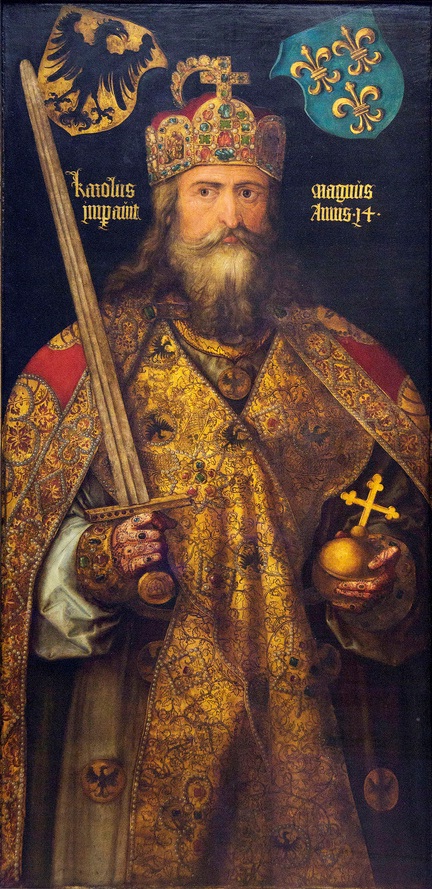
In the twilight decades of the eighth century, the intellectual fabric of Western Europe was unraveling. Across the fragmented remnants of the Western Roman Empire, the Latin languageโ€”the unifying administrative and theological glue of Western Christendomโ€”had degraded into a chaotic tangle of regional dialects, erratic orthography, and near-indecipherable scribal hands. Recognizing that an illiterate realm could neither govern its territories nor preserve sacred tradition, King Charlemagne (Charles the Great) spearheaded an audacious cultural, educational, and bureaucratic revival known to history as the Carolingian Renaissance. Summoning the greatest intellectual minds of Europe to his imperial court at Aachenโ€”most notably the brilliant Northumbrian polymath Alcuin of Yorkโ€”Charlemagne mandated an empire-wide educational reform and revolutionized scribal technology. Through the creation of Carolingian Minuscule, a standardized, elegant book-hand featuring distinct lowercase letters, standardized word separation, and systematic punctuation, the Carolingian scriptoria rescued classical antiquity from oblivion, preserving more than ninety percent of the Roman literature that survives today.

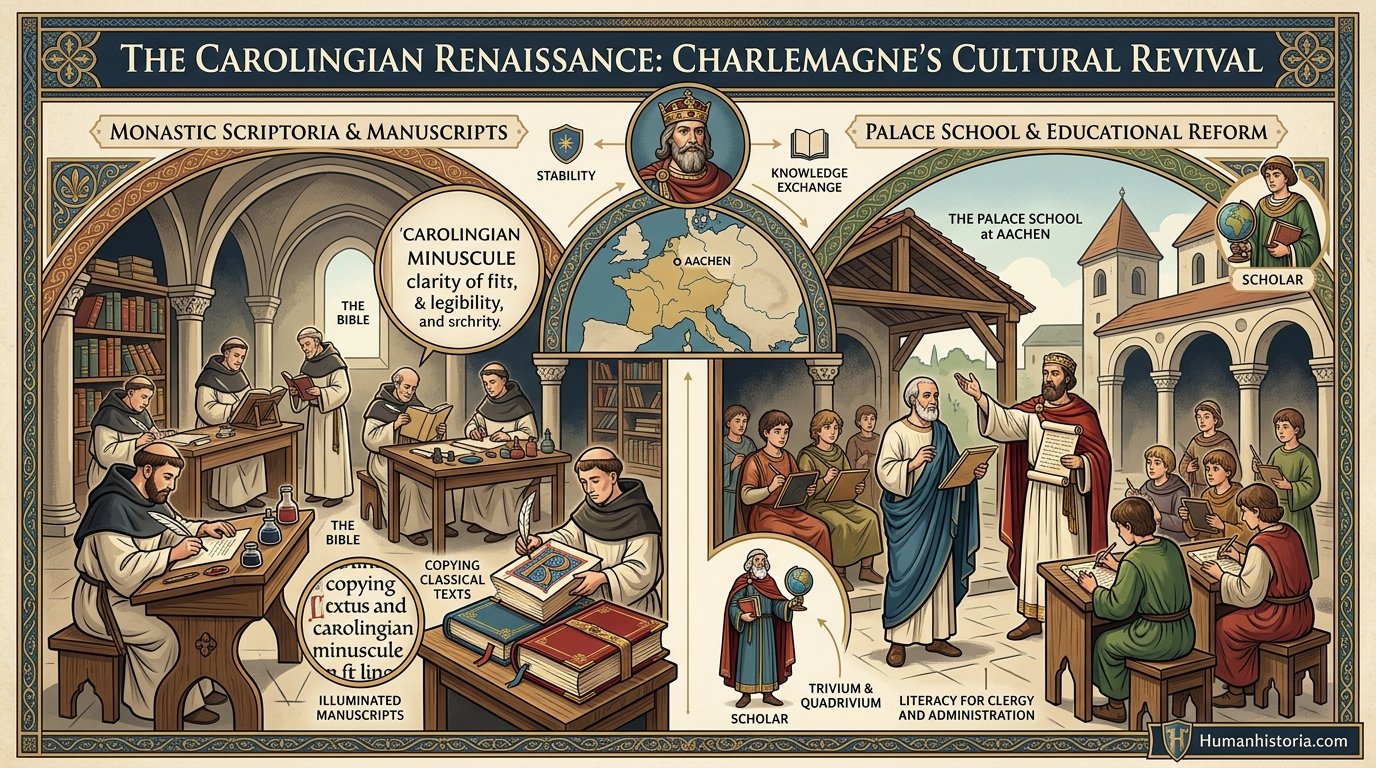
Charlemagne surrounded by court scholars and monks in an imperial scriptorium
Imperial court depiction of Charlemagne directing scholars and monastic scribes at Aachen during the educational and administrative reforms of the Carolingian Renaissance (c. 800 CE). (Archival Collection, Bibliothรจque nationale de France)

The Decay of Latinity: Europe's Literacy Crisis

Following the disintegration of the Western Roman Empire in the fifth century, public civic schooling collapsed across Gaul, Hispania, and Italy. Literacy retreated almost exclusively behind the fortified walls of isolated monasteries. Over three centuries of Merovingian dynastic rule, the spoken vernacular drifted decisively away from classical Latin toward proto-Romance idioms, while scribes copied legal charters and scripture with phonetic phonetic distortions and reckless grammatical decay.

Compounding this linguistic fragmentation was a catastrophic typographical crisis. Regional monastic centers developed their own insular, highly idiosyncratic scripts. Merovingian chancery cursive was notorious for its dense, spindly, and ligated letterforms that resembled tangled brambles; Visigothic script in the Iberian Peninsula and Beneventan script in Southern Italy employed confusing abbreviations and erratic strokes. Most devastating of all, ancient texts were copied in scriptio continuaโ€”unbroken blocks of capital letters without spacing between words, line breaks, or punctuation:

"In former years, when we received letters from various monasteries, we observed that while the sentiments expressed were pious, the language was uncouth and unlearned. What devotion dictated within, an untrained tongue could not express without errors, because of the neglect of study. Therefore, we exhort you not only to maintain, but with humble and God-pleasing effort to cultivate the study of letters."

โ€” Charlemagne, Epistola de litteris colendis ("Letter on the Cultivation of Learning"), addressed to Abbot Baugulf of Fulda (c. 785 CE)

To an emperor governing an expanse stretching from the Pyrenees to the Elbe and from the North Sea into Central Italy, this linguistic breakdown was not merely an aesthetic annoyance; it was an existential administrative vulnerability. Incompetent priests were mispronouncing baptismal rites and theological dogma, while royal edicts (capitularies) were being misinterpreted across distant provinces by illiterate counts and provincial judges.

Folio from the Carolingian Lorsch Gospels showing Carolingian Minuscule
Folio from the illuminated Lorsch Gospels (c. 810 CE), demonstrating the crystalline clarity, clear word spacing, and balanced ascenders and descenders of Carolingian Minuscule. (Alba Iulia, Batthyaneum Library / Vatican Library)

The Aachen Think-Tank: Alcuin of York & The Palace School

Charlemagne understood that transforming imperial literacy required intellectual talent from across the Christian world. Between 780 and 790 CE, the Frankish court at Aachen (Aix-la-Chapelle) became a beacon for Europe's finest scholars. From Lombard Italy came Paul the Deacon, the master grammarian and chronicler; from Visigothic Spain came Theodulf of Orlรฉans, an incisive poet and theologian; from Ireland came brilliant dialecticians and astronomers such as Dungal and Clement of Ireland.

Surpassing them all was Alcuin of York (c. 735โ€“804 CE), master of the famous Cathedral School of York in Northumbria, which housed the most complete library in Northern Europe. Meeting Charlemagne in Parma in 781 CE, Alcuin accepted the emperor's invitation to head the Palace School at Aachen and become the prime minister of Frankish education. Alcuin restructured the curriculum around the classical Seven Liberal Arts, divided into the Trivium (Grammar, Rhetoric, Logic) and the Quadrivium (Arithmetic, Geometry, Music, Astronomy).

The Admonitio Generalis of 789 CE

The institutional blueprint for this educational overhaul was crystallized in Charlemagne's famous decree, the Admonitio Generalis (General Admonition) of 789 CE. The capitulary mandated that every cathedral, bishopric, and monastery establish a school open not only to aspiring oblates and clergy, but to freeborn boys across the realm. Monastic scriptoria were ordered to correct and recopy corrupted biblical, liturgical, and patristic manuscripts using standardized, verified master copies.

The Invention of Carolingian Minuscule: Anatomy of a Typographic Revolution

Under Alcuin's guidance, scribes at the royal court and the imperial abbey of Saint-Martin of Tours (where Alcuin served as Abbot from 796 until his death in 804 CE) engineered one of humanity's most influential communication technologies: Carolingian Minuscule (carolina).

Developing out of late antique uncials and insular book-hands, Carolingian Minuscule was deliberately designed for maximum legibility, visual rhythm, and copying economy:

  • Systematic Lowercase Letters: Scribes established a disciplined four-line ruling system. Small letter bodies sat precisely within the central midline, while vertical strokes extended cleanly upward into the ascender space (as in b, d, h, l) or dropped downward into the descender space (as in p, q, g).
  • Standardized Word Separation: Scribes abolished scriptio continua, introducing obligatory, uniform white spaces between words. This allowed the human eye to process syntactic meaning rapidly rather than laboriously deciphering syllables.
  • Universal Punctuation: The script developed a standardized punctuation hierarchy, including the raised point (distinctio) for pauses, the full stop period, and the revolutionary punctus interrogativusโ€”the ancestor of the modern question mark.
  • Syntactic Capitalization: Capital letters (majuscules) were strictly reserved for the beginning of sentences, proper nouns, and chapter headings, creating an intuitive visual hierarchy.
  • Elimination of Ambiguous Ligatures: The hundreds of erratic, entangled scribal shortcuts that made Merovingian and Roman cursives unreadable were eradicated, standardizing glyphs into crisp, predictable shapes.

Script Comparison: The Evolution of European Typography

The emergence of Carolingian Minuscule represented an extraordinary qualitative leap over predecessor book-hands. The comparative matrix below demonstrates how its technical architecture established the foundation for modern Western reading systems.

Script Metric Merovingian Chancery Cursive Insular Majuscule / Half-Uncial Carolingian Minuscule Standard
Primary Eras & Centers 6thโ€“8th Century (Frankish Gaul) 7thโ€“9th Century (Ireland, Northumbria) Late 8thโ€“12th Century (Aachen, Tours, Corbie)
Visual Architecture Tangled, compressed, tall ligatures; irregular slants Monumental, rounded, sweeping ornamental initials Disciplined 4-line grid, vertical balance, open round bowls
Word Separation Non-existent; erratic syllables run together Occasional space, often inconsistent Strict, standardized white spacing between all words
Punctuation & Syntax Minimal to zero; arbitrary scribal marks Ornamental dots and tripartite pause symbols Systematic periods, commas, colons, and question marks
Parchment & Copying Speed Inefficient; requires vast parchment for low legibility Extremely slow, costly, luxury ceremonial production Rapid, highly economical parchment utilization
Modern Typographic Legacy Extinct; completely illegible to modern readers Survives in decorative Celtic typography and branding Direct ancestor of modern Roman lower-case typefaces

The Monastic Production Line: Saving Classical Antiquity

Armed with this revolutionary script, the monastic scriptoria of the Carolingian realm transformed into industrial copying centers. At abbeys such as Corbie, Saint-Gall, Reichenau, Lorsch, and Fleury, dedicated scribes sat for twelve hours a day scraping animal skins, grinding oak gall ink, ruling vellum margins with lead points, and meticulously transcribing texts.

Crucially, Charlemagne and his court were not sectarian isolationists. They believed that mastery of sacred Christian scripture required profound fluency in classical pagan Latin grammar, rhetoric, and logic. As a result, Carolingian scriptoria systematically sought out, borrowed, and recopied crumbling Roman manuscripts that were rotting in neglected Mediterranean libraries.

The statistical reality of Carolingian preservation is staggering. More than 7,000 Carolingian manuscripts survive to this day. The vast majority of our surviving corpus of ancient Roman literatureโ€”including the works of Cicero, Virgil, Horace, Ovid, Livy, Tacitus, Suetonius, Pliny the Younger, and Senecaโ€”does not survive in original Roman papyri or antique scrolls. It survives exclusively because ninth-century Carolingian monks transcribed them into Carolingian Minuscule on durable vellum pages.

โš–๏ธ

Historian Debate: Genuine Renaissance vs. Monastic Propaganda

The "Genuine Revival" School (Giles Brown, Rosamond McKitterick)

Argues that the Carolingian Renaissance established the structural, institutional, and linguistic foundations of Western Europe. By standardizing language and script, creating a pan-European school network, and rescuing antiquity, it unified an anarchic continent and made all subsequent intellectual awakenings possible.

The "Imperial Elitism" School (Walter Ullmann, Franรงois-Louis Ganshof)

Contends that the revival was an exclusive, aristocratic enterprise designed to enforce clerical orthodoxy and centralized imperial propaganda. Ordinary peasants remained 99% illiterate and spoke vernacular Romance or Germanic dialects that Latin increasingly alienated, creating a severe cultural divide between elites and commoners.

Modern consensus acknowledges that while the revival did not touch the illiterate peasantry, its typographic and manuscript preservation altered the intellectual trajectory of global civilization.

From Carolingian Minuscule to Gutenberg: The Modern Roman Typeface

The Carolingian Empire ultimately fractured under Charlemagne's grandsons following the Treaty of Verdun (843 CE), and during the twelfth-century Gothic era, scribes compressed Carolingian Minuscule into the dense, angular, and heavy Blackletter (Textura) script to cram more words onto expensive parchment.

However, when early Italian Renaissance humanists such as Petrarch and Poggio Bracciolini began unearthing long-forgotten classical manuscripts in monastic libraries in the fourteenth and early fifteenth centuries, they were mesmerized by the crystalline clarity of the ninth-century Carolingian codices. Mistaking these beautiful Carolingian manuscripts for original ancient Roman documents, the humanists called the script littera antiqua ("ancient letter").

When Johannes Gutenberg and subsequent printing pioneers such as Nicolas Jenson and Aldus Manutius cast the first metal typefaces for the printing press in Venice, they modeled their movable metal type directly upon the humanist round handโ€”which was an exact replica of Charlemagne's Carolingian Minuscule. Every modern Roman font read across the globe todayโ€”from Times New Roman and Garamond to Helvetica, Georgia, and the digital pixels on your smartphone screenโ€”is the direct typographic descendant of the scribal revolution engineered at Aachen twelve centuries ago.

๐Ÿ“– SCHOLARLY INQUIRIES

Frequently Asked Questions

Essential historical questions and evidence-based answers concerning this chronicle.

What is Carolingian Minuscule?

Carolingian Minuscule was a standardized, highly legible handwriting script developed under Charlemagne that introduced lowercase letters, word spacing, and punctuation.

Why did Charlemagne care about literacy if he was illiterate?

Charlemagne recognized that governing a vast multi-ethnic empire required literate administrators, standardized biblical texts, and unified legal codes.

How did Carolingian Minuscule shape modern typography?

Renaissance Italian humanists mistook Carolingian manuscripts for ancient Roman texts, adopting the script as their model, which became the basis for modern printed lowercase fonts like Times New Roman and Garamond.

๐Ÿ“š Academic Sources & Scholarly Bibliography
  • McKitterick, Rosamond (1994). Carolingian Culture: Emulation and Innovation. Cambridge University Press.
  • Ganz, David (1990). Corbie in the Carolingian Renaissance. Beihefte der Francia, 20.
  • Contreni, John J. (1995). The Carolingian Renaissance: Education and Learning. The New Cambridge Medieval History, 2, 709-757. doi:10.1017/CHOL9780521362924.029
โšก Fast Facts
  • Historical EraMEDIEVAL
  • Region๐ŸŒ EUROPE
  • CategoryLanguages
  • Reading Timeโฑ 12 min read
๐Ÿ“– Scholar Mode Active โ€” Click to exit focused reading
Selected Era

Prehistoric Era

Millions of years ago to ~3000 BCE

The dawn of humanity. From the evolutionary split of early hominids to the mastery of stone tools, fire, and the birth of language.

Landmark Milestones

Welcome to Historia

Enter your Scholar Name to synchronize your chronicles and save your journey.