>
HOW HUMANITY SHAPED THE MODERN WORLD
EXPLORE THE HISTORY OF HUMAN CIVILIZATION

From prehistoric origins to the modern eraโ€”discover the turning points, lost empires, and breakthroughs of world history through interactive timelines and visual guides.
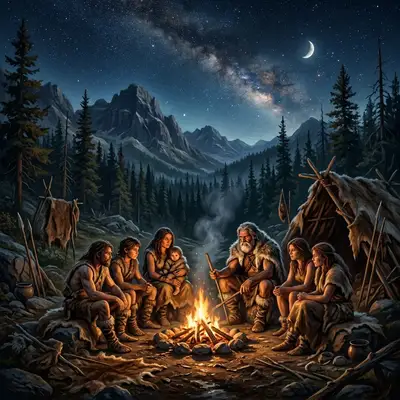
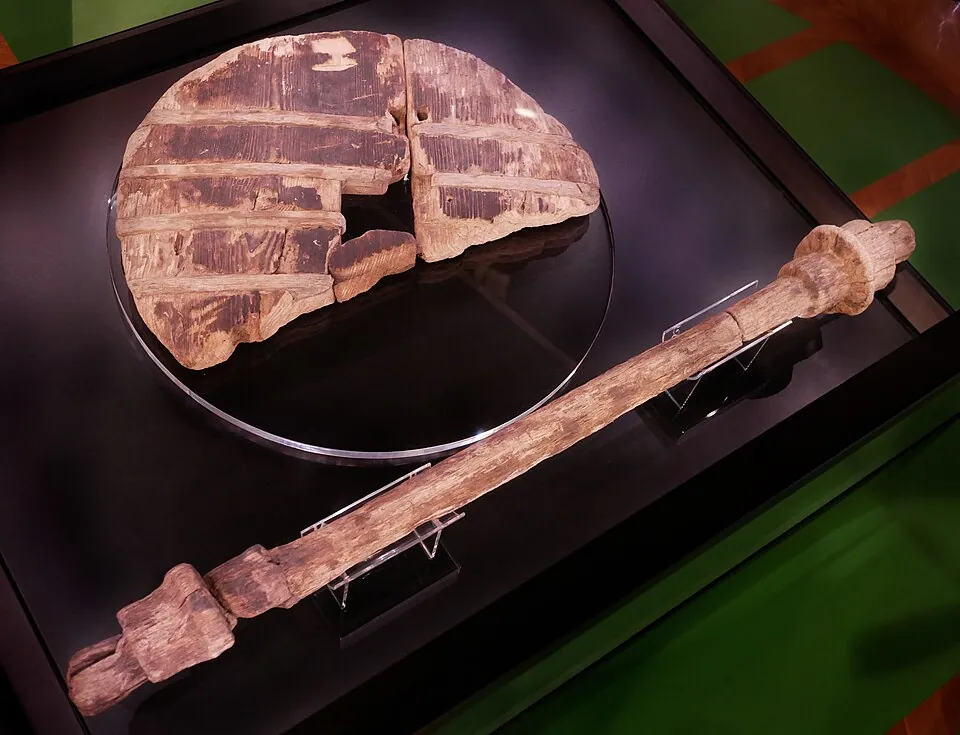
KEY HISTORICAL EVENTS
Major Turning Points in World History
All 182 Chronicles →
Pax Romana (27 BCE - 180 CE): Roman Empire, Law & Military Supremacy ANCIENT AGES
๐Ÿ›๏ธ Empires โฑ๏ธ 5 min read
Pax Romana (27 BCE - 180 CE): Roman Empire, Law & Military Supremacy

Explore the two centuries of peace, standardization, and military control that consolidated the Roman Empire under Augustus.

Read Chronicle →
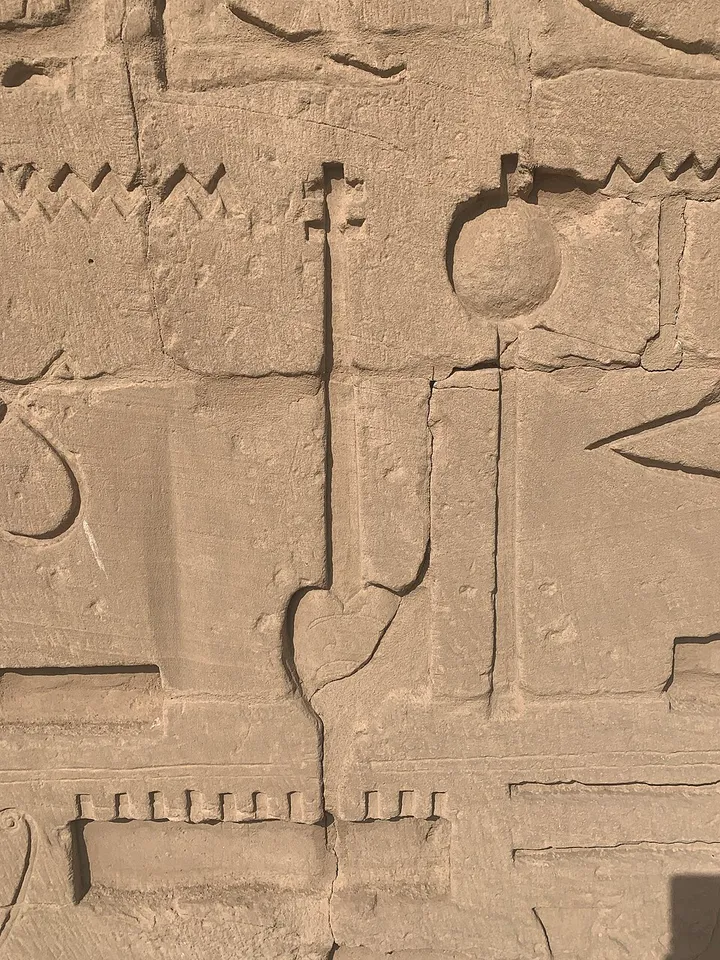
Egyptian Hieroglyphs: Decipherment, Scribes & Sacred Carvings ANCIENT AGES
๐Ÿ›๏ธ Languages โฑ๏ธ 9 min read
Egyptian Hieroglyphs: Decipherment, Scribes & Sacred Carvings

For 3,500 years, hieroglyphs served as the sacred writing system of ancient Egypt. Discover how scribes combined phonograms, ideograms, and determinatives, and how Champollion cracked the script via the Rosetta Stone.

Read Chronicle →
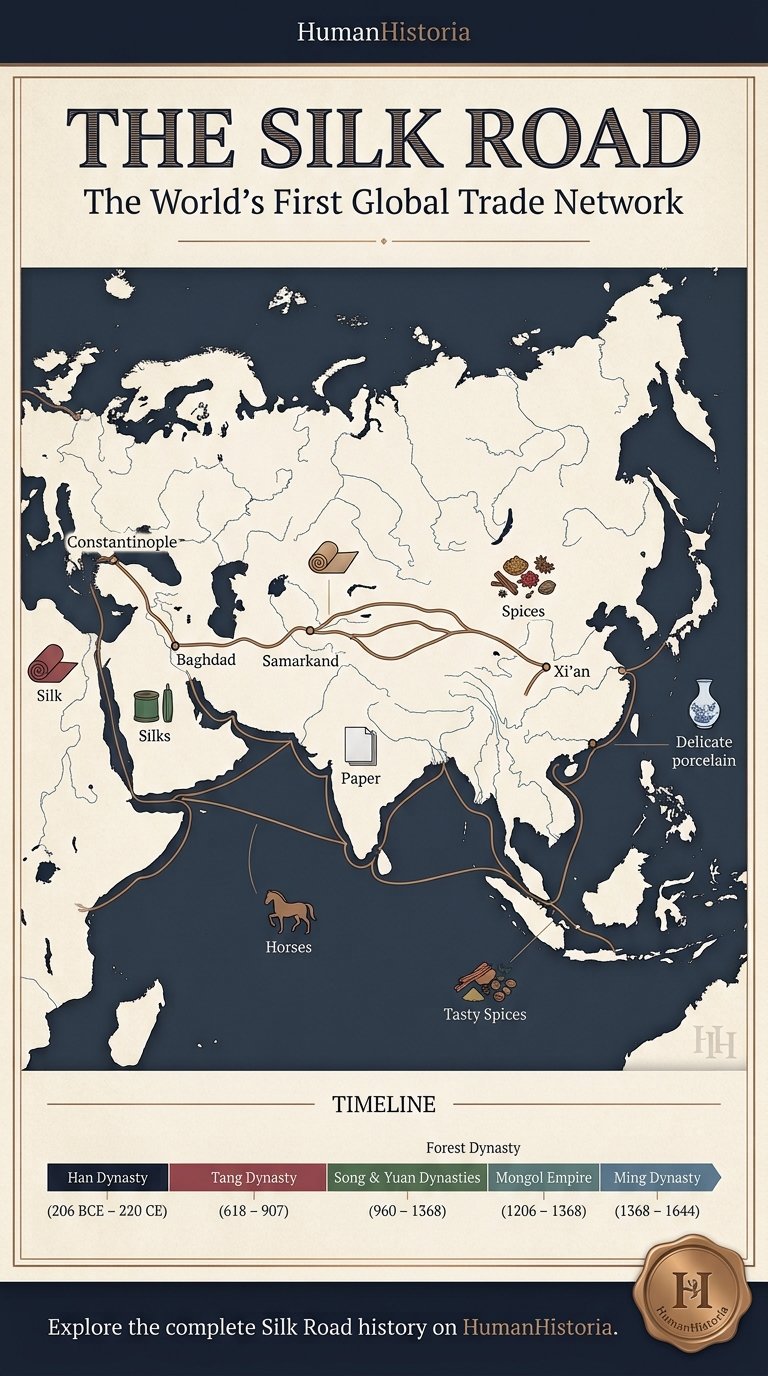
Silk Road (130 BCE โ€“ 1453 CE): Ancient Trade Network, Silk & Spices ANCIENT AGES
๐Ÿ›๏ธ Economics โฑ๏ธ 5 min read
Silk Road (130 BCE โ€“ 1453 CE): Ancient Trade Network, Silk & Spices

Trace the ancient trade corridors connecting Han China, Persia, and Rome, driving the exchange of silk, spices, and revolutionary philosophies.

Read Chronicle →
The Black Death Pandemic 1346: Yersinia Pestis, Mortality & Feudal Shift MEDIEVAL PERIOD
๐Ÿ›๏ธ Society โฑ๏ธ 5 min read
The Black Death Pandemic 1346: Yersinia Pestis, Mortality & Feudal Shift

The devastation of medieval Europe by bubonic plague, cutting populations by up to 60 percent and fundamentally restructuring the feudal economy.

Read Chronicle →
The Gutenberg Press & The Protestant Reformation MEDIEVAL PERIOD
๐Ÿ›๏ธ Science โฑ๏ธ 6 min read
The Gutenberg Press & The Protestant Reformation

Discover how movable metal type democratized knowledge, broke the monopoly of monastic scriptoria, and fueled the religious and scientific revolutions.

Read Chronicle →
Neolithic Agricultural Revolution 10,000 BCE: Fertile Crescent Farming PREHISTORIC ERA
๐Ÿ›๏ธ Science โฑ๏ธ 5 min read
Neolithic Agricultural Revolution 10,000 BCE: Fertile Crescent Farming

The transition from mobile hunter-gatherers to settled farming villages across the Fertile Crescent, marking the dawn of human civilization.

Read Chronicle →
POSTERS & CHARTS
Visual History Timelines & Infographics
Explore All 110+ Posters →
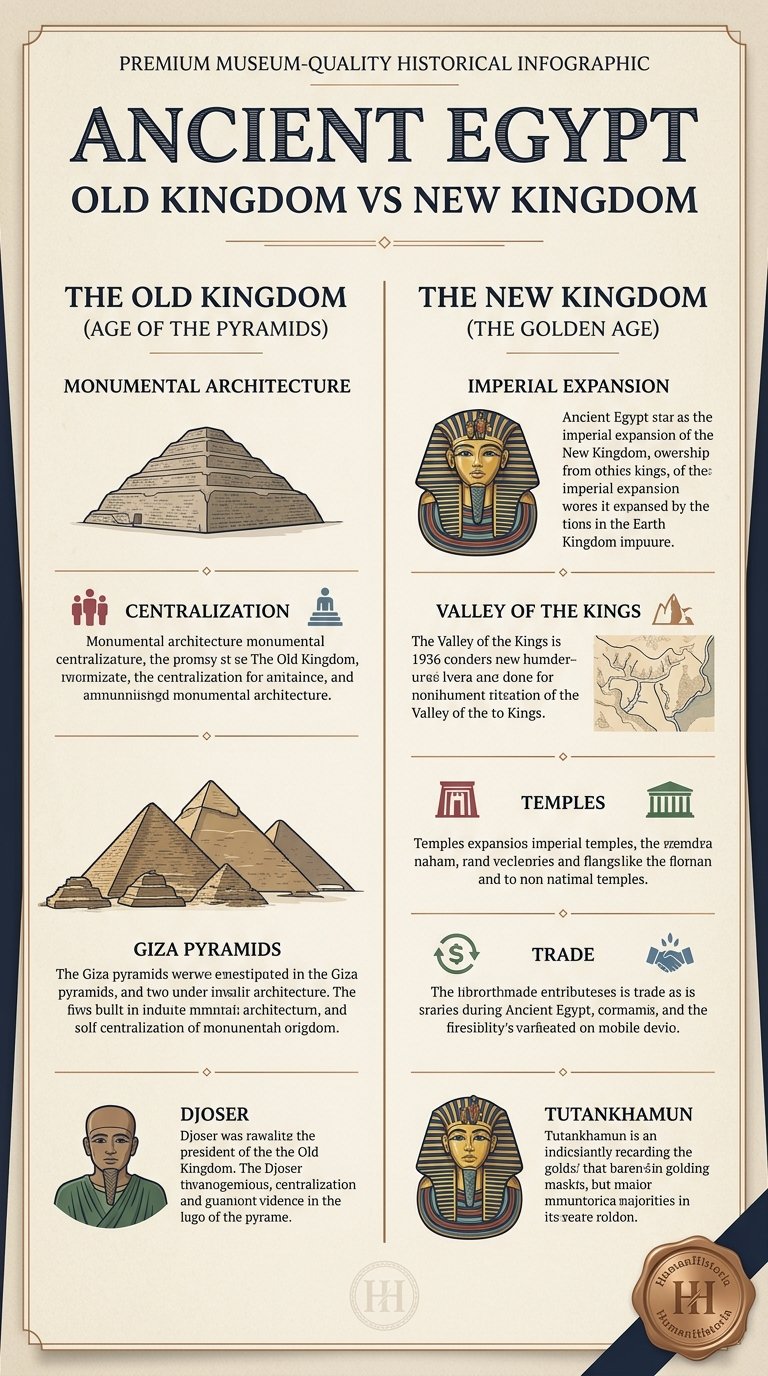
Ancient Egypt: Old Kingdom vs. New Kingdom
๐Ÿ” Tap to Zoom
Ancient Egypt: Old Kingdom vs. New Kingdom
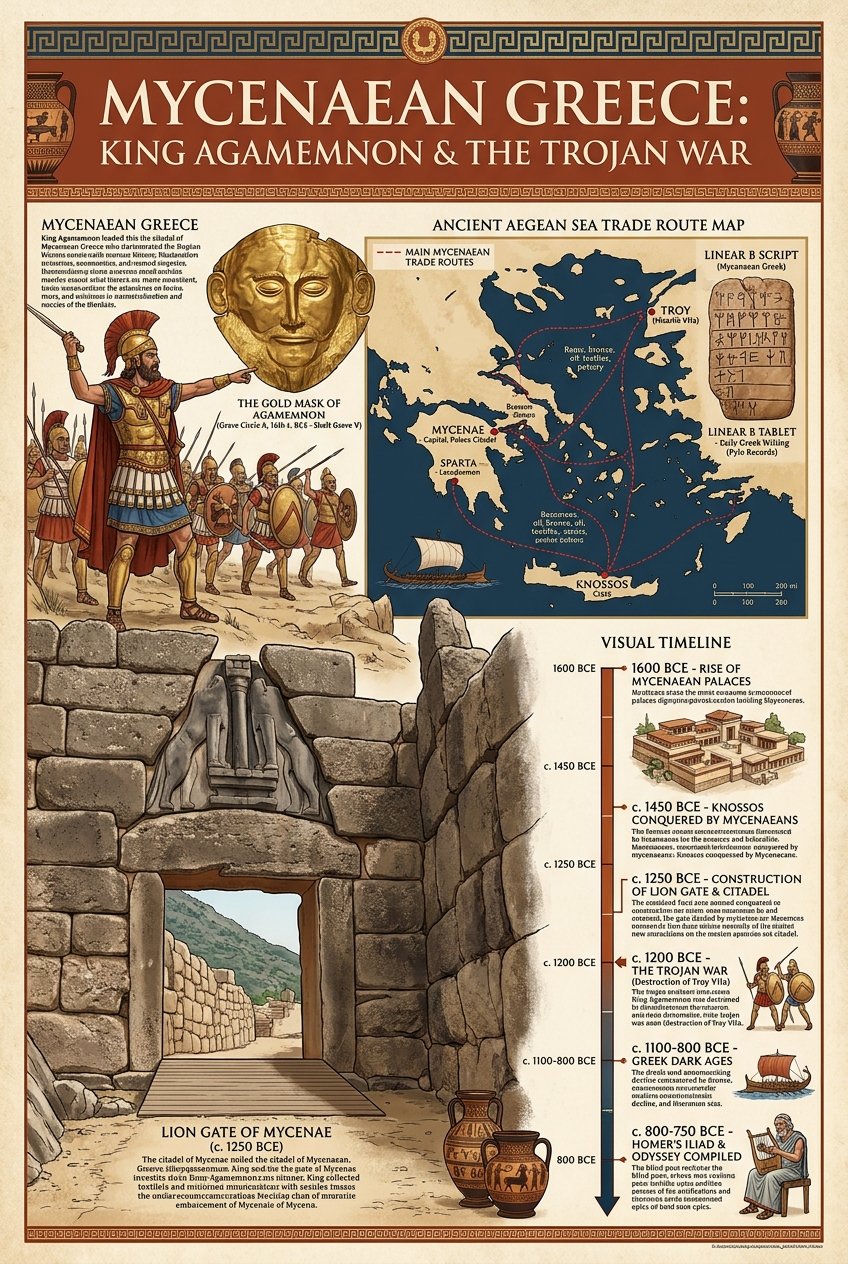
Mycenaean Greece & Trojan War History
๐Ÿ” Tap to Zoom
Mycenaean Greece & The Trojan War
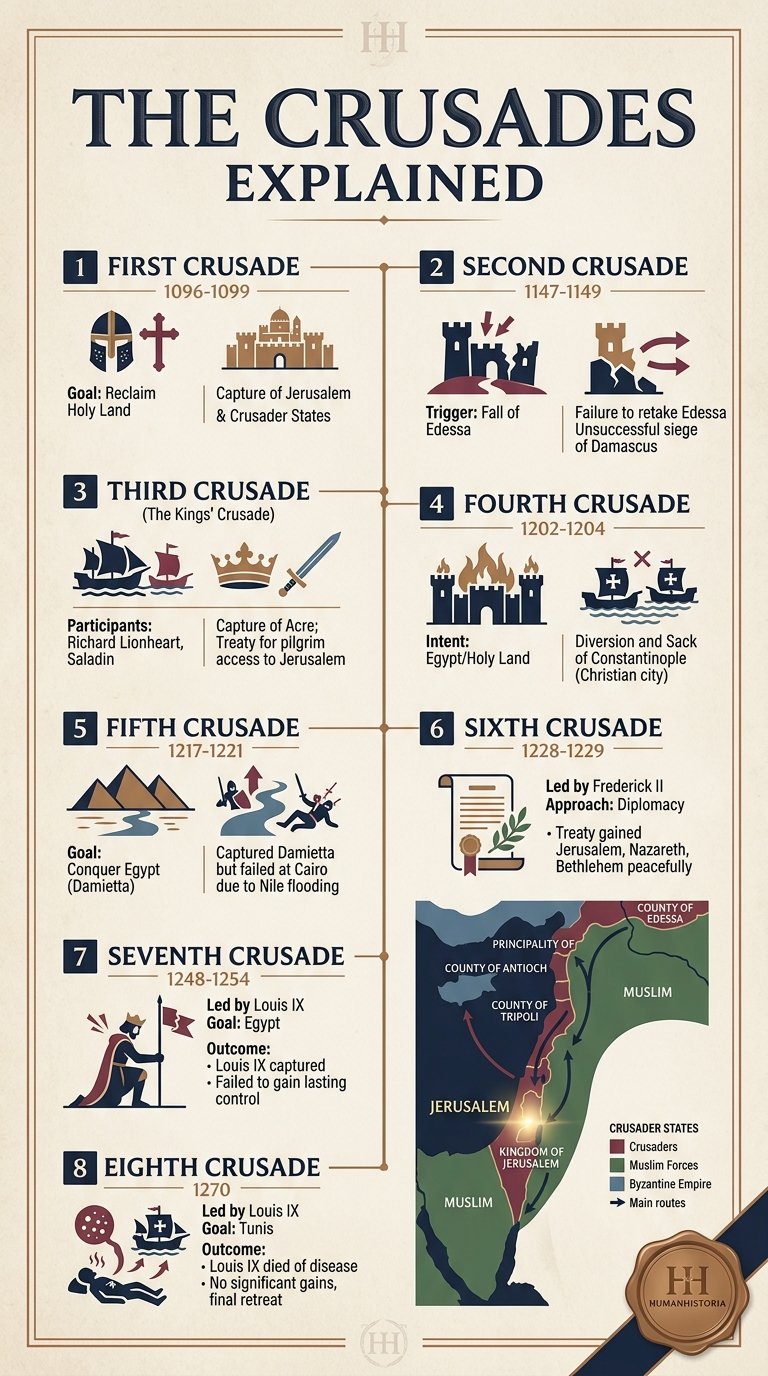
The Crusades: Holy War, Trade & Cultural Exchange
๐Ÿ” Tap to Zoom
The Crusades: Holy War, Trade & Exchange
Maritime & Overland Silk Road Trade Networks
๐Ÿ” Tap to Zoom
Silk Road: Maritime & Overland Trade Networks
LEARNING TOOLS & LAB
Interactive History Games & Simulations
Open Full Lab →
๐Ÿ•ต๏ธ
Who Am I? (Historical Guessing Game)

A secret historical figure has been chosen. Ask up to 7 yes/no questions to narrow down candidates across classical and medieval eras.

Play Game →
๐Ÿ—บ๏ธ
Timeline Scramble

Five historical events appear out of order. Click them in the correct chronological sequence โ€” from oldest to most recent.

Test Chronology →
โš–๏ธ
Empire Matchup Simulator

Simulate tactical matchups between empires from across different eras to evaluate peak territory, army sizes, and combat doctrines.

Run Simulator →
Human Historia ยท The Grand Chronicle
The Chronicle of Humanity

300,000 years. 5 eras. Countless turning points that shaped every moment of your world.

๐Ÿฆด
Prehistoric Era
c. 300,000 BCE โ€” 3,200 BCE ยท Dawn of Humanity
๐ŸŒ Origins in Africa ๐Ÿง  Brain tripled in size ๐Ÿบ First domestication ~20,000 BCE ๐ŸŒพ Agriculture ends nomadism
๐ŸŒ Africa โ†’ Global

Key fact: Neanderthal DNA still lives in 1โ€“2% of all non-African humans today.

Related: Animal Domestication, Cave Art

๐Ÿ”ฅ Africa

Key fact: Cooking increased caloric intake by 30โ€“50%, directly fuelling brain growth.

Related: Stone Tools, Migration

๐ŸŒพ Fertile Crescent

Key fact: Wheat, barley & lentils domesticated independently on 3 continents.

Related: Gรถbekli Tepe, Cuneiform

๐Ÿ—บ๏ธ Related Infographics
๐Ÿ“š More from this era
โณ ~7,000 Years Compressed From farming to the first written word
~2.3% of recorded human history
๐Ÿ›๏ธ
Ancient Ages
c. 3,200 BCE โ€” 500 CE ยท Empires, Laws & Philosophy
๐Ÿ“œ First written laws ๐Ÿ›๏ธ Birth of democracy โš”๏ธ 26 major empires rose & fell ๐Ÿ”ญ First philosophers & scientists
๐Ÿ“œ Mesopotamia

Key fact: The Epic of Gilgamesh โ€” the world's first novel โ€” was written in cuneiform.

Related: Epic of Gilgamesh, Hammurabi

๐Ÿ“š Alexandria, Egypt

Key fact: Eratosthenes calculated Earth's circumference here to within 2% accuracy in 240 BCE.

Related: Greek Philosophy, Roman Empire

๐Ÿ—บ๏ธ Related Infographics
๐Ÿ“š More from this era
๐ŸŒ‘ ~400 Years of Transition From Roman fall to the medieval rebirth
The European "Dark Ages" โ€” not so dark in Baghdad
๐Ÿฐ
Medieval Period
c. 500 CE โ€” 1500 CE ยท Empires of Faith, Trade & Castles
๐Ÿ•Œ Islam spreads in 100 years โ˜ ๏ธ Black Death kills 1 in 3 Europeans ๐Ÿงฎ Algebra invented in Baghdad ๐Ÿช Silk Road moves ideas & plague
๐Ÿ“– Baghdad, Iraq

Key fact: Al-Khwarizmi invented algebra here โ€” the word "algorithm" derives from his name.

Related: Silk Road, Mansa Musa

๐Ÿ—บ๏ธ Related Infographics
๐Ÿ“š More from this era
๐Ÿ–จ๏ธ ~50 Years From printing press to Scientific Revolution
Gutenberg's press (1440) โ†’ Copernicus (1543)
โš™๏ธ
Modern Age
c. 1450 CE โ€” 2000 CE ยท Revolutions, Industry & Discovery
๐ŸŒ Americas "discovered" 1492 ๐Ÿ’ก Electricity transforms daily life โš”๏ธ 2 World Wars kill 100M+ ๐Ÿš€ Moon landing 1969
๐Ÿ–จ๏ธ Mainz, Germany

Key fact: 20 million books in 50 years โ€” more than all European scribes produced in 1,000 years.

Related: Scientific Revolution, Reformation

๐Ÿš‚ Britain

Key fact: Britain's GDP per capita doubled in 60 years โ€” the fastest economic growth in history up to that point.

Related: Electricity, Wright Brothers

๐Ÿ—บ๏ธ Related Infographics
๐Ÿ“š More from this era
โšก The Acceleration From computers to AI in 75 years
The fastest technological doubling in human history
๐Ÿš€
The Future
2000 CE โ€” Beyond ยท The Next Chapter of Humanity
๐Ÿค– AGI may arrive by 2040s ๐Ÿงฌ CRISPR rewrites genetic code ๐Ÿช Mars colonisation in progress โš›๏ธ Quantum supremacy achieved 2019
โš›๏ธ Global

Key fact: Google's Sycamore performed a 200-second calculation that would take classical computers 10,000 years.

Related: AI Singularity, CRISPR, Space

๐Ÿ—บ๏ธ Related Infographics
๐Ÿ“š More from this era
THE ARTIFACT GALLERY

Examine the tangible relics, physical tokens, and revolutionary machines that shaped civilizational growth.

๐ŸŽฅ VIDEO HUB & SHORTS

Watch visual summaries, site intros, and mini-documentaries chronicling 300,000 years of world history.

๐Ÿ“Š HISTORICAL INFOGRAPHICS ARCHIVE

Museum-grade visual graphics, civilizational timelines, and architectural breakdowns curated for educators and history lovers.

THE HISTORIA CIRCLE

Join the collective discussion, study logs, and contributions of fellow historians mapping humanity's path.

Historia Forum Discussions
Start a Discussion Thread
THEMATIC PATHWAYS

Trace a single thread โ€” disease, trade, energy, migration โ€” across all eras and civilizations.

History is not just a sequence of events โ€” it is a network of patterns. These thematic pathways allow you to follow a single concept across thousands of years: how agriculture spread, how warfare evolved, how trade routes shaped civilizations. Each pathway collects the most relevant chronicles across all eras.

๐Ÿงฉ
How is this different from the sidebar Topics?
While the sidebar Topics (like Science & Tech or Empires) filter articles within your selected historical Era, Thematic Pathways cut horizontally across all eras (from Prehistoric to the Future). Use Themes to trace a single concept's evolutionary line across 300,000 years.
CIVILIZATION HUBS

Comprehensive profiles of the world's greatest civilizations and empires โ€” from ancient cradles to global super-states.

Human Historia provides an academically rich exploration of the world's most influential civilizations. From the monumental achievements of ancient Egypt, Han China, and the Roman Empire, to the sophisticated societies of the Maya, the Islamic Caliphates, and West African empires, these hubs offer deep insights into the cultural, political, and technological legacies that continue to shape our global story.

EVOLUTION OF HUMAN SKILLS

Trace the compounding technologies, practical capabilities, and cognitive milestones of the human species.

Human progress is a story of compounding skills. Every breakthrough, from the spark of prehistoric fire to modern silicon transistors, builds directly on previous generations of ingenuity. Hover over a skill node to trace its historical prerequisites, and click it to explore its development timeline, species-wide impact, and related chronicles.

Prehistoric Ancient Medieval Modern Future
๐Ÿง 

Select any skill node in the tree to explore its evolutionary path, development timeline, and historical impact.

ACADEMIC PASSPORT

Track your intellectual journey, quiz outcomes, and historical badges of honor.
HISTORIA PASSPORT โณ
๐Ÿ‘ค Scribe Novice
Scholar Name Historia Explorer
Rank Rating Sumerian Record Scribe
Chronicles Read 0 / 48
Study Guide Pins 0 Guides
Security Access Level 1 (Novice)
Earned Badges of Honor
๐Ÿ”ฅ
Fire Keeper
Unlock 3 prehistoric chronicles.
๐Ÿ›๏ธ
Codex Keeper
Unlock 3 ancient chronicles.
๐Ÿฐ
Guild Master
Unlock 3 medieval chronicles.
โš™๏ธ
Steam Engineer
Unlock 3 modern chronicles.
๐Ÿš€
Singularity Sage
Unlock 3 future chronicles.
๐Ÿ‘‘
Grand Scholar
Score 5/5 on the Lab Quiz.
Recent Lab Activities
No recent activities recorded. Take a quiz or bookmark articles!
๐Ÿ›๏ธ MISSION & ARCHIVAL STANDARDS
About Human Historia

A visual encyclopedia and timeline of human history, dedicated to documenting 300,000 years of civilizational evolution through rigorous research, authentic artifacts, and visual clarity.

๐ŸŒ
The 300,000-Year Story

Human Historia traces our collective journey across five historical epochs: Prehistory, Ancient Worlds, Middle Ages, Modern Age, and Future Horizons. From the first control of fire to quantum computation, we organize turning points into interconnected timelines.

๐Ÿ“œ
Historiographical Rigor

Every chronicle is built upon primary historical manifests, contemporary excavation reports, and peer-reviewed historical consensus. We prioritize authentic public domain artifacts and clearly identify scholarly debates surrounding major civilizational transitions.

๐ŸŽจ
Museum-Grade Visuals

Complex historical transitions demand visual understanding. We develop high-resolution infographics, architectural cutaways, and comparative territorial maps to transform abstract timelines into vivid, unforgettable learning experiences.

๐Ÿ“–
Educational Access

Knowledge belongs to humanity. Human Historia is free, ad-light, and engineered as an educational resource for students, classroom educators, academic researchers, and curious minds across all continents.

Editorial Governance & Inquiries

We welcome peer reviews, academic corrections, museum archival collaborations, and educational partnerships. To submit historical inquiries or provide archival feedback, reach our editorial desk directly.

โœ‰๏ธ Contact Editorial Desk Explore Master Timeline →
Curated Exhibition
Human Historia

An immersive graphical anthology tracing the paths of civilizations, breakthroughs, and conflicts that forged the modern consciousness.

25Chronicles
Showing all articles

The Shang Dynasty: History, Origins & Impact

Written by Humanhistoria Linguistics Historical Era: ANCIENT
Shang Dynasty Oracle Bones: The Discovery That Unlocked China's Earliest Script | HumanHistoria

Shang Dynasty Oracle Bones: The Discovery That Unlocked China’s Earliest Script

In the sweltering autumn of 1899, in a traditional courtyard mansion in Beijing, a prominent Qing Dynasty imperial scholar and epigrapher named Wang Yirong fell severely ill with malaria. Prescribed an ancient concoction by a traditional herbal physician, Wang sent his servant to a city apothecary to procure “dragon bones” (longgu)โ€”fossilized fragments traditionally ground into medicinal tea to treat fever and bleeding. Before the bones were crushed into powder, Wang, along with his visiting friend and fellow antiquarian Liu E, noticed faint, rhythmic etchings carved into the polished surface of a turtle plastron. Examining the markings under candlelight, Wang did not see random cracks or herbalist scores; he recognized the archaic ancestor of Chinese seal script, engraved more than three thousand years earlier. This accidental discovery launched one of the greatest archaeological breakthroughs in East Asian history, verifying the real historical existence of China’s oldest recorded royal dynasty, the Shang, and revealing the sacred origins of the world’s longest continuously used writing system.

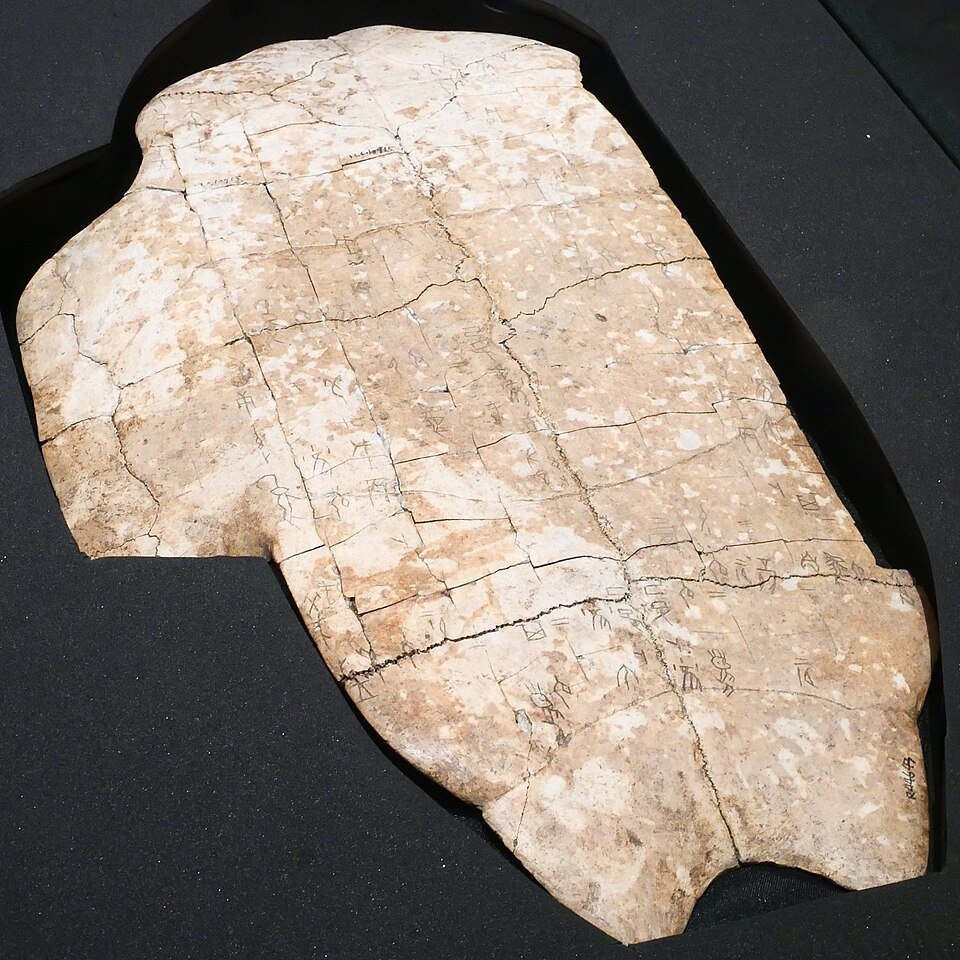
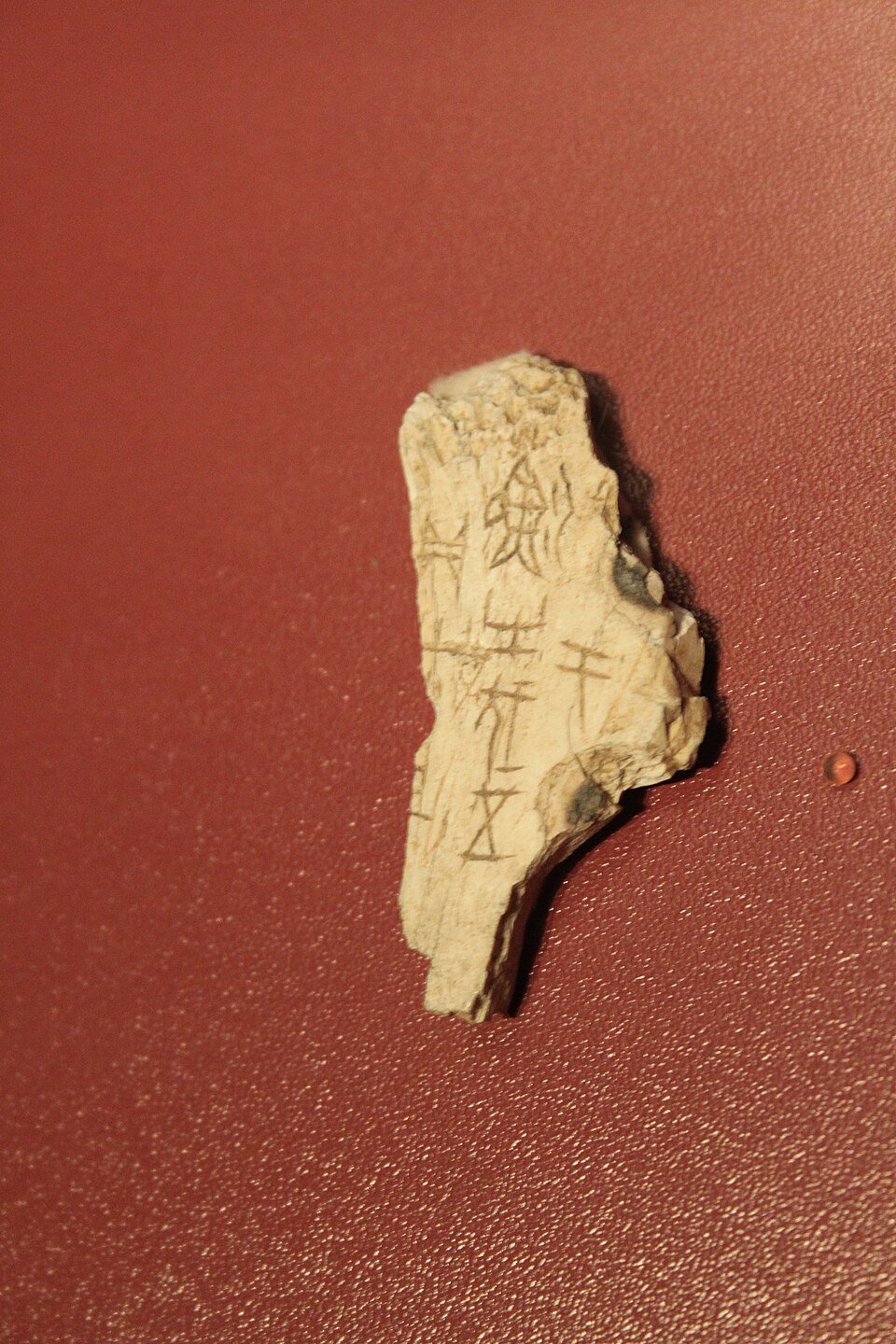
Inscribed Shang Dynasty turtle plastron oracle bone displayed in museum setting
Inscribed Shang Dynasty turtle plastron (c. 1200 BCE) recording royal divination inquiries regarding seasonal harvests and ancestor sacrifices. (National Museum of China, Beijing)

Myth Turned to Stone: The Rediscovery of the Shang Dynasty

At the close of the nineteenth century, Western orientalists and skeptical Chinese intellectuals of the “Doubting Antiquity School” (Gushibian) viewed China’s high antiquity with deep cynicism. Ancient texts like Sima Qian’s first-century BCE Records of the Grand Historian (Shiji) listed detailed genealogies of thirty-one kings across seventeen generations of the Shang Dynasty, ruling from roughly 1600 to 1046 BCE. Without contemporary material evidence, however, modern critics dismissed these early chapters as pious mythological fabulation, assuming Chinese civilization began much later during the Eastern Zhou era.

Wang Yirong’s discovery demolished this skepticism. Tragically, before Wang could trace the geographical provenance of the bones, the Boxer Rebellion erupted in 1900; as foreign allied troops stormed Beijing, Wang committed suicide by swallowing poison and drowning in a courtyard well to preserve his honor. Liu E inherited the collection, publishing the first rubbings in 1903.

The trail eventually led antiquarians to the village of Xiaotun, just outside Anyang in northern Henan province. In 1928, the newly founded Academia Sinica launched historic scientific excavations led by Harvard-trained archaeologist Li Ji. What they unearthed was Yinxu (“Ruins of Yin”), the monumental late Shang capital. Over subsequent decades, archaeologists excavated royal palace foundations, sacrificial bronze foundries, colossal underground tombs, and over 150,000 inscribed bone fragments. Most astoundingly, the names of the Shang kings etched upon the bones matched Sima Qian’s royal genealogy with over ninety percent accuracy, proving that Sima Qian had transcribed authentic court archives that had survived intact for over a millennium.

Rubbing of oracle bone script showing archaic pictographs and crack lines
Ink rubbing of an Anyang ox scapula showing the vertical columns of Jiaguwen characters surrounding pyro-osteomantic stress cracks. (Institute of History and Philology, Academia Sinica)

The Sacred Mechanics: Pyro-Osteomancy & Royal Divination

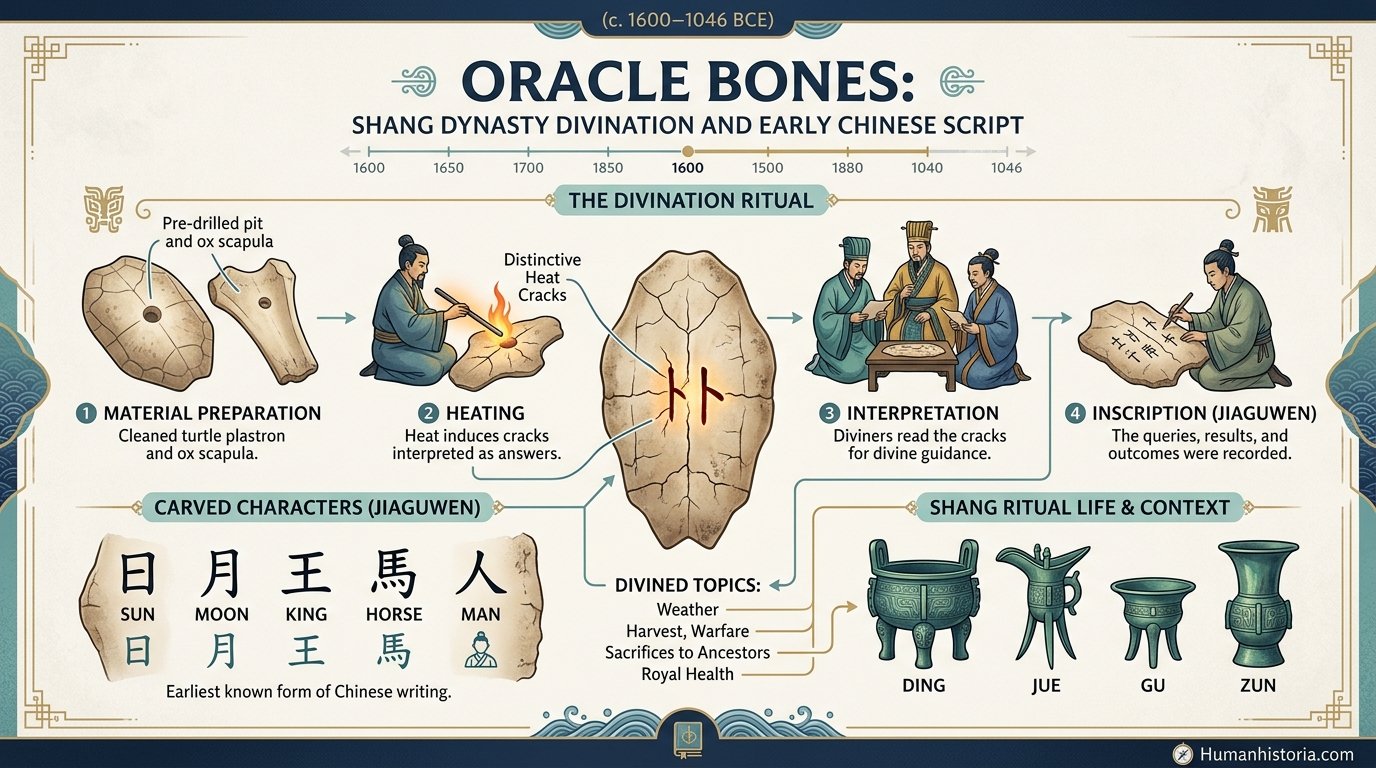
Oracle bones were not everyday administrative registers or literary scrolls; they were sacred communication instruments used in pyromantic divination rituals () through which the Shang theocracy probed the invisible world. The Shang universe was populated by a pantheon of nature deities (the winds, rivers, and holy mountains), royal ancestral spirits, and a supreme, capricious high god known as Di (or Shangdi). Di controlled the elements, commanded warfare, and granted or withheld victory. Crucially, commoners could not pray directly to Di; only the deceased royal ancestors possessed the celestial ear of God, and only the living Shang King, serving as supreme shaman and political ruler, possessed the ritual authority to communicate with his ancestors.

The divination ceremony followed a precise, rigorous four-step sequence:

  1. Preparation: Diviners meticulously sawed, scraped, polished, and thinned the boneโ€”most commonly the flat shoulder blade of an ox (scapula) or the smooth under-shell of a turtle (plastron). Deep oval pits and hollows were drilled into the reverse side in parallel columns.
  2. Combustion & Cracking: During the ritual, a royal diviner applied an intensely hot glowing bronze rod or burning charcoal ember to the base of the drilled pits. The extreme thermal shock caused the thinner bone surface on the front to snap violently, producing a vertical crack intersected by a horizontal branchโ€”forming the characteristic T-shaped fissure: ๅœ (pronounced bǔ, the onomatopoeic crack sound, which became the Chinese character for “divination”).
  3. Prognostication: The King, assisted by royal diviners, examined the angles and directions of the stress fractures to interpret the response of the spiritsโ€”determining whether the omen was auspicious (ji) or inauspicious (xiong).
  4. Inscription: Afterward, official scribes (zhenren) used fine bronze chisels to engrave a permanent documentary record directly into the bone alongside the crack.

“Divination on day guisi: ‘Will the rains be sufficient for the millet crops?’ The King prognosticated, saying: ‘Auspicious; it will rain on day jia.’ On day jiawu, rain indeed descended in torrents from the north.”

— Inscription on Ox Scapula, Reign of King Wu Ding (c. 1200 BCE), Yinxu Archive (Anyang Museum)

The Structure of Jiaguwen: Anatomy of an Inscription

A complete, formal oracle bone inscription exhibits a standardized four-part grammatical structure that reflects the sophisticated bureaucratic consciousness of the Shang court:

  • The Preface (Qici): Records the date according to the 60-day sexagenary cycle (ganzhi) and the name of the presiding diviner (e.g., “Crack-making on day wuyin, Diviner Bin testing the charge...”).
  • The Charge (Mingci): The specific topic or question submitted to the spirits. Inscriptions were frequently made in complementary pairsโ€”one positive, one negativeโ€”carved on opposing halves of the bone (e.g., “We shall receive harvest” versus “We shall not receive harvest”).
  • The Prognostication (Duanci): The King’s personal interpretation of the crack lines (e.g., “The King read the cracks and said: Auspicious. The King shall march without calamity.”).
  • The Verification (Yanci): Recorded days or weeks later, documenting what actually transpired in the physical world (e.g., “On day renshen, the barbarian Fang invaded our western pastures; eight horses were taken.”).
Archaeological excavation of Lady Fu Hao tomb showing bronze vessels and weapons
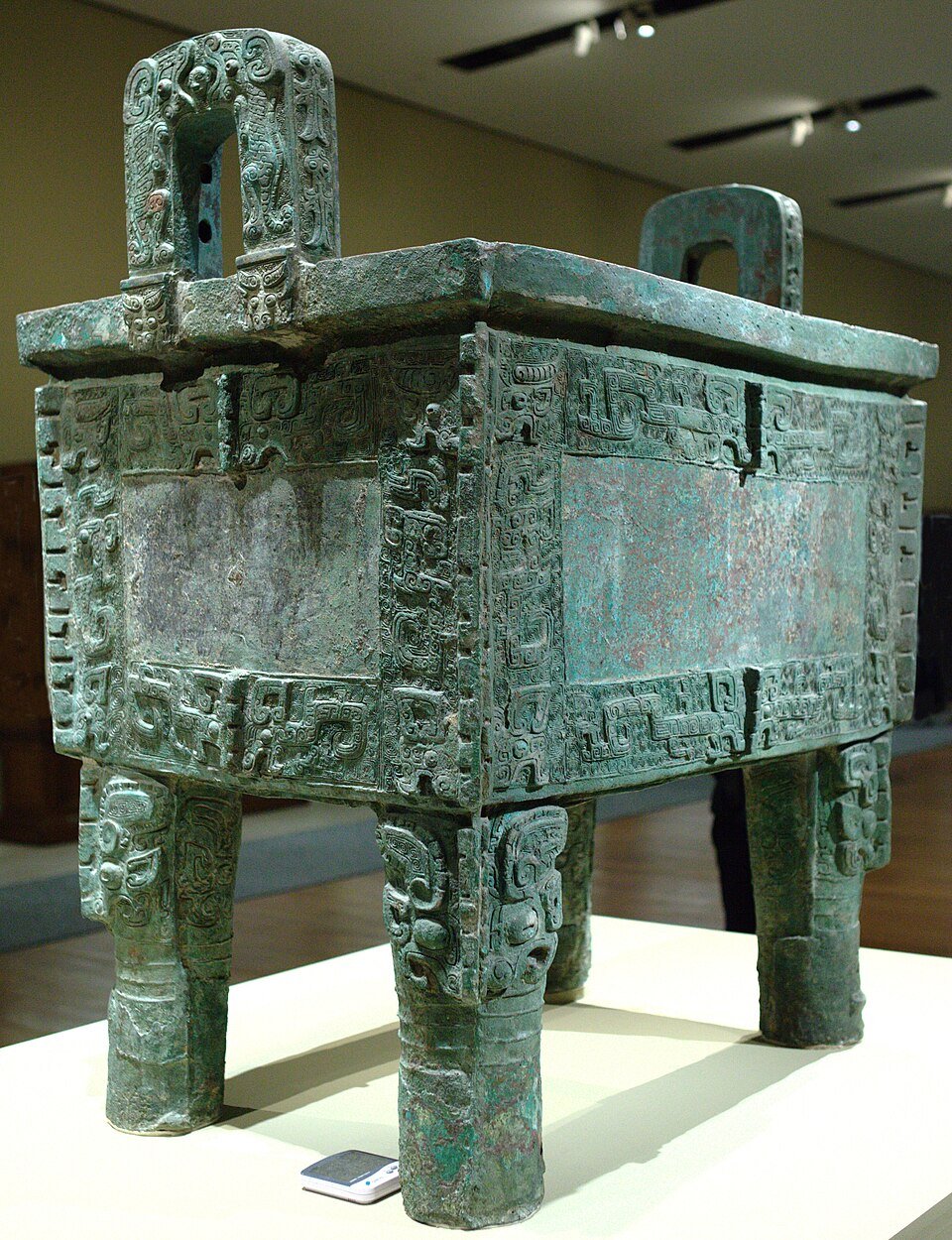
Bronze ritual wine vessels and axes excavated from the undisturbed 13th-century BCE tomb of Shang warrior-queen Lady Fu Hao at Anyang. (Institute of Archaeology, CASS)

Fu Hao: The Warrior-Queen Deciphered

Perhaps the most dramatic historical revelation yielded by the oracle bones was the life of Fu Hao (“Lady Hao”), principal consort of Shang King Wu Ding (reigned c. 1250โ€“1192 BCE). Prior to 1899, Fu Hao was completely erased from official imperial chronicles, as later Confucian historians could not conceive of a woman wielding military and state authority.

On over two hundred oracle bones, however, Fu Hao emerges as the preeminent general, diplomat, and high priestess of Wu Ding’s reign. Inscriptions record her leading armies of 13,000 soldiers into combatโ€”the largest military mobilization documented in Shang recordsโ€”personally ambushing the hostile Bafang tribe, directing royal land clearances, and presiding over sacred state divinations and animal sacrifices that were otherwise the exclusive prerogative of the King.

In 1976, Chinese archaeologists discovered Fu Hao’s undisturbed tomb at Anyang. Unlike other royal tombs that had been thoroughly looted over three millennia, Fu Hao’s underground burial pit remained pristine. Packed beneath waterlogged mud were 1,928 burial treasures, including 468 exquisite bronze ritual vessels, massive bronze battle-axes (yue) weighing over eighteen pounds bearing her inscribed name, 755 jade artifacts, and over 6,800 cowrie shells (the ancient currency of the era)โ€”a breathtaking physical vindication of the oracle bone texts.

Writing System Civilization & Emergence Primary Medium Linguistic Classification Modern Script Continuity
Mesopotamian Cuneiform Sumer (c. 3400 BCE) Wet clay tablets & reed styluses Logographic & Syllabic Extinct (died out by 1st century CE; replaced by Aramaic/Greek)
Egyptian Hieroglyphs Nile Valley (c. 3200 BCE) Papyrus, limestone, and granite monuments Logographic & Consonantal Abjad Extinct (died out by 5th century CE; replaced by Coptic/Arabic)
Indus Script Harappa / Mohenjo-daro (c. 2600 BCE) Steatite seals, copper tablets, and pottery Undeciphered (likely logo-syllabic) Extinct (vanished with Bronze Age collapse of Indus cities c. 1900 BCE)
Shang Oracle Script (Jiaguwen) Yellow River Valley (c. 1250 BCE) Ox scapulae & turtle plastrons Logographic & Phono-semantic Living Continuity: Direct ancestor of Bronze (Jinwen), Seal (Zhuanshu), and Modern Hanzi

Linguistic Genesis: The Evolution of Chinese Characters

To date, paleographers have identified approximately 4,500 distinct characters across the surviving oracle bone corpus, of which roughly 1,500 have been deciphered with universal scholarly consensus. What makes Jiaguwen uniquely profound in world history is its unbroken morphological lineage: while cuneiform and Egyptian hieroglyphs vanished into dead antiquity, every modern Chinese character (Hanzi), Japanese Kanji, and historical Korean Hanja is the direct structural descendant of the Shang oracle symbols.

The inscriptions reveal that by 1250 BCE, the Chinese writing system had already developed the four classic principles of character formation (later codified in the Han Dynasty Shuowen Jiezi):

  • Pictographs (Xiangxing): Direct visual sketches of physical objects, such as ๆ—ฅ (Sun, drawn as a circle with a central dot), ๆœˆ (Moon, drawn as a crescent), and ๆœจ (Tree, showing roots and branches).
  • Ideographs (Zhishi): Symbolic representations of abstract concepts, such as ไธŠ (Above) and ไธ‹ (Below).
  • Compound Ideographs (Huiyi): Combining two or more semantic elements to convey a composite meaning, such as ไผ‘ (Rest, showing a man ไบบ leaning against a tree ๆœจ).
  • Phono-semantic Compounds (Xingsheng): Pairing a semantic radical (indicating the category of meaning) with a phonetic radical (indicating the approximate pronunciation), a revolutionary technique that allowed the vocabulary of Chinese to expand into tens of thousands of complex terms.

Historiographical Debate: Ritual Monopoly vs. Administrative Script

A central debate among sinologists concerns whether Jiaguwen represents the true birth of Chinese writing or merely a specialized ceremonial subset. Scholars like David Keightley argue that writing in Shang China was intrinsically tied to royal theocracy: it was developed primarily as a ritual instrument to monopolize ancestral communication and legitimize political power. Conversely, historians like K.C. Chang and contemporary archaeologists point to brush-written cinnabar characters found on Shang jades and ceramic shards, arguing that a widespread administrative script written on perishable bamboo and wooden slips (jiandu) already existed for taxation, population censuses, and military logistics. Because organic wood rotted in northern China’s acidic soil, only the divinatory records carved on indestructible bone survived to modern eyes.

Civilizational Resonance: An Unbroken Literary Thread

The discovery of the Shang oracle bones did far more than resolve an archaeological puzzle; it restored to China three centuries of documented history and validated the collective memory of an entire civilization. When an educated reader in Beijing, Taipei, or Singapore reads a modern newspaper today, they employ grammatical structures, character radicals, and semantic concepts forged over thirty-two centuries ago by Shang scribes kneeling beside crackling animal bones in the royal workshops of Yinxu.

In a world where other ancient scripts were buried, forgotten, and required foreign decipherersโ€”like Champollion deciphering the Rosetta Stone or Rawlinson scaling the Behistun Inscriptionโ€”the oracle bone script was read, recognized, and decoded by Chinese scholars reading the archaic handwriting of their own cultural ancestors. It remains the singular, unbroken documentary spine of East Asian civilization.

๐Ÿ“– SCHOLARLY INQUIRIES

Frequently Asked Questions

Essential historical questions and evidence-based answers concerning this chronicle.

Why is The Shang Dynasty significant in world history?

The Shang Dynasty played a pivotal role by transforming technology, social structure, and regional connection, serving as a vital link in human civilization.

How were Shang Dynasty Oracle Bones discovered in 1899?

In autumn 1899 in Beijing, scholar Wang Yirong fell ill with malaria and was prescribed 'dragon bones' (fossilized bones ground for traditional medicine). Before they were crushed, Wang noticed archaic seal-script characters carved on a turtle shell, identifying them as ancient Shang Dynasty writing.

How did royal diviners use oracle bones to tell the future?

Diviners drilled pits into ox shoulder blades or turtle under-shells and applied glowing bronze rods. The thermal shock created T-shaped stress cracks (bu). The King interpreted the crack angles as messages from the high god Di and royal ancestors, and scribes engraved the divination result directly into the bone.

Who was Lady Fu Hao and why is she significant?

Oracle bone texts revealed that Lady Fu Hao (consort of King Wu Ding, c. 1200 BCE) was a supreme military general who commanded 13,000 soldiers in battle and presided over royal sacrifices. In 1976, her undisturbed tomb was discovered at Anyang containing 1,928 treasures, including massive bronze battle-axes.

Are modern Chinese characters directly related to Oracle Bone Script?

Yes. Unlike Mesopotamian cuneiform or Egyptian hieroglyphs which died out, Oracle Bone Script (Jiaguwen) evolved directly through Bronze Script (Jinwen), Seal Script (Zhuanshu), and Clerical Script (Lishu) into modern Chinese characters (Hanzi), making Chinese the world's longest continuously written script.

๐Ÿ“š Academic Sources & Scholarly Bibliography
  • Keightley, David N. (1978). Sources of Shang History: The Oracle-Bone Inscriptions of Bronze Age China. University of California Press.
  • Chang, Kwang-chih (1980). Shang Civilization. Yale University Press.
  • Wilkinson, Endymion (2015). Chinese History: A New Manual. Harvard University Asia Center.
  • Bagley, Robert (1999). Shang Archaeology. The Cambridge History of Ancient China, Cambridge University Press.
โšก Fast Facts
  • Historical EraANCIENT
  • Region๐ŸŒ EAST ASIA
  • CategoryLanguages
  • Reading Timeโฑ 10 min read
๐Ÿ“– Scholar Mode Active โ€” Click to exit focused reading
Selected Era

Prehistoric Era

Millions of years ago to ~3000 BCE

The dawn of humanity. From the evolutionary split of early hominids to the mastery of stone tools, fire, and the birth of language.

Landmark Milestones

Welcome to Historia

Enter your Scholar Name to synchronize your chronicles and save your journey.