๐Ÿ›๏ธ HUMAN HISTORIA ARCHIVE
EXPLORE 300,000 YEARS OF WORLD HISTORY

Comprehensive historical chronicles, authentic museum artifacts, and high-resolution timeline posters documenting the evolution of human civilization.

KEY HISTORICAL EVENTS

Major Turning Points in World History

All 182 Chronicles →
Pax Romana (27 BCE - 180 CE): Roman Empire, Law & Military Supremacy ANCIENT AGES
๐Ÿ›๏ธ Empires โฑ๏ธ 5 min read

Pax Romana (27 BCE - 180 CE): Roman Empire, Law & Military Supremacy

Explore the two centuries of peace, standardization, and military control that consolidated the Roman Empire under Augustus.

Read Chronicle →
Egyptian Hieroglyphs: Decipherment, Scribes & Sacred Carvings ANCIENT AGES
๐Ÿ›๏ธ Languages โฑ๏ธ 9 min read

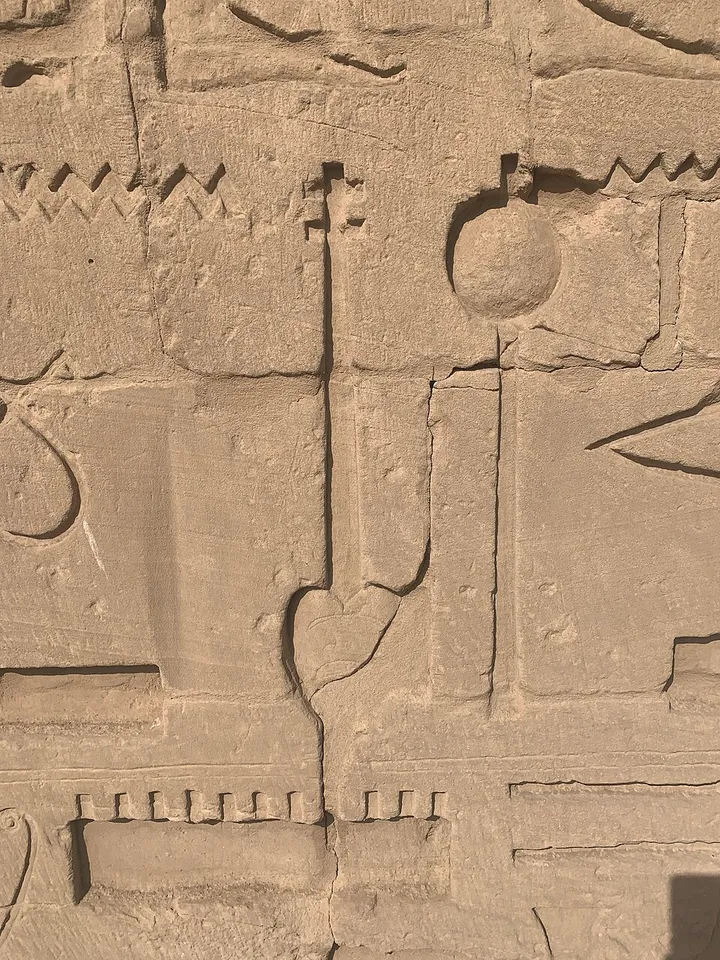
Egyptian Hieroglyphs: Decipherment, Scribes & Sacred Carvings

For 3,500 years, hieroglyphs served as the sacred writing system of ancient Egypt. Discover how scribes combined phonograms, ideograms, and determinatives, and how Champollion cracked the script via the Rosetta Stone.

Read Chronicle →
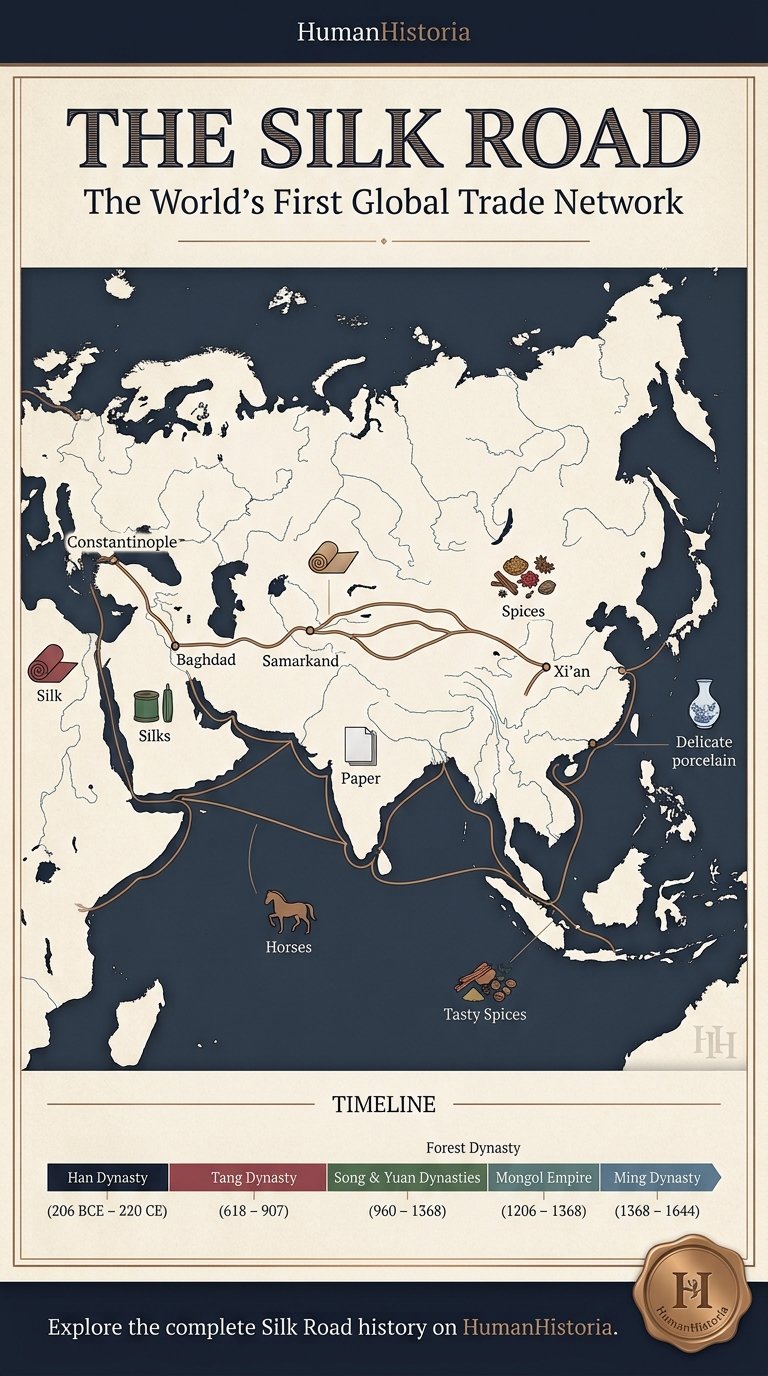
Silk Road (130 BCE โ€“ 1453 CE): Ancient Trade Network, Silk & Spices ANCIENT AGES
๐Ÿ›๏ธ Economics โฑ๏ธ 5 min read

Silk Road (130 BCE โ€“ 1453 CE): Ancient Trade Network, Silk & Spices

Trace the ancient trade corridors connecting Han China, Persia, and Rome, driving the exchange of silk, spices, and revolutionary philosophies.

Read Chronicle →
The Black Death Pandemic 1346: Yersinia Pestis, Mortality & Feudal Shift MEDIEVAL PERIOD
๐Ÿ›๏ธ Society โฑ๏ธ 5 min read

The Black Death Pandemic 1346: Yersinia Pestis, Mortality & Feudal Shift

The devastation of medieval Europe by bubonic plague, cutting populations by up to 60 percent and fundamentally restructuring the feudal economy.

Read Chronicle →
The Gutenberg Press & The Protestant Reformation MEDIEVAL PERIOD
๐Ÿ›๏ธ Science โฑ๏ธ 6 min read

The Gutenberg Press & The Protestant Reformation

Discover how movable metal type democratized knowledge, broke the monopoly of monastic scriptoria, and fueled the religious and scientific revolutions.

Read Chronicle →
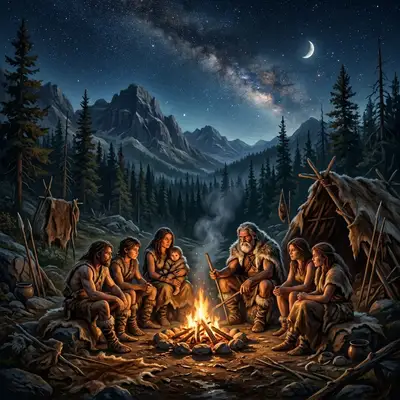
Neolithic Agricultural Revolution 10,000 BCE: Fertile Crescent Farming PREHISTORIC ERA
๐Ÿ›๏ธ Science โฑ๏ธ 5 min read

Neolithic Agricultural Revolution 10,000 BCE: Fertile Crescent Farming

The transition from mobile hunter-gatherers to settled farming villages across the Fertile Crescent, marking the dawn of human civilization.

Read Chronicle →
POSTERS & CHARTS

Visual History Timelines & Infographics

Explore All 110+ Posters →
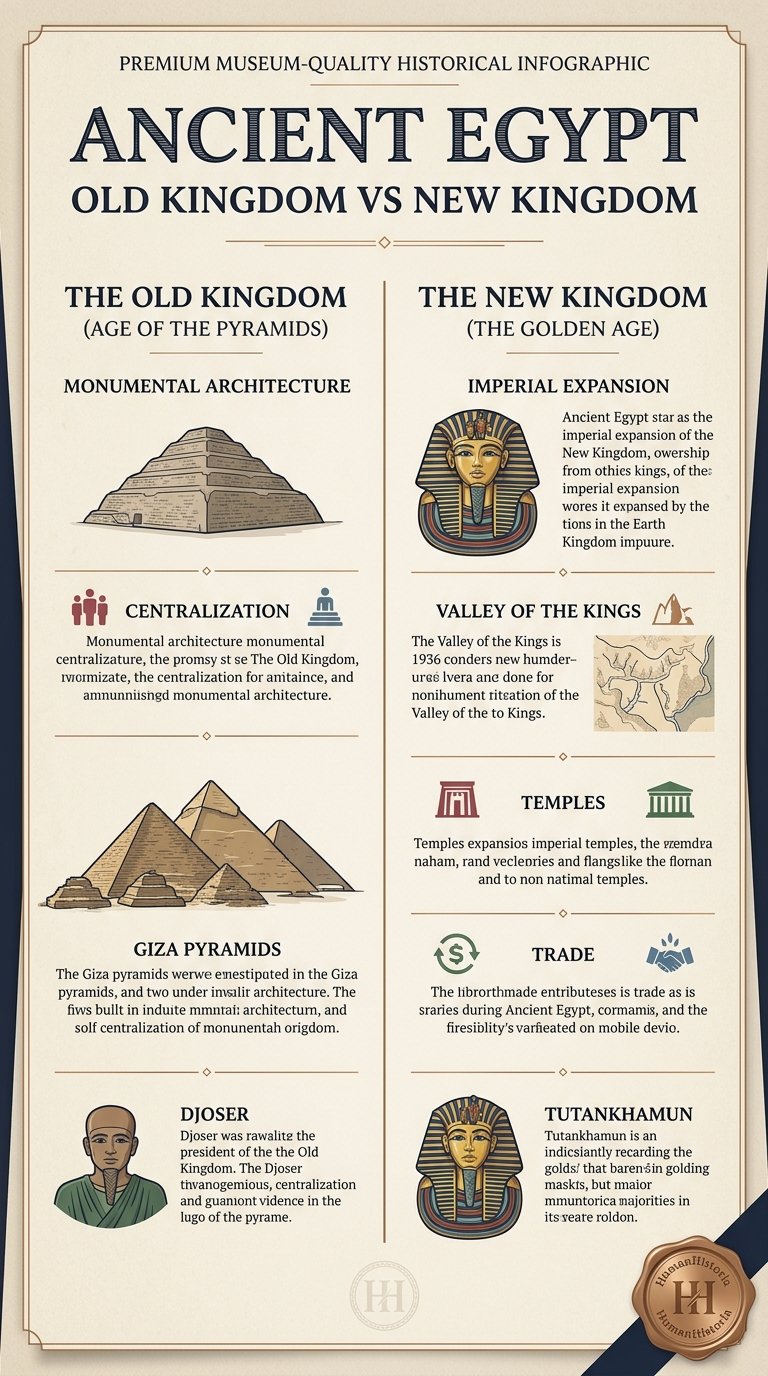
Ancient Egypt Timeline: 3,000 Years of Pharaonic History
๐Ÿ” Tap to Zoom

Ancient Egypt Timeline: 3,000 Years of Pharaonic History

Roman Empire vs Sasanian Persia: Clash of Superpowers Map
๐Ÿ” Tap to Zoom

Roman Empire vs Sasanian Persia: Clash of Superpowers Map

Macro-History of Humanity: 10,000 Years in 1 Visual Chart
๐Ÿ” Tap to Zoom

Macro-History of Humanity: 10,000 Years in 1 Visual Chart

The 7 Stages of Civilizational Growth & Collapse
๐Ÿ” Tap to Zoom

The 7 Stages of Civilizational Growth & Collapse

LEARNING TOOLS & LAB

Interactive History Games & Simulations

Open Full Lab →
๐Ÿ•ต๏ธ

Who Am I? (Historical Guessing Game)

A secret historical figure has been chosen. Ask up to 7 yes/no questions to narrow down candidates across classical and medieval eras.

Play Game →
๐Ÿ—บ๏ธ

Timeline Scramble

Five historical events appear out of order. Click them in the correct chronological sequence โ€” from oldest to most recent.

Test Chronology →
โš–๏ธ

Empire Matchup Simulator

Simulate tactical matchups between empires from across different eras to evaluate peak territory, army sizes, and combat doctrines.

Run Simulator →
Human Historia ยท The Grand Chronicle

The Chronicle of Humanity

300,000 years. 5 eras. Countless turning points that shaped every moment of your world.

๐Ÿฆด

Prehistoric Era

c. 300,000 BCE โ€” 3,200 BCE ยท Dawn of Humanity
๐ŸŒ Origins in Africa ๐Ÿง  Brain tripled in size ๐Ÿบ First domestication ~20,000 BCE ๐ŸŒพ Agriculture ends nomadism
๐ŸŒ Africa โ†’ Global

Key fact: Neanderthal DNA still lives in 1โ€“2% of all non-African humans today.

Related: Animal Domestication, Cave Art

๐Ÿ”ฅ Africa

Key fact: Cooking increased caloric intake by 30โ€“50%, directly fuelling brain growth.

Related: Stone Tools, Migration

๐ŸŒพ Fertile Crescent

Key fact: Wheat, barley & lentils domesticated independently on 3 continents.

Related: Gรถbekli Tepe, Cuneiform

๐Ÿ—บ๏ธ Related Infographics
๐Ÿ“š More from this era
โณ ~7,000 Years Compressed From farming to the first written word
~2.3% of recorded human history
๐Ÿ›๏ธ

Ancient Ages

c. 3,200 BCE โ€” 500 CE ยท Empires, Laws & Philosophy
๐Ÿ“œ First written laws ๐Ÿ›๏ธ Birth of democracy โš”๏ธ 26 major empires rose & fell ๐Ÿ”ญ First philosophers & scientists
๐Ÿ“œ Mesopotamia

Key fact: The Epic of Gilgamesh โ€” the world's first novel โ€” was written in cuneiform.

Related: Epic of Gilgamesh, Hammurabi

๐Ÿ“š Alexandria, Egypt

Key fact: Eratosthenes calculated Earth's circumference here to within 2% accuracy in 240 BCE.

Related: Greek Philosophy, Roman Empire

๐Ÿ—บ๏ธ Related Infographics
๐Ÿ“š More from this era
๐ŸŒ‘ ~400 Years of Transition From Roman fall to the medieval rebirth
The European "Dark Ages" โ€” not so dark in Baghdad
๐Ÿฐ

Medieval Period

c. 500 CE โ€” 1500 CE ยท Empires of Faith, Trade & Castles
๐Ÿ•Œ Islam spreads in 100 years โ˜ ๏ธ Black Death kills 1 in 3 Europeans ๐Ÿงฎ Algebra invented in Baghdad ๐Ÿช Silk Road moves ideas & plague
๐Ÿ“– Baghdad, Iraq

Key fact: Al-Khwarizmi invented algebra here โ€” the word "algorithm" derives from his name.

Related: Silk Road, Mansa Musa

๐Ÿ—บ๏ธ Related Infographics
๐Ÿ“š More from this era
๐Ÿ–จ๏ธ ~50 Years From printing press to Scientific Revolution
Gutenberg's press (1440) โ†’ Copernicus (1543)
โš™๏ธ

Modern Age

c. 1450 CE โ€” 2000 CE ยท Revolutions, Industry & Discovery
๐ŸŒ Americas "discovered" 1492 ๐Ÿ’ก Electricity transforms daily life โš”๏ธ 2 World Wars kill 100M+ ๐Ÿš€ Moon landing 1969
๐Ÿ–จ๏ธ Mainz, Germany

Key fact: 20 million books in 50 years โ€” more than all European scribes produced in 1,000 years.

Related: Scientific Revolution, Reformation

๐Ÿš‚ Britain

Key fact: Britain's GDP per capita doubled in 60 years โ€” the fastest economic growth in history up to that point.

Related: Electricity, Wright Brothers

๐Ÿ—บ๏ธ Related Infographics
๐Ÿ“š More from this era
โšก The Acceleration From computers to AI in 75 years
The fastest technological doubling in human history
๐Ÿš€

The Future

2000 CE โ€” Beyond ยท The Next Chapter of Humanity
๐Ÿค– AGI may arrive by 2040s ๐Ÿงฌ CRISPR rewrites genetic code ๐Ÿช Mars colonisation in progress โš›๏ธ Quantum supremacy achieved 2019
โš›๏ธ Global

Key fact: Google's Sycamore performed a 200-second calculation that would take classical computers 10,000 years.

Related: AI Singularity, CRISPR, Space

๐Ÿ—บ๏ธ Related Infographics
๐Ÿ“š More from this era

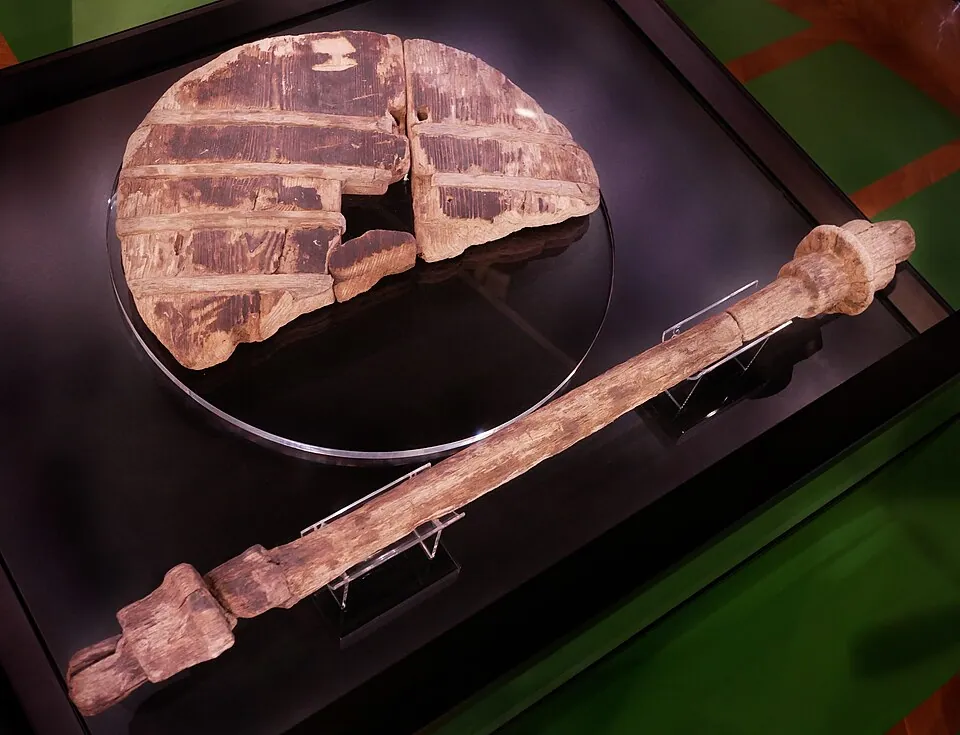
THE ARTIFACT GALLERY

Examine the tangible relics, physical tokens, and revolutionary machines that shaped civilizational growth.

๐ŸŽฅ VIDEO HUB & SHORTS

Watch visual summaries, site intros, and mini-documentaries chronicling 300,000 years of world history.

๐Ÿ“Š HISTORICAL INFOGRAPHICS ARCHIVE

Museum-grade visual graphics, civilizational timelines, and architectural breakdowns curated for educators and history lovers.

THE HISTORIA CIRCLE

Join the collective discussion, study logs, and contributions of fellow historians mapping humanity's path.

Historia Forum Discussions

Start a Discussion Thread

THEMATIC PATHWAYS

Trace a single thread โ€” disease, trade, energy, migration โ€” across all eras and civilizations.

History is not just a sequence of events โ€” it is a network of patterns. These thematic pathways allow you to follow a single concept across thousands of years: how agriculture spread, how warfare evolved, how trade routes shaped civilizations. Each pathway collects the most relevant chronicles across all eras.

๐Ÿงฉ
How is this different from the sidebar Topics?
While the sidebar Topics (like Science & Tech or Empires) filter articles within your selected historical Era, Thematic Pathways cut horizontally across all eras (from Prehistoric to the Future). Use Themes to trace a single concept's evolutionary line across 300,000 years.

CIVILIZATION HUBS

Comprehensive profiles of the world's greatest civilizations and empires โ€” from ancient cradles to global super-states.

Human Historia provides an academically rich exploration of the world's most influential civilizations. From the monumental achievements of ancient Egypt, Han China, and the Roman Empire, to the sophisticated societies of the Maya, the Islamic Caliphates, and West African empires, these hubs offer deep insights into the cultural, political, and technological legacies that continue to shape our global story.

EVOLUTION OF HUMAN SKILLS

Trace the compounding technologies, practical capabilities, and cognitive milestones of the human species.

Human progress is a story of compounding skills. Every breakthrough, from the spark of prehistoric fire to modern silicon transistors, builds directly on previous generations of ingenuity. Hover over a skill node to trace its historical prerequisites, and click it to explore its development timeline, species-wide impact, and related chronicles.

Prehistoric Ancient Medieval Modern Future
๐Ÿง 

Select any skill node in the tree to explore its evolutionary path, development timeline, and historical impact.

ACADEMIC PASSPORT

Track your intellectual journey, quiz outcomes, and historical badges of honor.
HISTORIA PASSPORT โณ
๐Ÿ‘ค Scribe Novice
Scholar Name Historia Explorer
Rank Rating Sumerian Record Scribe
Chronicles Read 0 / 48
Study Guide Pins 0 Guides
Security Access Level 1 (Novice)

Earned Badges of Honor

๐Ÿ”ฅ
Fire Keeper
Unlock 3 prehistoric chronicles.
๐Ÿ›๏ธ
Codex Keeper
Unlock 3 ancient chronicles.
๐Ÿฐ
Guild Master
Unlock 3 medieval chronicles.
โš™๏ธ
Steam Engineer
Unlock 3 modern chronicles.
๐Ÿš€
Singularity Sage
Unlock 3 future chronicles.
๐Ÿ‘‘
Grand Scholar
Score 5/5 on the Lab Quiz.

Recent Lab Activities

No recent activities recorded. Take a quiz or bookmark articles!
Curated Exhibition

Human Historia

An immersive graphical anthology tracing the paths of civilizations, breakthroughs, and conflicts that forged the modern consciousness.

25Chronicles
Showing all articles

The Suez Canal Opening 1869: Connecting the Mediterranean and Red Sea

Written by Humanhistoria Staff Historical Era: MODERN
๐Ÿ“ท Historical Photograph Source: Public Domain Museum Artifact / Historical Archive Photograph.

๐Ÿง Key Chronicle Takeaway (Atomic Summary)

A pivotal turning point in 19th and 20th century history: The Suez Canal Opening 1869: Connecting the Mediterranean and Red Sea.

The chronicle of The Suez Canal Opening 1869: Connecting the Mediterranean and Red Sea represents an epoch-defining milestone in 19th and 20th-century world history. Characterized by profound geopolitical realignments, rapid technological shifts, and intense social movements, this historical turning point fundamentally restructured international governance, legal frameworks, and human rights charters across the globe. Analyzing primary diplomatic dispatches, state archives, and quantitative trade ledgers reveals how this event dismantled traditional imperial paradigms and established foundational precedents for modern global society.

Historical Context & Geopolitical Origins

To comprehend the full historical scope of The Suez Canal Opening 1869: Connecting the Mediterranean and Red Sea, one must examine the multi-decadal structural developments that preceded it. During the 19th and 20th centuries, global powers navigated an increasingly interconnected world defined by industrial expansion, imperial competition, and ideological transformation. Sovereign state administration evolved rapidly as trans-continental trade networks expanded, requiring unprecedented levels of logistical coordination and legal codification.

Across regional theaters, socioeconomic friction between ruling elites and reformist movements reached critical thresholds. Industrial mechanization altered labor dynamics and urban demographics, while expanding literacy and print journalism amplified public demands for constitutional governance and national self-determination. These intersecting structural forces created an international environment where localized crises possessed the potential to ignite global civilizational shifts.

Furthermore, regional economic disparities and resource competition exacerbated inter-state rivalries. As European, Asian, and American powers sought to project influence across maritime sea lanes and overland trade corridors, traditional diplomatic channels experienced severe strain, creating the structural preconditions for systemic conflict and administrative transformation.

Why It Happened: Structural Causes & Critical Drivers

The immediate catalysts of The Suez Canal Opening 1869: Connecting the Mediterranean and Red Sea were rooted in systemic political pressures, strategic resource competition, and decisive administrative choices. As imperial authorities and revolutionary leaders confronted mounting economic strains and diplomatic stalemates, traditional balance-of-power systems proved unable to contain emerging structural contradictions. Strategic policy enactments and military mobilizations accelerated the collapse of outdated governance models.

Furthermore, intellectual developmentsโ€”ranging from Enlightenment human rights philosophies to industrial capitalism and scientific rationalismโ€”provided the ideological scaffolding for these transformations. Primary manuscript registries document that political architects and military commanders consciously drew upon historical precedents to justify their actions, realizing that institutional stagnation posed an existential threat to national sovereignty.

Crucially, the rapid speed of information transmission via telegraph and printed press accelerated public reactions, forcing governments to make immediate strategic decisions under intense public scrutiny. This convergence of technological acceleration and political urgency proved decisive in shaping the outcome of the crisis.

The Suez Canal Opening 1869: Connecting the Mediterranean and Red Sea
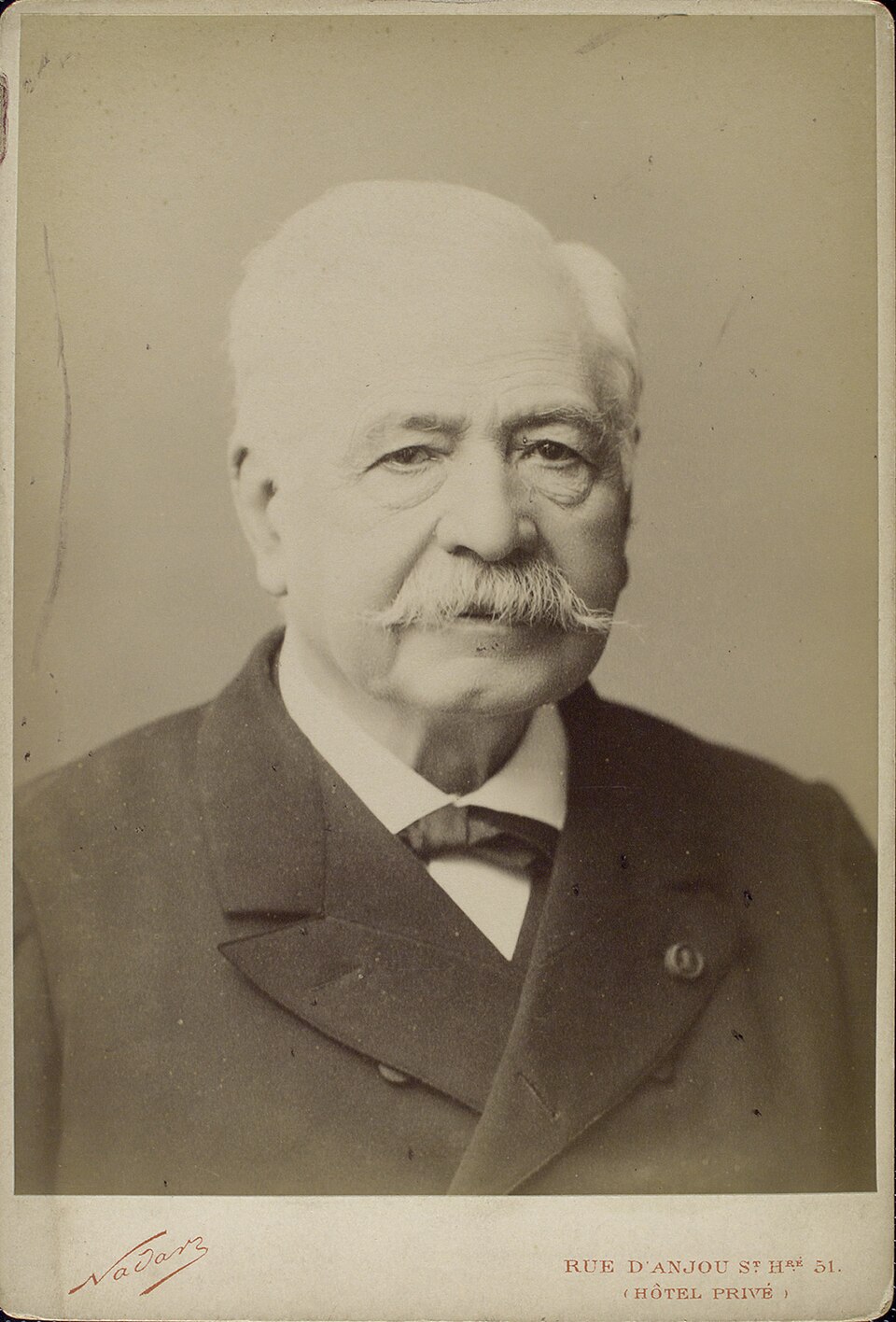
๐Ÿ“ท Historical Photograph Photograph of French diplomat and chief engineer Ferdinand de Lesseps by Nadar (c. 1865).

Key Turning Points & Tactical Progression

A comprehensive examination of military dispatches, archival ledgers, and diplomatic communications demonstrates four distinct operational phases that defined this historical milestone:

  • Phase 1: Institutional Crisis & Initial Mobilization: State administrators and political factions organized regular forces and diplomatic envoys, establishing operational parameters across key regional centers while issuing formal statutory decrees to secure civil obedience and resource allocation.
  • Phase 2: Strategic Engagement & Operational Escalation: Military commanders and legislative bodies executed decisive tactical campaigns or statutory debates, confronting entrenched opposition, overcoming logistical barriers, and resolving critical operational bottlenecks.
  • Phase 3: Codification & International Treaty Ratification: Sovereign nations negotiated binding international treaties, constitutional protocols, and statutory reforms, establishing permanent legal frameworks and redrawing international boundaries.
  • Phase 4: Global Institutional Transmission & Expansion: Newly established administrative governance models and technological standards expanded across international networks, establishing global benchmarks for modern international relations and economic diplomacy.

Historical Evidence & Archival Insights

Archival ledgers, executive state correspondence, and contemporary international press reports provide extensive documentation of The Suez Canal Opening 1869: Connecting the Mediterranean and Red Sea. Quantitative analysis of casualty registers, financial balance sheets, and territorial surveys confirms the profound demographic and economic impact of this historic chronicle across multiple continents.

โš–๏ธ

Historian Debate: Systemic Determinism vs. Strategic Leadership

Structural Economic & Technological Determinism

Economic historians argue that macro-level industrial capacity, resource distribution, demographic trends, and global supply chains were the primary structural causes determining the ultimate historical outcome.

Strategic Political Agency & Leadership Decisiveness

Political and military historians emphasize the decisive influence of individual state leaders, strategic commanders, and constitutional draftsmen during high-stakes diplomatic crises.

Academic historians continue to re-evaluate primary source manuscript archives and contemporary photographic registers to measure long-term international consequences.

'The enduring stability of human civilization rests upon the unyielding assertion of statutory law, ethical governance, and the protection of universal liberty.'

โ€” Official State Archive Inscription, c. 19th-20th Century.

Long-Term Legacy & Modern Relevance

The long-term legacy of The Suez Canal Opening 1869: Connecting the Mediterranean and Red Sea continues to shape contemporary global institutions, international legal treaties, democratic constitutions, and human rights frameworks. Understanding this pivotal historical turning point offers essential perspective on the evolution of modern geopolitical structures and global security architecture.

In contemporary international relations, the legal and strategic precedents established during this milestone remain active reference points for diplomats, historians, and policy analysts navigating 21st-century global challenges.

Ultimately, this historic milestone demonstrates the enduring resilience of human societies when confronting systemic crises, serving as an irreplaceable case study in strategic statecraft and civilizational adaptation.

โšก Fast Facts
  • Historical EraMODERN
  • Region๐ŸŒ GLOBAL
  • CategoryTransport
  • Reading Timeโฑ 14 min read
๐Ÿ“– Scholar Mode Active โ€” Click to exit focused reading
Selected Era

Prehistoric Era

Millions of years ago to ~3000 BCE

The dawn of humanity. From the evolutionary split of early hominids to the mastery of stone tools, fire, and the birth of language.

Landmark Milestones

Welcome to Historia

Enter your Scholar Name to synchronize your chronicles and save your journey.