~7,000 Years from farming to writing
๐Ÿ›๏ธ

Ancient Ages

c. 3,200 BCE โ€” 500 CE ยท Empires, Laws & Philosophy
~400 Years from Roman fall to medieval rebirth
๐Ÿฐ

Medieval Period

c. 500 CE โ€” 1500 CE ยท Empires of Faith, Trade & Castles
~50 Years from printing press to Scientific Revolution
โš™๏ธ

Modern Age

c. 1450 CE โ€” 2000 CE ยท Revolutions, Industry & Discovery
~50 Years from computers to quantum age

THE ARTIFACT GALLERY

Examine the tangible relics, physical tokens, and revolutionary machines that shaped civilizational growth.

๐ŸŽฅ VIDEO HUB & SHORTS

Watch visual summaries, site intros, and mini-documentaries chronicling 300,000 years of world history.

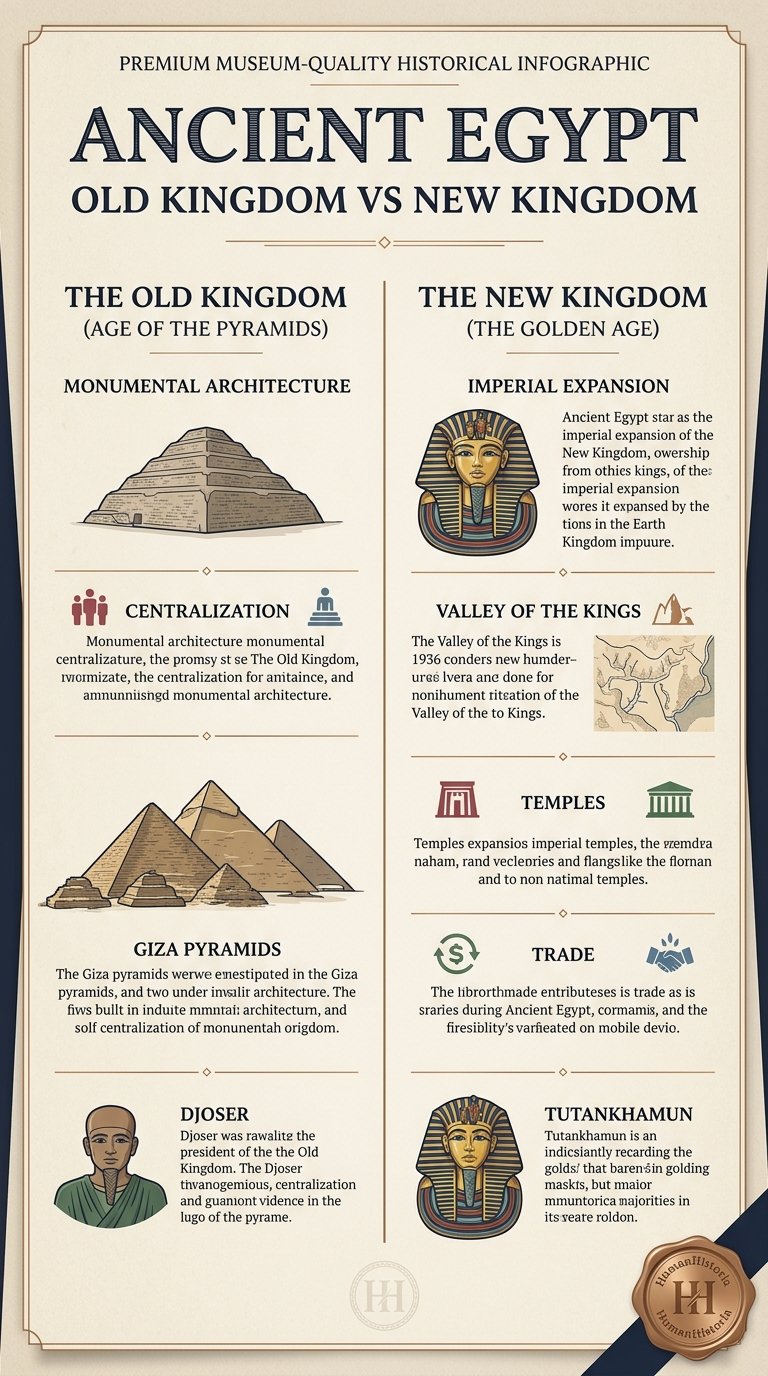
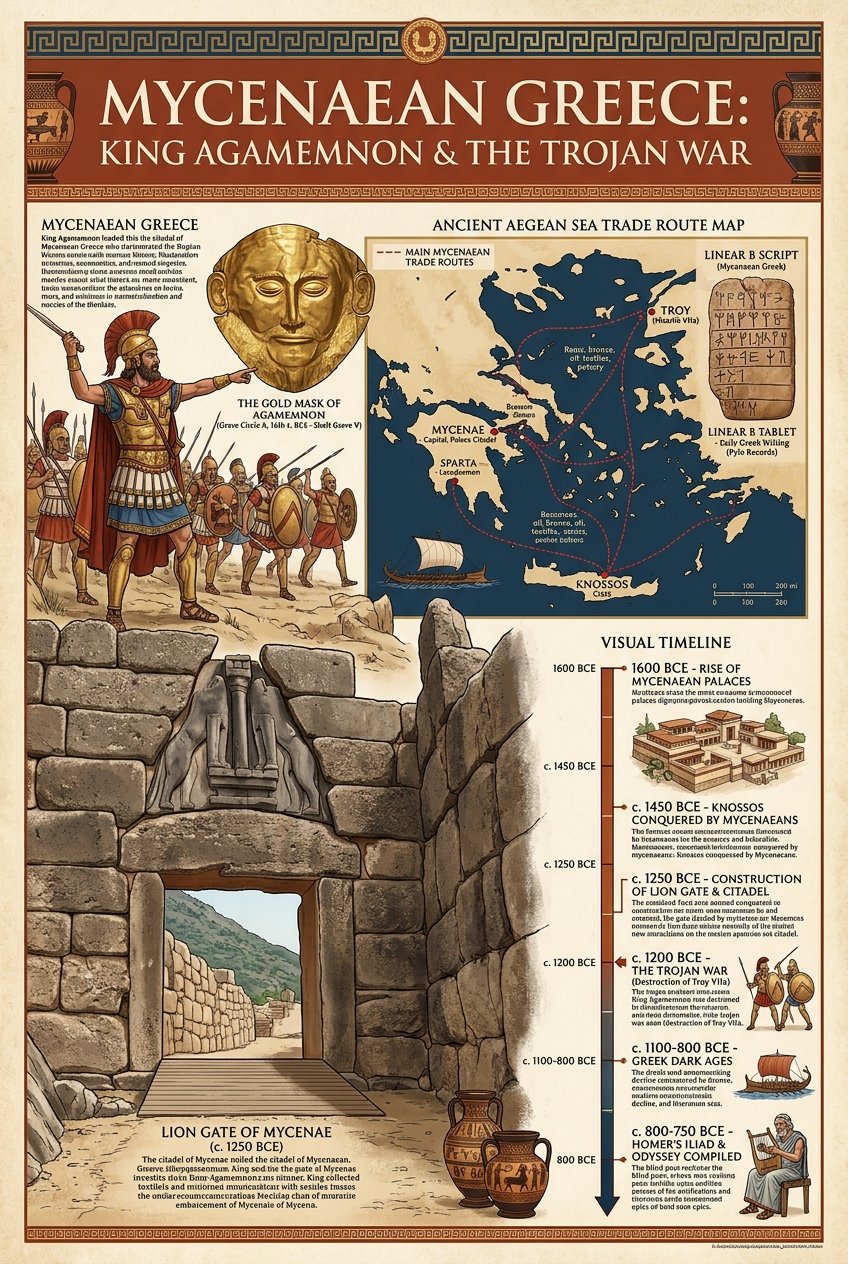
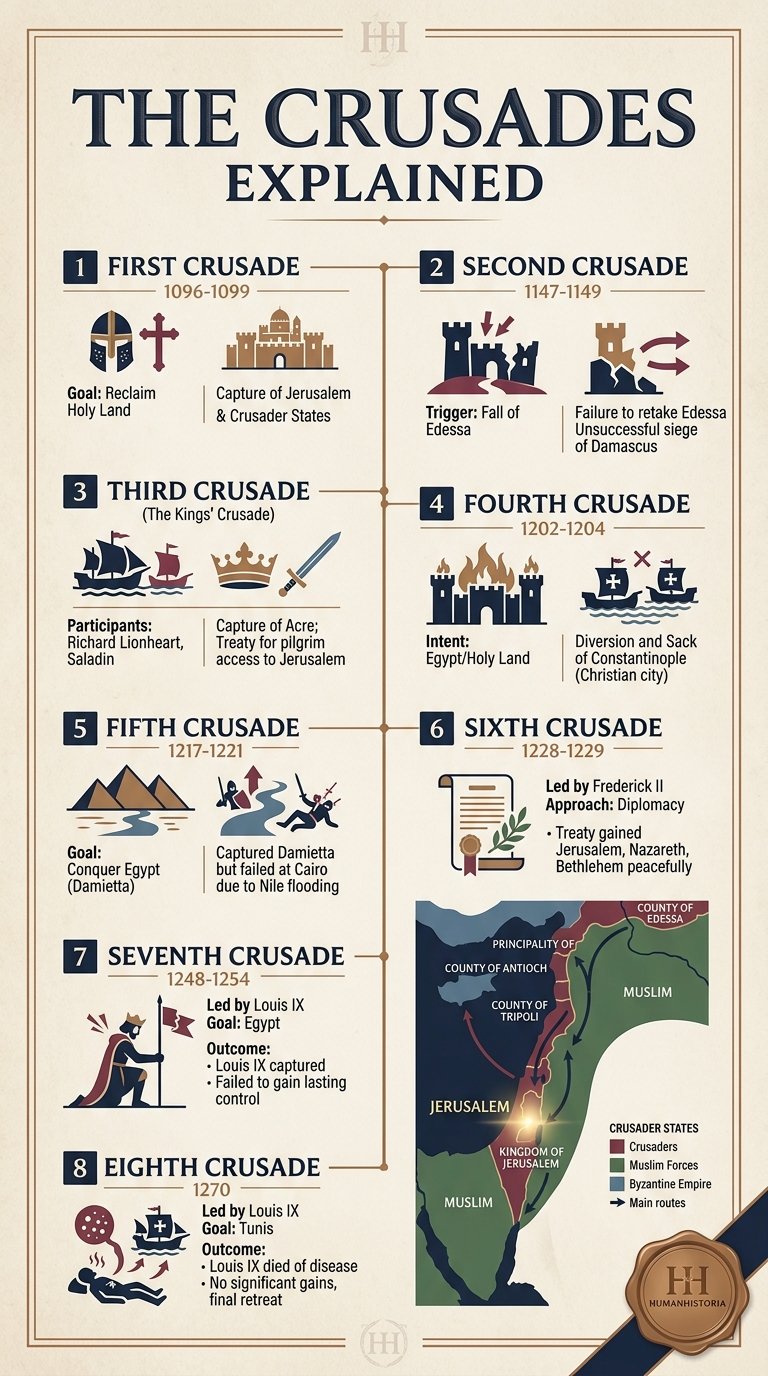
๐Ÿ“Š HISTORICAL INFOGRAPHICS ARCHIVE

Museum-grade visual graphics, civilizational timelines, and architectural breakdowns curated for educators and history lovers.

THE HISTORIA CIRCLE

Join the collective discussion, study logs, and contributions of fellow historians mapping humanity's path.

Historia Forum Discussions

Start a Discussion Thread

THEMATIC PATHWAYS

Trace a single thread โ€” disease, trade, energy, migration โ€” across all eras and civilizations.

History is not just a sequence of events โ€” it is a network of patterns. These thematic pathways allow you to follow a single concept across thousands of years: how agriculture spread, how warfare evolved, how trade routes shaped civilizations. Each pathway collects the most relevant chronicles across all eras.

๐Ÿงฉ
How is this different from the sidebar Topics?
While the sidebar Topics (like Science & Tech or Empires) filter articles within your selected historical Era, Thematic Pathways cut horizontally across all eras (from Prehistoric to the Future). Use Themes to trace a single concept's evolutionary line across 300,000 years.

CIVILIZATION HUBS

Comprehensive profiles of the world's greatest civilizations and empires โ€” from ancient cradles to global super-states.

Human Historia provides an academically rich exploration of the world's most influential civilizations. From the monumental achievements of ancient Egypt, Han China, and the Roman Empire, to the sophisticated societies of the Maya, the Islamic Caliphates, and West African empires, these hubs offer deep insights into the cultural, political, and technological legacies that continue to shape our global story.

EVOLUTION OF HUMAN SKILLS

Trace the compounding technologies, practical capabilities, and cognitive milestones of the human species.

Human progress is a story of compounding skills. Every breakthrough, from the spark of prehistoric fire to modern silicon transistors, builds directly on previous generations of ingenuity. Hover over a skill node to trace its historical prerequisites, and click it to explore its development timeline, species-wide impact, and related chronicles.

Prehistoric Ancient Medieval Modern Future
๐Ÿง 

Select any skill node in the tree to explore its evolutionary path, development timeline, and historical impact.

ACADEMIC PASSPORT

Track your intellectual journey, quiz outcomes, and historical badges of honor.
HISTORIA PASSPORT โณ
๐Ÿ‘ค Scribe Novice
Scholar Name Historia Explorer
Rank Rating Sumerian Record Scribe
Chronicles Read 0 / 48
Study Guide Pins 0 Guides
Security Access Level 1 (Novice)

Earned Badges of Honor

๐Ÿ”ฅ
Fire Keeper
Unlock 3 prehistoric chronicles.
๐Ÿ›๏ธ
Codex Keeper
Unlock 3 ancient chronicles.
๐Ÿฐ
Guild Master
Unlock 3 medieval chronicles.
โš™๏ธ
Steam Engineer
Unlock 3 modern chronicles.
๐Ÿš€
Singularity Sage
Unlock 3 future chronicles.
๐Ÿ‘‘
Grand Scholar
Score 5/5 on the Lab Quiz.

Recent Lab Activities

No recent activities recorded. Take a quiz or bookmark articles!
Curated Exhibition

Human Historia

An immersive graphical anthology tracing the paths of civilizations, breakthroughs, and conflicts that forged the modern consciousness.

25Chronicles
Showing all articles

Dutch Tulipmania: How 17th-Century Speculation Created History's First Financial Bubble

Written by Historia Economics Historical Era: MODERN
* Note: Cover image is an AI-generated historical illustration.

๐Ÿง Key Chronicle Takeaway (Atomic Summary)

Inside the Haarlem taverns where traders bid paper fortunes on tulip futures contracts before the market dried up.

The development of modern financial markets in the 17th-century Dutch Republic brought unprecedented wealth, economic efficiency, and risk-management tools. The founding of the Amsterdam Stock Exchange in 1602 and the Bank of Amsterdam in 1609 allowed citizens to trade shares of joint-stock companies, buy government bonds, and secure credit. However, these new financial structures also introduced a dangerous capability: the speculative bubble. The most famous early financial panic in history occurred between 1634 and 1637, known as Tulip Mania. By trading futures contracts on rare tulip bulbs, Dutch citizens drove prices to astronomical heights before a sudden crash destroyed fortunes. Tulip Mania is a study in market psychology, the pricing of speculative assets, and the structural risks of early capitalism, leaving a warning that still echoes across modern financial markets.

The Golden Age and the Exotic Flower

Following its independence from Spain, the Dutch Republic rose to become the leading economic power in Europe. Powered by the merchant fleets of the Dutch East India Company (VOC), Amsterdam became the financial center of the continent. The newly rich merchant class sought ways to display their wealth, driving a luxury market in art, porcelain, exotic gardens, and rare flowers. Among these, the Tulip, introduced to Europe from the Ottoman Empire in the mid-16th century, became the ultimate status symbol. The flower was unique: its vibrant, deep colors stood out from any native European plant, and its bulbs were highly sensitive to local soil conditions.

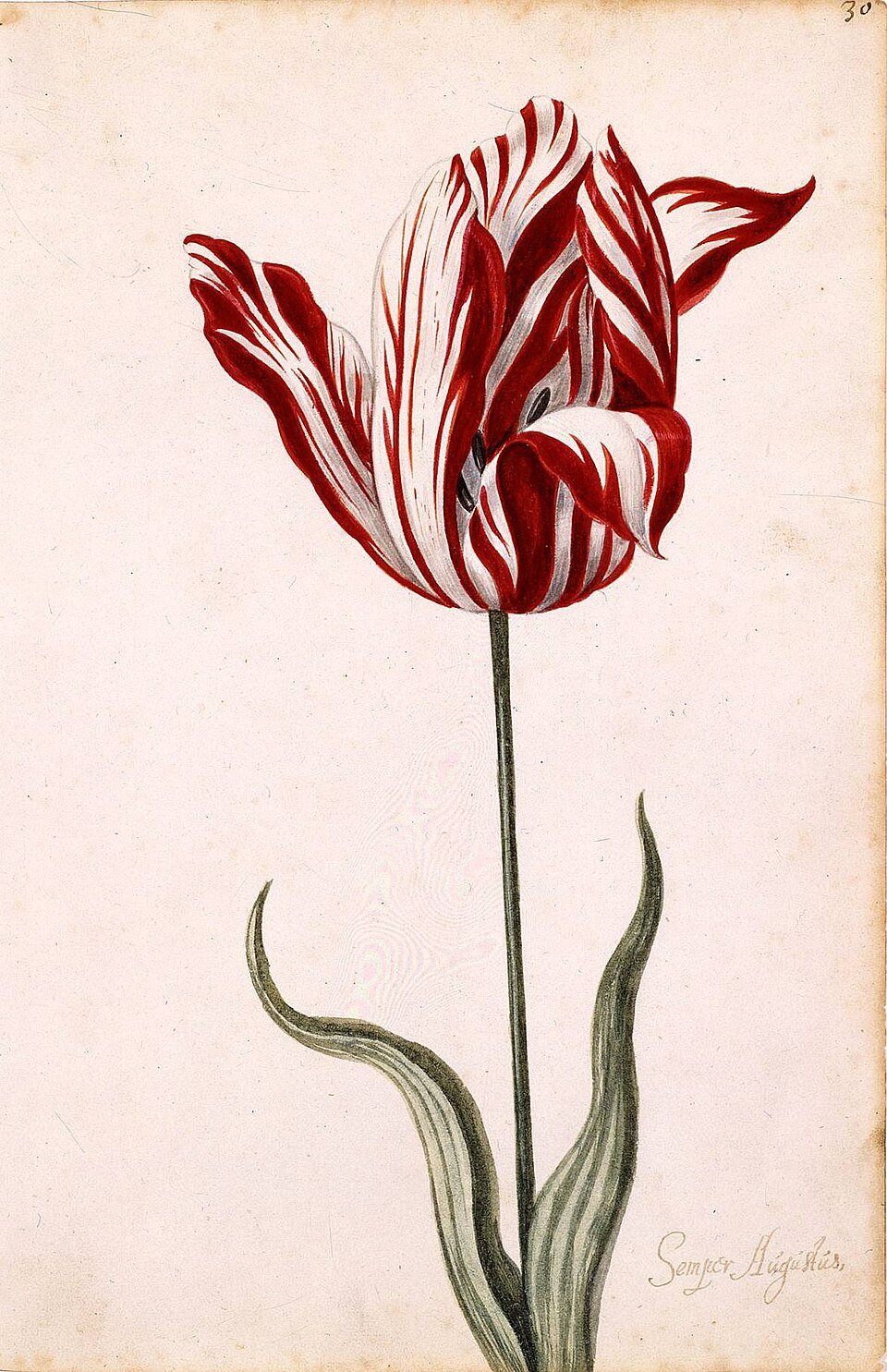
Most prized were the Broken Tulipsโ€”flowers that displayed beautiful, flame-like patterns of contrasting colors on their petals, such as the famous Semper Augustus (red and white stripes). Scribes and botanists did not know at the time that these beautiful patterns were caused by a mosaic virus that weakened the bulb, making them difficult to propagate. Because these broken tulips were rare and unpredictable, their value soared. A single bulb of a prized variety became a speculative asset, viewed not as a flower to be planted, but as a luxury collectible that would increase in value indefinitely.

The Invention of Wind Trade: Futures Contracts

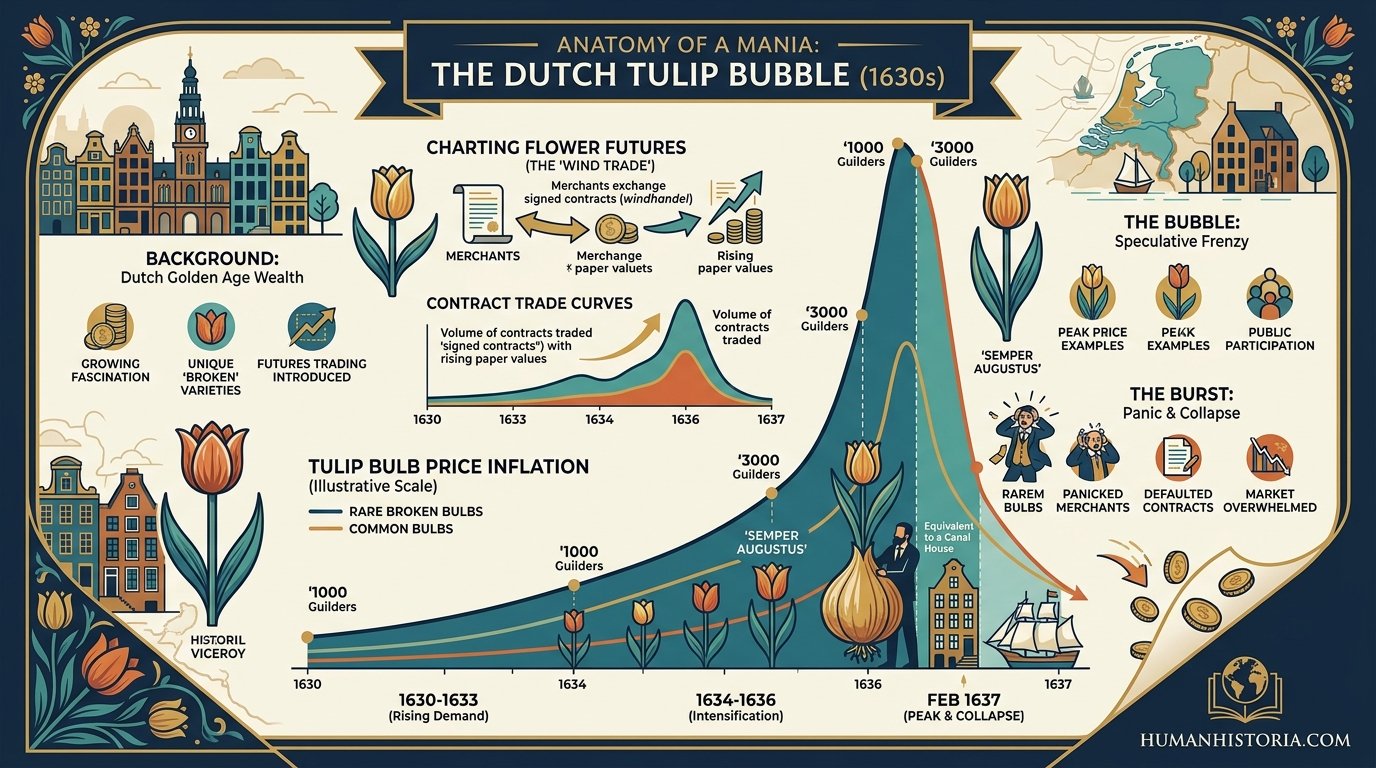
The trade in tulips was initially limited to the summer months when the bulbs could be dug up and moved. However, as demand grew, traders wanted to buy and sell bulbs year-round. Scribes and financial innovators developed the Wind Trade (Windhandel)โ€”a system of futures contracts where buyers signed notarized agreements to purchase a specific bulb at a fixed price in the future, typically during the next harvest season.

This futures market transformed the tulip trade:

  • Speculative Leverage: Buyers did not need to pay the full price of the bulb upfront. They only needed a small deposit, using credit or promissory notes to purchase contracts. This leverage allowed individuals with small capital to trade high-value assets, driving market participation.
  • Tavern Colleges: Because the official stock exchange in Amsterdam refused to trade in tulips, the market moved to local taverns, where traders formed informal clubs called Colleges. Scribes recorded the bids in ledger books, while participants drank and bid on contracts, creating an intense, emotional atmosphere that drove speculative frenzy.
  • Middle-Class Influx: As prices rose, middle-class citizensโ€”blacksmiths, weavers, butchers, and farmersโ€”sold their properties, land, and livestock to buy tulip contracts, convinced that they would make instant fortunes.

The Astronomical Value of Semper Augustus

At the peak of Tulip Mania in early 1637, the price of a single Semper Augustus bulb reached 5,500 guilders. Scribes documented the purchasing power of this sum: it was enough to purchase a grand canal house in Amsterdam, or buy a cargo ship filled with 12 loads of wheat, 8 fat pigs, 12 fat sheep, 4 tuns of beer, 2 tuns of butter, 1,000 lbs of cheese, a bed, a suit of clothes, and a silver drinking cup, illustrating the extreme pricing dislocation of the bubble.

The Collapse: When the Wind Stopped

The speculative bubble reached its peak in January 1637, when prices for common bulbs increased by over 1,000% in a single month. The crash occurred on February 3, 1637, in the city of Haarlem. During a routine auction meeting at a local tavern college, a seller offered a batch of common Switsers bulbs at a high price, but no one bid. The seller lowered the price, but still, no one responded. A sudden wave of panic swept through the tavern: if no one was willing to buy, the contracts were worthless.

The panic spread across the republic in days. Buyers who had signed contracts to purchase bulbs for thousands of guilders in the spring tried to back out of their agreements, while sellers demanded full payment. Taverns emptied, and the wind trade collapsed. The Dutch courts were flooded with lawsuits, but because the contracts were viewed as gambling debts, the government intervened, allowing buyers to cancel their contracts by paying a small fee (typically 10% of the face value), leaving many sellers with worthless bulbs and bankrupt paper fortunes.

Debunking the Myth: Did the Economy Collapse?

Modern economic historians, such as Anne Goldgar, have shown that the popular image of Tulip Maniaโ€”where the entire Dutch economy collapsed and ruined merchants threw themselves into canalsโ€”is highly exaggerated. Most tulip trading occurred among a small circle of wealthy merchants and speculative tavern clubs, and the Dutch state did not face systemic financial failure. The myths of total ruin were largely spread by Calvinist pamphleteers who used the tulip craze as a moral story to warn against greed and the dangers of speculative financial markets.

The Legacy of Speculative Bubbles

While the physical scale of Tulip Mania was smaller than once believed, its intellectual legacy is immense. It was the first documented speculative bubble in history, establishing the patterns of financial crises that continue to plague modern economies: the initial innovation (futures contracts), the narrative of infinite price growth, the influx of retail investors using credit, the sudden liquidity drying up, and the subsequent government bailouts. These patterns are identical to the South Sea Bubble of 1720, the Dot-Com Crash of 2000, and the modern cryptocurrency market, proving that human greed and fear are the ultimate market forces.

The Windhandel and the Tavern Markets

The speculative trading of tulips in the Dutch Golden Age was conducted in a market structure that was highly decentralized and unregulated, earning the name Windhandel (wind trade), because traders bought and sold contracts for tulip bulbs that were still in the ground and could not be physically delivered. Unlike the Amsterdam Stock Exchange, which traded shares of the Dutch East India Company under strict government rules, tulip trading occurred in local taverns called "colleges." Scribes recorded that buyers and sellers gathered in these taverns over beer and wine, bidding on tulip varieties using specialized auction rules.

This tavern market structure allowed anyone, from wealthy merchants to chimney sweeps and weavers, to join the speculation on credit. Buyers did not pay cash up front, and sellers did not own the physical bulbs; they signed paper contracts promising to deliver the bulbs during the spring harvest. This system created a chain of paper debts: a single bulb contract could be resold ten times in a single day, with each transaction increasing the paper price. When the market crashed in February 1637, this debt chain collapsed, as buyers refused to pay their contracts and sellers could not enforce them in court, demonstrating how unregulated credit markets can amplify speculative bubbles and ruin investors.

The Legal Aftermath and the Resolution of Contracts

The collapse of Tulip Mania led to a major administrative crisis for the Dutch legal system and local municipal governments. Scribes and judges were flooded with lawsuits from sellers demanding that buyers pay the contracted prices, and from buyers claiming they were bankrupt. Because the tulip trade had occurred outside the official stock exchange without standard regulations, the courts did not have clear legal precedents to resolve the disputes. Recognizing that enforcing the contracts would cause widespread financial ruin and social unrest, the Dutch provincial courts and Haarlem city councils intervened.

In April 1637, the Dutch courts suspended all legal actions related to tulip contracts. Scribes recorded that municipal authorities set up local arbitration committees to resolve disputes out of court. The committees ruled that buyers could cancel their contracts by paying a small feeโ€”usually between 3% and 10% of the original contracted priceโ€”to the seller. This compromise allowed Dutch merchants to settle their debts without going bankrupt, preventing the tulip crash from triggering a wider collapse of the Dutch financial system. This administrative intervention demonstrated that the stability of the national economy was more important than the literal enforcement of speculative contracts, providing a blueprint for modern state bailouts during financial crises.

Semper Augustus rare feathered tulip watercolor painting 1637
The famous 1637 watercolor painting of the Semper Augustus tulip, the most expensive and rare bulb traded during Dutch Tulip Mania.

Conclusion: The Price of a Flower

Tulip Mania demonstrated that price is not the same as value. By separating the price of a futures contract from the biological reality of a flower, Dutch traders created a speculative illusion that collapsed at the first contact with reality. The tulip fields that still bloom in the Netherlands today are a beautiful reminder of an era when a simple bulb was worth more than a mansion, standing as an eternal warning about the fragile psychology of the human market.

โš–๏ธ

Historian Debate: Was Tulip Mania a Real Economic Crisis?

The First Speculative Bubble

Charles Mackay's classic account argues that Dutch society descended into a collective madness in 1637, trading estates for single tulip bulbs before the market collapsed, causing economic ruin.

Localized Futures Speculation

Modern revisionists like Anne Goldgar prove that the speculation was limited to a small group of wealthy florists and did not affect the broader Dutch economy or cause systemic bankruptcy.

Tulip Mania is studied by modern economists as the prototype of all speculative bubbles.

"A single bulb of the Semper Augustus was sold for twelve acres of land, two loads of wheat, four fat oxen, and a silver drinking cup."

โ€” Charles Mackay, Extraordinary Popular Delusions and the Madness of Crowds (1841).

Further Reading

  • Tulipmania: Money, Honor, and Knowledge in the Dutch Golden Age โ€” by Anne Goldgar. The definitive revisionist history debunking the myths of systemic economic collapse.
  • Extraordinary Popular Delusions and the Madness of Crowds โ€” by Charles Mackay. The classic 19th-century text that popularized the tulip mania myth.
๐Ÿ“– Scholar Mode Active โ€” Click to exit focused reading
Selected Era

Prehistoric Era

Millions of years ago to ~3000 BCE

The dawn of humanity. From the evolutionary split of early hominids to the mastery of stone tools, fire, and the birth of language.

Landmark Milestones

Welcome to Historia

Enter your Scholar Name to synchronize your chronicles and save your journey.