>
๐Ÿ›๏ธ HUMAN HISTORIA ARCHIVE
EXPLORE 300,000 YEARS OF WORLD HISTORY

Comprehensive historical chronicles, authentic museum artifacts, and high-resolution timeline posters documenting the evolution of human civilization.

KEY HISTORICAL EVENTS

Major Turning Points in World History

All 182 Chronicles →
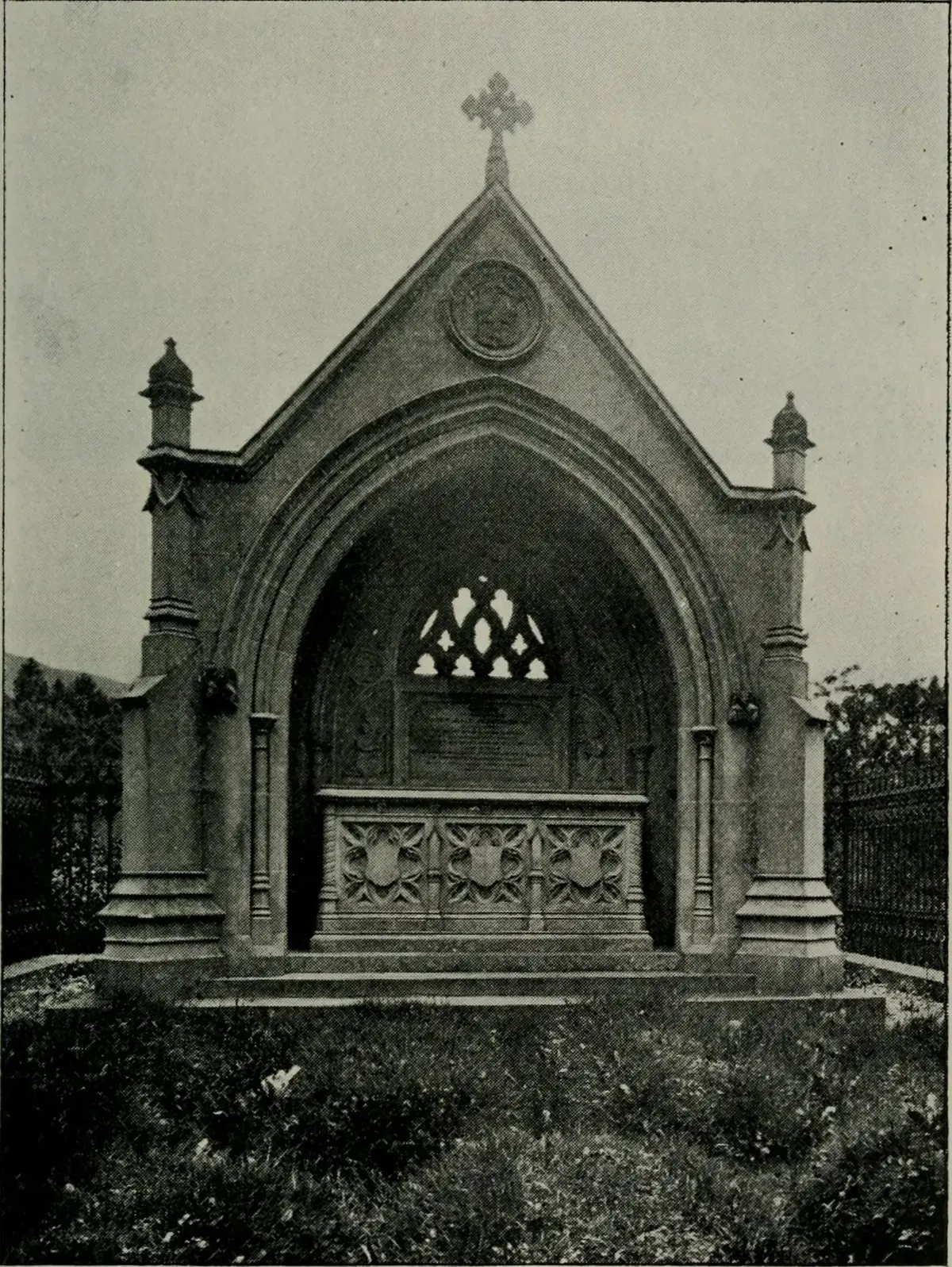
Pax Romana (27 BCE - 180 CE): Roman Empire, Law & Military Supremacy ANCIENT AGES
๐Ÿ›๏ธ Empires โฑ๏ธ 5 min read

Pax Romana (27 BCE - 180 CE): Roman Empire, Law & Military Supremacy

Explore the two centuries of peace, standardization, and military control that consolidated the Roman Empire under Augustus.

Read Chronicle →
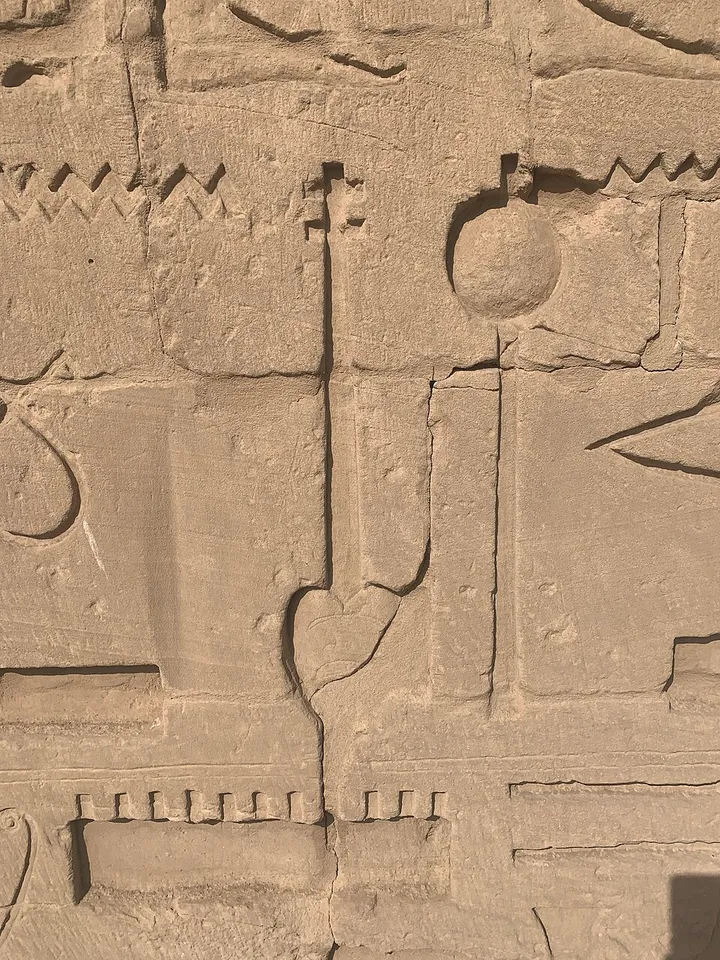
Egyptian Hieroglyphs: Decipherment, Scribes & Sacred Carvings ANCIENT AGES
๐Ÿ›๏ธ Languages โฑ๏ธ 9 min read

Egyptian Hieroglyphs: Decipherment, Scribes & Sacred Carvings

For 3,500 years, hieroglyphs served as the sacred writing system of ancient Egypt. Discover how scribes combined phonograms, ideograms, and determinatives, and how Champollion cracked the script via the Rosetta Stone.

Read Chronicle →
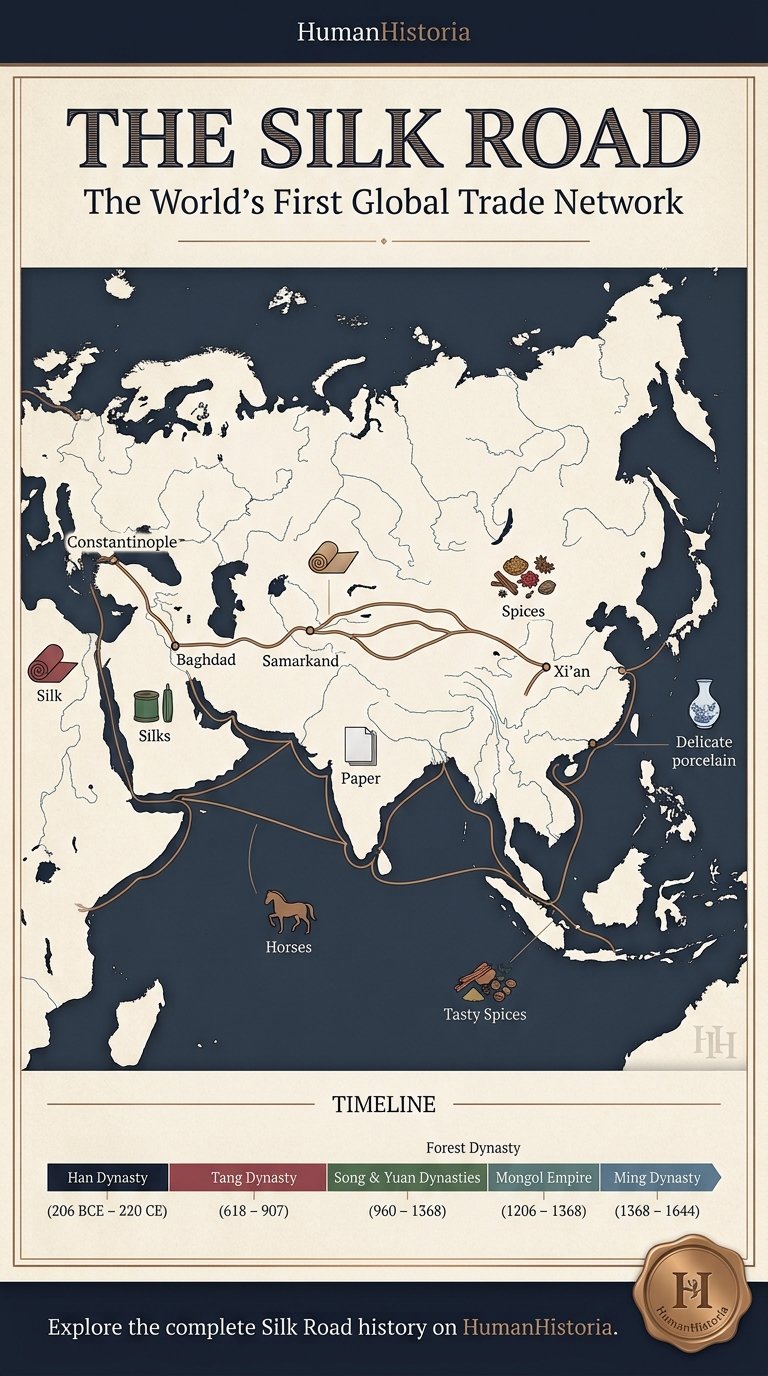
Silk Road (130 BCE โ€“ 1453 CE): Ancient Trade Network, Silk & Spices ANCIENT AGES
๐Ÿ›๏ธ Economics โฑ๏ธ 5 min read

Silk Road (130 BCE โ€“ 1453 CE): Ancient Trade Network, Silk & Spices

Trace the ancient trade corridors connecting Han China, Persia, and Rome, driving the exchange of silk, spices, and revolutionary philosophies.

Read Chronicle →
The Black Death Pandemic 1346: Yersinia Pestis, Mortality & Feudal Shift MEDIEVAL PERIOD
๐Ÿ›๏ธ Society โฑ๏ธ 5 min read

The Black Death Pandemic 1346: Yersinia Pestis, Mortality & Feudal Shift

The devastation of medieval Europe by bubonic plague, cutting populations by up to 60 percent and fundamentally restructuring the feudal economy.

Read Chronicle →
The Gutenberg Press & The Protestant Reformation MEDIEVAL PERIOD
๐Ÿ›๏ธ Science โฑ๏ธ 6 min read

The Gutenberg Press & The Protestant Reformation

Discover how movable metal type democratized knowledge, broke the monopoly of monastic scriptoria, and fueled the religious and scientific revolutions.

Read Chronicle →
Neolithic Agricultural Revolution 10,000 BCE: Fertile Crescent Farming PREHISTORIC ERA
๐Ÿ›๏ธ Science โฑ๏ธ 5 min read

Neolithic Agricultural Revolution 10,000 BCE: Fertile Crescent Farming

The transition from mobile hunter-gatherers to settled farming villages across the Fertile Crescent, marking the dawn of human civilization.

Read Chronicle →
POSTERS & CHARTS

Visual History Timelines & Infographics

Explore All 110+ Posters →
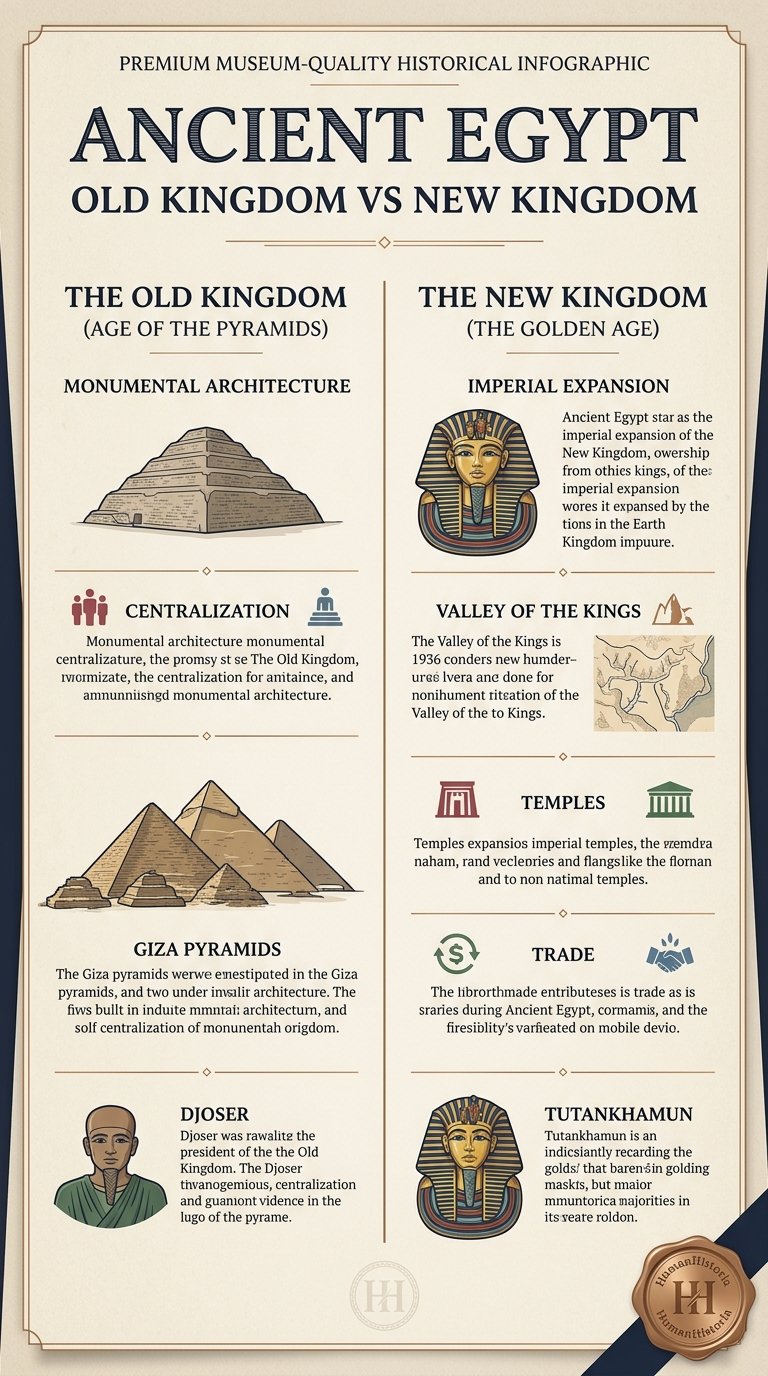
Ancient Egypt Timeline: 3,000 Years of Pharaonic History
๐Ÿ” Tap to Zoom

Ancient Egypt Timeline: 3,000 Years of Pharaonic History

Roman Empire vs Sasanian Persia: Clash of Superpowers Map
๐Ÿ” Tap to Zoom

Roman Empire vs Sasanian Persia: Clash of Superpowers Map

Macro-History of Humanity: 10,000 Years in 1 Visual Chart
๐Ÿ” Tap to Zoom

Macro-History of Humanity: 10,000 Years in 1 Visual Chart

The 7 Stages of Civilizational Growth & Collapse
๐Ÿ” Tap to Zoom

The 7 Stages of Civilizational Growth & Collapse

LEARNING TOOLS & LAB

Interactive History Games & Simulations

Open Full Lab →
๐Ÿ•ต๏ธ

Who Am I? (Historical Guessing Game)

A secret historical figure has been chosen. Ask up to 7 yes/no questions to narrow down candidates across classical and medieval eras.

Play Game →
๐Ÿ—บ๏ธ

Timeline Scramble

Five historical events appear out of order. Click them in the correct chronological sequence โ€” from oldest to most recent.

Test Chronology →
โš–๏ธ

Empire Matchup Simulator

Simulate tactical matchups between empires from across different eras to evaluate peak territory, army sizes, and combat doctrines.

Run Simulator →
Human Historia ยท The Grand Chronicle

The Chronicle of Humanity

300,000 years. 5 eras. Countless turning points that shaped every moment of your world.

๐Ÿฆด

Prehistoric Era

c. 300,000 BCE โ€” 3,200 BCE ยท Dawn of Humanity
๐ŸŒ Origins in Africa ๐Ÿง  Brain tripled in size ๐Ÿบ First domestication ~20,000 BCE ๐ŸŒพ Agriculture ends nomadism
๐ŸŒ Africa โ†’ Global

Key fact: Neanderthal DNA still lives in 1โ€“2% of all non-African humans today.

Related: Animal Domestication, Cave Art

๐Ÿ”ฅ Africa

Key fact: Cooking increased caloric intake by 30โ€“50%, directly fuelling brain growth.

Related: Stone Tools, Migration

๐ŸŒพ Fertile Crescent

Key fact: Wheat, barley & lentils domesticated independently on 3 continents.

Related: Gรถbekli Tepe, Cuneiform

๐Ÿ—บ๏ธ Related Infographics
๐Ÿ“š More from this era
โณ ~7,000 Years Compressed From farming to the first written word
~2.3% of recorded human history
๐Ÿ›๏ธ

Ancient Ages

c. 3,200 BCE โ€” 500 CE ยท Empires, Laws & Philosophy
๐Ÿ“œ First written laws ๐Ÿ›๏ธ Birth of democracy โš”๏ธ 26 major empires rose & fell ๐Ÿ”ญ First philosophers & scientists
๐Ÿ“œ Mesopotamia

Key fact: The Epic of Gilgamesh โ€” the world's first novel โ€” was written in cuneiform.

Related: Epic of Gilgamesh, Hammurabi

๐Ÿ“š Alexandria, Egypt

Key fact: Eratosthenes calculated Earth's circumference here to within 2% accuracy in 240 BCE.

Related: Greek Philosophy, Roman Empire

๐Ÿ—บ๏ธ Related Infographics
๐Ÿ“š More from this era
๐ŸŒ‘ ~400 Years of Transition From Roman fall to the medieval rebirth
The European "Dark Ages" โ€” not so dark in Baghdad
๐Ÿฐ

Medieval Period

c. 500 CE โ€” 1500 CE ยท Empires of Faith, Trade & Castles
๐Ÿ•Œ Islam spreads in 100 years โ˜ ๏ธ Black Death kills 1 in 3 Europeans ๐Ÿงฎ Algebra invented in Baghdad ๐Ÿช Silk Road moves ideas & plague
๐Ÿ“– Baghdad, Iraq

Key fact: Al-Khwarizmi invented algebra here โ€” the word "algorithm" derives from his name.

Related: Silk Road, Mansa Musa

๐Ÿ—บ๏ธ Related Infographics
๐Ÿ“š More from this era
๐Ÿ–จ๏ธ ~50 Years From printing press to Scientific Revolution
Gutenberg's press (1440) โ†’ Copernicus (1543)
โš™๏ธ

Modern Age

c. 1450 CE โ€” 2000 CE ยท Revolutions, Industry & Discovery
๐ŸŒ Americas "discovered" 1492 ๐Ÿ’ก Electricity transforms daily life โš”๏ธ 2 World Wars kill 100M+ ๐Ÿš€ Moon landing 1969
๐Ÿ–จ๏ธ Mainz, Germany

Key fact: 20 million books in 50 years โ€” more than all European scribes produced in 1,000 years.

Related: Scientific Revolution, Reformation

๐Ÿš‚ Britain

Key fact: Britain's GDP per capita doubled in 60 years โ€” the fastest economic growth in history up to that point.

Related: Electricity, Wright Brothers

๐Ÿ—บ๏ธ Related Infographics
๐Ÿ“š More from this era
โšก The Acceleration From computers to AI in 75 years
The fastest technological doubling in human history
๐Ÿš€

The Future

2000 CE โ€” Beyond ยท The Next Chapter of Humanity
๐Ÿค– AGI may arrive by 2040s ๐Ÿงฌ CRISPR rewrites genetic code ๐Ÿช Mars colonisation in progress โš›๏ธ Quantum supremacy achieved 2019
โš›๏ธ Global

Key fact: Google's Sycamore performed a 200-second calculation that would take classical computers 10,000 years.

Related: AI Singularity, CRISPR, Space

๐Ÿ—บ๏ธ Related Infographics
๐Ÿ“š More from this era

THE ARTIFACT GALLERY

Examine the tangible relics, physical tokens, and revolutionary machines that shaped civilizational growth.

๐ŸŽฅ VIDEO HUB & SHORTS

Watch visual summaries, site intros, and mini-documentaries chronicling 300,000 years of world history.

๐Ÿ“Š HISTORICAL INFOGRAPHICS ARCHIVE

Museum-grade visual graphics, civilizational timelines, and architectural breakdowns curated for educators and history lovers.

THE HISTORIA CIRCLE

Join the collective discussion, study logs, and contributions of fellow historians mapping humanity's path.

Historia Forum Discussions

Start a Discussion Thread

THEMATIC PATHWAYS

Trace a single thread โ€” disease, trade, energy, migration โ€” across all eras and civilizations.

History is not just a sequence of events โ€” it is a network of patterns. These thematic pathways allow you to follow a single concept across thousands of years: how agriculture spread, how warfare evolved, how trade routes shaped civilizations. Each pathway collects the most relevant chronicles across all eras.

๐Ÿงฉ
How is this different from the sidebar Topics?
While the sidebar Topics (like Science & Tech or Empires) filter articles within your selected historical Era, Thematic Pathways cut horizontally across all eras (from Prehistoric to the Future). Use Themes to trace a single concept's evolutionary line across 300,000 years.

CIVILIZATION HUBS

Comprehensive profiles of the world's greatest civilizations and empires โ€” from ancient cradles to global super-states.

Human Historia provides an academically rich exploration of the world's most influential civilizations. From the monumental achievements of ancient Egypt, Han China, and the Roman Empire, to the sophisticated societies of the Maya, the Islamic Caliphates, and West African empires, these hubs offer deep insights into the cultural, political, and technological legacies that continue to shape our global story.

EVOLUTION OF HUMAN SKILLS

Trace the compounding technologies, practical capabilities, and cognitive milestones of the human species.

Human progress is a story of compounding skills. Every breakthrough, from the spark of prehistoric fire to modern silicon transistors, builds directly on previous generations of ingenuity. Hover over a skill node to trace its historical prerequisites, and click it to explore its development timeline, species-wide impact, and related chronicles.

Prehistoric Ancient Medieval Modern Future
๐Ÿง 

Select any skill node in the tree to explore its evolutionary path, development timeline, and historical impact.

ACADEMIC PASSPORT

Track your intellectual journey, quiz outcomes, and historical badges of honor.
HISTORIA PASSPORT โณ
๐Ÿ‘ค Scribe Novice
Scholar Name Historia Explorer
Rank Rating Sumerian Record Scribe
Chronicles Read 0 / 48
Study Guide Pins 0 Guides
Security Access Level 1 (Novice)

Earned Badges of Honor

๐Ÿ”ฅ
Fire Keeper
Unlock 3 prehistoric chronicles.
๐Ÿ›๏ธ
Codex Keeper
Unlock 3 ancient chronicles.
๐Ÿฐ
Guild Master
Unlock 3 medieval chronicles.
โš™๏ธ
Steam Engineer
Unlock 3 modern chronicles.
๐Ÿš€
Singularity Sage
Unlock 3 future chronicles.
๐Ÿ‘‘
Grand Scholar
Score 5/5 on the Lab Quiz.

Recent Lab Activities

No recent activities recorded. Take a quiz or bookmark articles!
Curated Exhibition

Human Historia

An immersive graphical anthology tracing the paths of civilizations, breakthroughs, and conflicts that forged the modern consciousness.

25Chronicles
Showing all articles

The East India Company: How a Joint-Stock Corporation Conquered the Subcontinent

Written by Humanhistoria Editorial Historical Era: MODERN
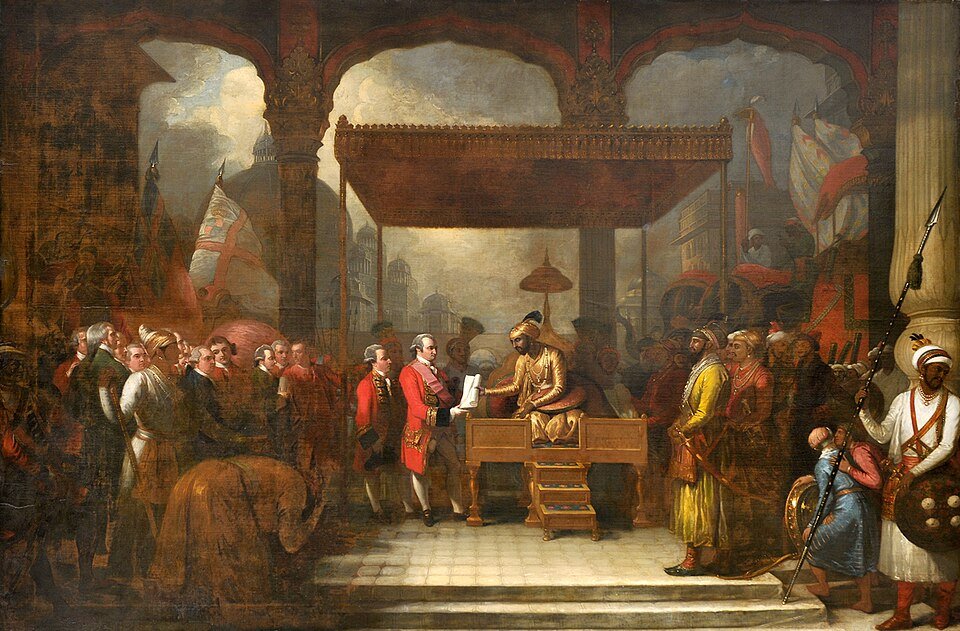
๐Ÿ“ท Historical Photograph Mughal Emperor Shah Alam II conveying the grant of the Diwani of Bengal, Bihar, and Orissa to Robert Clive in August 1765, painted by Benjamin West. Source: British Library / Wikimedia Commons (Public Domain).

๐Ÿง Key Chronicle Takeaway (Atomic Summary)

Granted a royal monopoly by Queen Elizabeth I in 1600, the British East India Company began as a modest spice merchant. Over two centuries, it raised a private army of 260,000 sepoy soldiers, leveraged political divisions after the Mughal decline, and seized direct rule and tax collection over tens of millions of Indian citizens.

The consolidation of global empires has traditionally been the work of kings, generals, and state armies. However, the largest empire in human history was initialized not by a state, but by a private, joint-stock company. Founded in 1600 by a royal charter from Queen Elizabeth I, the East India Company (EIC) grew from a simple trading venture in spices into an imperial power that ruled over the entire Indian subcontinent. At its peak, the Company controlled a private military force of over 260,000 soldiersโ€”twice the size of the British Armyโ€”and administered the taxation, law, and lives of 150 million people. The history of the EIC is a study in corporate sovereignty, mercantilist monopoly, and the transformation of commercial trade into geopolitical dominion, leaving an administrative legacy that permanently altered the history of South Asia.

The Royal Charter and the Joint-Stock Model

In the late 16th century, the lucrative spice trade of the East Indies was dominated by Portuguese and Dutch merchants. To challenge this monopoly, a group of London merchants gathered in 1600 to form a joint-stock venture. By pooling their capital, individual investors could fund expensive voyages to Asia, sharing the profits and spreading the risks. Scribes drafted the charter, which was signed by Queen Elizabeth I, granting the Company a 15-year monopoly on all English trade in the East Indies, along with the authority to draft laws, issue currencies, and build fortifications in its trade outposts.

This joint-stock model was highly innovative. Unlike earlier medieval guild merchant systems, the EIC possessed a permanent capital structure that did not dissolve after a single voyage. Investors bought and sold shares of the Company on the London Exchange, creating a stable funding stream that allowed the EIC to build a fleet of heavily armed merchant vessels, known as East Indiamen. Scribes managed the complex accounts, tracking transactions across multiple ports, establishing early corporate bookkeeping standards that laid the groundwork for modern corporate finance.

East India Company Silver Rupee Coin 1835
๐Ÿ“ท Historical Photograph A silver One Rupee coin issued by the East India Company in 1835 under William IV, showing the Company's coat of arms and two lions on the reverse. Source: Wikimedia Commons (Public Domain).

The Pivot from Spices to Indian Textiles

When the EIC arrived in the East Indies, they found the Dutch East India Company (VOC) had locked down the spice markets through military force. Pushed out of Indonesia, the EIC focused its efforts on the Mughal Empire in India. Scribes and diplomats like Sir Thomas Roe visited the court of Emperor Jahangir in 1615, securing royal decrees (Firman) that allowed the Company to establish trading posts, known as Factories, at ports like Surat, Madras, Bombay, and Calcutta.

Instead of spices, the EIC discovered a massive global demand for Indian calicoes, muslins, and silks. Scribes documented the trade flow: the EIC shipped silver from Europe to purchase Indian textiles, which were then sold in Europe and Africa at huge profits. As the Mughal Empire began to decentralize in the early 18th century, local governors (Nawabs) became independent rulers, and the French East India Company began competing for influence. The EIC realized that to protect its commercial investments, it needed to intervene directly in Indian politics, transforming trading posts into military garrisons.

The Battle of Plassey and the Diwani

In 1757, the EIC forces led by Robert Clive defeated the Nawab of Bengal, Siraj-ud-Daulah, at the Battle of Plassey, utilizing bribery and political intrigue to secure victory. Following the Battle of Buxar in 1764, the Mughal Emperor Shah Alam II signed the Treaty of Allahabad, granting the EIC the Diwaniโ€”the right to collect all land revenues (taxes) in Bengal, Bihar, and Orissa. This was a critical turning point: a private corporation was now the official tax collector for the wealthiest province in India, turning a trading company into a territorial sovereign.

The Private Army: Enforcing Corporate Rule

To defend its vast territories and collect taxes, the EIC constructed a massive private military force. Scribes organized the recruitment of local Indian soldiers, known as Sepoys, who were trained in European tactics, armed with muskets, and led by British officers. The Sepoy army was highly disciplined, professional, and well-paid, allowing the EIC to conquer neighboring Indian statesโ€”such as the Maratha Empire and the Kingdom of Mysoreโ€”one by one, utilizing a combination of military force and subsidiary alliances.

empire-eic-inline-2.jpg
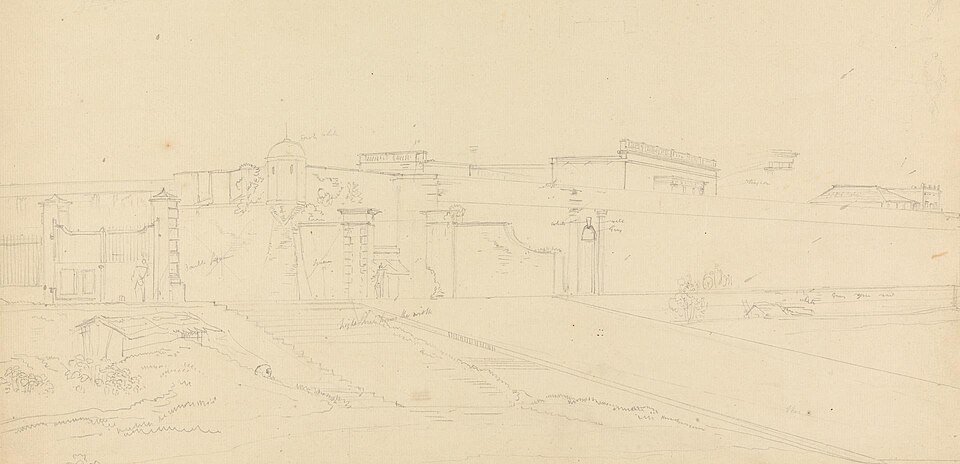
๐ŸŽจ Historical Print An authentic 1786 hand-colored engraving of Fort William in Calcutta by Thomas Daniell, depicting the headquarters of the East India Company's military and civil authority in Bengal. Source: Yale Center for British Art / Wikimedia Commons (Public Domain).

The EIC's rule was driven by commercial extraction rather than public welfare:

  • Revenue Extraction: The Company raised land taxes in Bengal to maximize profits for London shareholders, leading to the devastating Bengal Famine of 1770, which killed an estimated 10 million people. Scribes documented that despite the famine, tax collections remained steady.
  • Monopoly Enforcement: The EIC forced local weavers to work exclusively for the Company at fixed, low wages, destroying the independent Indian textile industry.
  • The Opium Trade: To balance its trade deficits with China for tea, the EIC grew opium in India and smuggled it into China, triggering the Opium Wars and securing the colony of Hong Kong.

The Great Rebellion of 1857

The EIC's rule ended in violence during the Indian Rebellion of 1857 (often called the Sepoy Mutiny). Triggered by rumors that new rifle cartridges were greased with beef and pork fat (offending both Hindu and Muslim sepoys), the rebellion spread across northern India. Scribes documented months of brutal warfare and executions. The rebellion forced the British Government to intervene. Realizing that a private corporation could no longer manage a subcontinent, the British Parliament passed the Government of India Act 1858, dissolving the EIC and transferring control of India to the British Crown, initiating the British Raj.

The Legacy of Corporate Imperialism

The East India Company was a precursor to the modern multinational corporation. It demonstrated the power of joint-stock capital to organize labor, technology, and military force on a global scale. However, its history also serves as a warning about the dangers of unchecked corporate power. Scribes and administrators in the EIC built the roads, railways, and administrative bureaucracies that unified India geographically, but they did so to extract wealth rather than build a nation. The EIC's legacy remains written in the political boundaries, legal systems, and economic structures of modern South Asia, proving that corporate interests can reshape the course of global history.

The Battle of Plassey and the Diwani Rights

The transition of the East India Company from a merchant enterprise into a ruling empire was secured by the Battle of Plassey (1757) and the subsequent acquisition of the Diwani Rights. Led by Robert Clive, the Company's forces defeated the Nawab of Bengal, Siraj-ud-Daulah, through bribery and political intrigue rather than military force. Clive bribed the Nawab's military commander, Mir Jafar, who kept his troops out of the battle in exchange for being installed as a puppet ruler under Company control.

Following their victory, the Company pressured the Mughal Emperor Shah Alam II to sign the Treaty of Allahabad in 1765, which granted the Company the Diwaniโ€”the right to collect land revenues directly from the wealthy provinces of Bengal, Bihar, and Odisha. Overnight, a private corporation became the official tax collector for over 20 million Indian citizens, using the tax revenues to buy Indian textiles and spices, which were then sold in Europe. This system allowed the Company to fund its private army and expand its conquests without using British taxpayer money, illustrating a corporate colonization model that bled the Indian economy of its wealth and resources.

The Regulating Acts and the Transition to Crown Rule

The unprecedented wealth and power of the East India Company eventually drew the attention and concern of the British Parliament. Scribes recorded that the Company's officials, known as "nabobs," returned to England with immense fortunes, using their wealth to purchase seats in Parliament and lobby for corporate interests. This corporate influence, combined with reports of corruption, extortion, and the disastrous Bengal Famine of 1770 (which killed a third of the population), led to public outrage in London. Scribes and politicians warned that a private company could not be allowed to govern millions of citizens without state accountability.

To assert state control, Parliament passed a series of Regulating Acts between 1773 and 1784. Scribes documented that these laws established the office of Governor-General of India, created a supreme court in Calcutta, and appointed a Board of Control in London to oversee the Company's civil, military, and financial administration. The Company was no longer a fully independent corporation; it was transformed into a managing agent for the British Crown. This regulatory structure set the stage for the Government of India Act of 1858, which officially abolished the Company following the Indian Rebellion of 1857, transferring all corporate territories directly to the British Empire and concluding the era of corporate sovereignty.

Coat of arms of the British East India Company
The stone relief coat of arms of the British East India Company, representing the corporate empire that dominated global trade.

Conclusion: The Sovereign Corporation

The East India Company was the most powerful corporation to ever exist. By combining joint-stock finance, a private sepoy army, and state-backed monopoly charters, the EIC constructed an empire that conquered India and dominated global trade. The history of the EIC is a reminder that the tools of commerce can become the weapons of conquest, showing that the pursuit of profit has been one of the most powerful and destructive forces in the human odyssey.

โš–๏ธ

Historian Debate: Was the EIC the First Modern Corporation?

Corporate Governance and Trade

Proponents argue the East India Company pioneered corporate finance, joint-stock ownership, and international logistics, integrating global markets.

State-Sponsored Exploitation and Looting

Critics like William Dalrymple argue the EIC was an unregulated military monopoly that looted India's treasury, triggered the Bengal Famine, and acted as a rogue state.

The East India Company controlled a private mercenary army larger than the British state army.

"The East India Company was not a mere merchant association โ€” it was a military empire masquerading as a corporation, exploiting millions for shareholder dividends."

โ€” William Dalrymple, The Anarchy: The Relentless Rise of the East India Company (2019).

Further Reading

  • The Anarchy โ€” by William Dalrymple. A gripping history of how the East India Company conquered India.
  • The Corporation That Changed the World โ€” by Nick Robins. An analysis of the EIC's corporate structure and ethical legacy.
โšก Fast Facts
  • Historical EraMODERN
  • Region๐ŸŒ SOUTH ASIA
  • CategoryEmpires
  • Reading Timeโฑ 8 min read
๐Ÿ“– Scholar Mode Active โ€” Click to exit focused reading
Selected Era

Prehistoric Era

Millions of years ago to ~3000 BCE

The dawn of humanity. From the evolutionary split of early hominids to the mastery of stone tools, fire, and the birth of language.

Landmark Milestones

Welcome to Historia

Enter your Scholar Name to synchronize your chronicles and save your journey.