>
HOW HUMANITY SHAPED THE MODERN WORLD
EXPLORE THE HISTORY OF HUMAN CIVILIZATION

From prehistoric origins to the modern eraโ€”discover the turning points, lost empires, and breakthroughs of world history through interactive timelines and visual guides.
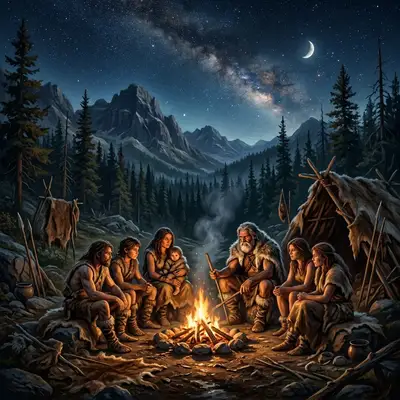
KEY HISTORICAL EVENTS
Major Turning Points in World History
All 182 Chronicles →
Pax Romana (27 BCE - 180 CE): Roman Empire, Law & Military Supremacy ANCIENT AGES
๐Ÿ›๏ธ Empires โฑ๏ธ 5 min read
Pax Romana (27 BCE - 180 CE): Roman Empire, Law & Military Supremacy

Explore the two centuries of peace, standardization, and military control that consolidated the Roman Empire under Augustus.

Read Chronicle →
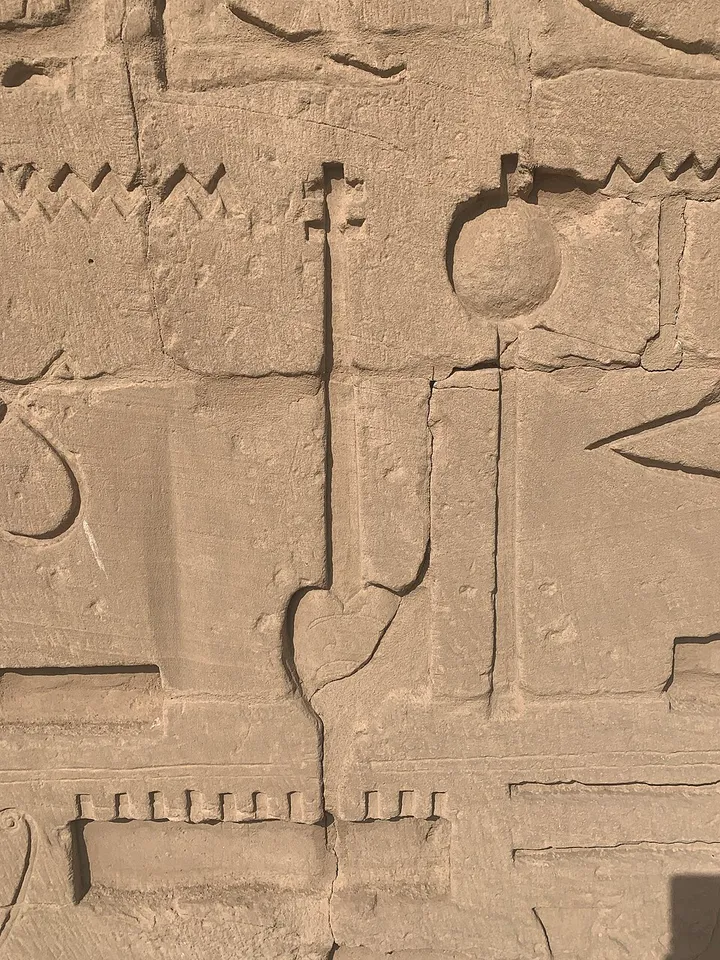
Egyptian Hieroglyphs: Decipherment, Scribes & Sacred Carvings ANCIENT AGES
๐Ÿ›๏ธ Languages โฑ๏ธ 9 min read
Egyptian Hieroglyphs: Decipherment, Scribes & Sacred Carvings

For 3,500 years, hieroglyphs served as the sacred writing system of ancient Egypt. Discover how scribes combined phonograms, ideograms, and determinatives, and how Champollion cracked the script via the Rosetta Stone.

Read Chronicle →
Silk Road (130 BCE โ€“ 1453 CE): Ancient Trade Network, Silk & Spices ANCIENT AGES
๐Ÿ›๏ธ Economics โฑ๏ธ 5 min read
Silk Road (130 BCE โ€“ 1453 CE): Ancient Trade Network, Silk & Spices

Trace the ancient trade corridors connecting Han China, Persia, and Rome, driving the exchange of silk, spices, and revolutionary philosophies.

Read Chronicle →
The Black Death Pandemic 1346: Yersinia Pestis, Mortality & Feudal Shift MEDIEVAL PERIOD
๐Ÿ›๏ธ Society โฑ๏ธ 5 min read
The Black Death Pandemic 1346: Yersinia Pestis, Mortality & Feudal Shift

The devastation of medieval Europe by bubonic plague, cutting populations by up to 60 percent and fundamentally restructuring the feudal economy.

Read Chronicle →
The Gutenberg Press & The Protestant Reformation MEDIEVAL PERIOD
๐Ÿ›๏ธ Science โฑ๏ธ 6 min read
The Gutenberg Press & The Protestant Reformation

Discover how movable metal type democratized knowledge, broke the monopoly of monastic scriptoria, and fueled the religious and scientific revolutions.

Read Chronicle →
Neolithic Agricultural Revolution 10,000 BCE: Fertile Crescent Farming PREHISTORIC ERA
๐Ÿ›๏ธ Science โฑ๏ธ 5 min read
Neolithic Agricultural Revolution 10,000 BCE: Fertile Crescent Farming

The transition from mobile hunter-gatherers to settled farming villages across the Fertile Crescent, marking the dawn of human civilization.

Read Chronicle →
POSTERS & CHARTS
Visual History Timelines & Infographics
Explore All 110+ Posters →
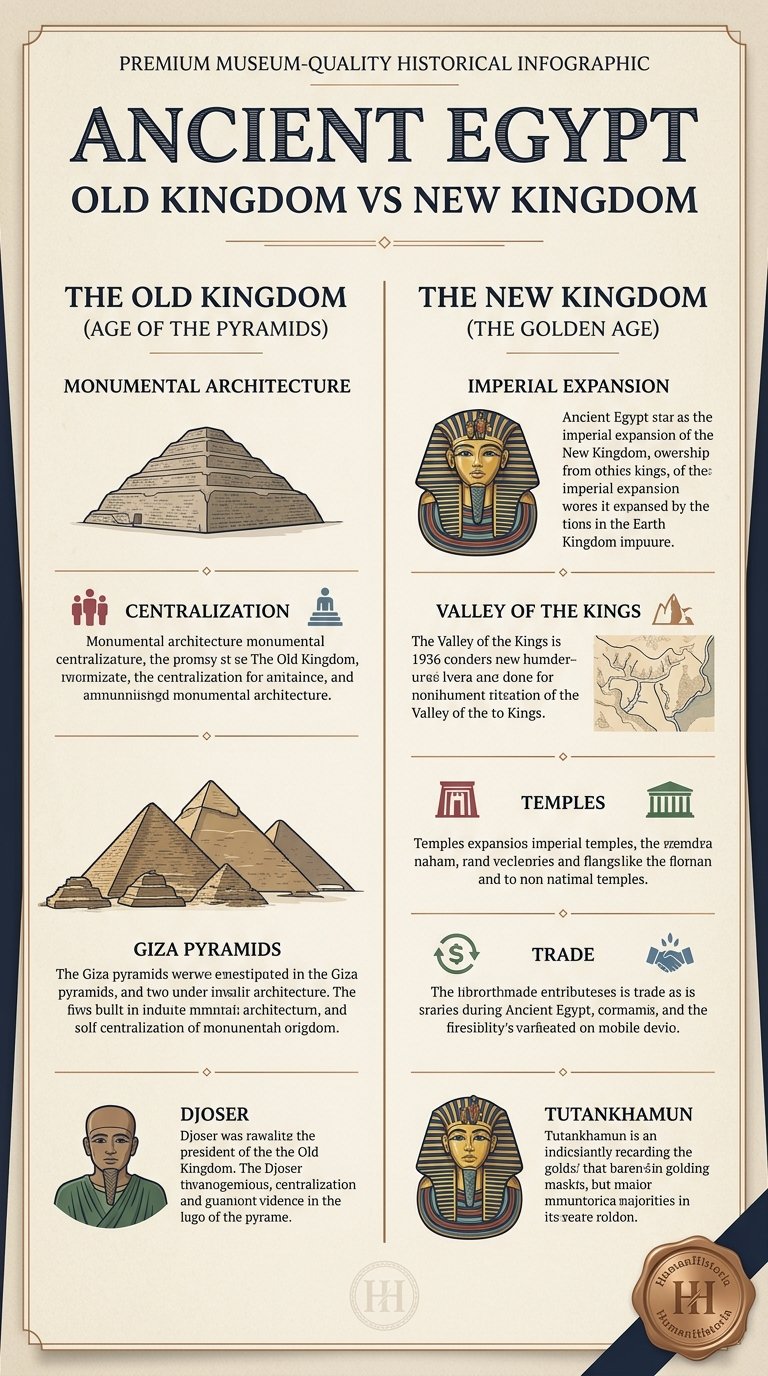
Ancient Egypt: Old Kingdom vs. New Kingdom
๐Ÿ” Tap to Zoom
Ancient Egypt: Old Kingdom vs. New Kingdom
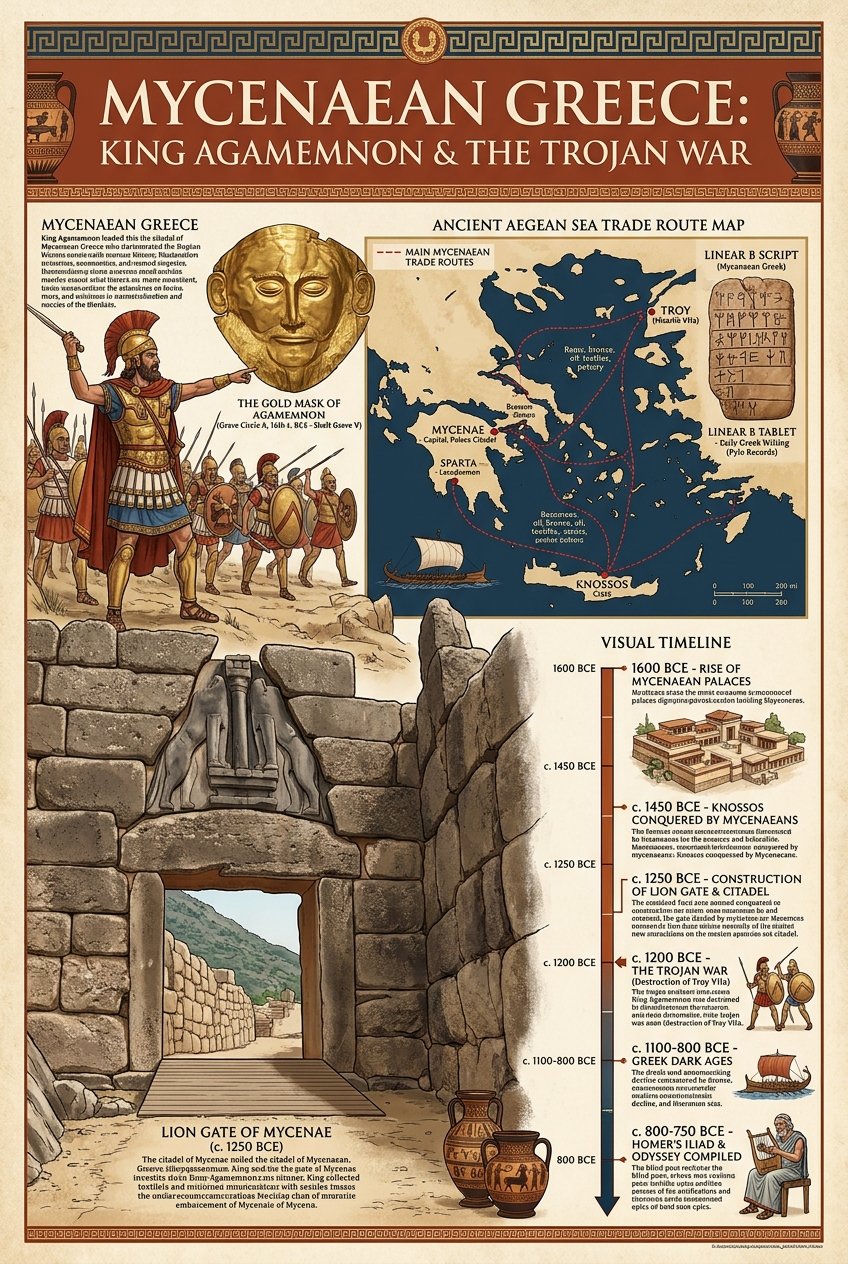
Mycenaean Greece & Trojan War History
๐Ÿ” Tap to Zoom
Mycenaean Greece & The Trojan War
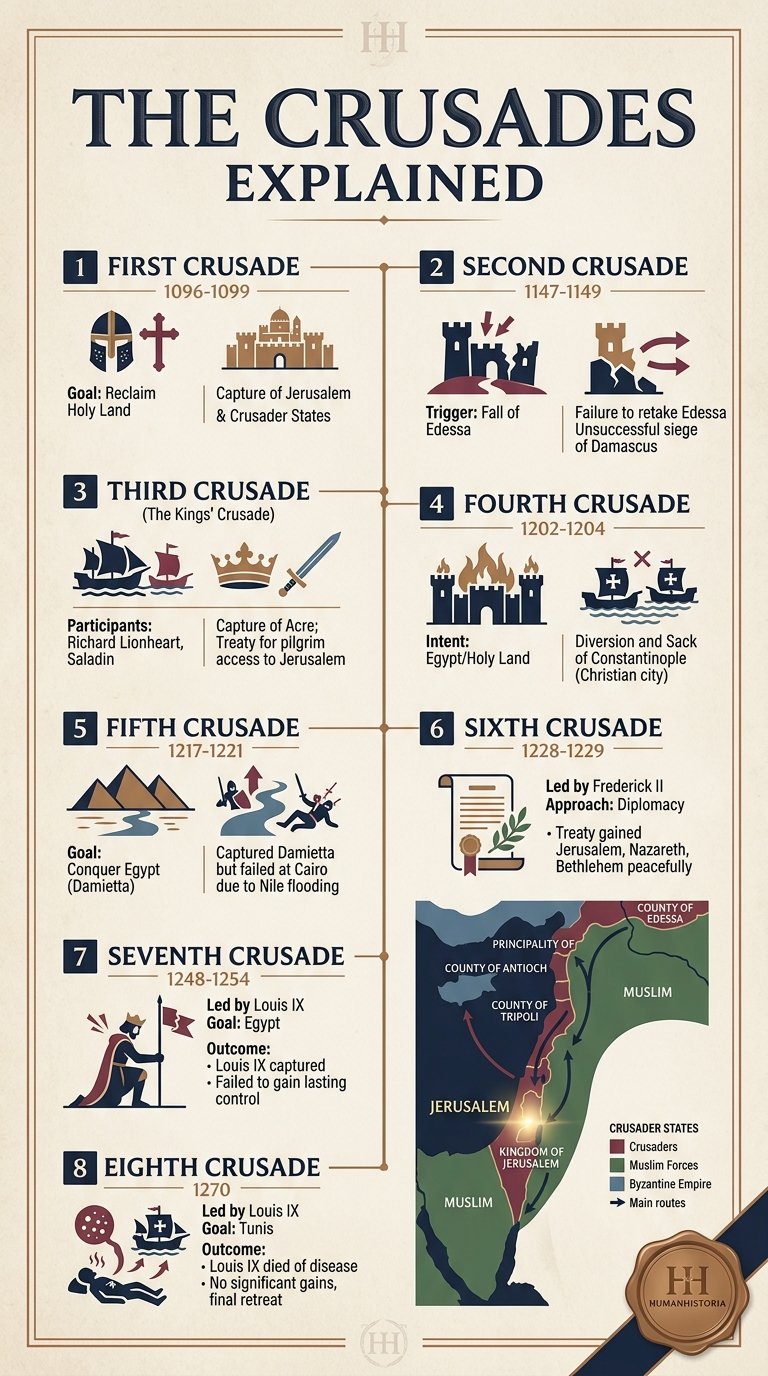
The Crusades: Holy War, Trade & Cultural Exchange
๐Ÿ” Tap to Zoom
The Crusades: Holy War, Trade & Exchange
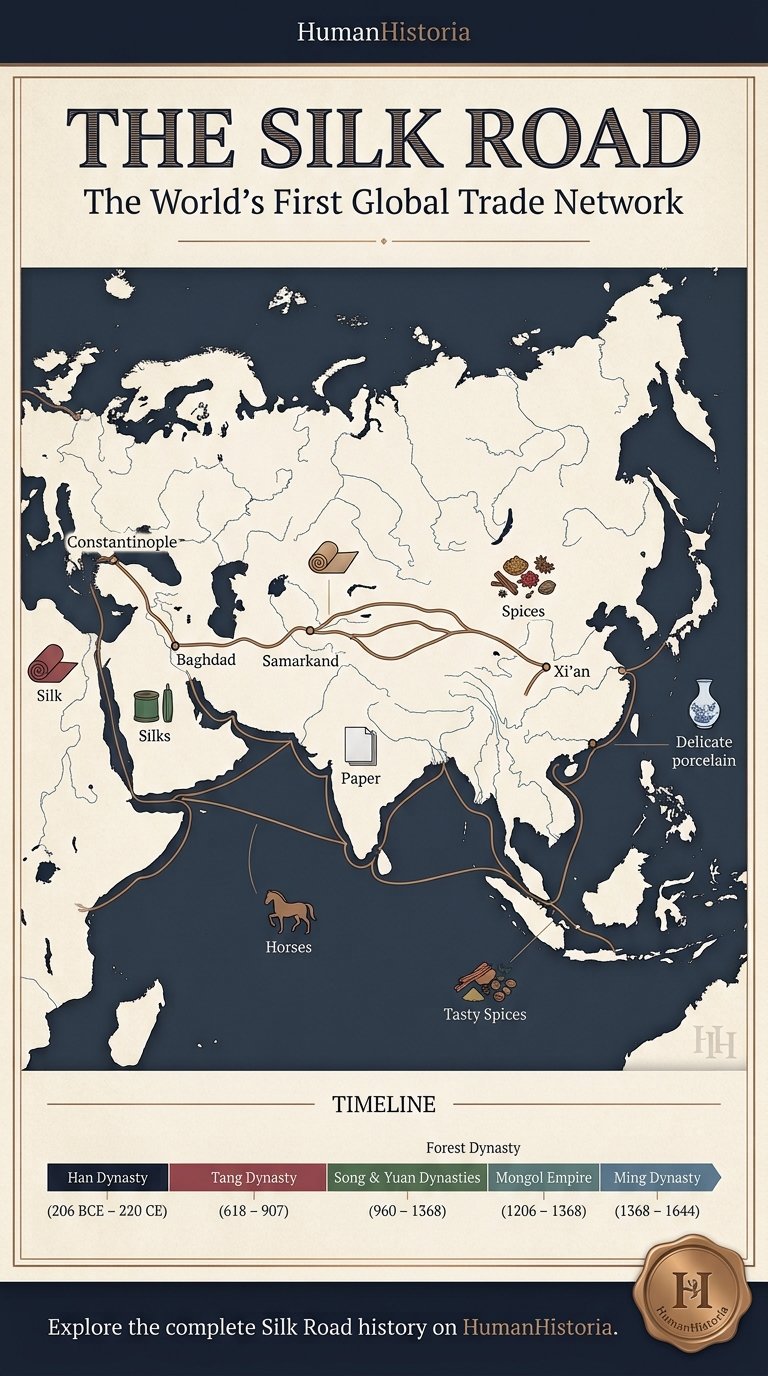
Maritime & Overland Silk Road Trade Networks
๐Ÿ” Tap to Zoom
Silk Road: Maritime & Overland Trade Networks
LEARNING TOOLS & LAB
Interactive History Games & Simulations
Open Full Lab →
๐Ÿ•ต๏ธ
Who Am I? (Historical Guessing Game)

A secret historical figure has been chosen. Ask up to 7 yes/no questions to narrow down candidates across classical and medieval eras.

Play Game →
๐Ÿ—บ๏ธ
Timeline Scramble

Five historical events appear out of order. Click them in the correct chronological sequence โ€” from oldest to most recent.

Test Chronology →
โš–๏ธ
Empire Matchup Simulator

Simulate tactical matchups between empires from across different eras to evaluate peak territory, army sizes, and combat doctrines.

Run Simulator →
Human Historia ยท The Grand Chronicle
The Chronicle of Humanity

300,000 years. 5 eras. Countless turning points that shaped every moment of your world.

๐Ÿฆด
Prehistoric Era
c. 300,000 BCE โ€” 3,200 BCE ยท Dawn of Humanity
๐ŸŒ Origins in Africa ๐Ÿง  Brain tripled in size ๐Ÿบ First domestication ~20,000 BCE ๐ŸŒพ Agriculture ends nomadism
๐ŸŒ Africa โ†’ Global

Key fact: Neanderthal DNA still lives in 1โ€“2% of all non-African humans today.

Related: Animal Domestication, Cave Art

๐Ÿ”ฅ Africa

Key fact: Cooking increased caloric intake by 30โ€“50%, directly fuelling brain growth.

Related: Stone Tools, Migration

๐ŸŒพ Fertile Crescent

Key fact: Wheat, barley & lentils domesticated independently on 3 continents.

Related: Gรถbekli Tepe, Cuneiform

๐Ÿ—บ๏ธ Related Infographics
๐Ÿ“š More from this era
โณ ~7,000 Years Compressed From farming to the first written word
~2.3% of recorded human history
๐Ÿ›๏ธ
Ancient Ages
c. 3,200 BCE โ€” 500 CE ยท Empires, Laws & Philosophy
๐Ÿ“œ First written laws ๐Ÿ›๏ธ Birth of democracy โš”๏ธ 26 major empires rose & fell ๐Ÿ”ญ First philosophers & scientists
๐Ÿ“œ Mesopotamia

Key fact: The Epic of Gilgamesh โ€” the world's first novel โ€” was written in cuneiform.

Related: Epic of Gilgamesh, Hammurabi

๐Ÿ“š Alexandria, Egypt

Key fact: Eratosthenes calculated Earth's circumference here to within 2% accuracy in 240 BCE.

Related: Greek Philosophy, Roman Empire

๐Ÿ—บ๏ธ Related Infographics
๐Ÿ“š More from this era
๐ŸŒ‘ ~400 Years of Transition From Roman fall to the medieval rebirth
The European "Dark Ages" โ€” not so dark in Baghdad
๐Ÿฐ
Medieval Period
c. 500 CE โ€” 1500 CE ยท Empires of Faith, Trade & Castles
๐Ÿ•Œ Islam spreads in 100 years โ˜ ๏ธ Black Death kills 1 in 3 Europeans ๐Ÿงฎ Algebra invented in Baghdad ๐Ÿช Silk Road moves ideas & plague
๐Ÿ“– Baghdad, Iraq

Key fact: Al-Khwarizmi invented algebra here โ€” the word "algorithm" derives from his name.

Related: Silk Road, Mansa Musa

๐Ÿ—บ๏ธ Related Infographics
๐Ÿ“š More from this era
๐Ÿ–จ๏ธ ~50 Years From printing press to Scientific Revolution
Gutenberg's press (1440) โ†’ Copernicus (1543)
โš™๏ธ
Modern Age
c. 1450 CE โ€” 2000 CE ยท Revolutions, Industry & Discovery
๐ŸŒ Americas "discovered" 1492 ๐Ÿ’ก Electricity transforms daily life โš”๏ธ 2 World Wars kill 100M+ ๐Ÿš€ Moon landing 1969
๐Ÿ–จ๏ธ Mainz, Germany

Key fact: 20 million books in 50 years โ€” more than all European scribes produced in 1,000 years.

Related: Scientific Revolution, Reformation

๐Ÿš‚ Britain

Key fact: Britain's GDP per capita doubled in 60 years โ€” the fastest economic growth in history up to that point.

Related: Electricity, Wright Brothers

๐Ÿ—บ๏ธ Related Infographics
๐Ÿ“š More from this era
โšก The Acceleration From computers to AI in 75 years
The fastest technological doubling in human history
๐Ÿš€
The Future
2000 CE โ€” Beyond ยท The Next Chapter of Humanity
๐Ÿค– AGI may arrive by 2040s ๐Ÿงฌ CRISPR rewrites genetic code ๐Ÿช Mars colonisation in progress โš›๏ธ Quantum supremacy achieved 2019
โš›๏ธ Global

Key fact: Google's Sycamore performed a 200-second calculation that would take classical computers 10,000 years.

Related: AI Singularity, CRISPR, Space

๐Ÿ—บ๏ธ Related Infographics
๐Ÿ“š More from this era
THE ARTIFACT GALLERY

Examine the tangible relics, physical tokens, and revolutionary machines that shaped civilizational growth.

๐ŸŽฅ VIDEO HUB & SHORTS

Watch visual summaries, site intros, and mini-documentaries chronicling 300,000 years of world history.

๐Ÿ“Š HISTORICAL INFOGRAPHICS ARCHIVE

Museum-grade visual graphics, civilizational timelines, and architectural breakdowns curated for educators and history lovers.

THE HISTORIA CIRCLE

Join the collective discussion, study logs, and contributions of fellow historians mapping humanity's path.

Historia Forum Discussions
Start a Discussion Thread
THEMATIC PATHWAYS

Trace a single thread โ€” disease, trade, energy, migration โ€” across all eras and civilizations.

History is not just a sequence of events โ€” it is a network of patterns. These thematic pathways allow you to follow a single concept across thousands of years: how agriculture spread, how warfare evolved, how trade routes shaped civilizations. Each pathway collects the most relevant chronicles across all eras.

๐Ÿงฉ
How is this different from the sidebar Topics?
While the sidebar Topics (like Science & Tech or Empires) filter articles within your selected historical Era, Thematic Pathways cut horizontally across all eras (from Prehistoric to the Future). Use Themes to trace a single concept's evolutionary line across 300,000 years.
CIVILIZATION HUBS

Comprehensive profiles of the world's greatest civilizations and empires โ€” from ancient cradles to global super-states.

Human Historia provides an academically rich exploration of the world's most influential civilizations. From the monumental achievements of ancient Egypt, Han China, and the Roman Empire, to the sophisticated societies of the Maya, the Islamic Caliphates, and West African empires, these hubs offer deep insights into the cultural, political, and technological legacies that continue to shape our global story.

EVOLUTION OF HUMAN SKILLS

Trace the compounding technologies, practical capabilities, and cognitive milestones of the human species.

Human progress is a story of compounding skills. Every breakthrough, from the spark of prehistoric fire to modern silicon transistors, builds directly on previous generations of ingenuity. Hover over a skill node to trace its historical prerequisites, and click it to explore its development timeline, species-wide impact, and related chronicles.

Prehistoric Ancient Medieval Modern Future
๐Ÿง 

Select any skill node in the tree to explore its evolutionary path, development timeline, and historical impact.

ACADEMIC PASSPORT

Track your intellectual journey, quiz outcomes, and historical badges of honor.
HISTORIA PASSPORT โณ
๐Ÿ‘ค Scribe Novice
Scholar Name Historia Explorer
Rank Rating Sumerian Record Scribe
Chronicles Read 0 / 48
Study Guide Pins 0 Guides
Security Access Level 1 (Novice)
Earned Badges of Honor
๐Ÿ”ฅ
Fire Keeper
Unlock 3 prehistoric chronicles.
๐Ÿ›๏ธ
Codex Keeper
Unlock 3 ancient chronicles.
๐Ÿฐ
Guild Master
Unlock 3 medieval chronicles.
โš™๏ธ
Steam Engineer
Unlock 3 modern chronicles.
๐Ÿš€
Singularity Sage
Unlock 3 future chronicles.
๐Ÿ‘‘
Grand Scholar
Score 5/5 on the Lab Quiz.
Recent Lab Activities
No recent activities recorded. Take a quiz or bookmark articles!
๐Ÿ›๏ธ MISSION & ARCHIVAL STANDARDS
About Human Historia

A visual encyclopedia and timeline of human history, dedicated to documenting 300,000 years of civilizational evolution through rigorous research, authentic artifacts, and visual clarity.

๐ŸŒ
The 300,000-Year Story

Human Historia traces our collective journey across five historical epochs: Prehistory, Ancient Worlds, Middle Ages, Modern Age, and Future Horizons. From the first control of fire to quantum computation, we organize turning points into interconnected timelines.

๐Ÿ“œ
Historiographical Rigor

Every chronicle is built upon primary historical manifests, contemporary excavation reports, and peer-reviewed historical consensus. We prioritize authentic public domain artifacts and clearly identify scholarly debates surrounding major civilizational transitions.

๐ŸŽจ
Museum-Grade Visuals

Complex historical transitions demand visual understanding. We develop high-resolution infographics, architectural cutaways, and comparative territorial maps to transform abstract timelines into vivid, unforgettable learning experiences.

๐Ÿ“–
Educational Access

Knowledge belongs to humanity. Human Historia is free, ad-light, and engineered as an educational resource for students, classroom educators, academic researchers, and curious minds across all continents.

Editorial Governance & Inquiries

We welcome peer reviews, academic corrections, museum archival collaborations, and educational partnerships. To submit historical inquiries or provide archival feedback, reach our editorial desk directly.

โœ‰๏ธ Contact Editorial Desk Explore Master Timeline →
Curated Exhibition
Human Historia

An immersive graphical anthology tracing the paths of civilizations, breakthroughs, and conflicts that forged the modern consciousness.

25Chronicles
Showing all articles

World War II (1939โ€“1945): Global Total War, Theaters & Legacy

Written by Humanhistoria Warfare Historical Era: MODERN

On September 1, 1939, German panzer divisions and Luftwaffe bombers tore across the Polish frontier, unleashing an industrial catastrophe that would consume over seventy million human lives: World War II. Spanning six catastrophic years from 1939 to 1945, the second global conflict was the deadliest and most widespread war in human history, engulfing more than thirty nations across European, Pacific, Atlantic, and Mediterranean theaters. It pitted the totalitarian Axis powersโ€”Nazi Germany, Fascist Italy, and Imperial Japanโ€”against the grand Allied coalition led by Great Britain, the Soviet Union, the United States, and China. Beyond its titanic clashes of tank armies and aircraft carrier armadas, the war exposed the darkest abysses of modern civilization through industrialized genocide in the Holocaust and ushered humanity into the perilous Atomic Age beneath the mushroom clouds of Hiroshima and Nagasaki.

World War II (1939โ€“1945): Global Conflict, Allied Coalition & Axis Defeat
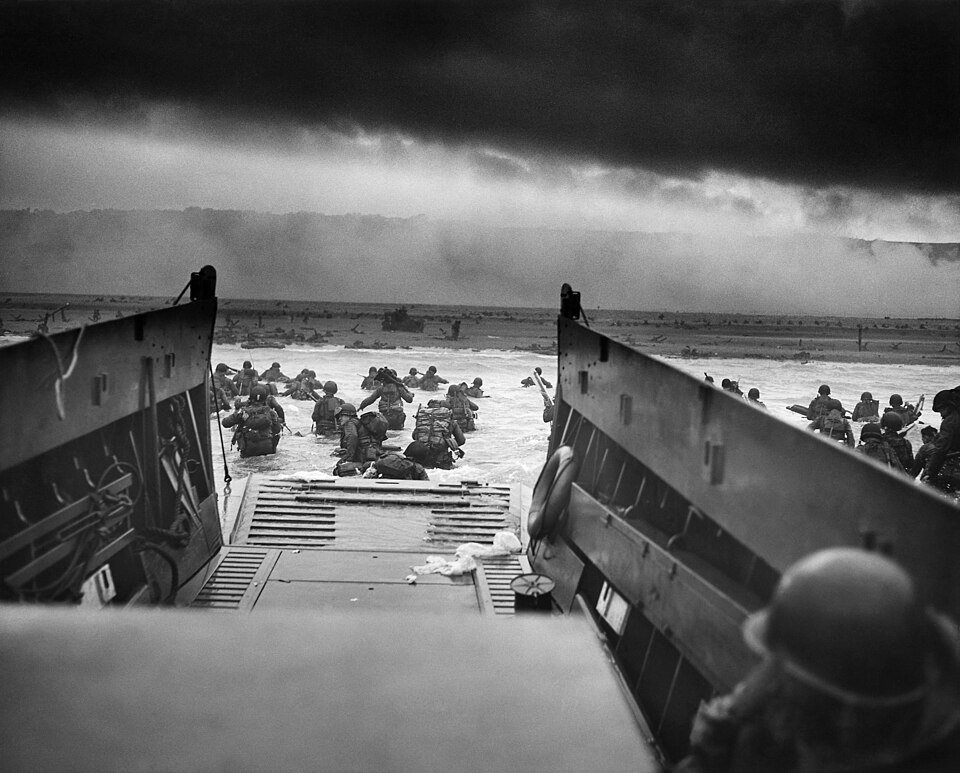
Allied soldiers advancing under fire during amphibious operations in 1944. The industrial mobilization of the Allies deployed unprecedented logistical coordination across global theaters. (National Archives and Records Administration)

Origins & Outbreak: When Did World War 2 Begin and What Caused It?

The origins of World War II lay embedded in the unresolved wreckage of the First World War. The Treaty of Versailles (1919) imposed crippling financial reparations, territorial amputations, and humiliating "war guilt" clauses upon Germany, while the Great Depression of 1929 obliterated global trade, driving millions into unemployment and radicalizing political spheres across Europe and Asia.

In Germany, Adolf Hitler weaponized populist resentment to dismantle the Weimar Republic, establishing the totalitarian Third Reich in 1933. Hitler's expansionist ideology demanded Lebensraum ("living space") in Eastern Europe through the racial subjugation of Slavic populations. Simultaneously, in the Pacific, an increasingly militaristic Imperial Japan invaded Manchuria in 1931 and launched full-scale war against China in 1937, seeking imperial hegemony across East Asia. The refusal of the Western democracies to resist early aggressionโ€”exemplified by the appeasement of Hitler at the Munich Conference of 1938โ€”emboldened Axis expansionism, culminating in the secret Molotov-Ribbentrop Non-Aggression Pact that partitioned Eastern Europe between Hitler and Stalin.

"We shall fight on the beaches, we shall fight on the landing grounds, we shall fight in the fields and in the streets, we shall fight in the hills; we shall never surrender."

โ€” Winston Churchill, Address to the House of Commons (June 4, 1940)

Allied Powers vs. Axis Powers: Strategic Comparison

The global conflict pitted two irreconcilable geopolitical blocs in a war of total economic attrition and ideological annihilation:

Strategic Dimension The Allied Powers (The Grand Alliance) The Axis Powers (Tripartite Pact)
Core Member Nations United States, Soviet Union (USSR), Great Britain, Republic of China, and Free France Nazi Germany, Imperial Japan, and Fascist Kingdom of Italy (until 1943)
War Aims & Doctrine Unconditional surrender of the Axis; restoration of national self-determination (Atlantic Charter) Fascist imperial conquest; German Lebensraum in Eurasia; Japanese Greater East Asia Co-Prosperity Sphere
Industrial Output Capacity Vast domestic oil, steel, and agricultural reserves; American "Arsenal of Democracy" produced 300,000 aircraft Crippling deficits in crude petroleum and raw rubber; vulnerable to maritime naval blockade
Total Mobilized Troops Over 75 million soldiers (34M USSR, 16M USA, 14M China, 11M British Empire) Over 28 million soldiers (18M Germany, 8M Japan, 3M Italy)
Estimated Casualties Over 60 million deaths (27M Soviet Union, 20M China, 6M Poland) Over 12 million deaths (7M Germany, 3M Japan, 500K Italy)
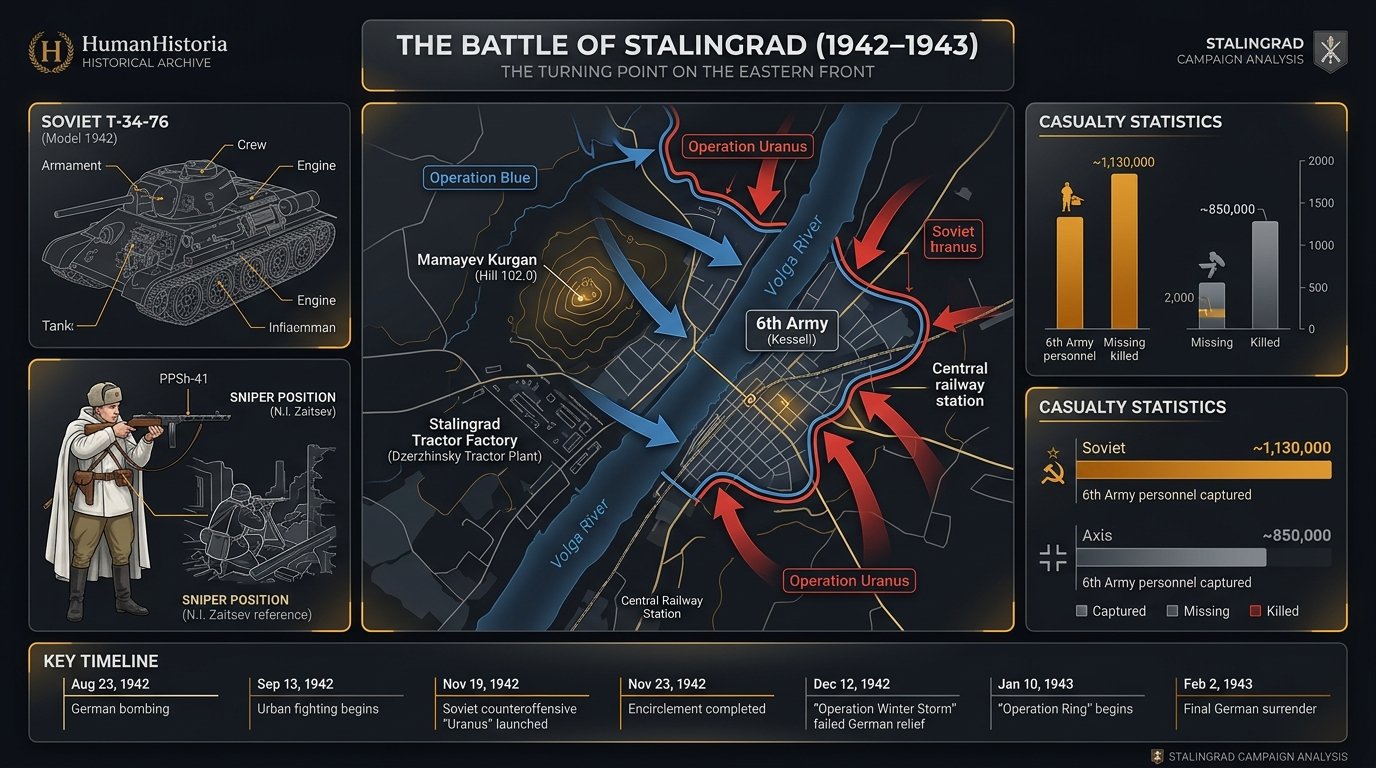
Battle of Stalingrad Soviet Red Army counter-offensive
Soviet soldiers engaged in urban warfare amid the ruins of Stalingrad (autumn 1942). The encirclement of the German Sixth Army marked the decisive strategic turning point of the war in Europe. (Central Museum of the Armed Forces, Moscow)

Decisive Turning Points: From Blitzkrieg to Total Defeat

The progression of World War II evolved through three distinct strategic phases: early Axis blitzkrieg dominance (1939โ€“1941), the catastrophic turning points of 1942โ€“1943, and the grinding Allied counter-offensives that pulverized the Axis homelands (1944โ€“1945):

  • The Battle of Britain (1940): The Royal Air Force defeated Hermann Gรถring's Luftwaffe over the English Channel, forcing Hitler to indefinitely postpone Operation Sea Lion and demonstrating that Britain stood unconquered.
  • Operation Barbarossa & Moscow (1941): In June 1941, Germany launched the largest land invasion in history against the Soviet Union. Despite catastrophic early losses, the Red Army checked the Wehrmacht at the gates of Moscow in December 1941 as the brutal Russian winter set in.
  • Pearl Harbor & US Entry (December 7, 1941): Japan's surprise carrier strike against the American Pacific Fleet at Pearl Harbor brought the immense industrial and demographic power of the United States fully into the global war.
  • The Dual Crises of 1942: Midway & Stalingrad: In June 1942, the US Navy sank four Japanese fleet carriers at the Battle of Midway, breaking Japan's naval momentum. Months later, the titanic clash at the Battle of Stalingrad resulted in the destruction of an entire German army group, permanently turning the tide on the Eastern Front.
  • D-Day & The Liberation of Western Europe (June 6, 1944): Allied forces staged Operation Overlord, landing 156,000 troops on the beaches of Normandy (D-Day Normandy) to establish a permanent Western Front, liberating Paris by August.
  • The Atomic Bomb & Unconditional Surrender (August 1945): Developed under the secretive Manhattan Project, two atomic weapons detonated over Hiroshima and Nagasaki combined with the Soviet invasion of Manchuria forced Emperor Hirohito to surrender, ending global hostilities.

Casualties, Aftermath & Legacy: When Did World War 2 End?

The aftermath of World War II fundamentally dismantled European global hegemony. The once-dominant empires of Britain and France were financially bankrupt and could no longer hold their colonial empires in Asia and Africa, igniting an unstoppable wave of worldwide decolonization.

In place of multipolar imperial rivalry emerged a new bipolar world order divided between the two superpowers: the United States and the Soviet Union in The Cold War. To prevent future global catastrophe, the international community established the United Nations, the Bretton Woods monetary system (creating the IMF and World Bank), and codified international criminal law at the Nuremberg Trials, declaring wars of aggression and crimes against humanity punishable offenses under universal jurisdiction.

Scholarly Works & Further Reading

  • Antony Beevor โ€” The Second World War. The definitive single-volume global military history.
  • Max Hastings โ€” All Hell Let Loose: The World at War 1939โ€“1945. Masterful humanistic narrative from frontline soldiers and civilians.
  • Richard Overy โ€” Why the Allies Won. Essential strategic analysis of industrial mobilization and Allied technology.
๐Ÿ“– SCHOLARLY INQUIRIES

Frequently Asked Questions

Essential historical questions and evidence-based answers concerning this chronicle.

When did World War 2 begin and when did it end?

World War II began on September 1, 1939 with Nazi Germany's invasion of Poland and ended on September 2, 1945 with the formal signing of Japan's surrender aboard the USS Missouri.

Who were the primary Allied and Axis powers in World War II?

The Allied powers were led by the United States, the Soviet Union, Great Britain, and China. The Axis powers were led by Nazi Germany, Imperial Japan, and Fascist Italy.

What was the single bloodiest battle of World War II?

The Battle of Stalingrad (August 1942 โ€“ February 1943) was the bloodiest battle in human history, resulting in an estimated 1.8 to 2 million combined military and civilian casualties.

How many total people died in World War II?

Historians estimate that 70 to 85 million people died directly or indirectly from World War II, representing approximately 3% of the entire world population in 1940. Over 50 million of the dead were civilians.

When did World War 2 start and end?

World War II began on September 1, 1939, with Nazi Germany's invasion of Poland, prompting Britain and France to declare war. The conflict formally ended on September 2, 1945, with Japan's unconditional surrender signed aboard the USS Missouri in Tokyo Bay.

What were the primary causes of World War 2?

The primary causes of World War II were the unresolved economic and territorial grievances from the 1919 Treaty of Versailles, the economic crisis of the Great Depression, the rise of aggressive totalitarian regimes in Germany, Italy, and Japan, and the failure of Western appeasement to halt early Axis expansion.

How many casualties occurred in World War 2?

World War II resulted in an estimated 70 to 85 million casualties, making it the deadliest conflict in human history. The Soviet Union suffered the greatest demographic loss with roughly 27 million dead, followed by China with up to 20 million deaths.

๐Ÿ“š Academic Sources & Scholarly Bibliography
  • Beevor, Antony (2012). The Second World War. Little, Brown and Company.
  • Hastings, Max (2011). All Hell Let Loose: The World at War 1939โ€“1945. HarperPress.
  • Overy, Richard (1995). Why the Allies Won. Jonathan Cape.
๐Ÿ“– Scholar Mode Active โ€” Click to exit focused reading
Selected Era

Prehistoric Era

Millions of years ago to ~3000 BCE

The dawn of humanity. From the evolutionary split of early hominids to the mastery of stone tools, fire, and the birth of language.

Landmark Milestones

Welcome to Historia

Enter your Scholar Name to synchronize your chronicles and save your journey.