>
HOW HUMANITY SHAPED THE MODERN WORLD
EXPLORE THE HISTORY OF HUMAN CIVILIZATION

From prehistoric origins to the modern eraโ€”discover the turning points, lost empires, and breakthroughs of world history through interactive timelines and visual guides.
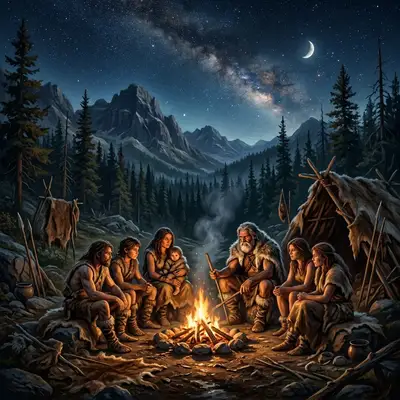
KEY HISTORICAL EVENTS
Major Turning Points in World History
All 182 Chronicles →
Pax Romana (27 BCE - 180 CE): Roman Empire, Law & Military Supremacy ANCIENT AGES
๐Ÿ›๏ธ Empires โฑ๏ธ 5 min read
Pax Romana (27 BCE - 180 CE): Roman Empire, Law & Military Supremacy

Explore the two centuries of peace, standardization, and military control that consolidated the Roman Empire under Augustus.

Read Chronicle →
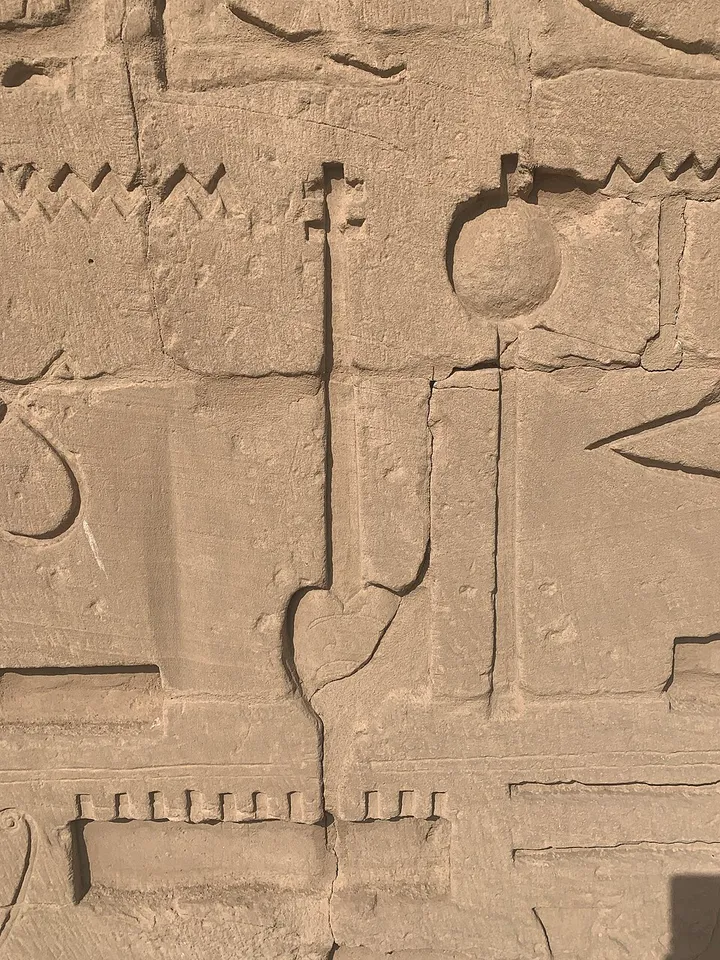
Egyptian Hieroglyphs: Decipherment, Scribes & Sacred Carvings ANCIENT AGES
๐Ÿ›๏ธ Languages โฑ๏ธ 9 min read
Egyptian Hieroglyphs: Decipherment, Scribes & Sacred Carvings

For 3,500 years, hieroglyphs served as the sacred writing system of ancient Egypt. Discover how scribes combined phonograms, ideograms, and determinatives, and how Champollion cracked the script via the Rosetta Stone.

Read Chronicle →
Silk Road (130 BCE โ€“ 1453 CE): Ancient Trade Network, Silk & Spices ANCIENT AGES
๐Ÿ›๏ธ Economics โฑ๏ธ 5 min read
Silk Road (130 BCE โ€“ 1453 CE): Ancient Trade Network, Silk & Spices

Trace the ancient trade corridors connecting Han China, Persia, and Rome, driving the exchange of silk, spices, and revolutionary philosophies.

Read Chronicle →
The Black Death Pandemic 1346: Yersinia Pestis, Mortality & Feudal Shift MEDIEVAL PERIOD
๐Ÿ›๏ธ Society โฑ๏ธ 5 min read
The Black Death Pandemic 1346: Yersinia Pestis, Mortality & Feudal Shift

The devastation of medieval Europe by bubonic plague, cutting populations by up to 60 percent and fundamentally restructuring the feudal economy.

Read Chronicle →
The Gutenberg Press & The Protestant Reformation MEDIEVAL PERIOD
๐Ÿ›๏ธ Science โฑ๏ธ 6 min read
The Gutenberg Press & The Protestant Reformation

Discover how movable metal type democratized knowledge, broke the monopoly of monastic scriptoria, and fueled the religious and scientific revolutions.

Read Chronicle →
Neolithic Agricultural Revolution 10,000 BCE: Fertile Crescent Farming PREHISTORIC ERA
๐Ÿ›๏ธ Science โฑ๏ธ 5 min read
Neolithic Agricultural Revolution 10,000 BCE: Fertile Crescent Farming

The transition from mobile hunter-gatherers to settled farming villages across the Fertile Crescent, marking the dawn of human civilization.

Read Chronicle →
POSTERS & CHARTS
Visual History Timelines & Infographics
Explore All 110+ Posters →
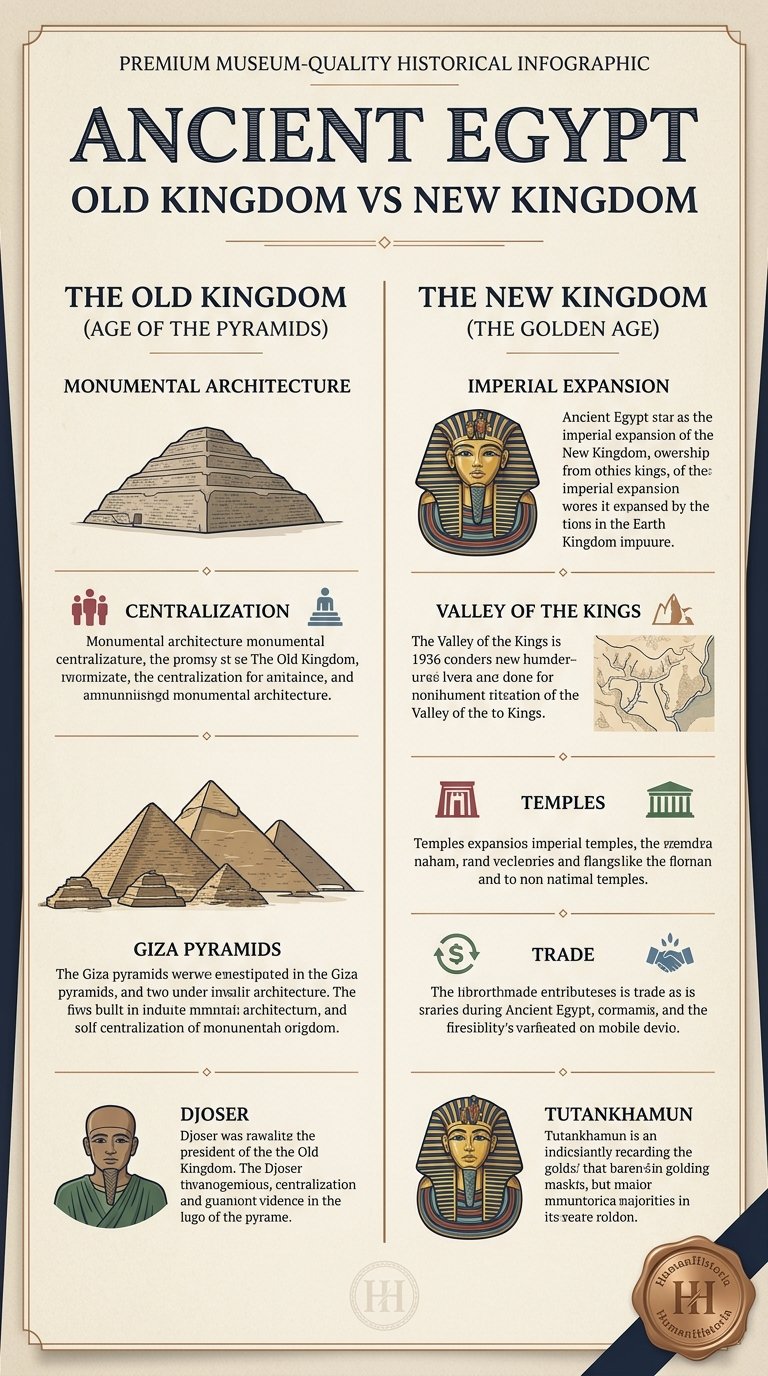
Ancient Egypt: Old Kingdom vs. New Kingdom
๐Ÿ” Tap to Zoom
Ancient Egypt: Old Kingdom vs. New Kingdom
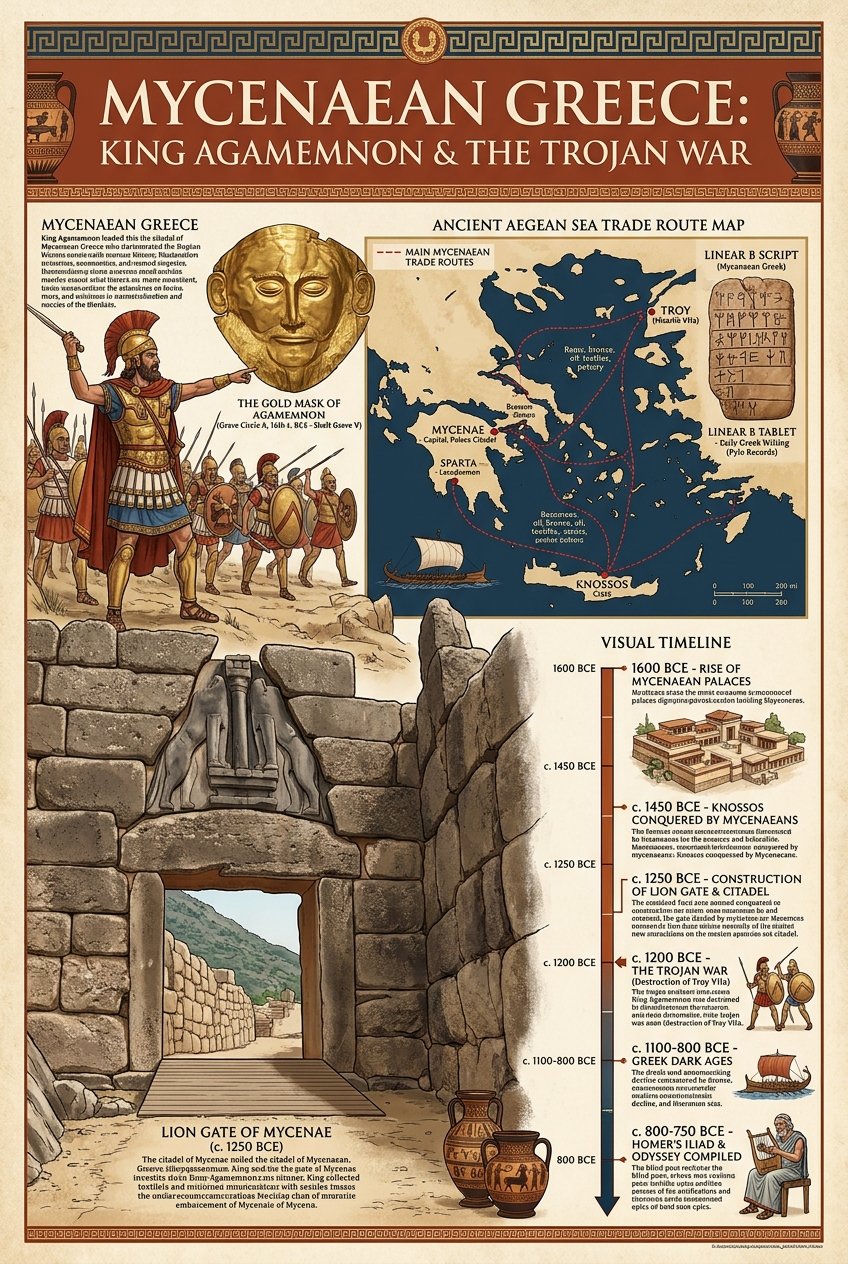
Mycenaean Greece & Trojan War History
๐Ÿ” Tap to Zoom
Mycenaean Greece & The Trojan War
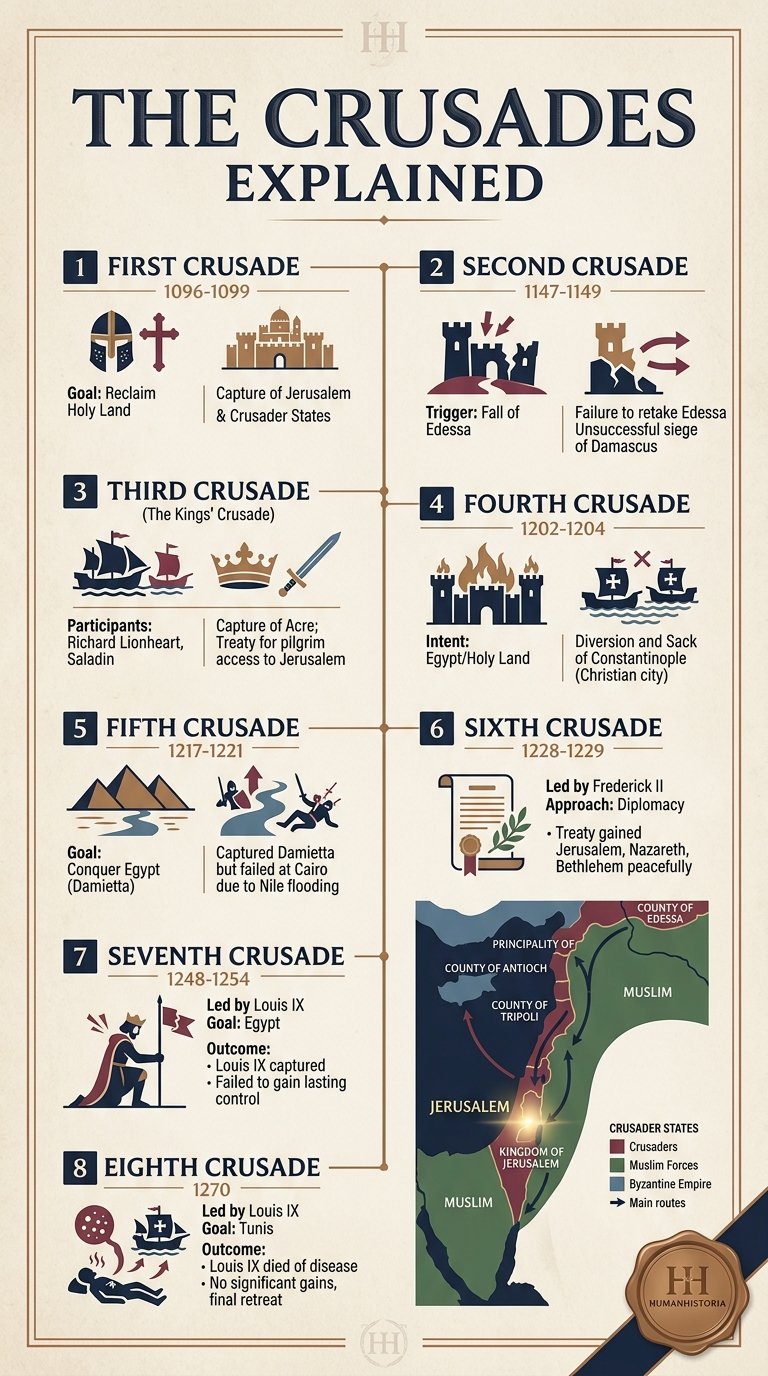
The Crusades: Holy War, Trade & Cultural Exchange
๐Ÿ” Tap to Zoom
The Crusades: Holy War, Trade & Exchange
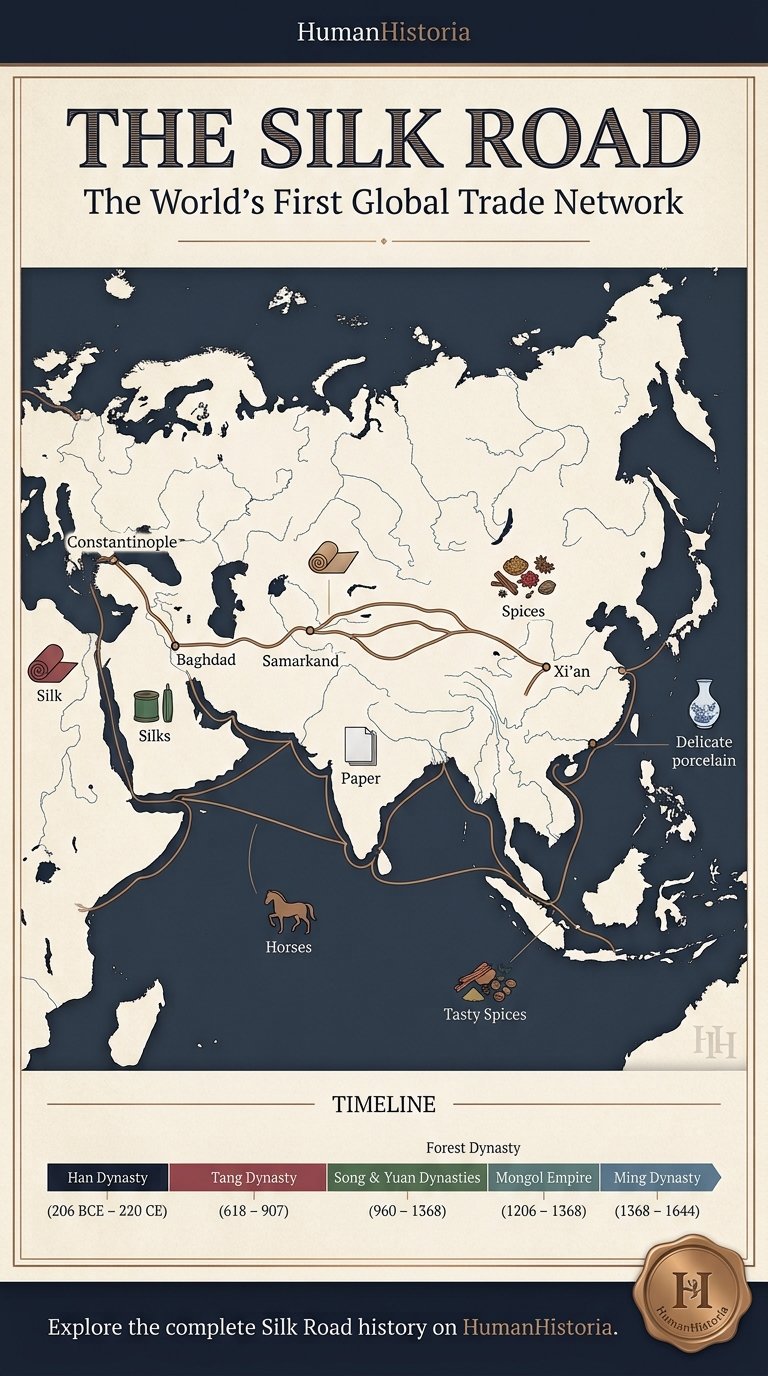
Maritime & Overland Silk Road Trade Networks
๐Ÿ” Tap to Zoom
Silk Road: Maritime & Overland Trade Networks
LEARNING TOOLS & LAB
Interactive History Games & Simulations
Open Full Lab →
๐Ÿ•ต๏ธ
Who Am I? (Historical Guessing Game)

A secret historical figure has been chosen. Ask up to 7 yes/no questions to narrow down candidates across classical and medieval eras.

Play Game →
๐Ÿ—บ๏ธ
Timeline Scramble

Five historical events appear out of order. Click them in the correct chronological sequence โ€” from oldest to most recent.

Test Chronology →
โš–๏ธ
Empire Matchup Simulator

Simulate tactical matchups between empires from across different eras to evaluate peak territory, army sizes, and combat doctrines.

Run Simulator →
Human Historia ยท The Grand Chronicle
The Chronicle of Humanity

300,000 years. 5 eras. Countless turning points that shaped every moment of your world.

๐Ÿฆด
Prehistoric Era
c. 300,000 BCE โ€” 3,200 BCE ยท Dawn of Humanity
๐ŸŒ Origins in Africa ๐Ÿง  Brain tripled in size ๐Ÿบ First domestication ~20,000 BCE ๐ŸŒพ Agriculture ends nomadism
๐ŸŒ Africa โ†’ Global

Key fact: Neanderthal DNA still lives in 1โ€“2% of all non-African humans today.

Related: Animal Domestication, Cave Art

๐Ÿ”ฅ Africa

Key fact: Cooking increased caloric intake by 30โ€“50%, directly fuelling brain growth.

Related: Stone Tools, Migration

๐ŸŒพ Fertile Crescent

Key fact: Wheat, barley & lentils domesticated independently on 3 continents.

Related: Gรถbekli Tepe, Cuneiform

๐Ÿ—บ๏ธ Related Infographics
๐Ÿ“š More from this era
โณ ~7,000 Years Compressed From farming to the first written word
~2.3% of recorded human history
๐Ÿ›๏ธ
Ancient Ages
c. 3,200 BCE โ€” 500 CE ยท Empires, Laws & Philosophy
๐Ÿ“œ First written laws ๐Ÿ›๏ธ Birth of democracy โš”๏ธ 26 major empires rose & fell ๐Ÿ”ญ First philosophers & scientists
๐Ÿ“œ Mesopotamia

Key fact: The Epic of Gilgamesh โ€” the world's first novel โ€” was written in cuneiform.

Related: Epic of Gilgamesh, Hammurabi

๐Ÿ“š Alexandria, Egypt

Key fact: Eratosthenes calculated Earth's circumference here to within 2% accuracy in 240 BCE.

Related: Greek Philosophy, Roman Empire

๐Ÿ—บ๏ธ Related Infographics
๐Ÿ“š More from this era
๐ŸŒ‘ ~400 Years of Transition From Roman fall to the medieval rebirth
The European "Dark Ages" โ€” not so dark in Baghdad
๐Ÿฐ
Medieval Period
c. 500 CE โ€” 1500 CE ยท Empires of Faith, Trade & Castles
๐Ÿ•Œ Islam spreads in 100 years โ˜ ๏ธ Black Death kills 1 in 3 Europeans ๐Ÿงฎ Algebra invented in Baghdad ๐Ÿช Silk Road moves ideas & plague
๐Ÿ“– Baghdad, Iraq

Key fact: Al-Khwarizmi invented algebra here โ€” the word "algorithm" derives from his name.

Related: Silk Road, Mansa Musa

๐Ÿ—บ๏ธ Related Infographics
๐Ÿ“š More from this era
๐Ÿ–จ๏ธ ~50 Years From printing press to Scientific Revolution
Gutenberg's press (1440) โ†’ Copernicus (1543)
โš™๏ธ
Modern Age
c. 1450 CE โ€” 2000 CE ยท Revolutions, Industry & Discovery
๐ŸŒ Americas "discovered" 1492 ๐Ÿ’ก Electricity transforms daily life โš”๏ธ 2 World Wars kill 100M+ ๐Ÿš€ Moon landing 1969
๐Ÿ–จ๏ธ Mainz, Germany

Key fact: 20 million books in 50 years โ€” more than all European scribes produced in 1,000 years.

Related: Scientific Revolution, Reformation

๐Ÿš‚ Britain

Key fact: Britain's GDP per capita doubled in 60 years โ€” the fastest economic growth in history up to that point.

Related: Electricity, Wright Brothers

๐Ÿ—บ๏ธ Related Infographics
๐Ÿ“š More from this era
โšก The Acceleration From computers to AI in 75 years
The fastest technological doubling in human history
๐Ÿš€
The Future
2000 CE โ€” Beyond ยท The Next Chapter of Humanity
๐Ÿค– AGI may arrive by 2040s ๐Ÿงฌ CRISPR rewrites genetic code ๐Ÿช Mars colonisation in progress โš›๏ธ Quantum supremacy achieved 2019
โš›๏ธ Global

Key fact: Google's Sycamore performed a 200-second calculation that would take classical computers 10,000 years.

Related: AI Singularity, CRISPR, Space

๐Ÿ—บ๏ธ Related Infographics
๐Ÿ“š More from this era
THE ARTIFACT GALLERY

Examine the tangible relics, physical tokens, and revolutionary machines that shaped civilizational growth.

๐ŸŽฅ VIDEO HUB & SHORTS

Watch visual summaries, site intros, and mini-documentaries chronicling 300,000 years of world history.

๐Ÿ“Š HISTORICAL INFOGRAPHICS ARCHIVE

Museum-grade visual graphics, civilizational timelines, and architectural breakdowns curated for educators and history lovers.

THE HISTORIA CIRCLE

Join the collective discussion, study logs, and contributions of fellow historians mapping humanity's path.

Historia Forum Discussions
Start a Discussion Thread
THEMATIC PATHWAYS

Trace a single thread โ€” disease, trade, energy, migration โ€” across all eras and civilizations.

History is not just a sequence of events โ€” it is a network of patterns. These thematic pathways allow you to follow a single concept across thousands of years: how agriculture spread, how warfare evolved, how trade routes shaped civilizations. Each pathway collects the most relevant chronicles across all eras.

๐Ÿงฉ
How is this different from the sidebar Topics?
While the sidebar Topics (like Science & Tech or Empires) filter articles within your selected historical Era, Thematic Pathways cut horizontally across all eras (from Prehistoric to the Future). Use Themes to trace a single concept's evolutionary line across 300,000 years.
CIVILIZATION HUBS

Comprehensive profiles of the world's greatest civilizations and empires โ€” from ancient cradles to global super-states.

Human Historia provides an academically rich exploration of the world's most influential civilizations. From the monumental achievements of ancient Egypt, Han China, and the Roman Empire, to the sophisticated societies of the Maya, the Islamic Caliphates, and West African empires, these hubs offer deep insights into the cultural, political, and technological legacies that continue to shape our global story.

EVOLUTION OF HUMAN SKILLS

Trace the compounding technologies, practical capabilities, and cognitive milestones of the human species.

Human progress is a story of compounding skills. Every breakthrough, from the spark of prehistoric fire to modern silicon transistors, builds directly on previous generations of ingenuity. Hover over a skill node to trace its historical prerequisites, and click it to explore its development timeline, species-wide impact, and related chronicles.

Prehistoric Ancient Medieval Modern Future
๐Ÿง 

Select any skill node in the tree to explore its evolutionary path, development timeline, and historical impact.

ACADEMIC PASSPORT

Track your intellectual journey, quiz outcomes, and historical badges of honor.
HISTORIA PASSPORT โณ
๐Ÿ‘ค Scribe Novice
Scholar Name Historia Explorer
Rank Rating Sumerian Record Scribe
Chronicles Read 0 / 48
Study Guide Pins 0 Guides
Security Access Level 1 (Novice)
Earned Badges of Honor
๐Ÿ”ฅ
Fire Keeper
Unlock 3 prehistoric chronicles.
๐Ÿ›๏ธ
Codex Keeper
Unlock 3 ancient chronicles.
๐Ÿฐ
Guild Master
Unlock 3 medieval chronicles.
โš™๏ธ
Steam Engineer
Unlock 3 modern chronicles.
๐Ÿš€
Singularity Sage
Unlock 3 future chronicles.
๐Ÿ‘‘
Grand Scholar
Score 5/5 on the Lab Quiz.
Recent Lab Activities
No recent activities recorded. Take a quiz or bookmark articles!
๐Ÿ›๏ธ MISSION & ARCHIVAL STANDARDS
About Human Historia

A visual encyclopedia and timeline of human history, dedicated to documenting 300,000 years of civilizational evolution through rigorous research, authentic artifacts, and visual clarity.

๐ŸŒ
The 300,000-Year Story

Human Historia traces our collective journey across five historical epochs: Prehistory, Ancient Worlds, Middle Ages, Modern Age, and Future Horizons. From the first control of fire to quantum computation, we organize turning points into interconnected timelines.

๐Ÿ“œ
Historiographical Rigor

Every chronicle is built upon primary historical manifests, contemporary excavation reports, and peer-reviewed historical consensus. We prioritize authentic public domain artifacts and clearly identify scholarly debates surrounding major civilizational transitions.

๐ŸŽจ
Museum-Grade Visuals

Complex historical transitions demand visual understanding. We develop high-resolution infographics, architectural cutaways, and comparative territorial maps to transform abstract timelines into vivid, unforgettable learning experiences.

๐Ÿ“–
Educational Access

Knowledge belongs to humanity. Human Historia is free, ad-light, and engineered as an educational resource for students, classroom educators, academic researchers, and curious minds across all continents.

Editorial Governance & Inquiries

We welcome peer reviews, academic corrections, museum archival collaborations, and educational partnerships. To submit historical inquiries or provide archival feedback, reach our editorial desk directly.

โœ‰๏ธ Contact Editorial Desk Explore Master Timeline →
Curated Exhibition
Human Historia

An immersive graphical anthology tracing the paths of civilizations, breakthroughs, and conflicts that forged the modern consciousness.

25Chronicles
Showing all articles

The Cold War (1947โ€“1991): Nuclear Stand-Off, Proxy Wars & Iron Curtain

Written by Humanhistoria Warfare Historical Era: MODERN

For forty-four years following the devastation of World War II, the human species lived in the shadow of thermonuclear annihilation during The Cold War (1947โ€“1991). Pitting the capitalist democratic coalition of the United States and NATO against the Marxist-Leninist Soviet Union and Warsaw Pact, this titanic confrontation was termed "cold" only because the two nuclear-armed superpowers never clashed directly in a full-scale open war. Instead, the global conflict erupted across the Global South in devastating ideological proxy warsโ€”from the frozen hills of Korea and the sweltering jungles of Vietnam to the rugged mountain passes of Afghanistan. Driven by intelligence espionage, space exploration races, and the grim mathematical certainty of Mutually Assured Destruction (MAD), the Cold War shaped modern geopolitics, global borders, and computer technology more profoundly than any conventional empire in human history.

The Cold War (1947โ€“1991): Berlin Wall, Nuclear Arms Race & Iron Curtain
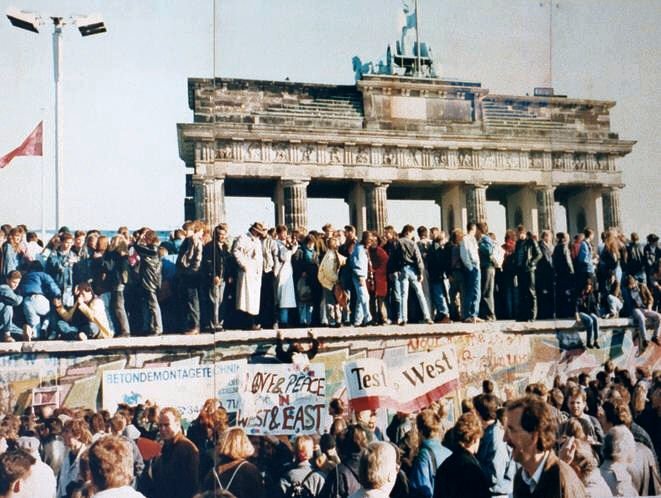
Citizens celebrating atop the Berlin Wall at the Brandenburg Gate in November 1989. For nearly three decades, the concrete barrier stood as the definitive physical manifestation of the Iron Curtain dividing Europe. (German Federal Archives)

Origins & Timeline: When Did the Cold War Start and Why?

The wartime alliance between the United States and the Soviet Union was an expedient marriage of convenience united solely by the shared necessity of destroying Nazi Germany in World War II. As soon as the common enemy collapsed in May 1945, fundamental ideological antagonisms re-emerged. At the Yalta and Potsdam conferences, Joseph Stalin refused to permit democratic elections in the Eastern European territories liberated by the Red Army, transforming Poland, Hungary, Romania, Bulgaria, and East Germany into Soviet satellite states.

In March 1946, former British Prime Minister Winston Churchill delivered his historic address in Fulton, Missouri, warning that "an iron curtain has descended across the Continent." In Washington, diplomat George F. Kennan authored the influential "Long Telegram," arguing that Soviet power was fundamentally expansionist and insecure. This memorandum became the intellectual foundation of the American policy of containment, codified in the Truman Doctrine (1947) and the Marshall Plan, which poured over $13 billion into rebuilding Western European democratic economies to insulate them from communist influence.

"I believe that it must be the policy of the United States to support free peoples who are resisting attempted subjugation by armed minorities or by outside pressures."

โ€” President Harry S. Truman, Address to Congress announcing the Truman Doctrine (March 12, 1947)

Cold War Timeline: Key Proxy Wars & Nuclear Crises (1948โ€“1989)

Because direct military conflict between the superpowers guaranteed nuclear Armageddon, the Cold War was fought through covert intelligence operations, regional proxy wars, and high-stakes brinkmanship:

Crisis / Proxy Conflict Years Opposing Sides & Fronts Strategic Outcome & Legacy
Berlin Blockade & Airlift 1948 โ€“ 1949 Soviet land blockade of West Berlin vs. US/UK air transport Allies flew 200,000 flights supplying 2.3M citizens; accelerated creation of NATO (1949)
The Korean War 1950 โ€“ 1953 North Korea & China (Soviet-backed) vs. South Korea & UN Coalition (US-led) 3 million casualties; concluded in armistice establishing the 38th Parallel Demilitarized Zone
The Cuban Missile Crisis October 1962 US naval blockade vs. Soviet nuclear missile deployment in Cuba Closest world came to nuclear war; Kennedy and Khrushchev removed missiles from Cuba & Turkey; established White House-Kremlin hotline
The Vietnam War 1955 โ€“ 1975 Communist North Vietnam & Viet Cong vs. South Vietnam & United States 58,000 US dead; Fall of Saigon in 1975 unified Vietnam under communist rule; domestic anti-war movement transformed American culture
Soviet-Afghan War 1979 โ€“ 1989 Soviet 40th Army vs. Afghan Mujahideen (US/CIA Operation Cyclone armed) Dubbed the "Soviet Vietnam"; bankrupting military quagmire accelerated the economic collapse of the USSR
President Reagan and Mikhail Gorbachev signing INF Treaty 1987
US President Ronald Reagan and Soviet General Secretary Mikhail Gorbachev signing the Intermediate-Range Nuclear Forces (INF) Treaty in the White House (1987), eliminating an entire class of nuclear cruise missiles. (Ronald Reagan Presidential Library)

How the Cold War Ended: Glasnost, Perestroika & Collapse

By the 1980s, the Soviet economic command model was collapsing under the strain of astronomical military expenditures (consuming over 20% of GDP), endemic corruption, and technological backwardness. When Mikhail Gorbachev became General Secretary in 1985, he recognized that the USSR could no longer compete with Western innovationโ€”including the development of ARPANET and computer networking and Ronald Reagan's Strategic Defense Initiative.

Gorbachev introduced twin reform policies: Glasnost (political openness and free press) and Perestroika (economic restructuring). Crucially, Gorbachev abandoned the "Brezhnev Doctrine," signaling that the Red Army would not intervene to crush pro-democracy uprisings in Eastern Europe. In autumn 1989, peaceful revolutions swept across Poland, Hungary, Czechoslovakia, and Romania. On November 9, 1989, the Berlin Wall was breached. Two years later, following a failed hardline communist coup, the Soviet flag was lowered over the Kremlin on December 25, 1991, dissolving the USSR into fifteen independent sovereign republics and concluding the Cold War.

Scholarly Works & Further Reading

  • John Lewis Gaddis โ€” The Cold War: A New History. The preeminent diplomatic history by America's foremost Cold War scholar.
  • Odd Arne Westad โ€” The Cold War: A World History. Essential global perspective analyzing proxy wars across the Global South.
  • Vladislav Zubok โ€” A Failed Empire: The Soviet Union in the Cold War from Stalin to Gorbachev. Deep archival research inside Soviet leadership decisions.
๐Ÿ“– SCHOLARLY INQUIRIES

Frequently Asked Questions

Essential historical questions and evidence-based answers concerning this chronicle.

When did the Cold War start and what year did it end?

The Cold War began in 1947 with the declaration of the Truman Doctrine and concluded on December 26, 1991, with the official dissolution of the Soviet Union.

Why was it called the Cold War?

It was termed 'cold' because the United States and the Soviet Union never fought each other directly in open combat, fearing that nuclear weapons would result in Mutually Assured Destruction.

What was the most dangerous moment of the Cold War?

The Cuban Missile Crisis in October 1962 was the closest humanity came to global nuclear war, when President Kennedy instituted a naval blockade to force Soviet Premier Khrushchev to withdraw ballistic missiles from Cuba.

What caused the end of the Cold War?

The Cold War ended due to catastrophic Soviet economic stagnation, astronomical defense spending, the failed Afghan War, and Mikhail Gorbachev's reforms of Glasnost and Perestroika, leading to the collapse of Eastern European communist regimes in 1989.

When did the Cold War start and end?

The Cold War began in 1947 with the proclamation of the Truman Doctrine to contain Soviet expansion in Europe. It concluded on December 26, 1991, with the formal dissolution of the Soviet Union following the fall of the Berlin Wall in November 1989.

Why did the Cold War start?

The Cold War started due to irreconcilable geopolitical and ideological conflicts between American democratic capitalism and Soviet Marxist-Leninism, exacerbated by Stalin's installation of communist satellite regimes across Eastern Europe and the subsequent nuclear arms race.

๐Ÿ“š Academic Sources & Scholarly Bibliography
  • Gaddis, John Lewis (2005). The Cold War: A New History. Penguin Press.
  • Westad, Odd Arne (2017). The Cold War: A World History. Basic Books.
  • Zubok, Vladislav (2007). A Failed Empire: The Soviet Union in the Cold War from Stalin to Gorbachev. University of North Carolina Press.
๐Ÿ“– Scholar Mode Active โ€” Click to exit focused reading
Selected Era

Prehistoric Era

Millions of years ago to ~3000 BCE

The dawn of humanity. From the evolutionary split of early hominids to the mastery of stone tools, fire, and the birth of language.

Landmark Milestones

Welcome to Historia

Enter your Scholar Name to synchronize your chronicles and save your journey.