>
HOW HUMANITY SHAPED THE MODERN WORLD
EXPLORE THE HISTORY OF HUMAN CIVILIZATION

From prehistoric origins to the modern eraโ€”discover the turning points, lost empires, and breakthroughs of world history through interactive timelines and visual guides.
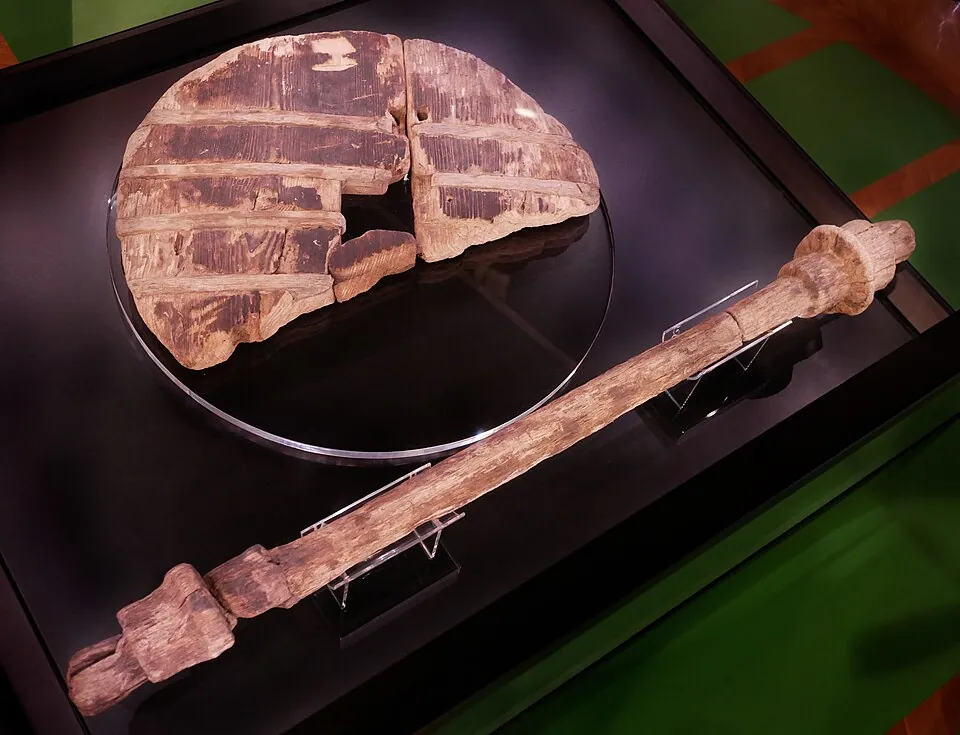
KEY HISTORICAL EVENTS
Major Turning Points in World History
All 182 Chronicles →
Pax Romana (27 BCE - 180 CE): Roman Empire, Law & Military Supremacy ANCIENT AGES
๐Ÿ›๏ธ Empires โฑ๏ธ 5 min read
Pax Romana (27 BCE - 180 CE): Roman Empire, Law & Military Supremacy

Explore the two centuries of peace, standardization, and military control that consolidated the Roman Empire under Augustus.

Read Chronicle →
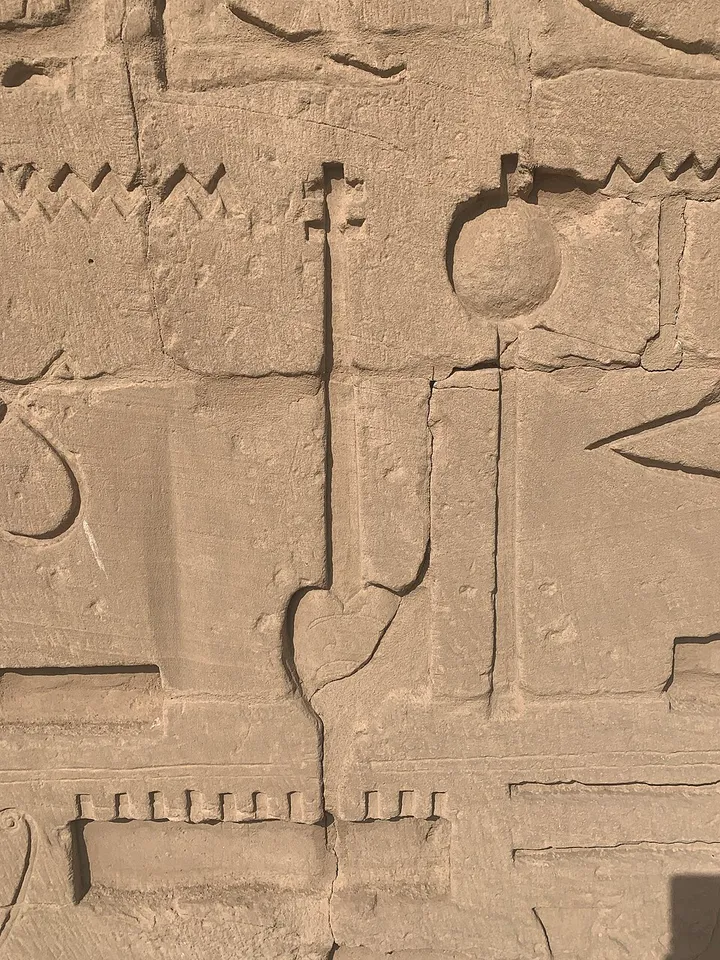
Egyptian Hieroglyphs: Decipherment, Scribes & Sacred Carvings ANCIENT AGES
๐Ÿ›๏ธ Languages โฑ๏ธ 9 min read
Egyptian Hieroglyphs: Decipherment, Scribes & Sacred Carvings

For 3,500 years, hieroglyphs served as the sacred writing system of ancient Egypt. Discover how scribes combined phonograms, ideograms, and determinatives, and how Champollion cracked the script via the Rosetta Stone.

Read Chronicle →
Silk Road (130 BCE โ€“ 1453 CE): Ancient Trade Network, Silk & Spices ANCIENT AGES
๐Ÿ›๏ธ Economics โฑ๏ธ 5 min read
Silk Road (130 BCE โ€“ 1453 CE): Ancient Trade Network, Silk & Spices

Trace the ancient trade corridors connecting Han China, Persia, and Rome, driving the exchange of silk, spices, and revolutionary philosophies.

Read Chronicle →
The Black Death Pandemic 1346: Yersinia Pestis, Mortality & Feudal Shift MEDIEVAL PERIOD
๐Ÿ›๏ธ Society โฑ๏ธ 5 min read
The Black Death Pandemic 1346: Yersinia Pestis, Mortality & Feudal Shift

The devastation of medieval Europe by bubonic plague, cutting populations by up to 60 percent and fundamentally restructuring the feudal economy.

Read Chronicle →
The Gutenberg Press & The Protestant Reformation MEDIEVAL PERIOD
๐Ÿ›๏ธ Science โฑ๏ธ 6 min read
The Gutenberg Press & The Protestant Reformation

Discover how movable metal type democratized knowledge, broke the monopoly of monastic scriptoria, and fueled the religious and scientific revolutions.

Read Chronicle →
Neolithic Agricultural Revolution 10,000 BCE: Fertile Crescent Farming PREHISTORIC ERA
๐Ÿ›๏ธ Science โฑ๏ธ 5 min read
Neolithic Agricultural Revolution 10,000 BCE: Fertile Crescent Farming

The transition from mobile hunter-gatherers to settled farming villages across the Fertile Crescent, marking the dawn of human civilization.

Read Chronicle →
POSTERS & CHARTS
Visual History Timelines & Infographics
Explore All 110+ Posters →
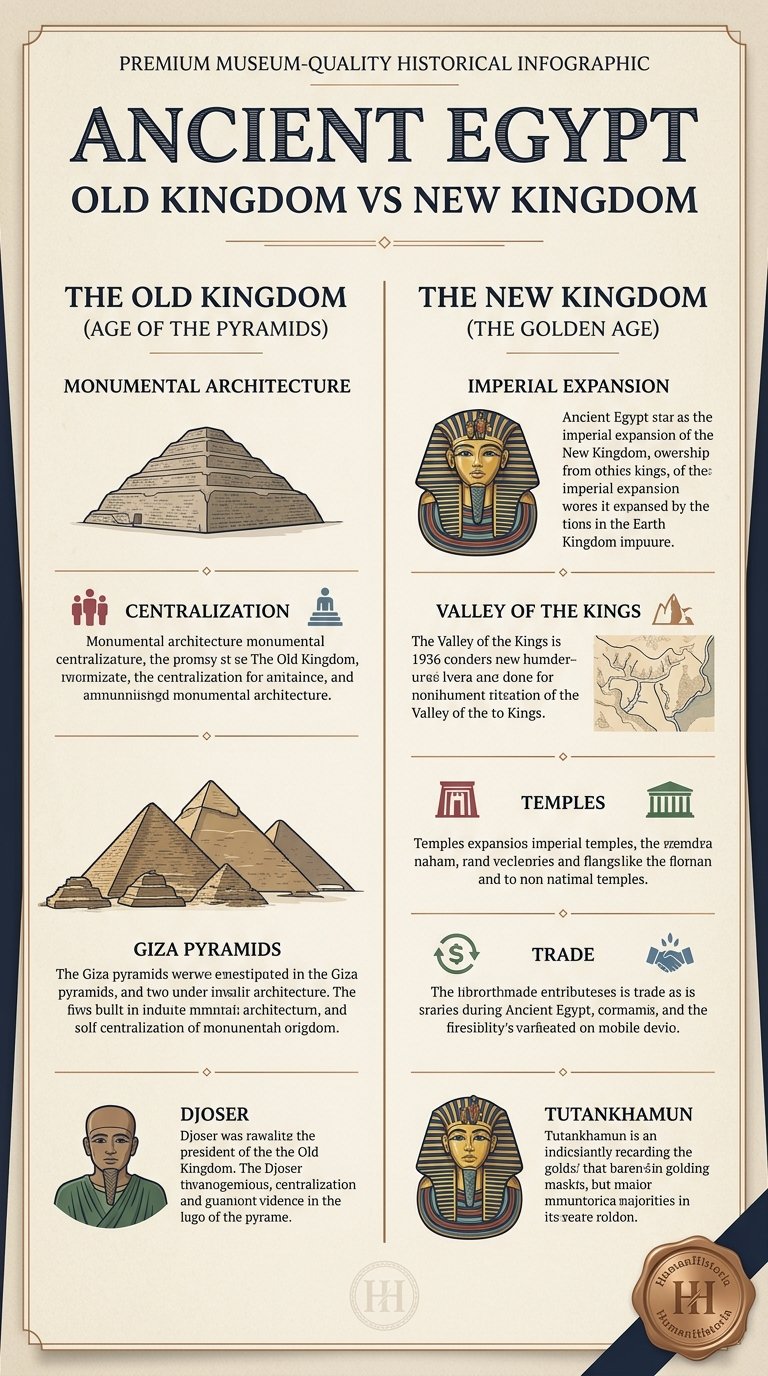
Ancient Egypt: Old Kingdom vs. New Kingdom
๐Ÿ” Tap to Zoom
Ancient Egypt: Old Kingdom vs. New Kingdom
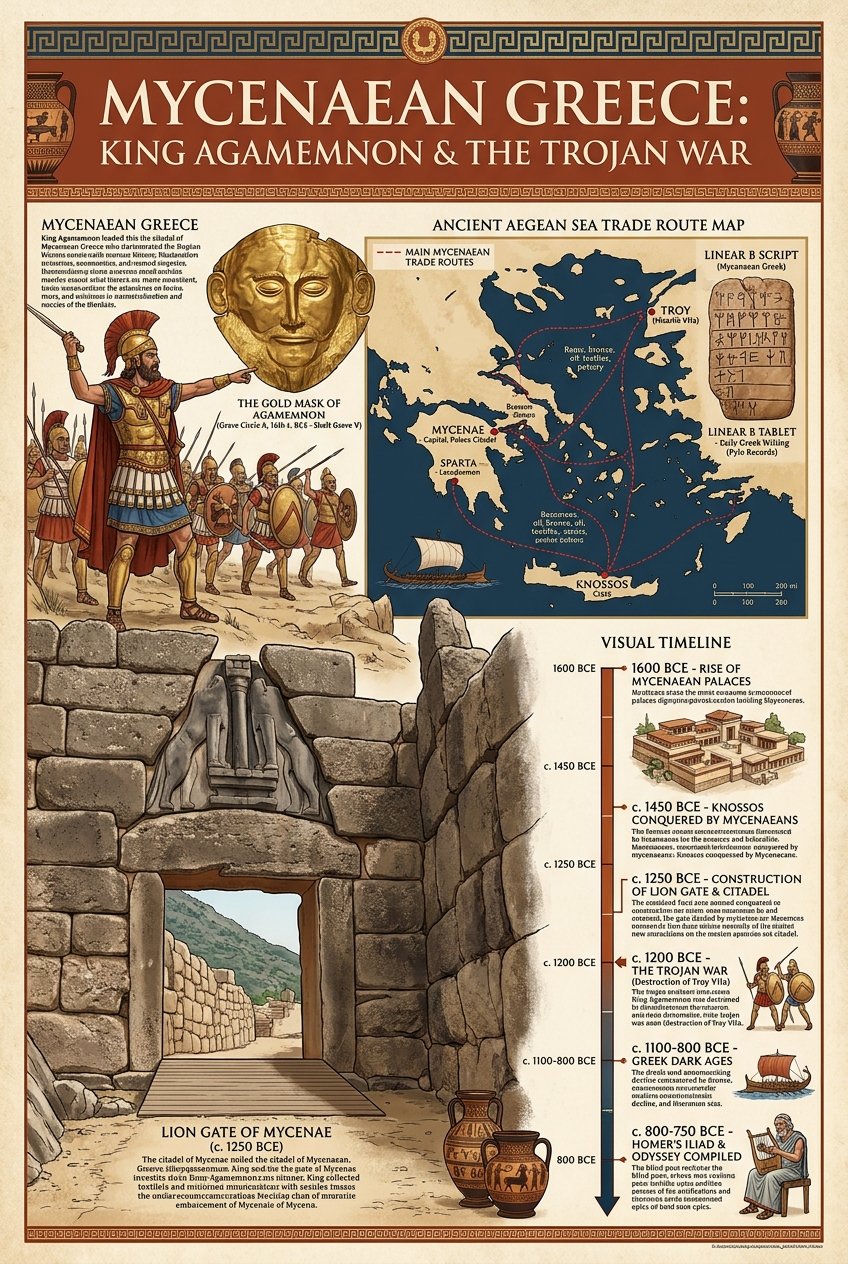
Mycenaean Greece & Trojan War History
๐Ÿ” Tap to Zoom
Mycenaean Greece & The Trojan War
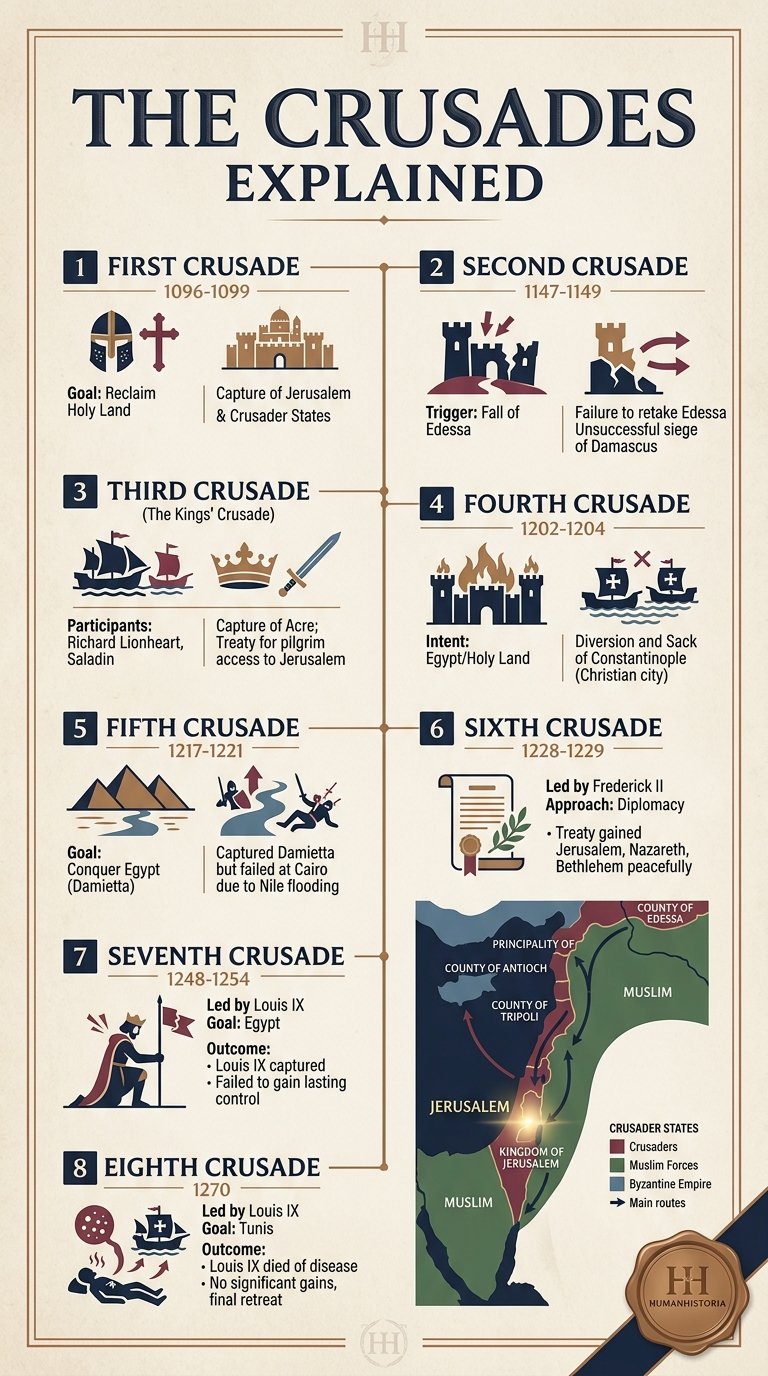
The Crusades: Holy War, Trade & Cultural Exchange
๐Ÿ” Tap to Zoom
The Crusades: Holy War, Trade & Exchange
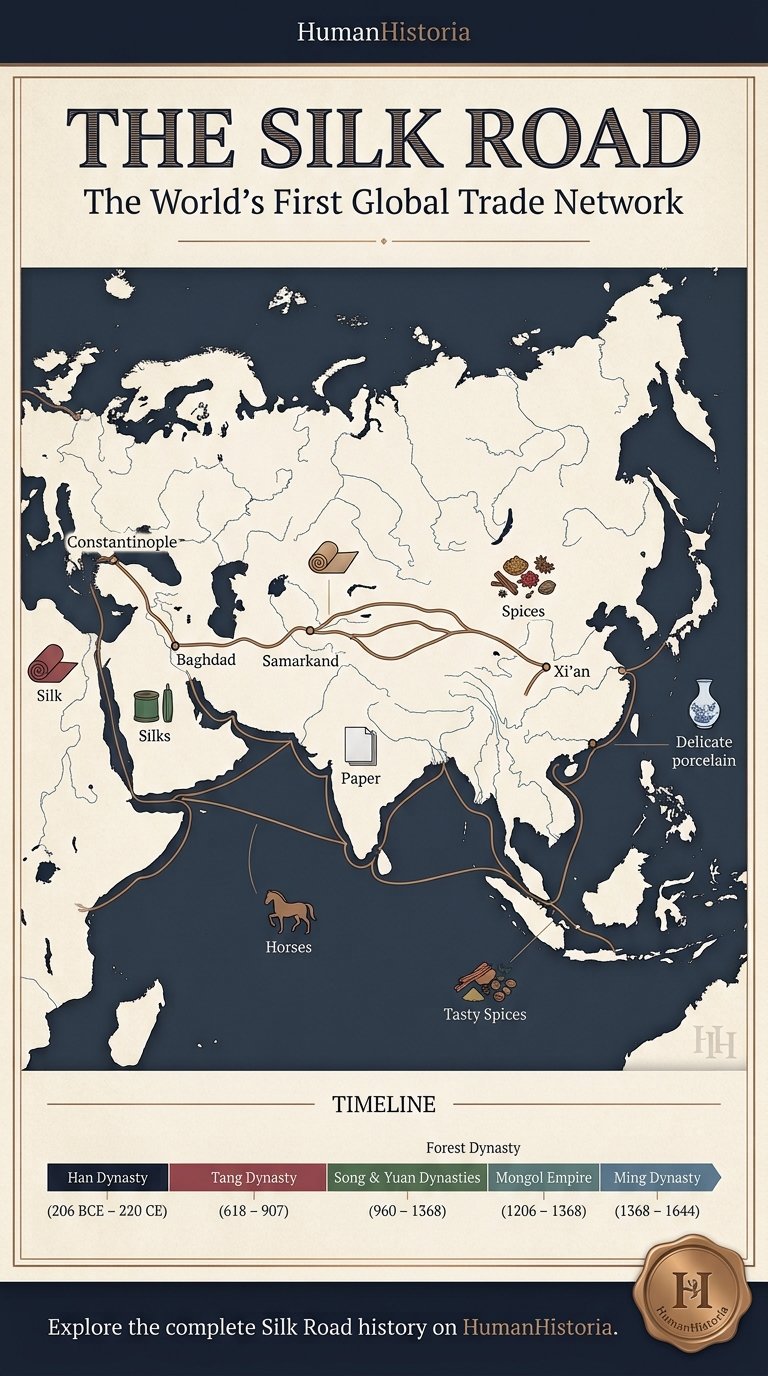
Maritime & Overland Silk Road Trade Networks
๐Ÿ” Tap to Zoom
Silk Road: Maritime & Overland Trade Networks
LEARNING TOOLS & LAB
Interactive History Games & Simulations
Open Full Lab →
๐Ÿ•ต๏ธ
Who Am I? (Historical Guessing Game)

A secret historical figure has been chosen. Ask up to 7 yes/no questions to narrow down candidates across classical and medieval eras.

Play Game →
๐Ÿ—บ๏ธ
Timeline Scramble

Five historical events appear out of order. Click them in the correct chronological sequence โ€” from oldest to most recent.

Test Chronology →
โš–๏ธ
Empire Matchup Simulator

Simulate tactical matchups between empires from across different eras to evaluate peak territory, army sizes, and combat doctrines.

Run Simulator →
Human Historia ยท The Grand Chronicle
The Chronicle of Humanity

300,000 years. 5 eras. Countless turning points that shaped every moment of your world.

๐Ÿฆด
Prehistoric Era
c. 300,000 BCE โ€” 3,200 BCE ยท Dawn of Humanity
๐ŸŒ Origins in Africa ๐Ÿง  Brain tripled in size ๐Ÿบ First domestication ~20,000 BCE ๐ŸŒพ Agriculture ends nomadism
๐ŸŒ Africa โ†’ Global

Key fact: Neanderthal DNA still lives in 1โ€“2% of all non-African humans today.

Related: Animal Domestication, Cave Art

๐Ÿ”ฅ Africa

Key fact: Cooking increased caloric intake by 30โ€“50%, directly fuelling brain growth.

Related: Stone Tools, Migration

๐ŸŒพ Fertile Crescent

Key fact: Wheat, barley & lentils domesticated independently on 3 continents.

Related: Gรถbekli Tepe, Cuneiform

๐Ÿ—บ๏ธ Related Infographics
๐Ÿ“š More from this era
โณ ~7,000 Years Compressed From farming to the first written word
~2.3% of recorded human history
๐Ÿ›๏ธ
Ancient Ages
c. 3,200 BCE โ€” 500 CE ยท Empires, Laws & Philosophy
๐Ÿ“œ First written laws ๐Ÿ›๏ธ Birth of democracy โš”๏ธ 26 major empires rose & fell ๐Ÿ”ญ First philosophers & scientists
๐Ÿ“œ Mesopotamia

Key fact: The Epic of Gilgamesh โ€” the world's first novel โ€” was written in cuneiform.

Related: Epic of Gilgamesh, Hammurabi

๐Ÿ“š Alexandria, Egypt

Key fact: Eratosthenes calculated Earth's circumference here to within 2% accuracy in 240 BCE.

Related: Greek Philosophy, Roman Empire

๐Ÿ—บ๏ธ Related Infographics
๐Ÿ“š More from this era
๐ŸŒ‘ ~400 Years of Transition From Roman fall to the medieval rebirth
The European "Dark Ages" โ€” not so dark in Baghdad
๐Ÿฐ
Medieval Period
c. 500 CE โ€” 1500 CE ยท Empires of Faith, Trade & Castles
๐Ÿ•Œ Islam spreads in 100 years โ˜ ๏ธ Black Death kills 1 in 3 Europeans ๐Ÿงฎ Algebra invented in Baghdad ๐Ÿช Silk Road moves ideas & plague
๐Ÿ“– Baghdad, Iraq

Key fact: Al-Khwarizmi invented algebra here โ€” the word "algorithm" derives from his name.

Related: Silk Road, Mansa Musa

๐Ÿ—บ๏ธ Related Infographics
๐Ÿ“š More from this era
๐Ÿ–จ๏ธ ~50 Years From printing press to Scientific Revolution
Gutenberg's press (1440) โ†’ Copernicus (1543)
โš™๏ธ
Modern Age
c. 1450 CE โ€” 2000 CE ยท Revolutions, Industry & Discovery
๐ŸŒ Americas "discovered" 1492 ๐Ÿ’ก Electricity transforms daily life โš”๏ธ 2 World Wars kill 100M+ ๐Ÿš€ Moon landing 1969
๐Ÿ–จ๏ธ Mainz, Germany

Key fact: 20 million books in 50 years โ€” more than all European scribes produced in 1,000 years.

Related: Scientific Revolution, Reformation

๐Ÿš‚ Britain

Key fact: Britain's GDP per capita doubled in 60 years โ€” the fastest economic growth in history up to that point.

Related: Electricity, Wright Brothers

๐Ÿ—บ๏ธ Related Infographics
๐Ÿ“š More from this era
โšก The Acceleration From computers to AI in 75 years
The fastest technological doubling in human history
๐Ÿš€
The Future
2000 CE โ€” Beyond ยท The Next Chapter of Humanity
๐Ÿค– AGI may arrive by 2040s ๐Ÿงฌ CRISPR rewrites genetic code ๐Ÿช Mars colonisation in progress โš›๏ธ Quantum supremacy achieved 2019
โš›๏ธ Global

Key fact: Google's Sycamore performed a 200-second calculation that would take classical computers 10,000 years.

Related: AI Singularity, CRISPR, Space

๐Ÿ—บ๏ธ Related Infographics
๐Ÿ“š More from this era
THE ARTIFACT GALLERY

Examine the tangible relics, physical tokens, and revolutionary machines that shaped civilizational growth.

๐ŸŽฅ VIDEO HUB & SHORTS

Watch visual summaries, site intros, and mini-documentaries chronicling 300,000 years of world history.

๐Ÿ“Š HISTORICAL INFOGRAPHICS ARCHIVE

Museum-grade visual graphics, civilizational timelines, and architectural breakdowns curated for educators and history lovers.

THE HISTORIA CIRCLE

Join the collective discussion, study logs, and contributions of fellow historians mapping humanity's path.

Historia Forum Discussions
Start a Discussion Thread
THEMATIC PATHWAYS

Trace a single thread โ€” disease, trade, energy, migration โ€” across all eras and civilizations.

History is not just a sequence of events โ€” it is a network of patterns. These thematic pathways allow you to follow a single concept across thousands of years: how agriculture spread, how warfare evolved, how trade routes shaped civilizations. Each pathway collects the most relevant chronicles across all eras.

๐Ÿงฉ
How is this different from the sidebar Topics?
While the sidebar Topics (like Science & Tech or Empires) filter articles within your selected historical Era, Thematic Pathways cut horizontally across all eras (from Prehistoric to the Future). Use Themes to trace a single concept's evolutionary line across 300,000 years.
CIVILIZATION HUBS

Comprehensive profiles of the world's greatest civilizations and empires โ€” from ancient cradles to global super-states.

Human Historia provides an academically rich exploration of the world's most influential civilizations. From the monumental achievements of ancient Egypt, Han China, and the Roman Empire, to the sophisticated societies of the Maya, the Islamic Caliphates, and West African empires, these hubs offer deep insights into the cultural, political, and technological legacies that continue to shape our global story.

EVOLUTION OF HUMAN SKILLS

Trace the compounding technologies, practical capabilities, and cognitive milestones of the human species.

Human progress is a story of compounding skills. Every breakthrough, from the spark of prehistoric fire to modern silicon transistors, builds directly on previous generations of ingenuity. Hover over a skill node to trace its historical prerequisites, and click it to explore its development timeline, species-wide impact, and related chronicles.

Prehistoric Ancient Medieval Modern Future
๐Ÿง 

Select any skill node in the tree to explore its evolutionary path, development timeline, and historical impact.

ACADEMIC PASSPORT

Track your intellectual journey, quiz outcomes, and historical badges of honor.
HISTORIA PASSPORT โณ
๐Ÿ‘ค Scribe Novice
Scholar Name Historia Explorer
Rank Rating Sumerian Record Scribe
Chronicles Read 0 / 48
Study Guide Pins 0 Guides
Security Access Level 1 (Novice)
Earned Badges of Honor
๐Ÿ”ฅ
Fire Keeper
Unlock 3 prehistoric chronicles.
๐Ÿ›๏ธ
Codex Keeper
Unlock 3 ancient chronicles.
๐Ÿฐ
Guild Master
Unlock 3 medieval chronicles.
โš™๏ธ
Steam Engineer
Unlock 3 modern chronicles.
๐Ÿš€
Singularity Sage
Unlock 3 future chronicles.
๐Ÿ‘‘
Grand Scholar
Score 5/5 on the Lab Quiz.
Recent Lab Activities
No recent activities recorded. Take a quiz or bookmark articles!
๐Ÿ›๏ธ MISSION & ARCHIVAL STANDARDS
About Human Historia

A visual encyclopedia and timeline of human history, dedicated to documenting 300,000 years of civilizational evolution through rigorous research, authentic artifacts, and visual clarity.

๐ŸŒ
The 300,000-Year Story

Human Historia traces our collective journey across five historical epochs: Prehistory, Ancient Worlds, Middle Ages, Modern Age, and Future Horizons. From the first control of fire to quantum computation, we organize turning points into interconnected timelines.

๐Ÿ“œ
Historiographical Rigor

Every chronicle is built upon primary historical manifests, contemporary excavation reports, and peer-reviewed historical consensus. We prioritize authentic public domain artifacts and clearly identify scholarly debates surrounding major civilizational transitions.

๐ŸŽจ
Museum-Grade Visuals

Complex historical transitions demand visual understanding. We develop high-resolution infographics, architectural cutaways, and comparative territorial maps to transform abstract timelines into vivid, unforgettable learning experiences.

๐Ÿ“–
Educational Access

Knowledge belongs to humanity. Human Historia is free, ad-light, and engineered as an educational resource for students, classroom educators, academic researchers, and curious minds across all continents.

Editorial Governance & Inquiries

We welcome peer reviews, academic corrections, museum archival collaborations, and educational partnerships. To submit historical inquiries or provide archival feedback, reach our editorial desk directly.

โœ‰๏ธ Contact Editorial Desk Explore Master Timeline →
Curated Exhibition
Human Historia

An immersive graphical anthology tracing the paths of civilizations, breakthroughs, and conflicts that forged the modern consciousness.

25Chronicles
Showing all articles

The Berlin Conference 1884: The Scramble for Africa & Imperial Partitioning

Written by Humanhistoria Staff Historical Era: MODERN

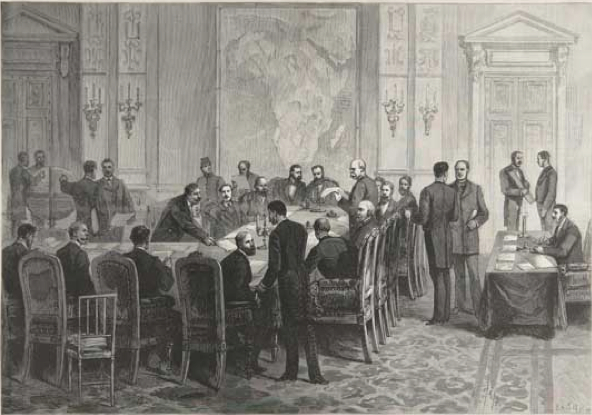
On November 15, 1884, representatives from fourteen sovereign empires gathered around an enormous five-meter map of Africa inside German Chancellor Otto von Bismarckโ€™s official residence on the Wilhelmstrasse in Berlin. Across three months of champagne toasts and diplomatic horse-trading, European statesmen drew straight geometric lines across millions of square miles of dense rainforests, arid savannas, and ancient kingdoms. Not a single African monarch, chieftain, or citizen was invited to the table. By the time the final act was signed in February 1885, the Berlin Conference had codified the rules for the partition of an entire continent, unleashing the catastrophic conquest known to history as the Scramble for Africa.

European delegates gathered around the map of Africa in Bismarck's chancellery in Berlin 1884
Contemporary 1884 illustration of European delegates gathered around the map of Africa in Chancellor Otto von Bismarck's chancellery in Berlin. (German Federal Archives)

Bismarckโ€™s Strategy: Why European Powers Convened in Berlin

For centuries, European imperial presence in sub-Saharan Africa was largely confined to coastal trading outposts and slave-trading fortresses connected to the Transatlantic Slave Trade. Tropical pathogensโ€”most notably malaria, yellow fever, and sleeping sicknessโ€”earned the African interior the reputation of the "White Man's Grave." However, the mid-19th century brought three technological breakthroughs that dismantled Africa's natural defenses: the medical extraction of quinine from cinchona bark to prevent malaria; the invention of shallow-draft steamboats capable of navigating inland rivers; and the adoption of the rapid-firing Maxim machine gun.

Geopolitical tensions surged following the opening of the Suez Canal in 1869 and Britain's subsequent military occupation of Egypt in 1882. The immediate spark for the conference was the predatory ambition of King Leopold II of Belgium. Masquerading under the philanthropic guise of the "International African Association" dedicated to ending the Arab-Swahili slave trade and advancing scientific exploration, Leopold hired Welsh-American explorer Henry Morton Stanley to secure fraudulent treaties with local chiefs along the Congo River basin. When France dispatched naval officer Pierre Savorgnan de Brazza to claim the northern bank of the Congo, and Portugal asserted historic claims to the Congo estuary backed by Britain, an explosive European war over African territory loomed.

Fresh from orchestrating Bismarck's German Unification in 1871, Chancellor Otto von Bismarck had historically viewed colonial expansion with disdain, famously remarking that his map of Africa lay in Europe, between France and Russia. However, eager to divert French revanchism away from Alsace-Lorraine and drive a wedge between Britain and France, Bismarck agreed to co-host an international conference with France in Berlin to establish formal, internationally recognized rules for African colonization.

What Was the Berlin Conference? The Rules of Colonial Partition

Between November 15, 1884, and February 26, 1885, delegates from fourteen nationsโ€”Great Britain, France, Germany, Portugal, Belgium, Austria-Hungary, Italy, Russia, Spain, the Ottoman Empire, the Netherlands, Sweden-Norway, Denmark, and the United Statesโ€”negotiated the General Act of the Berlin Conference. The treaty established three foundational principles that governed the partition of Africa:

Treaty Clause Stated Imperial Justification Actual On-the-Ground Reality in Africa
Principle of Effective Occupation A European power could only claim sovereignty if it established physical administrative control, garrisons, and economic development. Triggered a violent armed rush into the interior. European armies marched inland with Maxim guns to conquer tribes before rival Europeans arrived.
Free Trade in the Congo Basin Guaranteed complete freedom of navigation and commerce along the Congo and Niger Rivers for all European merchants. Leopold II turned the Congo Free State into a private commercial monopoly, enforcing forced-labor rubber quotas backed by mutilation.
Abolition of the Internal Slave Trade Pledged European powers to suppress domestic slavery and Islamic slave trading caravans across the interior. Used as a moral justification for military invasions while instituting colonial forced-labor systems that mirrored slavery.
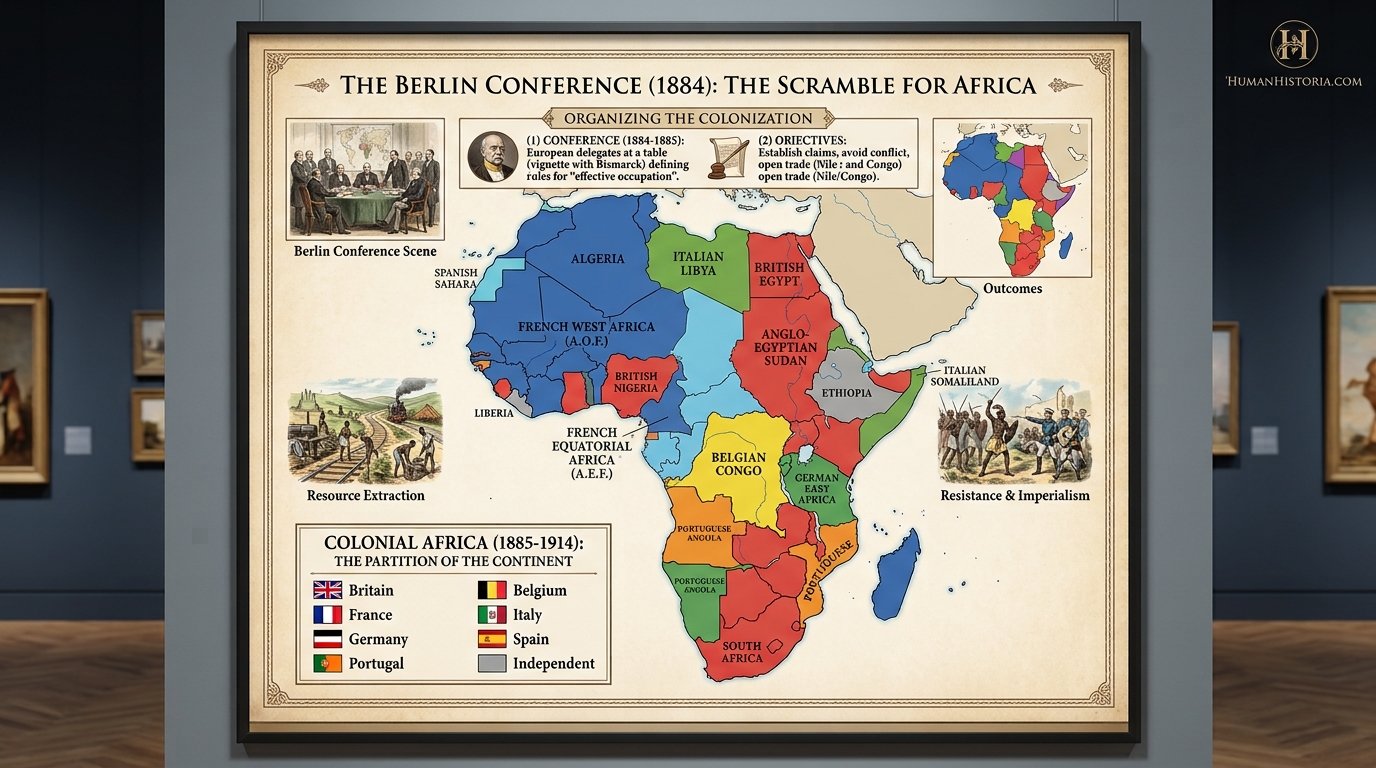
1914 historical color map showing colonial partition of Africa
Historical 1914 color map of Africa, illustrating the completed colonial partitions codified by the Berlin Act, leaving only Ethiopia (Abyssinia) and Liberia independent. (National Cartographic Archive / Wikimedia Commons)

The Scramble for Africa: Before and After Berlin (1880 vs. 1914)

The consequence of the "Principle of Effective Occupation" was dramatic and immediate. In 1880, less than ten percent of the African continent was under formal European administration, primarily coastal settlements such as Portuguese Angola and Mozambique, the British Cape Colony, and French coastal trading posts in Senegal. By the eve of World War I in 1914, European powers had annexed ninety percent of the continent, partitioning 11.7 million square miles into fifty artificial territorial units.

Imperial Power Key Annexed Territories Strategic Economic & Geopolitical Objective
Great Britain Egypt, Sudan, Uganda, Kenya, Nigeria, Gold Coast (Ghana), South Africa, Rhodesia Cecil Rhodes' grand vision of a continuous "Cape-to-Cairo" empire controlling the Suez Canal and Witwatersrand gold fields.
France French West Africa (Senegal, Mali, Guinea, Ivory Coast), French Equatorial Africa, Madagascar, Morocco An unbroken trans-Saharan land empire connecting Dakar on the Atlantic to Djibouti on the Red Sea (thwarted at Fashoda in 1898).
Germany German East Africa (Tanzania, Rwanda, Burundi), German South-West Africa (Namibia), Togoland, Cameroon Bismarck and Kaiser Wilhelm II securing Germany's "place in the sun" to elevate Germany into a global naval and commercial power.
Belgium (Leopold II) Congo Free State (Democratic Republic of the Congo) A private personal colony eighty times the size of Belgium, extracting ivory and wild rubber through state-sponsored terror.
Portugal & Italy Angola, Mozambique, Guinea-Bissau (Portugal); Eritrea, Italian Somaliland, Libya (Italy) Historic national prestige and territorial expansion (halted by Emperor Menelik II at the Battle of Adwa in 1896).

Only two African nations retained their independence during this onslaught: Ethiopia, which decisively routed an invading Italian army at the Battle of Adwa in 1896 under Emperor Menelik II, and Liberia, protected by its diplomatic ties to the United States as a settlement for freed African American slaves.

Archival Fact: The Phantom Congo Free State

While the Berlin Conference recognized King Leopold IIโ€™s sovereign claim over the Congo Free State, the colony was not awarded to Belgium, but directly to Leopold as his private personal real estate. Between 1885 and 1908, his Force Publique executed a regime of terrorโ€”hostage-taking, village burning, and severing the hands of forced laborers who failed rubber quotasโ€”resulting in the deaths of an estimated ten million Congolese people.

โš–๏ธ

Scholarly Debate: Economic Imperialism vs. Strategic Geopolitical Prestige

The Hobson-Lenin Economic Thesis

Marxist and economic historians argue that the industrial saturation of European markets forced capitalist financiers to capture overseas territories as captive markets for manufactured goods and monopolistic sources of raw materials (rubber, copper, cotton, palm oil).

The Robinson-Gallagher Strategic Thesis

Diplomatic historians Ronald Robinson and John Gallagher argued that the Scramble was primarily defensive: Britain's occupation of Egypt in 1882 to protect the Suez Canal trade route to India triggered an involuntary chain reaction of competitive preemptive land-grabs among European rivals.

Modern post-colonial scholarship recognizes that economic extraction, diplomatic rivalry, and racialized ideologies of the "civilizing mission" operated simultaneously to drive imperial conquest.

"All the Powers exercising sovereign rights or influence in the aforesaid territories bind themselves to watch over the preservation of the native tribes, and to care for the improvement of the conditions of their moral and material well-being."

โ€” General Act of the Berlin Conference, Chapter I, Article VI, February 26, 1885.

Long-Term Legacy: Artificial Borders and Modern African Sovereignty

The diplomatic map drawn in Berlin in 1885 established the sovereign boundaries of modern Africa. European diplomats carved borders using rulers and lines of latitude and longitude, completely ignoring the ethnic, linguistic, cultural, and ecological realities of the continent. Over 10,000 distinct African polities and linguistic groups were forcibly consolidated into fifty artificial colonial dependencies.

The borders bisected unified ethnic groupsโ€”dividing the Maasai between Kenya and Tanzania, the Ewe between Ghana and Togo, and the Somali across four distinct colonial administrationsโ€”while simultaneously locking historically antagonistic peoples inside single territorial units, as occurred with the Hausa-Fulani, Yoruba, and Igbo in British Nigeria. When African nations achieved independence during the Year of Africa 1960 and decolonization, the Organization of African Unity (OAU) recognized that attempting to redraw colonial boundaries would ignite catastrophic continental warfare, voting in 1964 to preserve the 1885 borders as permanent.

From the civil wars of Nigeria, Rwanda, and Sudan to ongoing struggles with resource extraction and structural underdevelopment, the geopolitical architecture established across Bismarck's conference table continues to shape the political realities of Africa today.

๐Ÿ“– SCHOLARLY INQUIRIES

Frequently Asked Questions

Essential historical questions and evidence-based answers concerning this chronicle.

What was the main significance of The Berlin Conference 1884: The Scramble for Africa & Imperial Partitioning?

It fundamentally restructured global trade, military statecraft, and legal rights.

What primary sources document this chronicle?

Official state archives, contemporary newspaper manifests, and photographic records.

How does this event impact modern society?

It established modern institutional frameworks and international charters.

๐Ÿ“š Academic Sources & Scholarly Bibliography
  • Evans, Richard J. (2016). The Pursuit of Power: Europe 1815-1914. Penguin Press.
  • Hobsbawm, Eric (1987). The Age of Empire: 1875-1914. Weidenfeld & Nicolson.
  • Kershaw, Ian (2015). To Hell and Back: Europe 1914-1949. Viking.
โšก Fast Facts
  • Historical EraMODERN
  • Region๐ŸŒ GLOBAL
  • CategorySociety
  • Reading Timeโฑ 14 min read
๐Ÿ“– Scholar Mode Active โ€” Click to exit focused reading
Selected Era

Prehistoric Era

Millions of years ago to ~3000 BCE

The dawn of humanity. From the evolutionary split of early hominids to the mastery of stone tools, fire, and the birth of language.

Landmark Milestones

Welcome to Historia

Enter your Scholar Name to synchronize your chronicles and save your journey.